HE WAS HOMELESS OFF AND ON FOR ELEVEN YEARS UNTIL TODAY (8-29-26)

By Brad Durham

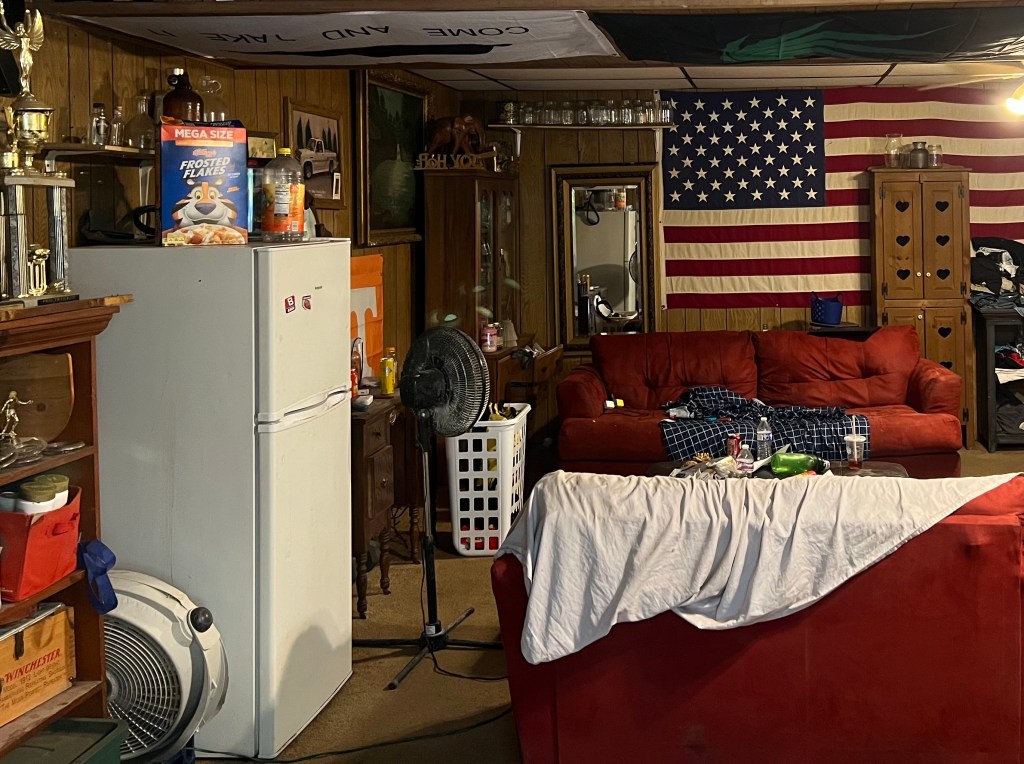
John’s (not his real name) basement apartment for $500 a month.

When I first met John (not his real name) on April 17 of this year, it was at a McDonald’s. The free Wi-Fi and a place to sit for a while provided a port in the storm of his homelessness. John told me he was exhausted from walking day and night, with nowhere to stay and desperately searching for work. Even when someone offered him a tent, he didn’t have a place to safely pitch it. Yesterday, McMinnville Action To Create Housing (MATCH), a nonprofit committed to helping our unhoused neighbors secure permanent supportive housing, assisted John in paying a month’s rent for his new apartment.

ENDED HIS OWN HOMELESSNESS

John is 32 years old. Due to unfortunate circumstances—some of which he acknowledges were of his own making—he bounced in and out of homelessness for the past 11 years. His determination to find work and address back child support payments ultimately motivated him to find both a job and an apartment. All John needed going into September was $500 to cover his first month of rent in a basement apartment.

A few weeks ago, he started working at an industry in McMinnville. Without a place to stay, he slept right outside on the property. Fortunately, he knew someone nearby, within walking distance of his job, who agreed to rent him a basement apartment after he spent two weeks sleeping outside the building.
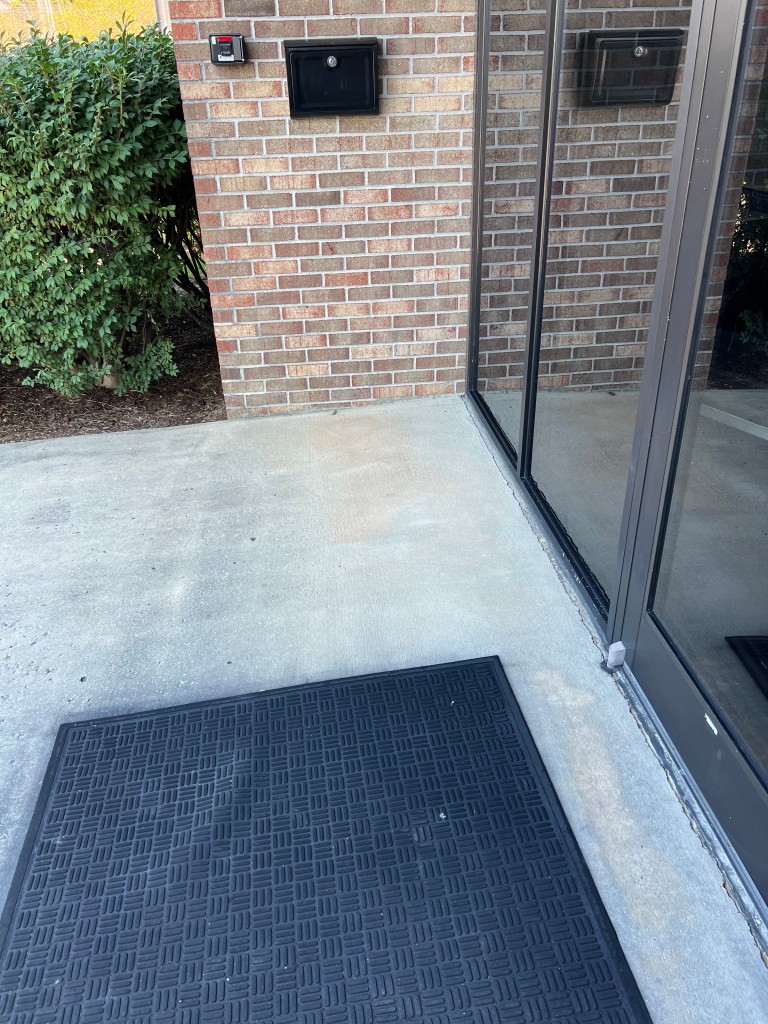
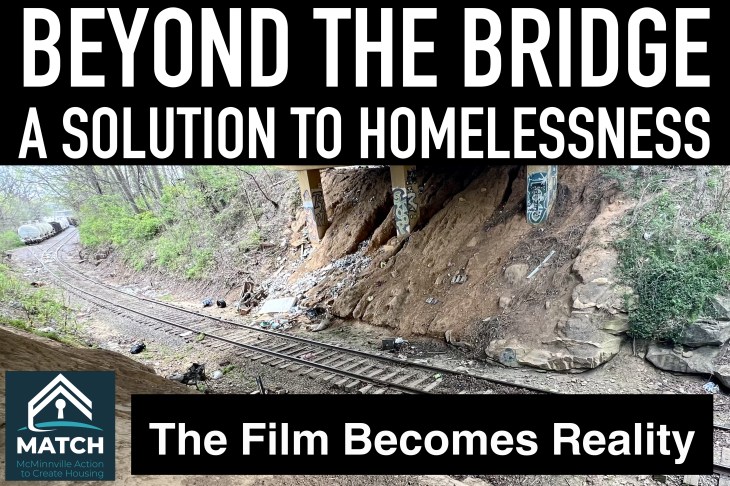
Where John slept overnight before working a full shift — without a sleeping bag or cushion,

HOW MATCH HELPED

MATCH is covering his first month’s rent OF $500, which will enable John to address the child support payments he struggled to make while homeless and looking for work. Moving forward, John will be able to pay his full rent and child support. In September, he has a court date concerning the child support payments, which he has significantly reduced since starting work a few weeks ago. He hopes to catch up on these payments, allowing him to continue working and paying his rent.

UCHRA PROVIDES SUPPORT
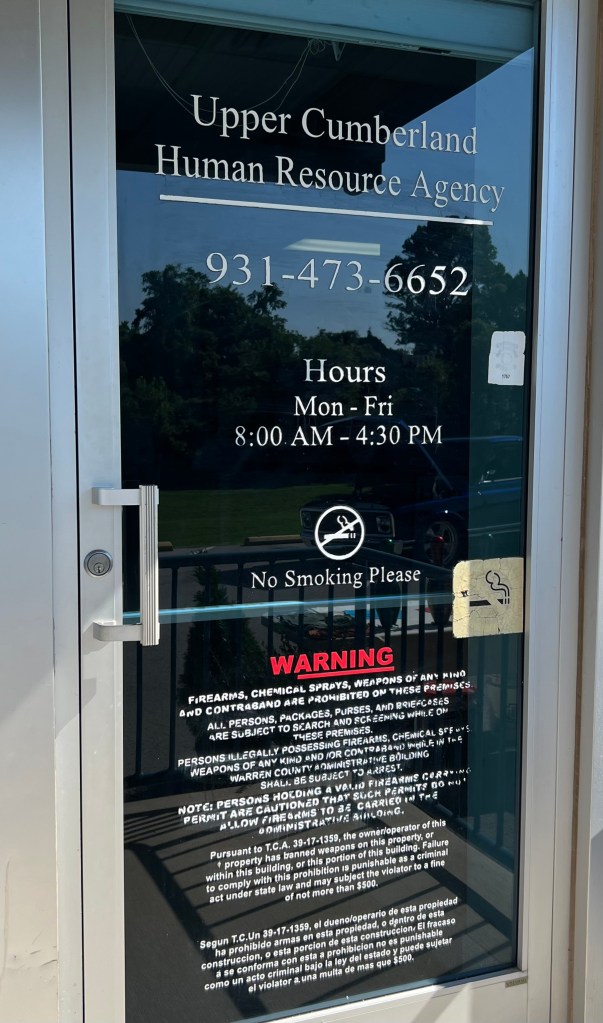
John credits UCHRA with providing support.

John credits a member of the UCHRA staff for providing essential supportive services. He said, “I meet with a lady every Tuesday about child support. She works with UT and UCHRA. When I was homeless and searching for a job, she communicated with the court about my efforts. She is my advocate, a professional who documented my job-search progress. She provided me with gift cards each week for food and gas. She even helped me purchase a new bike for $286! When I had nothing, she helped me get through the week.”

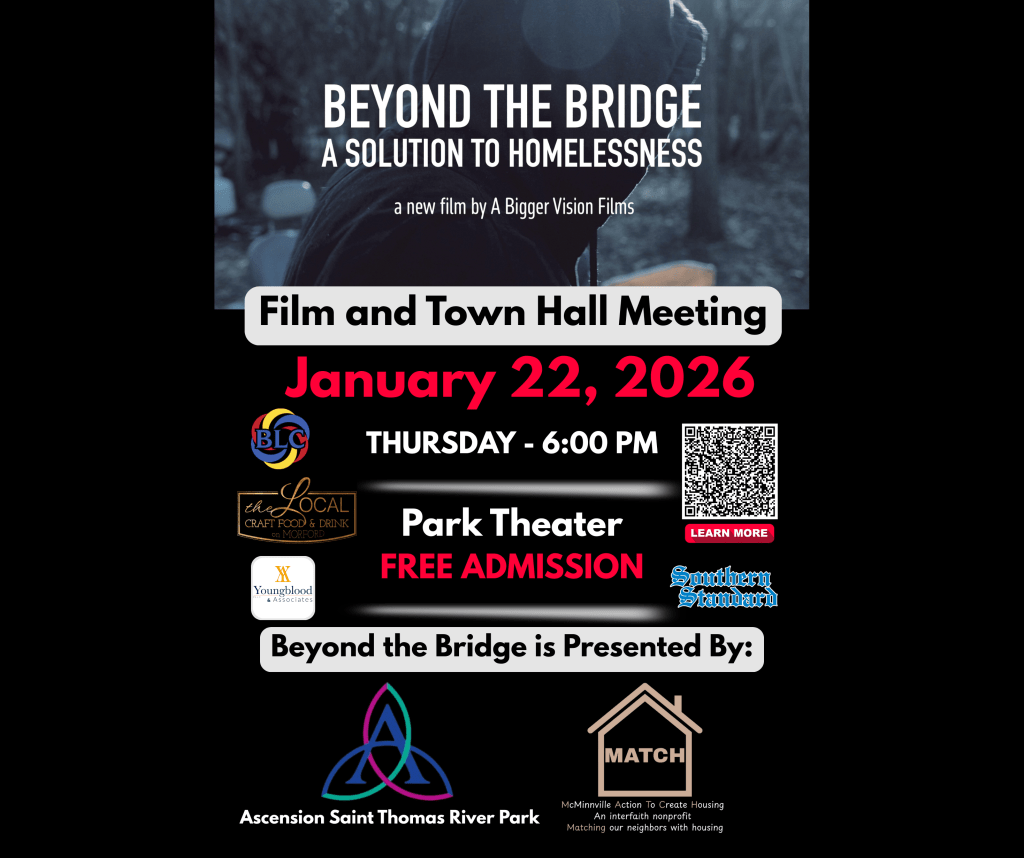
John is the second unhoused neighbor in McMinnville that MATCH has assisted in moving into housing in the past week. This initiative is part of an evidence-based solution to homelessness presented by MATCH in the film BEYOND THE BRIDGE, earlier this year at the Park Theater.
HOMELESS SUMMIT IN OCTOBER

MATCH plans to host a Homeless Summit in October to jumpstart collaboration and fundraising aimed at developing both supportive services and a housing search team, along with private rental subsidies. Everyone in McMinnville will be invited to the Homeless Summit, with the date and location to be announced soon.
McMinnville Action To Create Housing (MATCH)

By Brad Durham

WHAT IS MATCH

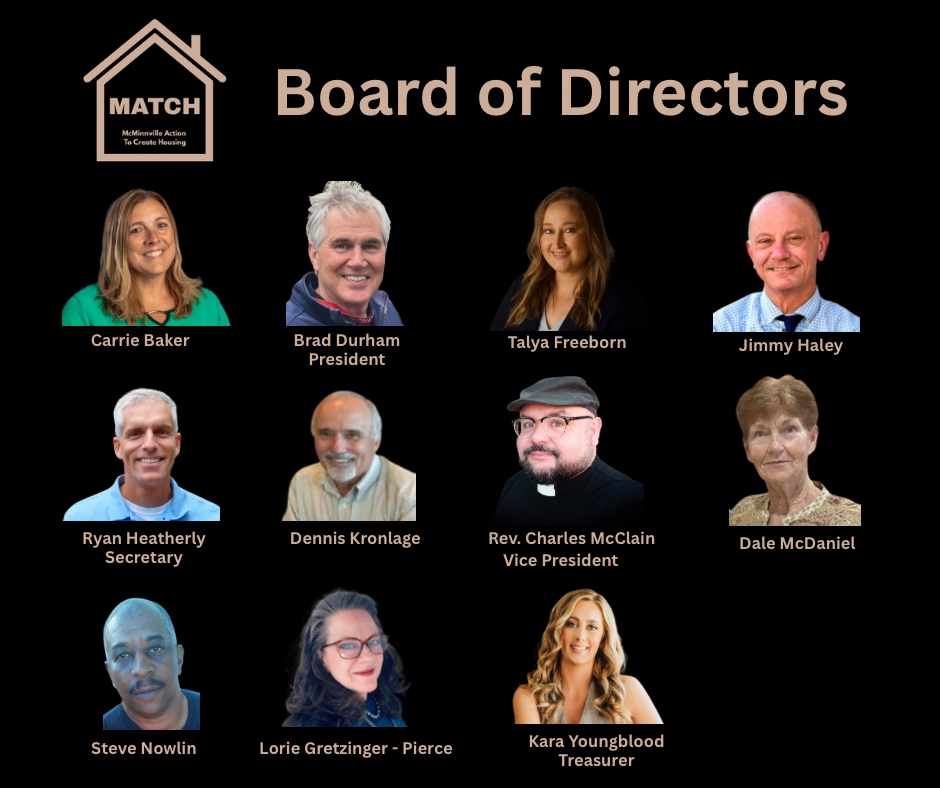
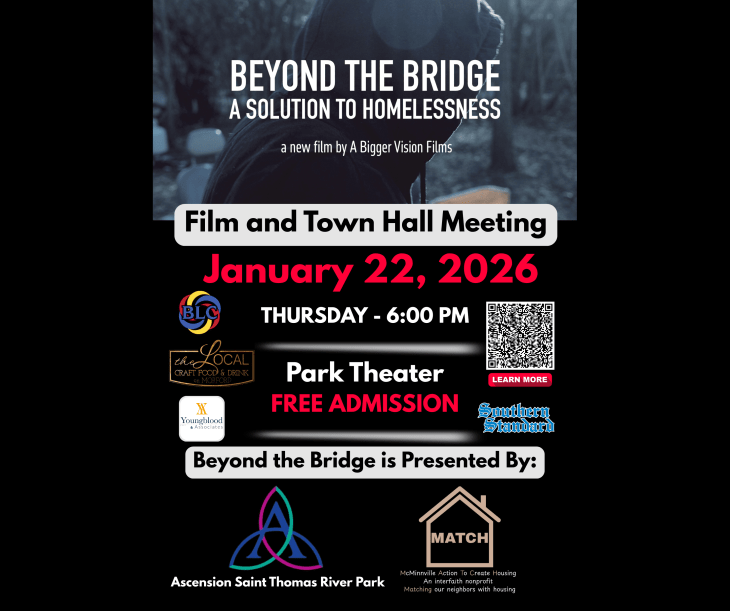
Recently, the McMinnville Action To Create Housing (MATCH) hosted the documentary film Beyond The Bridge at the Park Theater on January 22, 2026. I founded MATCH and invited people to join the Board to assist the poorest of the poor in McMinnville—our homeless neighbors. My vision for MATCH is to operate as a 100% volunteer effort focusing on three areas: advocacy, managing resources, and developing programs.

OUR FIRST ACTION

Our first action as a nonprofit was to advocate publicly for permanent supportive housing for the unhoused in our county by presenting the film Beyond The Bridge and hosting a Town Hall Meeting afterward. What is permanent supportive housing? It is an evidence-based solution to homelessness that quickly places a homeless person or family into an apartment, usually owned by a private landlord. Two key components are the supportive services that follow the individual into permanent housing and a rental subsidy that helps address the issue of housing affordability.

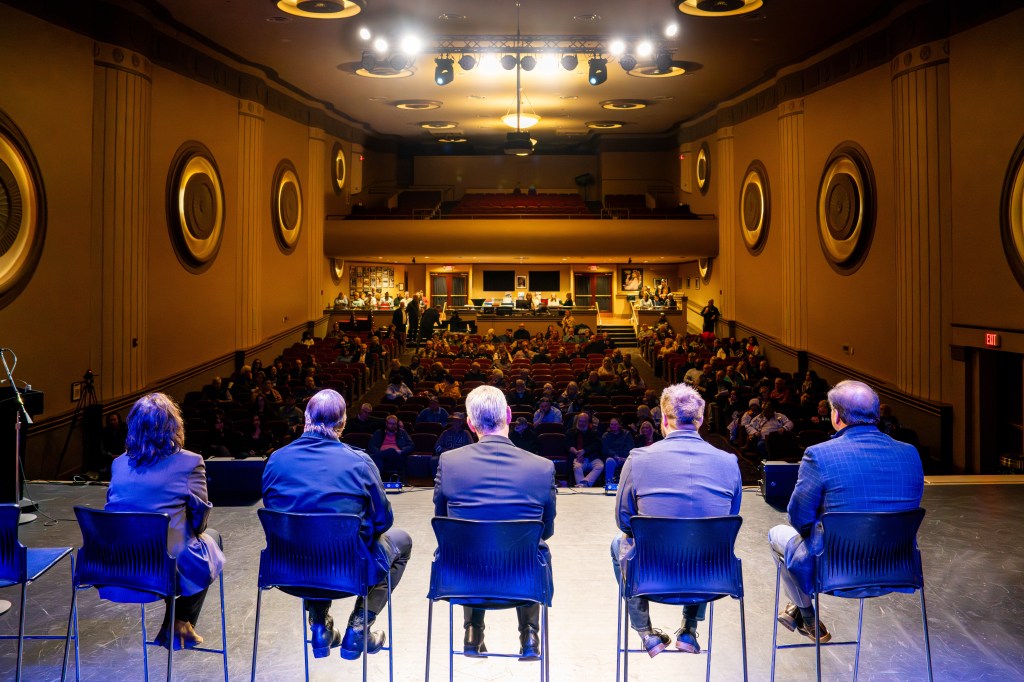
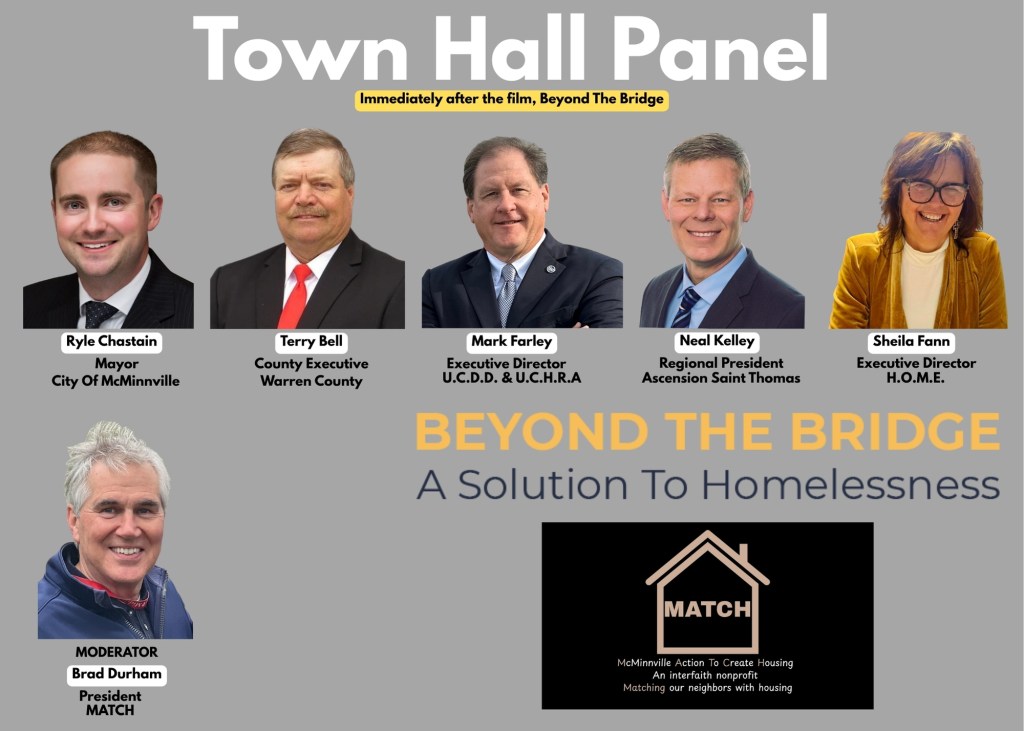
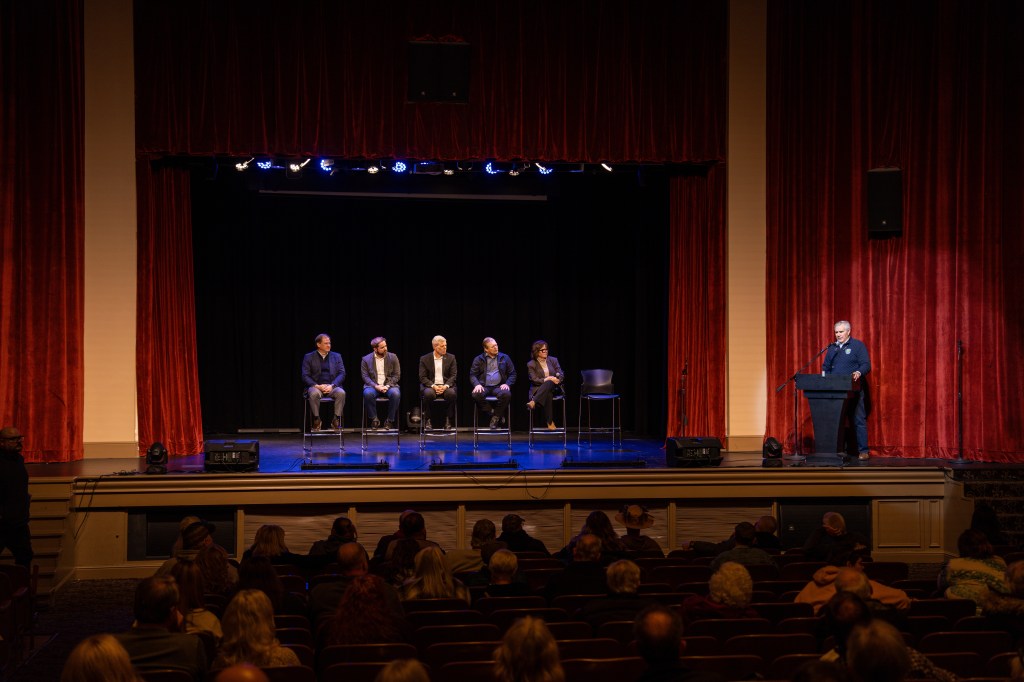
The Town Hall Meeting featured City Mayor Ryle Chastain, County Executive Terry Bell, UCDD/UCHRA Executive Director Mark Farley, Regional President of Ascension Saint Thomas Neal Kelley, and Sheila Fann, the Executive Director of HOME. I served as the moderator in my role as president of MATCH. Ninety percent of the questions came from the audience of 250 people.

ROUNDTABLE

The clear message from the Town Hall Meeting was that the mayor, county executive, executive director of UCDD/UCHRA, and the regional president of Ascension were all interested in sitting at a roundtable to develop and implement a public policy for creating permanent supportive housing. MATCH successfully advocated for permanent supportive housing in a forum that was free and open to everyone in McMinnville.

Town Hall Meeting after Beyond The Bridge. Panel and Moderator.

SPONSORS – SUPPORTERS

Our presenting sponsor, Ascension Saint Thomas River Park, donated $10,000 to help us create awareness and foster community involvement. Other sponsors included Ben Loman Connect, Security Federal Savings Bank, Youngblood and Associates, The Local, St. Matthews Episcopal Church, First United Methodist Church, the Southern Standard, and over 100 private citizens. Roland Advertising provided free billboard promotion for the event.

TWO OTHER POINTS OF FOCUS

MATCH has two other major focuses: resource management and program development. These are issues we wish to discuss at the roundtable with elected officials, regional and local service providers, business leaders, and private citizens. We have met individually and as a group with our police chief, the sheriff, the District Attorney, public defenders, and judges to discuss collaboration in addressing the disproportionate burden our unhoused neighbors create in these areas. There is a term often used to describe the pattern that the homeless follow—from hospitals to law enforcement, to courts, and then to jail—known as “frequent fliers” or “frequent users.”

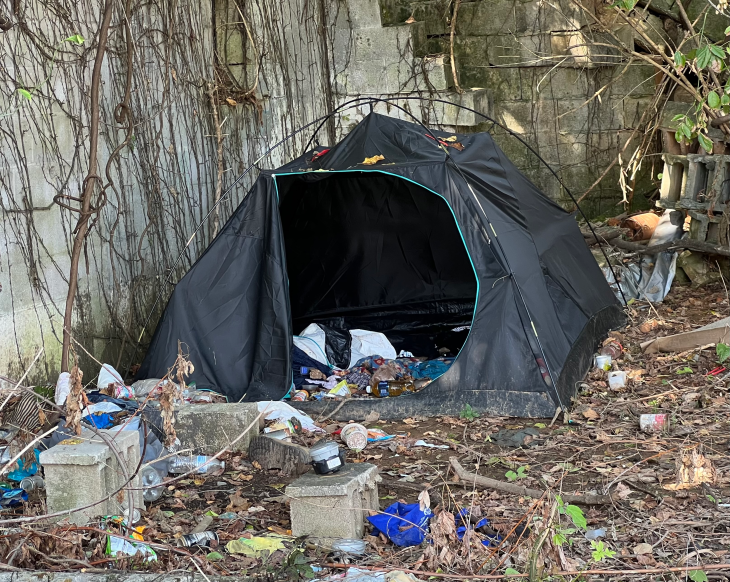
Tent in Downtown McMinnville during the past two years…

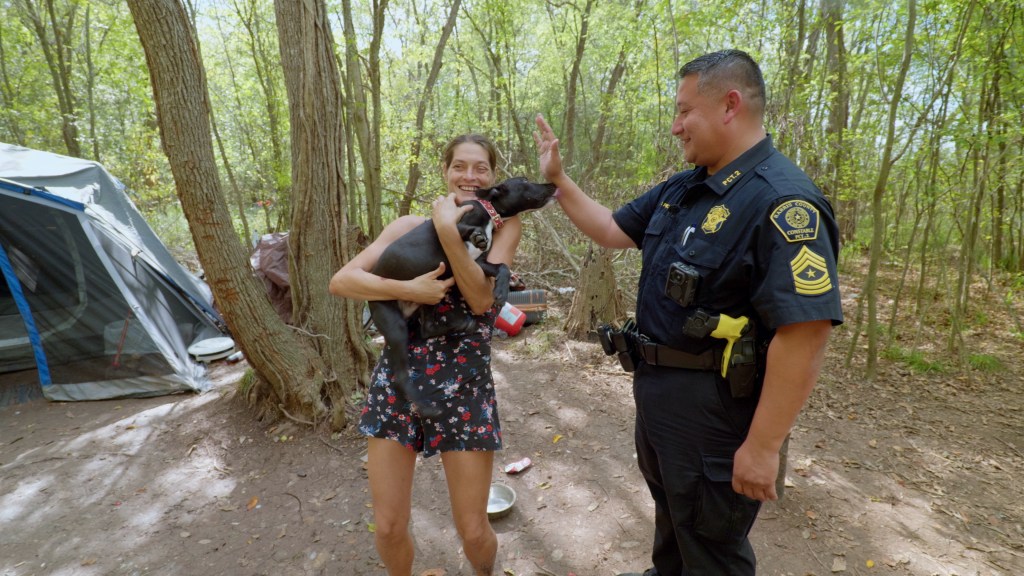
Scene from Beyond The Bridge – Houston police outreach worker to the homeless.

CONSERVE PUBLIC RESOURCES

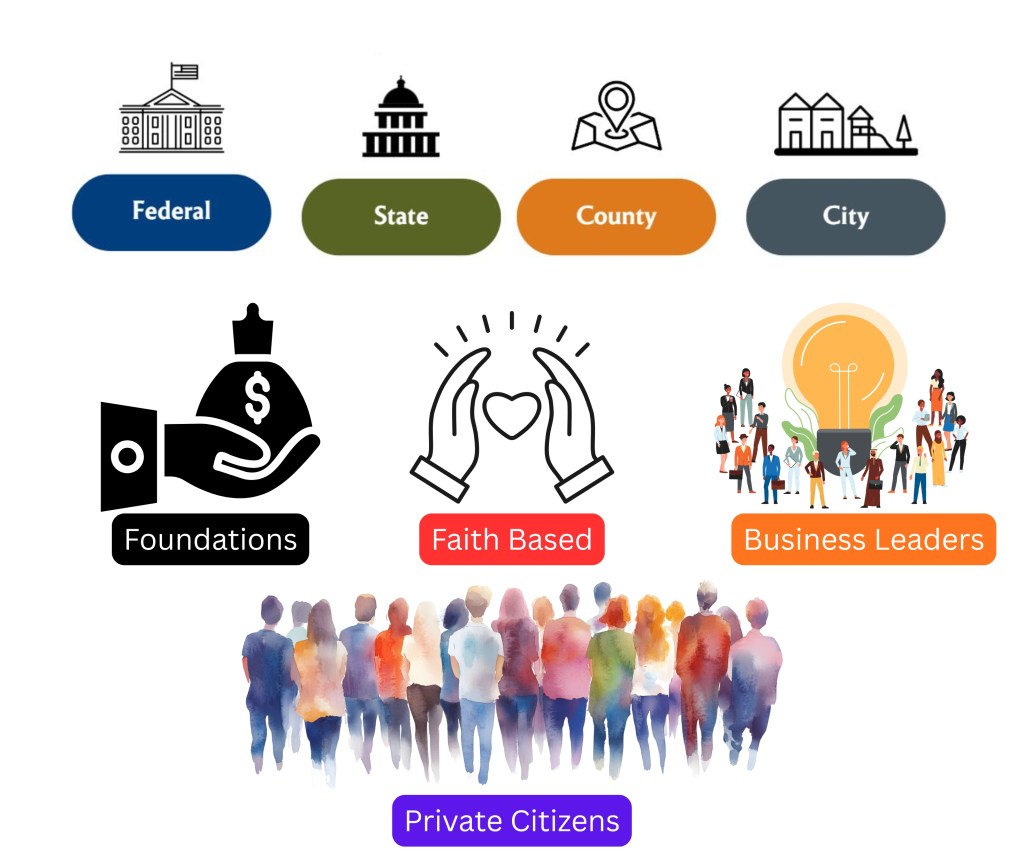
MATCH aims to conserve limited public resources by leading our homeless frequent users from this cycle by helping them transform into permanent supportive housing. To achieve this, we need to manage funding resources at the local, regional, state, and federal levels to develop full-time staff who can assist the homeless in navigating their way to permanent supportive housing.

Various levels of funding to support permanent supportive housing.

REPLICATE THE DOCUMENTARY FILM

If we had presented a great science fiction film like Star Wars by George Lucas and said we wanted to replicate the Rebel Base and Storm Troopers in McMinnville, you would think we were crazy! Yet, we showed a documentary film presenting an evidence-based positive solution to homelessness at the Park Theater and expressed our desire to replicate it in McMinnville.

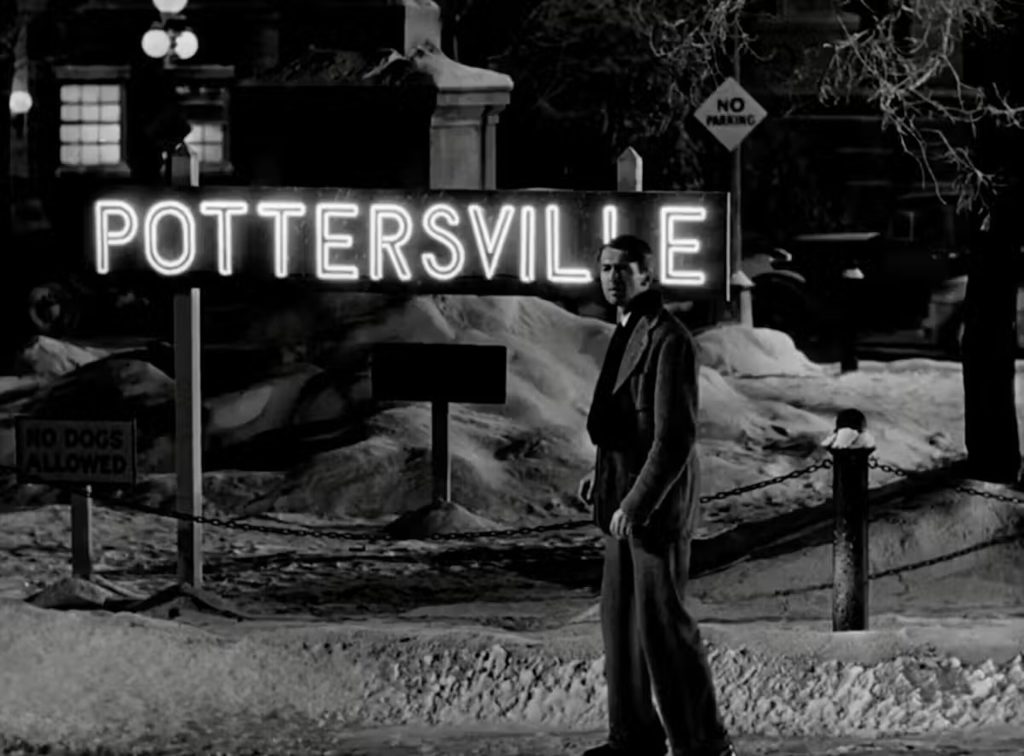
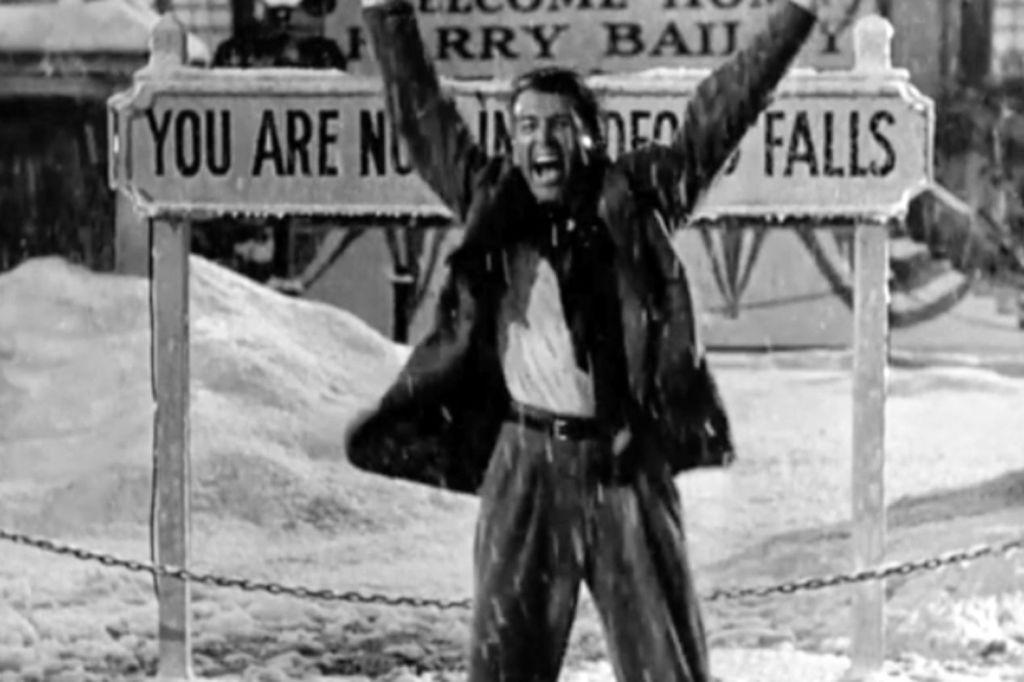
BEDFORD FALLS VS POTTERSVILLE

Let me use another film analogy: Frank Capra’s It’s A Wonderful Life, which many of us enjoy watching each Christmas. I am asking everyone throughout McMinnville and Warren County: Do you want McMinnville to be a Pottersville or a Bedford Falls?

CALL TO ACTION

There is something each of us can do to support the poorest of the poor in our community. You can become a positive advocate for permanent supportive housing, contribute your skills, resources, and compassion to help.

Watch this video and contact MATCH if you want to be part of the solution to homelessness in McMinnville by helping develop permanent supportive housing for our homeless neighbors.

FIVE QUESTIONS WITH FILMMAKERS TIM HASHKO AND DON SAWYER

BY BRAD DURHAM

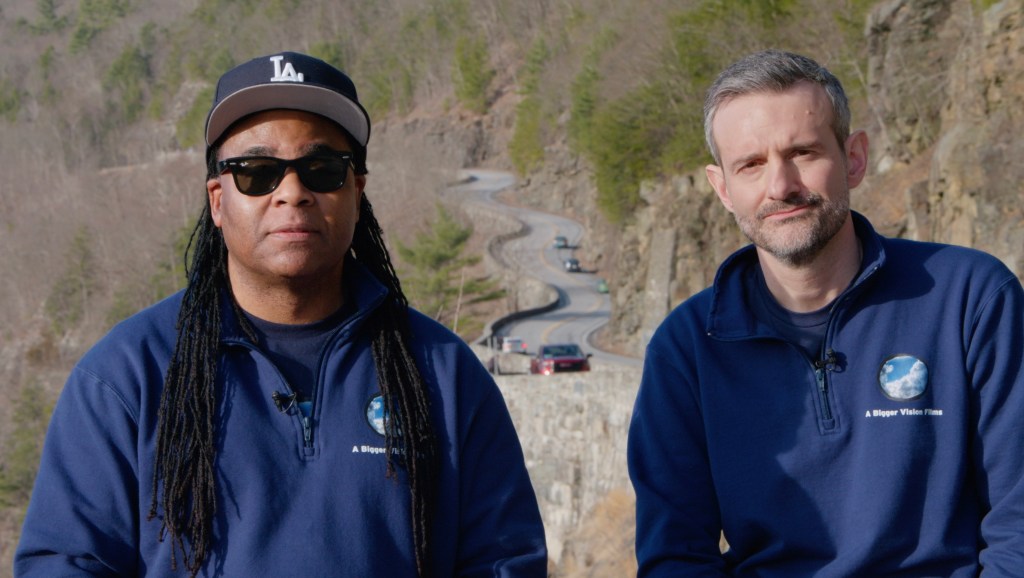
Left to right: Don Sawyer and Tim Hashko

MATCH (McMinnville Action To Create Housing) is bringing the film, Beyond The Bridge to the Park Theater on January 22, 2026. A Town Hall Meeting will take place immediately after the film. The filmmakers, Tim Hashko and Don Sawyer will be in McMinnville the day of the film and at the screening for various meetings. This interview serves as an introduction to them and their experiences in making the film.

BD Newsletter: Why did you make the documentary film, Beyond The Bridge?

Tim Hashko and Don Sawyer: Most documentaries about homelessness focus on how sad, lonely, and what a pathetic state people experiencing homelessness are in. This is true. But what needs to happen to fix the situation? We thought that if America can successfully keep a space station orbiting the earth for many years now, America can also successfully solve homelessness. We just didn’t believe solving homelessness is beyond the capability of this country, so we set out on a journey to discover the solution for ourselves. 

BD Newsletter: What is the most common reason towns have not developed a strategic plan to solve homelessness? What is the common denominator in these towns?

Tim Hashko and Don Sawyer: There are two very common reasons communities struggle when it comes to creating an effective strategic plan to address homelessness. First, in most communities, there is a deep, unspoken belief that homelessness is an intractable problem that can never be solved. If you don’t believe you can solve the problem, then you will never solve the problem – a fundamental principle when pursuing any goal. Second, most communities (sometimes inadvertently) set their homeless response systems up to serve their local government, service providers and the housed public. In other words, the welfare of these groups are prioritized over the welfare of the people experiencing homelessness. For many communities the priority of their homeless response system is to get the homeless population out of sight and out of mind instead of meeting them at their need and leading them out of homelessness – when this is the objective of a homeless response system, it will always end in failure.

Have you seen a difference in the approach and resources committed to solving homelessness in small and large cities? In other words, have you seen small towns practice the same plans large towns use?

Tim Hashko and Don Sawyer: The scale is different, but the fundamentals are the same. Large cities tend to have more resources and more complex systems, while small towns often assume those models do not apply to them. What we found is that the core strategies that work in big cities also work in small communities when they are adapted to local conditions. In fact, small towns often have an advantage because relationships are closer and change can happen faster.

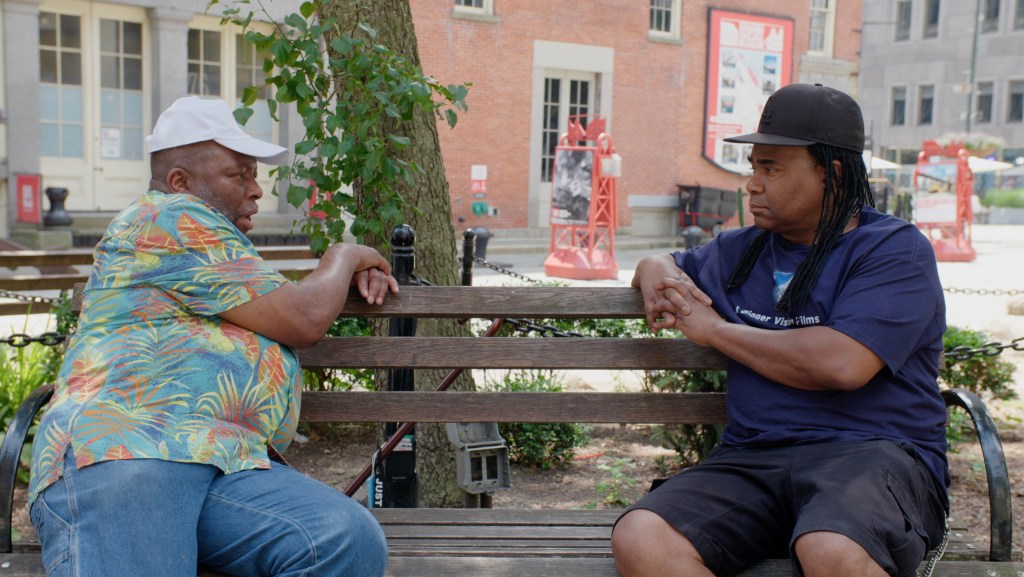
Don Sawyer interviewing Rob Robinson, a prominent
community organizer, activist and formerly homeless.

BD Newsletter: What is the number one reason you want people to see your film?

Tim Hashko and Don Sawyer: To change perspectives on people experiencing homelessness, and to learn why homelessness exists in this country. Then, we want people to see that homelessness is solvable by deploying the blueprint we show in the film, which applies to every community no matter how big or small a community is. Ultimately, we’d like people to understand that if they want different results in their efforts to address homelessness, they will have to band together as a community to make it happen – everyone has a role.

BD Newsletter: Why should a private citizen, service provider, business person, and elected officials see this film? On the other hand, is there anyone in McMinnville who should not see Beyond The Bridge?

Tim Hashko and Don Sawyer: Homelessness affects the entire community, and solutions require participation from everyone. The film gives private citizens a clearer understanding of what actually works, service providers a framework for stronger collaboration with other organizations, business leaders insight into how they can help, and elected officials examples of effective leadership grounded in results rather than theory.

There is no one who should not see this film. It is not political and it does not promote a single ideology. It presents evidence, lived experience, and real world solutions, and invites the whole community into a more productive conversation.


https://www.eventbrite.com/e/beyond-the-bridge-a-solution-to-homelessness-film-conversation-tickets-1977519276389?utm-campaign=social&utm-content=attendeeshare&utm-medium=discovery&utm-term=listing&utm-source=cp&aff=ebdsshcopyurl