By Brad Durham
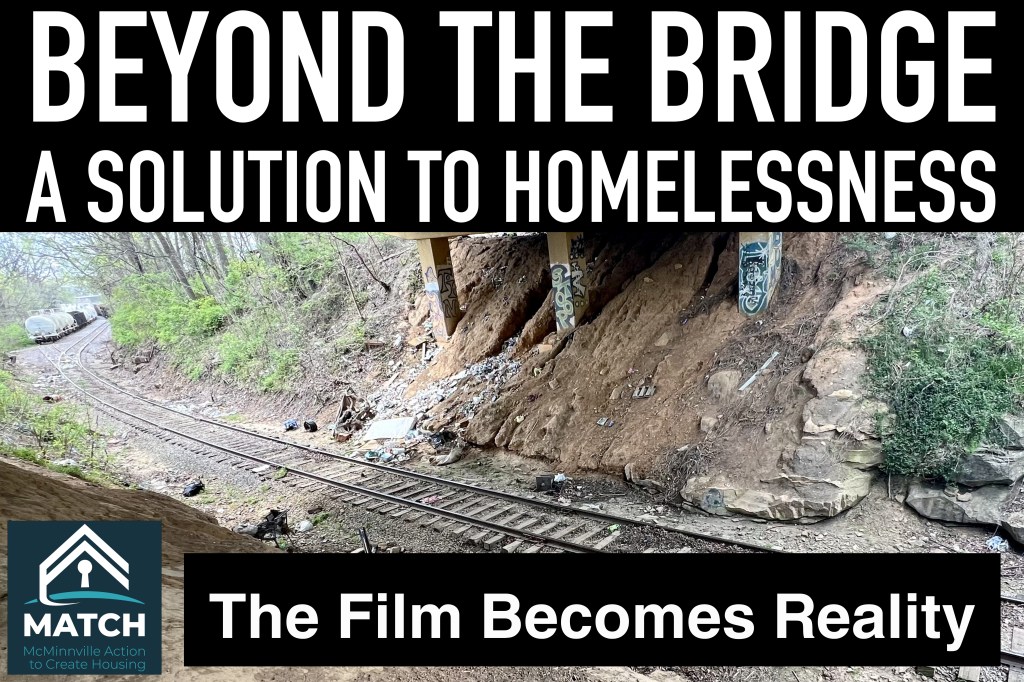
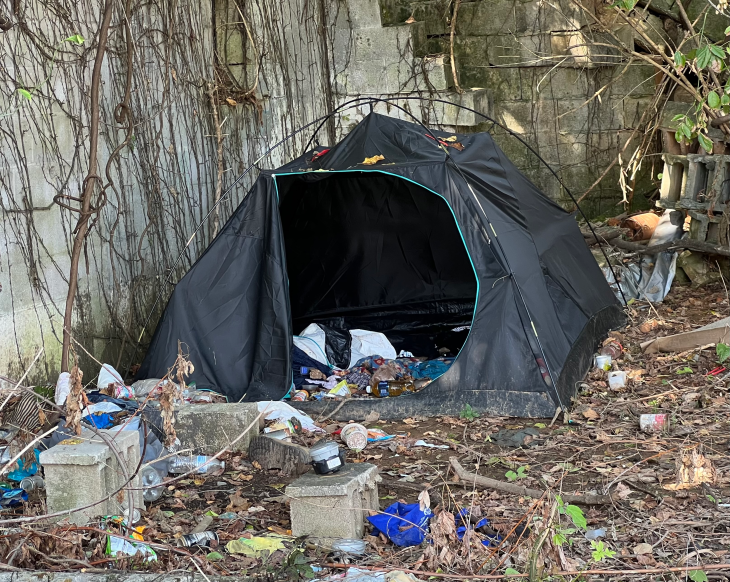
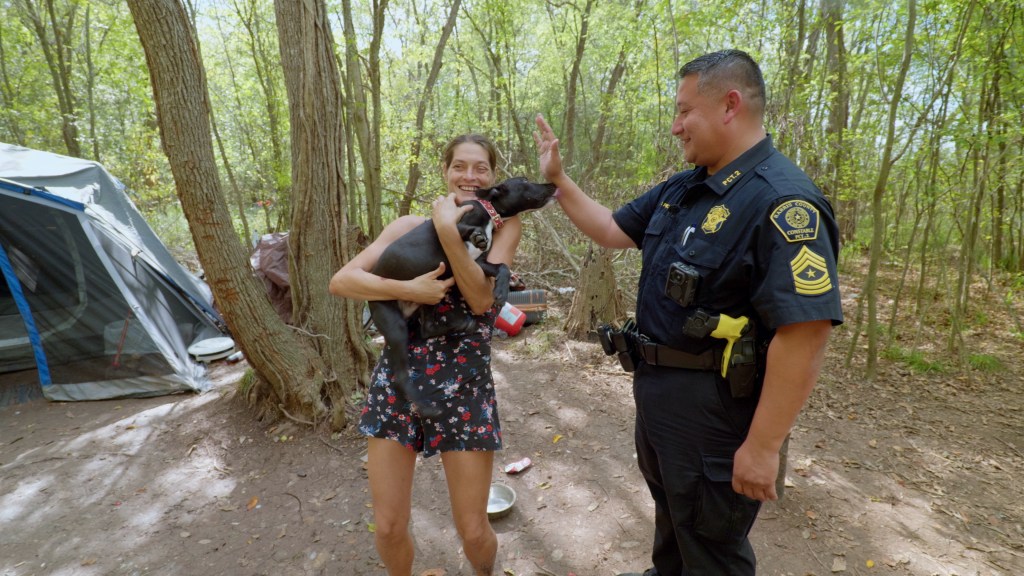
Under a bridge in McMinnville. Photos by Brad Durham.
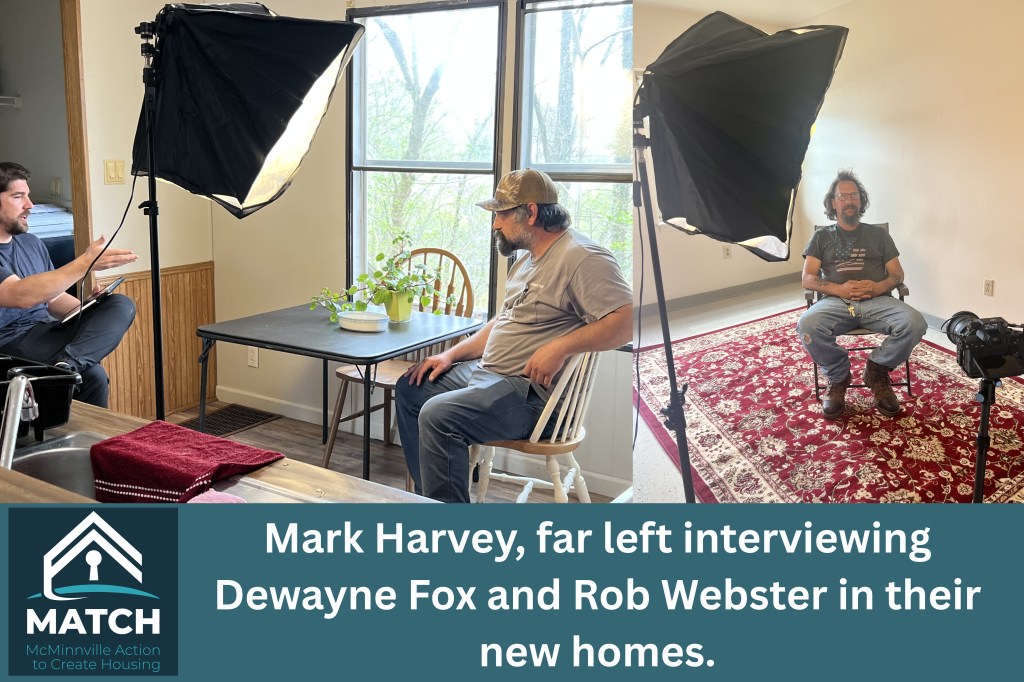
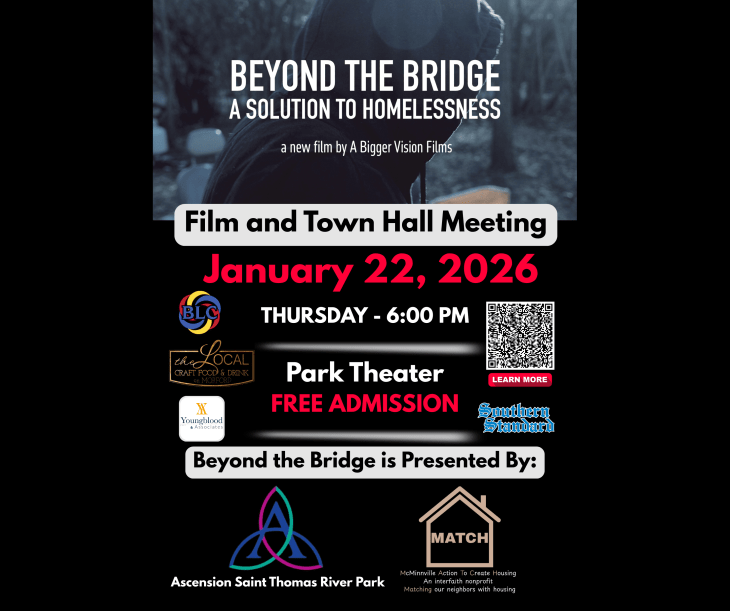
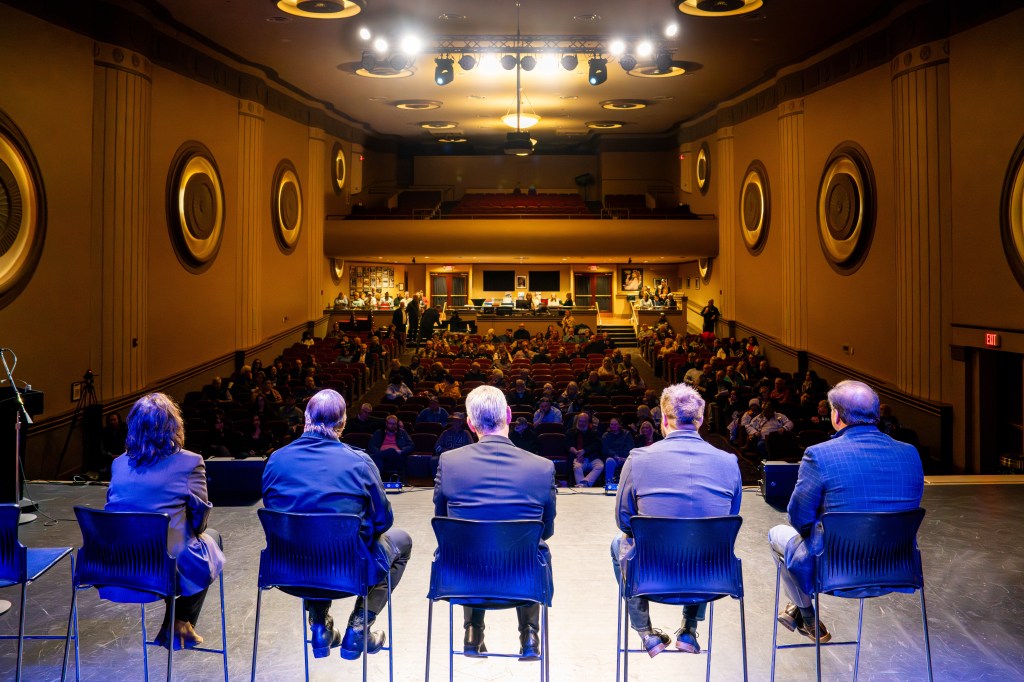
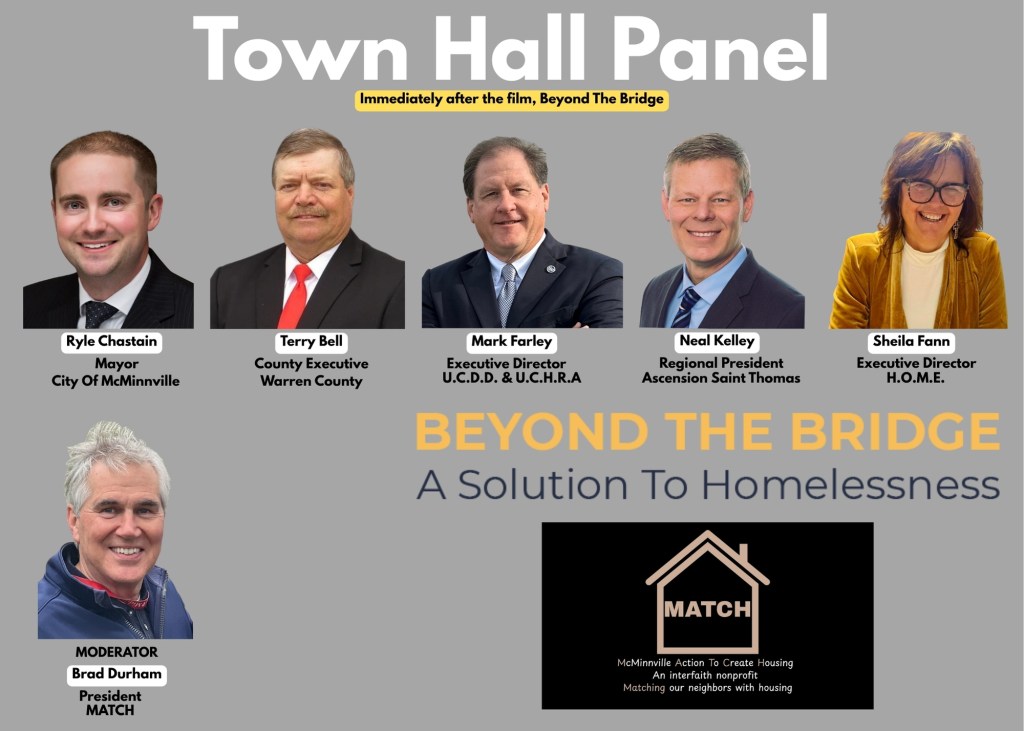
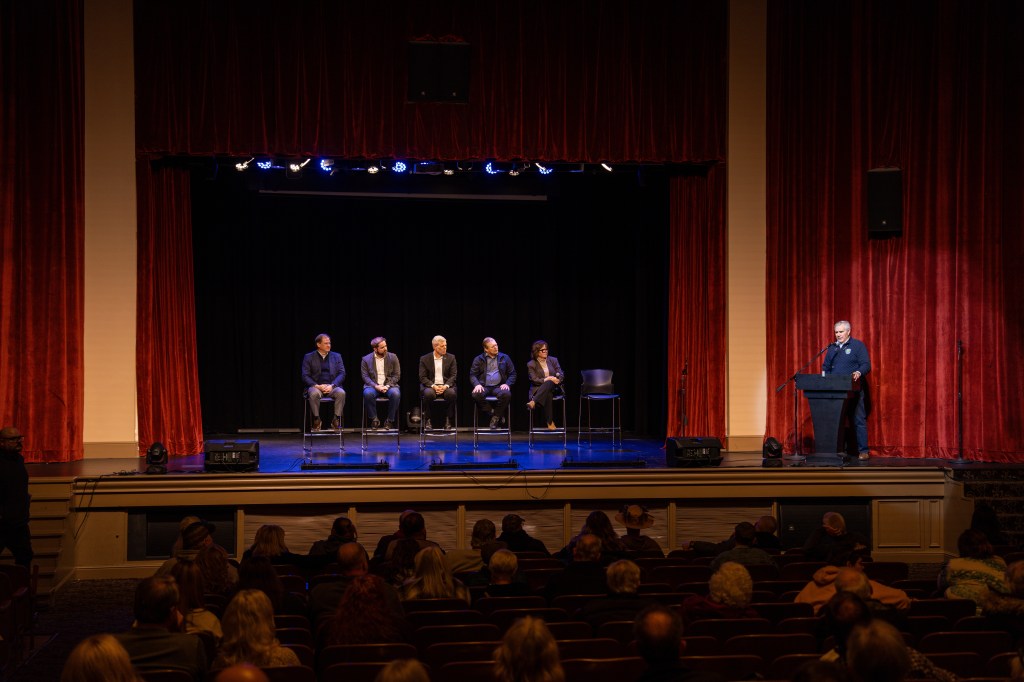
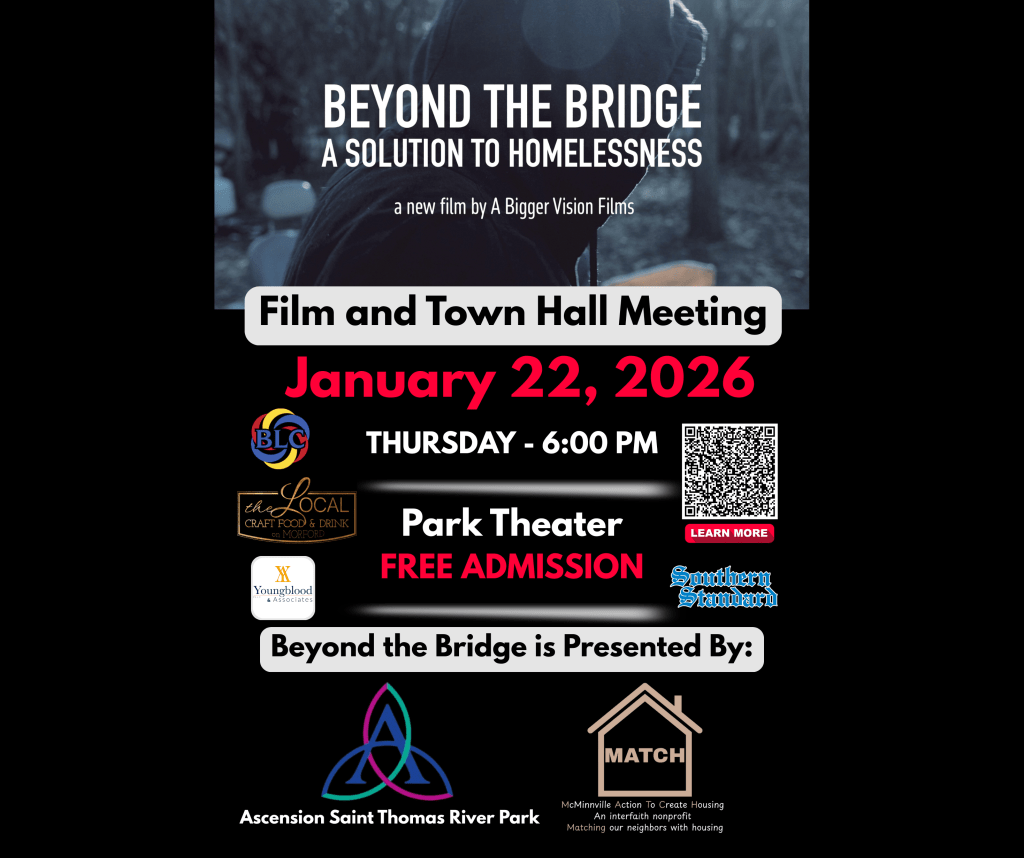
McMinnville Action To Create Housing (MATCH) hosted the film Beyond The Bridge at the Park Theater earlier this January to raise awareness about the need for permanent supportive housing for our unhoused neighbors. Recently, board members of MATCH assisted two unhoused men in moving into permanent supportive housing.
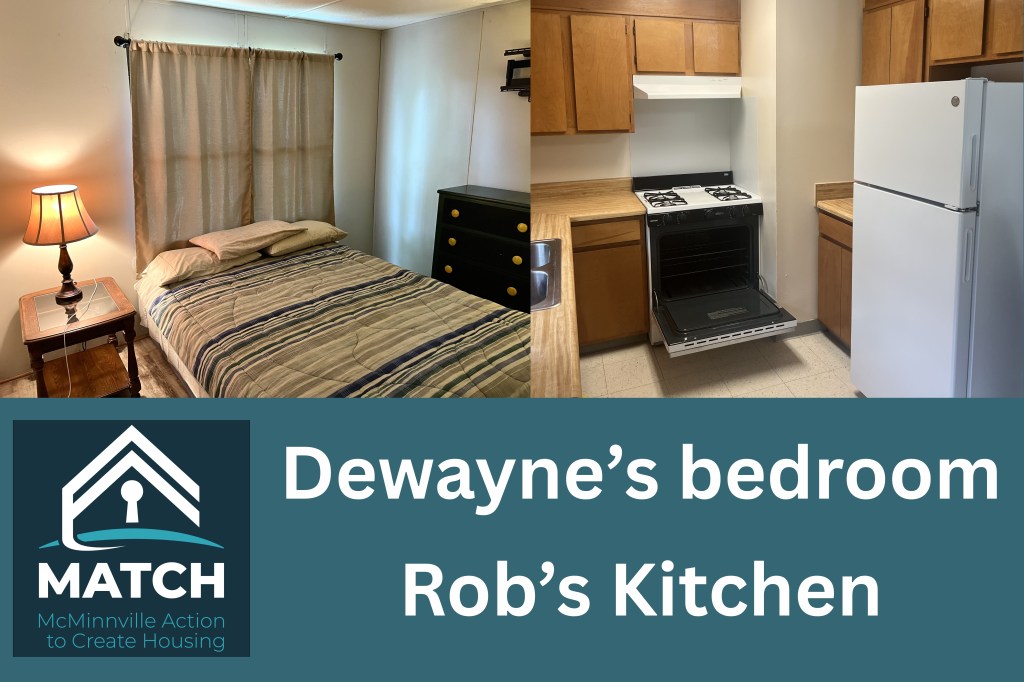
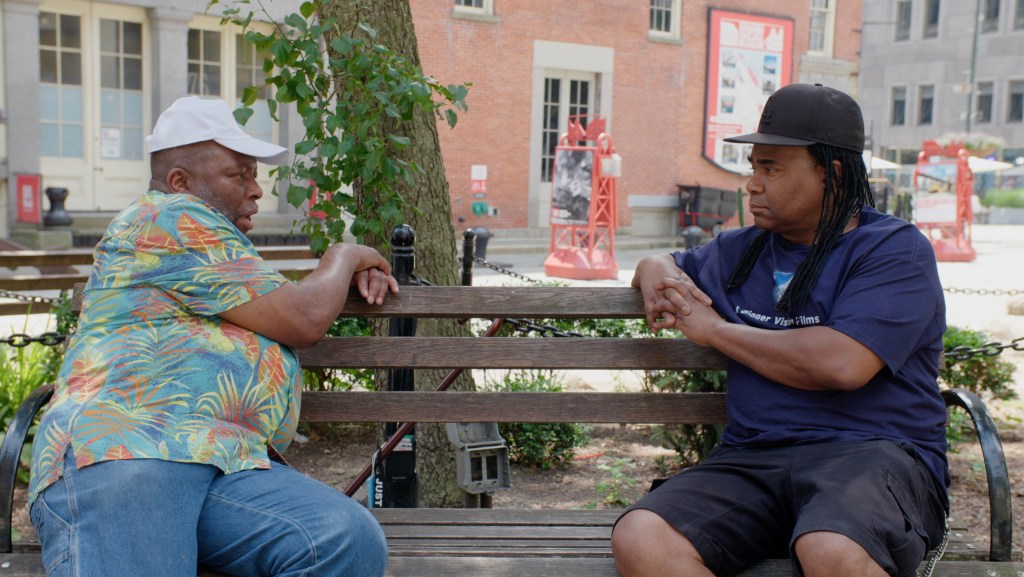
Both men agreed to be interviewed and shared their stories in the hope that other unhoused individuals will be inspired to pursue permanent supportive housing. Below are some photos of their previous unhoused environments alongside their new permanent homes.
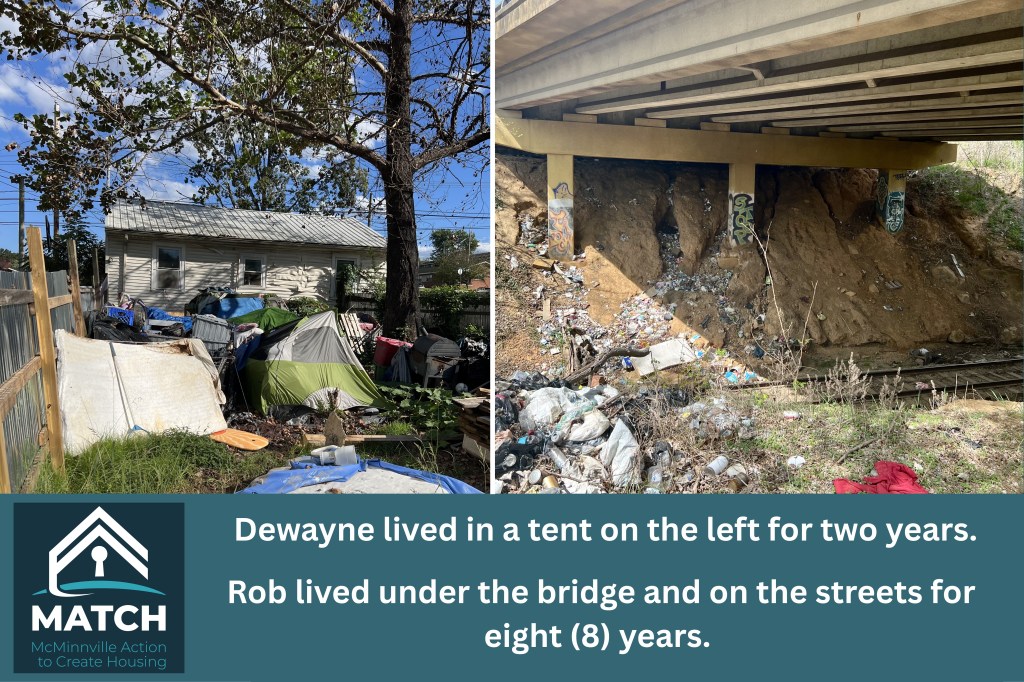
Dewayne has experienced health problems related to his heart and back. Members of the First United Methodist Church have assisted him with transportation to a heart doctor in Cookeville and have provided additional support for his healthcare. There is a good possibility that Dewayne will be driving a bus for UCHRA later this year, as truck driving was his former job.
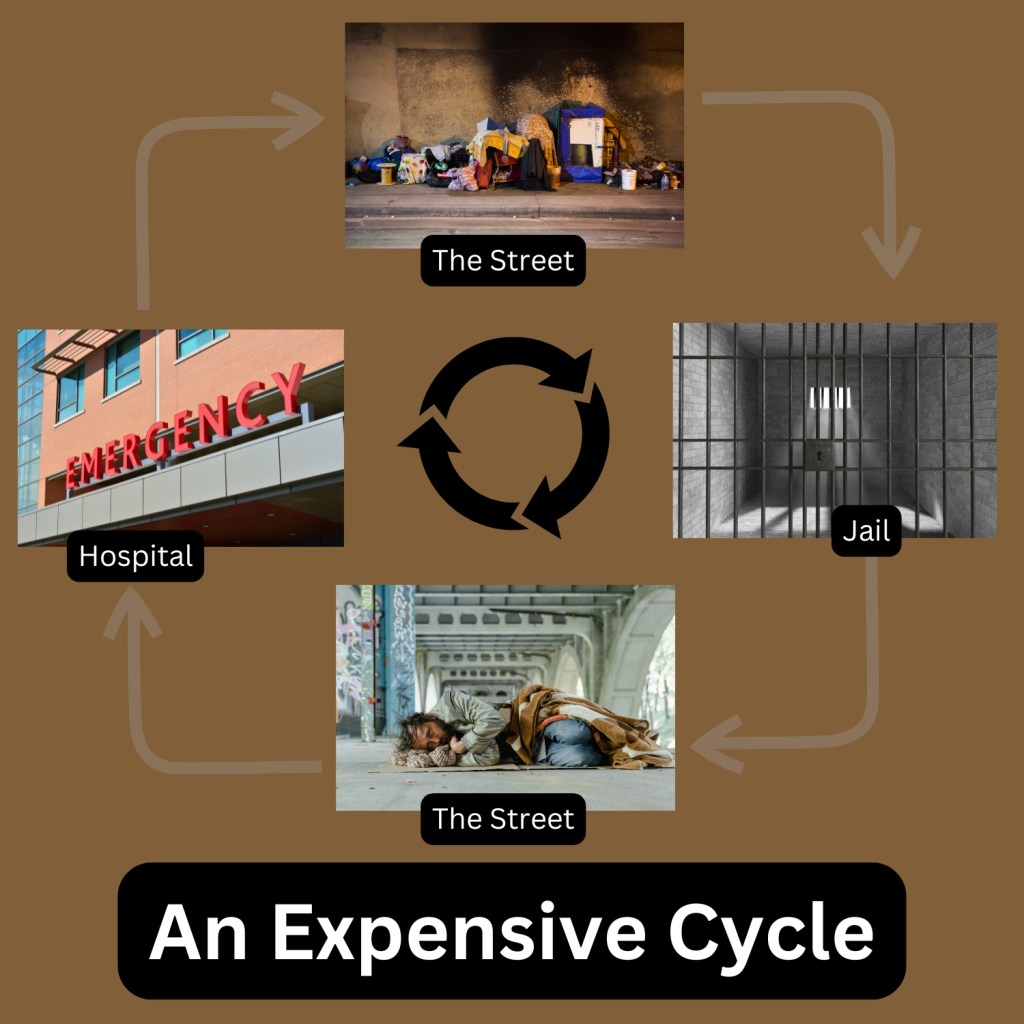
Rob has worked odd jobs and is attending a job fair soon. Having an apartment with a bathroom and kitchen will help him stabilize and become more consistent in his job search. Rob went to rehab a year ago and returned to McMinnville 100 days sober. He had no place to live and returned to sleeping under the bridge. He was arrested for not reporting to probation during his rehab. After providing documentation, Rob was released from a brief stay in jail and returned to the streets.
Both Dewayne and Rob hope that their stories will encourage the public to support fundraising efforts by MATCH to develop permanent supportive housing for other unhoused individuals in McMinnville.
MATCH PLANS TO HELP 10 MORE INDIVIDUALS
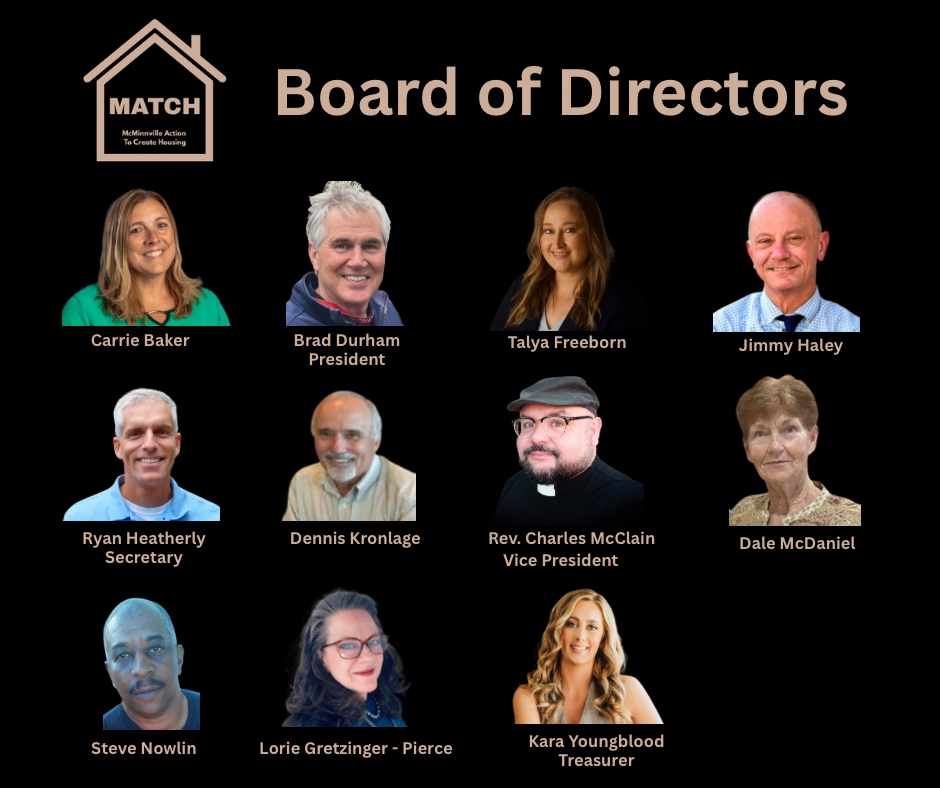
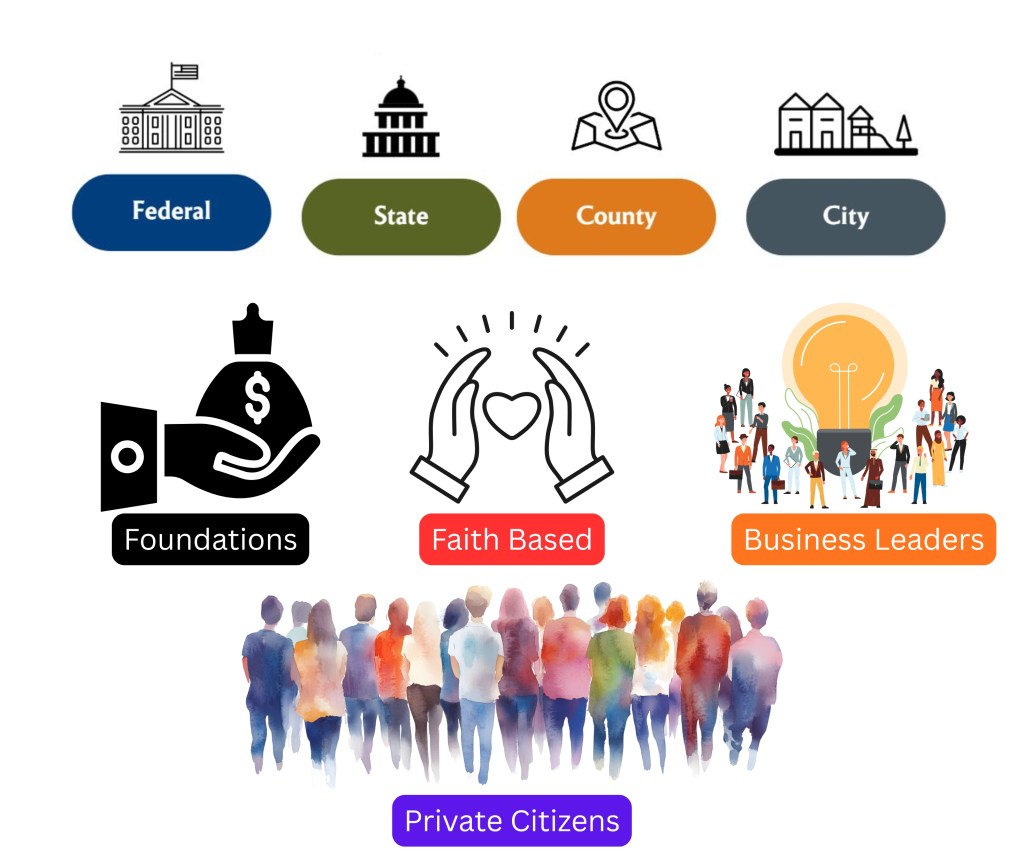
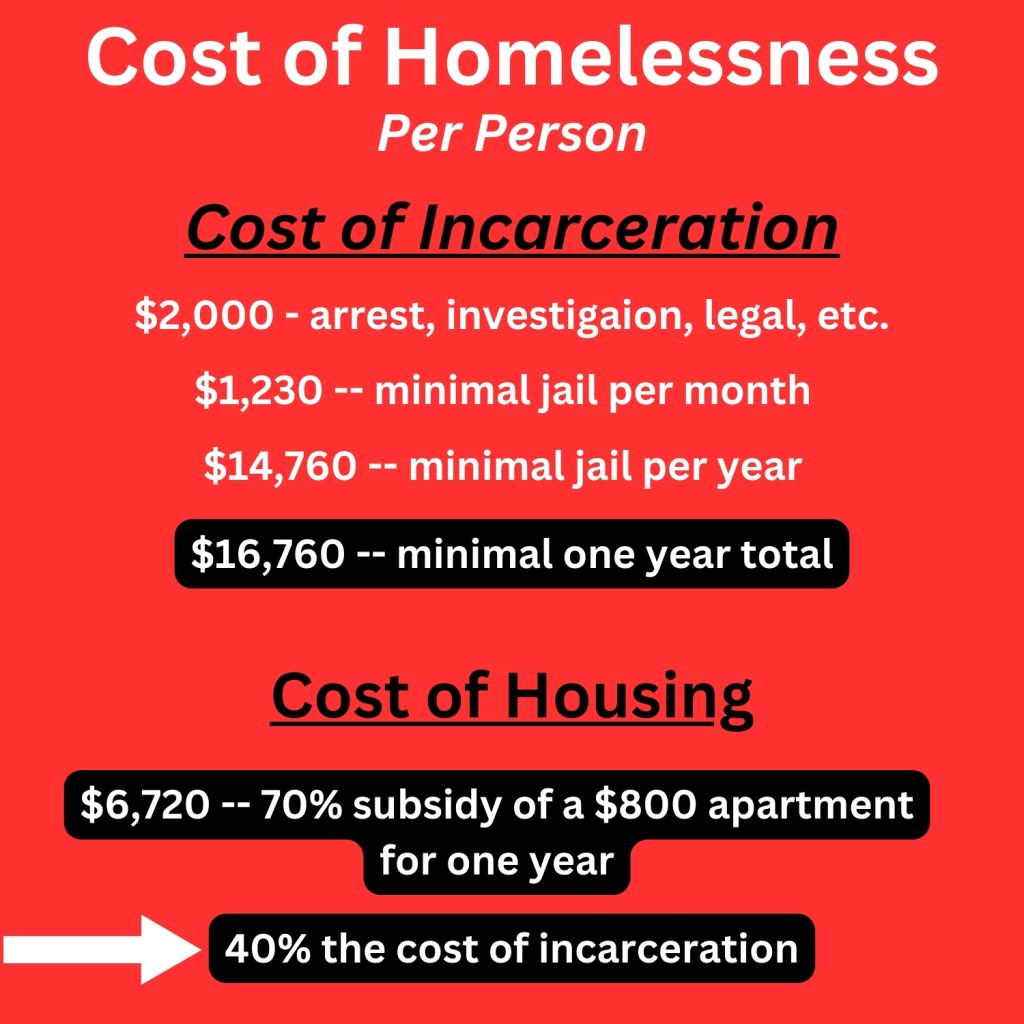
MATCH plans to place 10 of our unhoused neighbors into permanent supportive housing within one year. These plans include fundraising to create 10 rental subsidies to help individuals like Dewayne and Rob afford a home. Another aspect of MATCH’s plans includes hiring two full-time staff members: one will be a supportive services coordinator (case manager), and the other will be a housing search specialist (housing navigator).
MATCH is committed to building a coordinated, data-driven system that addresses both housing instability and the underlying factors preventing individuals from achieving long-term stability. Please stay tuned for upcoming fundraising activities by MATCH to support these initiatives.






You must be logged in to post a comment.