By Brad Durham
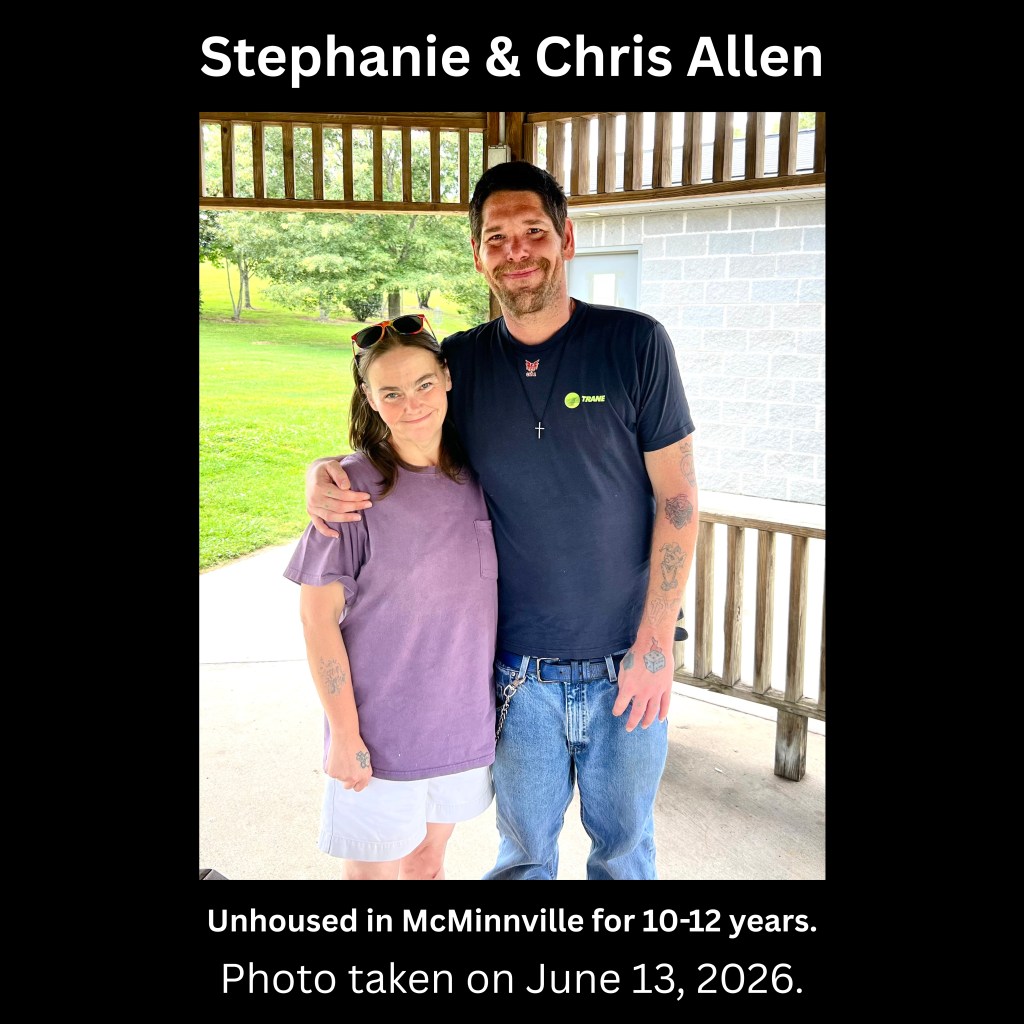
When I first met Chris and Stephanie, they were living in a tent and now they live under a bridge — places that, for the last decade or more, has been their address. For 10–12 years they have slept in tents and under bridges. There is no emergency housing available to them now, and without a rental subsidy, permanent housing is simply out of reach.
Chris called me on Monday, June 15, asking for help to move he and Stephanie into an apartment. Over my 70 years I’ve learned how to search for housing for people who are unhoused. The tool that actually gets people inside doors is a rental subsidy paired with supportive services. That’s why I’m writing: to explain why funding a rental subsidy for Chris and Stephanie is the most effective way to help them.
Earlier this year I helped organize a free screening of the documentary Beyond The Bridge at the Park Theater. The film shows how permanent supportive housing works — an evidence-based model that provides stable homes plus services tailored to tenants’ needs. After the screening, a Town Hall meeting launched a roundtable to plan how we might use this model in our community. Chris and Stephanie are exactly the kind of neighbors this evidence-based solution will help.
Together, Chris and Stephanie receive $1,788 a month in SSI. I am currently negotiating an apartment for $875 per month plus utilities. To bridge the gap we need a rental subsidy of $6,000 for one year ($500 per month). I am raising $10,000 total so we can also fund professional training for the supportive-services team and cover additional apartment expenses.
Any donation helps. If 400 people give $25, we will reach the $10,000 goal and give Chris and Stephanie a real chance at a safe, stable home. Thank you for considering a gift that will change lives.
LINK TO MAKE A DONATION:

This is how an apartment will change Chris and Stephanie’s life:
- They will have a place to use the bathroom.
- They will have a kitchen to store and prepare food.
- They will have a bed to sleep on.
- They will not get wet when it rains or snows.
- They will not overheat and exhaust themselves when it is hot outside.
- They will not freeze when the temperature is cold outside.
- They will not wake up every day wondering where they will stay that night.
- They will have weekly visits in their apartment to help them manage their food, budget, healthcare, etc.
The evidence-based solution of permanent supportive housing and the benefit of housing first, as opposed to emergency and transitional housing, were developed by Dr. Sam Tsemberis. Below is information about him and his Pathways Housing First Institute. The effort to help Chris and Stephanie move into permanent supportive housing is based on his principles.

Dr. Sam Tsemeberis, founder of the Pathways Housing First Institute.
Having a safe place to live creates the conditions for recovery, and people thrive when they are met with respect and trusted to make their own decisions.
The Five Principles
(From the Pathways Housing First Institute website.)
Consumer Choice
Choice in housing and services emphasis self-determination.
Separation of Housing and Treatment
Immediate access to housing without treatment or sobriety as prerequisites.
Provide Services to Match Needs
Program provides or coordinates services.
Recover Oriented Service Philosophy
Ongoing, positive, hopeful, Affirming support.
Social Community Integration
Supporting a life in the community like everyone else.
The Pathways Housing First model has been implemented in over 100 cities across 20 countries, supporting more than 100,000 individuals worldwide and demonstrating an 88% housing retention rate across programs.
Milwaukee was featured in Beyond The Bridge…
The city of Milwaukee Wisconsin saw a 92% reduction in unsheltered homelessness and a 46.3% reduction in the overall homeless population after just 5 years of adopting the Housing First Model and expanding it to a community-wide approach. The Pathways Institute introduced Housing First to the city and county of Milwaukee and has provided consultation since 2015 when the model was first adopted.
Before adopting the Housing First model, Milwaukee recorded 327 people experiencing homelessness during their annual Point-in-time (PIT) count. After 3 years their PIT count was just 17, the lowest for a city that size in the United States.
Link: https://www.pathwayshousingfirst.org
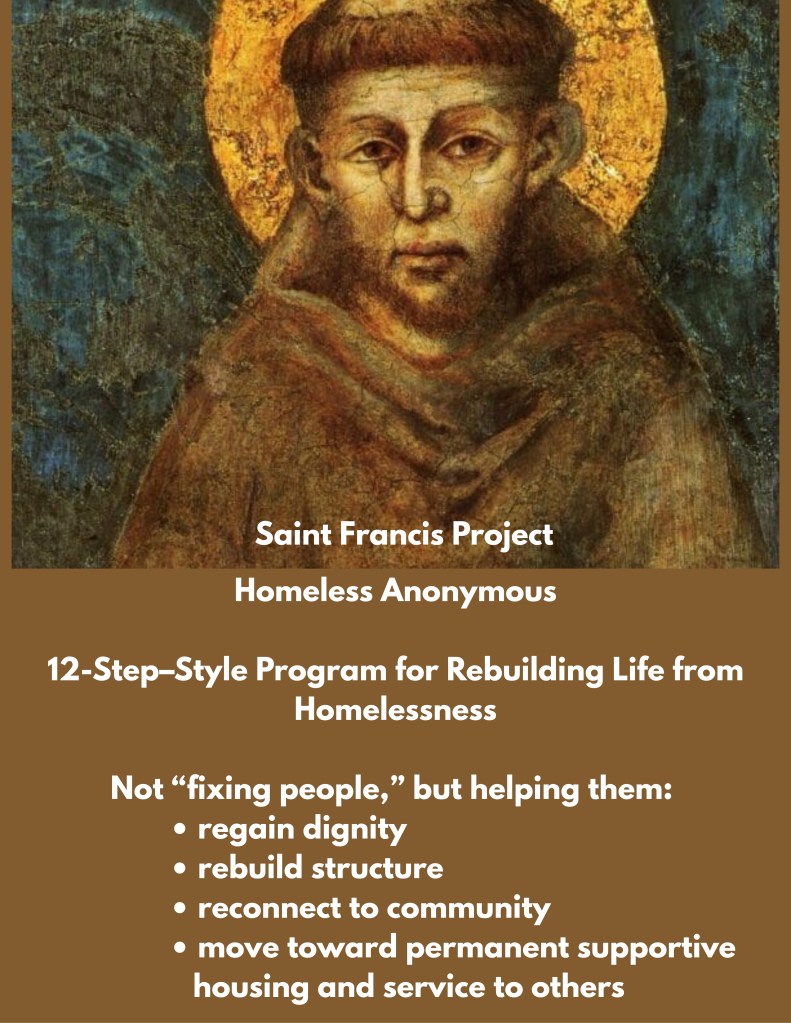
SAINT FRANCIS PROJECT – an initiative to develop permanent supportive housing.


 BD Newsletter