-
By Brad Durham
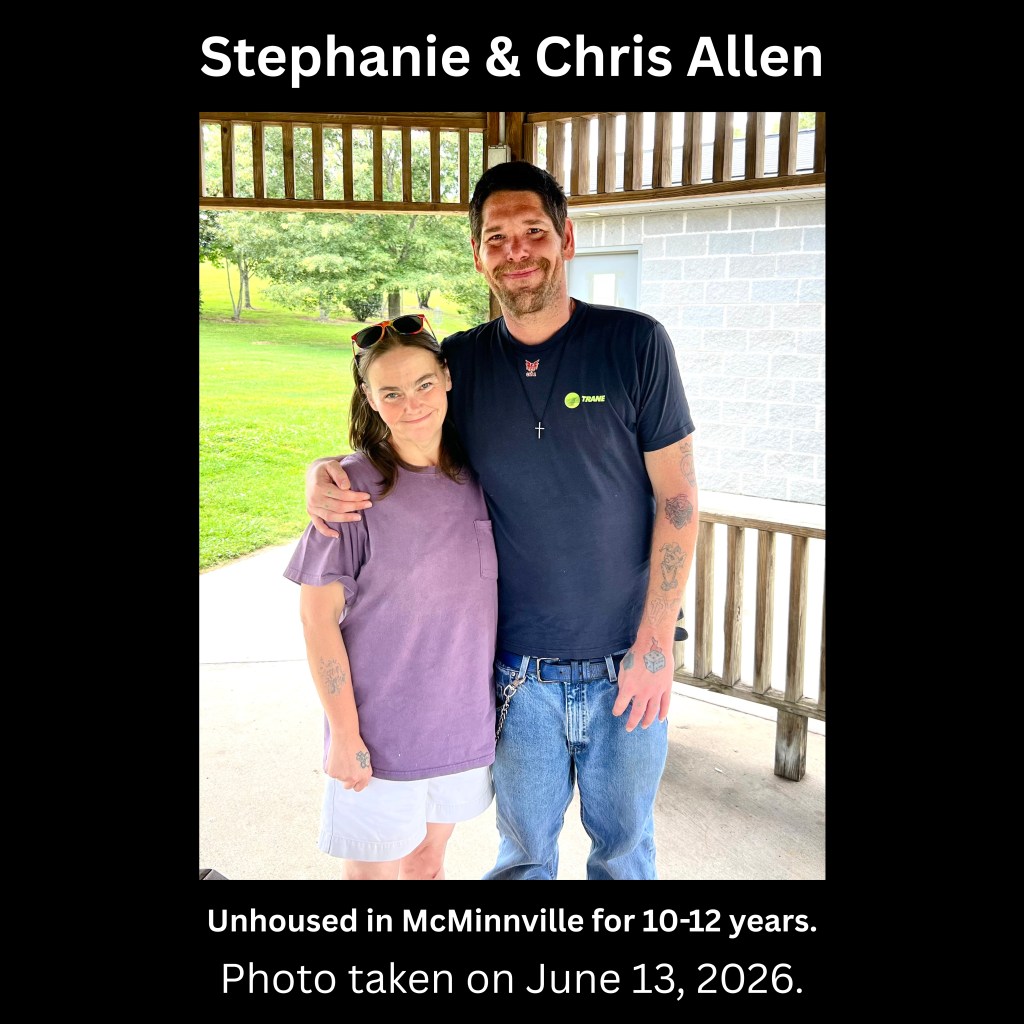
When I first met Chris and Stephanie, they were living in a tent and now they live under a bridge — places that, for the last decade or more, has been their address. For 10–12 years they have slept in tents and under bridges. There is no emergency housing available to them now, and without a rental subsidy, permanent housing is simply out of reach.
Chris called me on Monday, June 8, asking for help to move he and Stephanie into an apartment. Over several decades, I’ve learned how to search for housing for people who are unhoused. The tool that actually gets people inside doors is a rental subsidy paired with supportive services. That’s why I’m writing: to explain why funding a rental subsidy for Chris and Stephanie is the most effective way to help them.
Earlier this year I helped organize a free screening of the documentary Beyond The Bridge at the Park Theater. The film shows how permanent supportive housing works — an evidence-based model that provides stable homes plus services tailored to tenants’ needs. After the screening, a Town Hall meeting launched a roundtable to plan how we might use this model in our community. Chris and Stephanie are exactly the kind of neighbors this evidence-based solution will help.
Together, Chris and Stephanie receive $1,788 a month in SSI. I am currently negotiating an apartment for $875 per month plus utilities. To bridge the gap we need a rental subsidy of $6,000 for one year ($500 per month). I am raising $10,000 total so we can also fund professional training for the supportive-services team and cover additional apartment expenses.
Any donation helps. If 400 people give $25, we will reach the $10,000 goal and give Chris and Stephanie a real chance at a safe, stable home. Thank you for considering a gift that will change lives.
LINK TO MAKE A DONATION:

This is how an apartment will change Chris and Stephanie’s life:
- They will have a place to use the bathroom.
- They will have a kitchen to store and prepare food.
- They will have a bed to sleep on.
- They will not get wet when it rains or snows.
- They will not overheat and exhaust themselves when it is hot outside.
- They will not freeze when the temperature is cold outside.
- They will not wake up every day wondering where they will stay that night.
- They will have weekly visits in their apartment to help them manage their food, budget, healthcare, etc.
Dr. Sam Tsemberis is a pioneering figure in the development of permanent supportive housing, championing the Housing First approach as a superior alternative to traditional emergency and transitional housing. His innovative model is grounded in the belief that housing is essential for individuals experiencing homelessness. Below, Dr. Tsemberis and his Pathways Housing First Institute core principles are highlighted. The initiative to support Chris and Stephanie moving into permanent supportive housing is firmly rooted in his successful model.
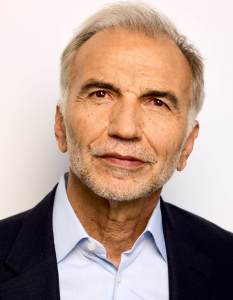
Dr. Sam Tsemeberis, founder of the Pathways Housing First Institute.
Having a safe place to live creates the conditions for recovery, and people thrive when they are met with respect and trusted to make their own decisions.
The Five Principles
(From the Pathways Housing First Institute website.)
Consumer Choice
Choice in housing and services emphasis self-determination.
Separation of Housing and Treatment
Immediate access to housing without treatment or sobriety as prerequisites.
Provide Services to Match Needs
Program provides or coordinates services.
Recover Oriented Service Philosophy
Ongoing, positive, hopeful, Affirming support.
Social Community Integration
Supporting a life in the community like everyone else.
The Pathways Housing First model has been implemented in over 100 cities across 20 countries, supporting more than 100,000 individuals worldwide and demonstrating an 88% housing retention rate across programs.
Milwaukee was featured in Beyond The Bridge…a good example of permanent supportive housing.
Before adopting the Housing First model, Milwaukee recorded 327 people experiencing homelessness during their annual Point-in-time (PIT) count. After 3 years their PIT count was just 17, the lowest for a city that size in the United States.
Link: https://www.pathwayshousingfirst.org
SAINT FRANCIS PROJECT – an initiative to develop permanent supportive housing.
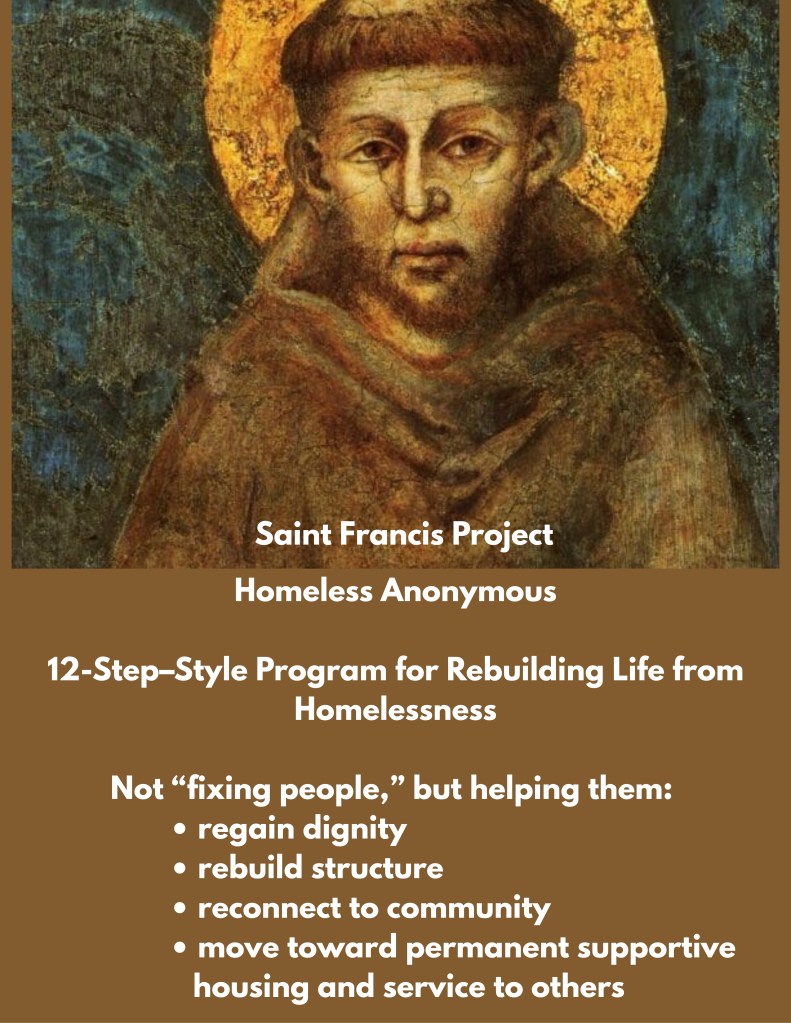
Every community we filmed that solved this had to decide first that people like Chris and Stephanie deserved a clean slate, not a judgment. McMinnville can make that same decision today.
Tim and Don
A Bigger Vision Films
-
By Brad Durham
Attorney Michael D. Galligan has filed a lawsuit on behalf of Sable Winfree, a senior student at Warren County High School. The suit is against the Warren County Schools District, Mendy Stotts, Chris Hobbs and Dr. Grant Swallows. The lawsuit was filed in the United States District Court, Eastern District of Tennessee at Winchester on Thursday, April 18, 2024.
The lawsuit requests a judgement against the defendants Warren County School District, Mendy Stotts, Chris Hobbs and Dr. Grant Swallows in a sum not to exceed $750,000. The lawsuit is in federal court and requests a trial by jury.
The facts of the suit state that Sable Winfree was denied her rights under the Fifth and Fourteenth Amendments of the United States Constitution. Specifically, the Fifth Amendment protects against the taking of property by the government without compensation. The lawsuit claims that the defendants took Winfree’s rights to a basketball scholarship and future education.
The argument for the application of the Fourteenth Amendment indicates that as a citizen of the United States, Winfree was denied her property without due process of law. Moreover, the suit claims that Winfree’s facts were not allowed to be heard.
The facts of the lawsuit focus on the dismissal of Sable Winfree from the high school Lady Pioneer basketball team. Winfree had been Freshman of the Year and All-District her sophomore and junior years. The heart of the legal case is an accusation by Mendy Stotts, then the head girls basketball coach, claiming that Sable Winfree used the f-word in conversation with the coach during practice on November 15, 2023. Winfree denies this is true and states that she has witnesses of the fact.
Before Winfree was dismissed from the team, she had been offered a full scholarship to Trevecca Nazarene University. Two weeks after Winfree was dismissed from the team, the coaching staff of Trevecca contacted Winfree and informed her that the scholarship was being rescinded.
Other damages delineated in the lawsuit claim that Winfree has suffered more than the loss of a scholarship and potential future scholarship offers. The suit states that Stotts’ false statements also led to harm of Winfree’s reputation in the community, as well as subsequent embarrassment and humiliation.
Not mentioned in the lawsuit but relevant to people of faith and germane to Stotts’ accusations against Sable Winfree is the Ninth Commandment. “You shall not give false evidence against your neighbor.” (Exodus 20:16, The New Jerusalem Bible.)
After filing the lawsuit and the defendants were notified that a lawsuit had been filed against them, Michael Galligan made a statement. Galligan said, “I wish the goal was to put the student’s rights and well-being over all other considerations.”
Dr. Grant Swallows, Chris Hobbs and Mendy Stotts were contacted for comments regarding the lawsuit. Dr. Grant Swallows stated via email: “Warren County Schools received the information regarding a lawsuit. We have not had the time to review as of yet and furthermore our policy prevents us from commenting about pending litigation.”


Attorney Michael D. Galligan reviewing the lawsuit he filed on behalf of Sable Winfree in his offices. Ironically, Galligan previously served as the Warren County Schools attorney several years ago.
The lawsuit can be downloaded and viewed here:
Previous articles related to the dismissal of Sable Winfree from the WCHS Lady Pioneer basketball team:
-

Professor and author Marybeth Shinn in her office at Vanderbilt University. Feb. 29, 2024.
By Brad Durham
On Thursday afternoon, February 29, I visited with Beth Shinn in her office at Vanderbilt University. Near the end of our conversation, she said something that stood out, “Homelessness is the worst manifestation of income and racial inequality in our country.” Shinn’s statement clearly illustrates the challenges facing the homeless population.
The following are excerpts from my interview with the professor and author of IN THE MIDST OF PLENTY – HOMELESSNESS AND WHAT TO DO ABOUT IT. I highly recommend purchasing the book and reading it. There is a wealth of research and positive solutions for ending homelessness in Shinn’s book.
Brad Durham: Please describe your background and position at Vanderbilt University.
Beth Shinn: I am a professor at Vanderbilt, and I have been studying how to prevent and end homelessness for over 30 years.
Brad Durham: Would you say that you have a passion for researching that and looking at solutions for homelessness?
Beth Shinn: That is my central focus.
Brad Durham: What made homelessness your central focus?
Beth Shinn: When homelessness started going out of skid rows and onto the streets, I was a young mother in New York. My kids would say, “Why is that person living there, why is somebody sleeping there? It is pretty hard these days to recapture the shock that we had at first seeing this in the mid-1980s.
Brad Durham: When did you start at Vanderbilt?
Beth Shinn: 16 years ago.
Brad Durham: In your 30 years of research, what have you found to be the best approach to solving homelessness?
Beth Shinn: We have a lot of evidence, and it is different for different folks. For families, a large-scale experiment that I was involved with, The Family Option Study, randomized nearly 2,300 families to housing intervention services. What we learned was that giving families access to housing vouchers that held their housing cost to 30% of their income not only ended homelessness, but also has radiating benefits for other aspects of family life.
Access to the vouchers reduced psychological distress and substance abuse, it reduced domestic violence, food insecurity… Some of the things that can cause homelessness were reduced simply by making housing affordable. Kids school attendance improved; their behaviors improved. We are in the field now with a 13-year follow-up to that study to see how long the affects lasted. How did being a kid in one of those families that had access to housing vouchers change the trajectories into adulthood? In another year or so, we will know the answer to that.
For folks with serious mental illness and substance-abuse problems, the approach that is evidenced-based and seems to work best is the original Housing First approach to supportive housing. People get housing with private landlords directly from the street without any prerequisites, and services under their control. The wraparound services are the ones that the people choose. Wraparound services include mental health services, substance-abuse services, but also vocational services for people who ask for job help, educational services, recreational services to help people build community. That approach has been shown in experimental studies to work much better than approaches that require people to be clean and sober before coming indoors.
There are some advantages to scattered-site housing with private landlords as opposed to putting people with problems all in the same buildings. Being in the same building is more convenient for the service providers, but not necessarily for the environment that people are trying to manage.
We also know something about the prevention of homelessness. The biggest issue there is identifying the people who are at-risk. The most common program is eviction-prevention. But most people who are evicted, do not become homeless.
One study in Chicago looked at people who called up the eviction hotline and qualified for the program. They compared people who called at times when there was money and when there was not money. What they found out was that when people called up when there was money, about half a percent became homeless in the next six months. When people called up and there was no money available, less than 2% of the people became homeless over the next six months. So the eviction help reduced homelessness, but 98% of the people who called up even when there was no help did not become homeless.
Eviction prevention helps, but that is not where most people who are experiencing homelessness are coming from. People who have a place from which they can be evicted are better off in terms of housing than folks who don’t.
Resources are the problem. We have shown that with resources, we can end homelessness. The country has cut homelessness for military veterans in half since 2010. That happened because we put in the resources. There was supportive housing for veteran families and other programs. There was preventive screening for veterans who came into veteran health services. They were asked questions about current homelessness, worries about insecurities about the future…
I don’t believe anyone should be homeless. We can fix it if we wanted to, but fixing it involves both getting people who are currently homeless out of that state and stopping generating more. At this point we are pitching people into homelessness faster than we are getting them out. Homelessness is rising.
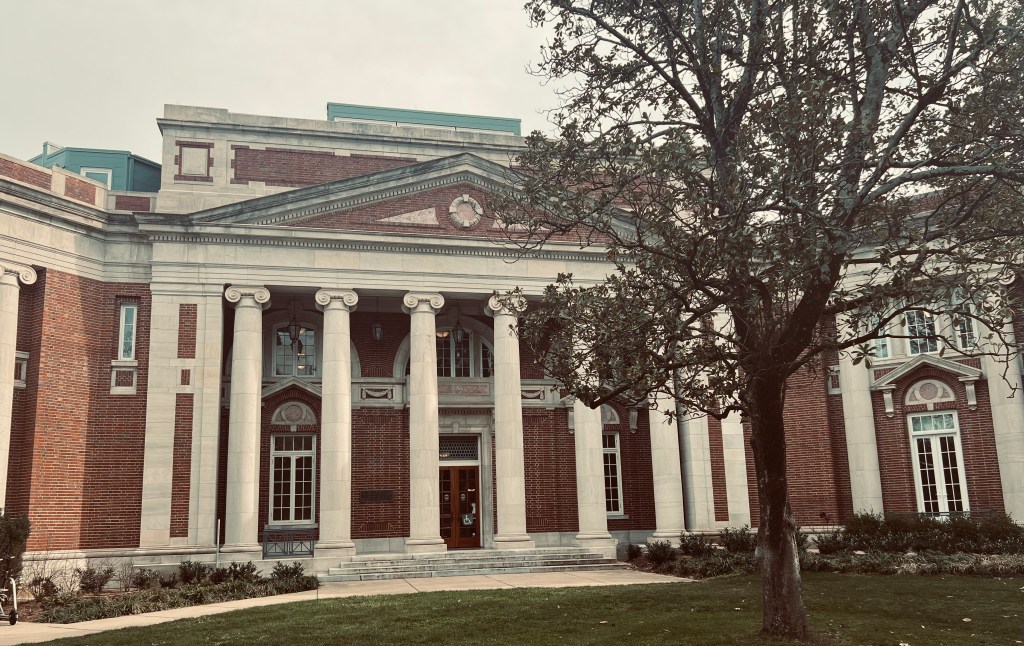
Mayborn Building, Vanderbilt University…location of Professor Shinn’s office. Brad Durham: How do you change the public will so that the public cannot stomach having homeless individuals living on the street and in tents? There is a tent city area right outside downtown Nashville, not too far from us right now.
Beth Shinn: That is a good question. In this part of the country, one could appeal to moral values and religious tenets, “love thy neighbor.” If I could answer your question, I would be shouting it from the rooftops.
There is a lack of affordable housing. Nationwide, we have the highest level of “worst case of housing needs” since we started tracking these things. Worst case housing needs are people who are below 50% of the median income and are paying more than 50% of their income toward housing or living in seriously deficient housing. At this point nationally, we have 8.5 million renters who fall into that category as of 2021, which is the most recent report. That is the highest number we have ever had.
Those are people who are really strapped…people who are living below 50% of area median income and are paying more than 50% of their income for rent, which does not leave much room for paying anything else.
Brad Durham: How would you define homelessness?
Beth Shinn: There are two basic definitions of homelessness. There is what the Housing and Urban Development (HUD) uses, which sometimes is called literal homelessness. Someone who is sleeping outdoors or a place where people are not intended to sleep such as a bus station or in a shelter or other homeless serving programs.
There is a broader definition that the Department of Education uses that includes additional folks: the largest group is people who are doubled up in other households because they cannot afford a place of their own. There are some additional groups such as folks staying temporarily in hotels.
Those are the two big definitions. We try to count the people who are homeless according to the HUD definition in January. That number is going up. We try to count the number of people in schools who fit the Department of Education definition. That doesn’t count anyone who is below school age. In Nashville, that number is looking worse as well.
About a third of the people who experience homelessness are a part of families. The age that you are most likely to be in a homeless shelter in the United States is infancy.
Brad Durham: The Finnish model in your book is encouraging and inspiring. They eliminated homelessness.
Beth Shinn: We are wealthier than Finland. We could choose to do it. It’s a choice.
Brad Durham: Do we have the federal and state money to do it in Tennessee?
Beth Shinn: There is money through HUD, and the housing choice voucher program is something that needs to be expanded. The other thing the Feds do is the Low Income Housing Tax Credit, and that helps developers create more affordable housing. Even with that tax credit, developers cannot develop and maintain housing that poor people can afford. LIHTC helps developers provide housing to people who are at about 80% of median income. Getting that down to 30% of area median income is really tough, and that is where the need is.
If you look at the people who are experiencing homelessness, they are around 15% of area median income. Disability benefits are too low to afford a studio apartment anywhere.
State and local funds can help, but regulations are part of what is causing homelessness. In Nashville, we have down-zoned the number of units that are permitted. In 1950, you could have built a duplex or triplex in a place where now only single-family homes are permitted. We need to allow for greater density. We need housing on transportation corridors. Some people like to say that it is the housing and transportation cost that we should be looking at together. It doesn’t really help if you can get housing way out (from work) because it increases the transportation cost of commuting to work.
Zoning requirements for parking are another thing that makes housing more expensive to build. Nashville is removing zoning requirements for parking downtown. There is a tradeoff between having more parking spaces or more housing units.
The Tennessee state legislature has tied our hands to incentivize developers to build affordable housing. You can’t say in Tennessee that we will give you a zoning variance to build more units if 10% of them are more affordable. The legislature has nixed that from happening.
State and local funding can help, but state and local regulations hurts. We need changes to state and local regulations to make it more possible to build affordable housing.
Brad Durham: Are you optimistic in what you are seeing in your research, or are you pessimistic about the numbers you are seeing in respect to solving homelessness?
Beth Shinn: What leaves me optimistic is that we generally know what to do. It is really at this point a question of resources. We have shown that we know how to end homelessness with families. We have shown how to end homelessness for people with serious mental illness and substance abuse disorders. We have shown how to end homelessness for veterans. It is matter of resources and political will.
It is not a matter of the poor are always going to be with us and we don’t know what to do, so we should just bury our heads in the sand. We have a lot of knowledge. We know something about prevention. We could know more there. We know something about what is generating homelessness. There is a GAO report that indicates that for every $100 increase in rent in a city (technically a continuum of care) there is a 9% increase in homelessness.
We need to build things that are not all mansions. We need to build smaller homes, what used to be called starter homes. Not everyone needs three bedrooms and 2.5 bathrooms and a white picket fence. We need to offer more kinds of housing to people.
-
By Brad Durham
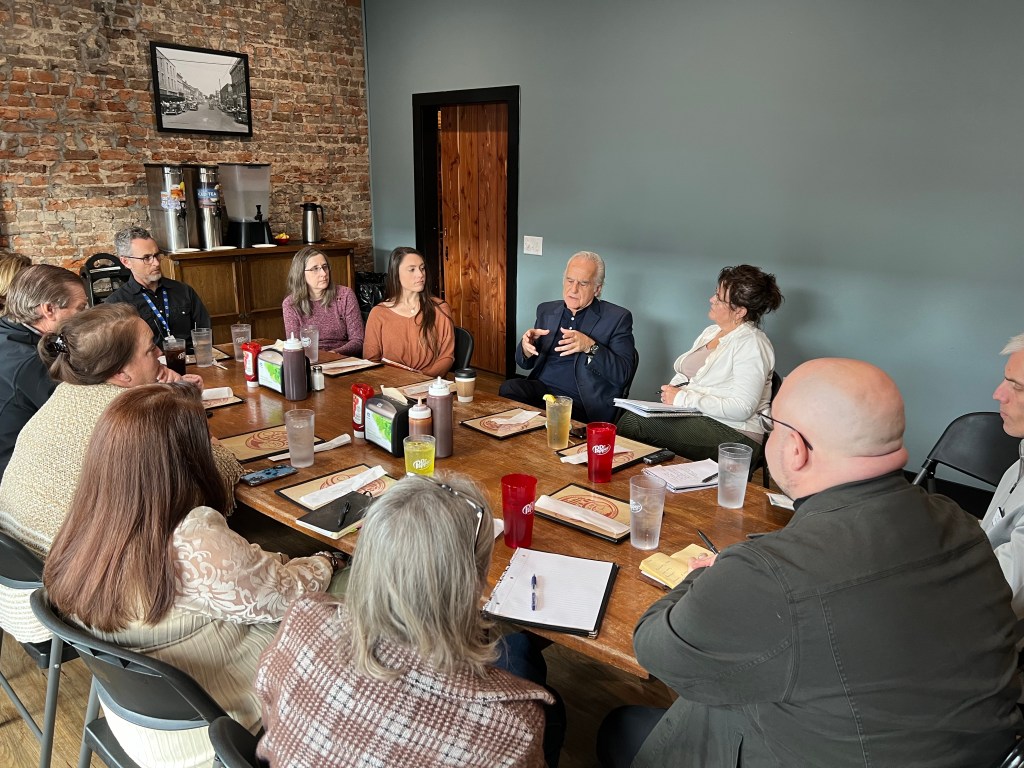
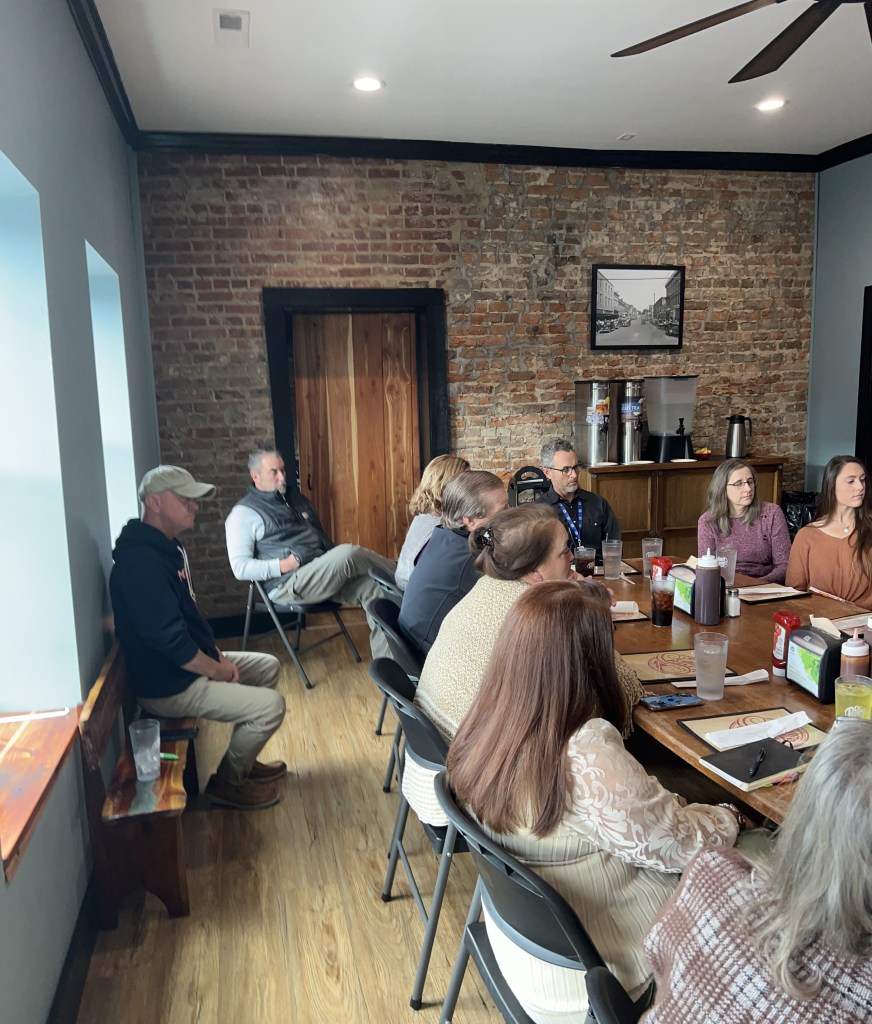
For a list of who attended the meeting, go to the end of this letter.
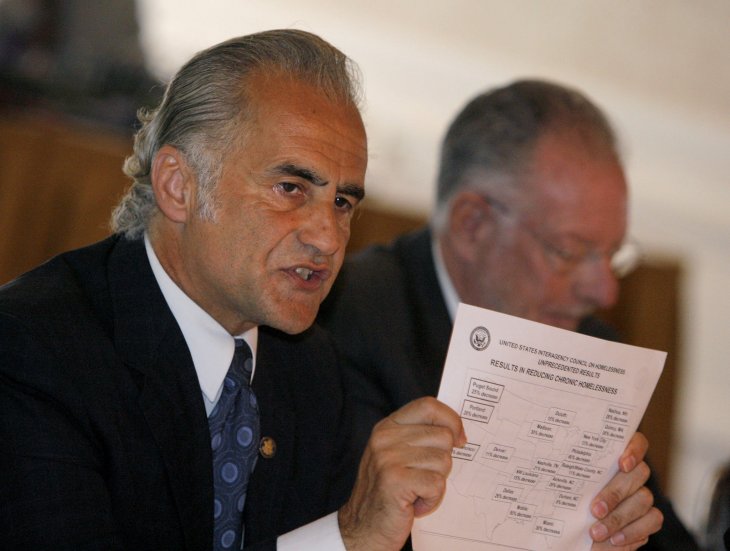
On Friday morning, January 26, a group of 14 McMinnvillians gathered for a presentation by Philip F. Mangano. Mr. Mangano served as President George W. Bush’s Executive Director of the White House’s U.S. Interagency Council on Homelessness. Brad Durham, who worked with Mr. Mangano in Cambridge, Massachusetts placing homeless families into permanent housing, invited Mangano to McMinnville.
HOUSING FIRST SOLUTION
The heart of Mangano’s presentation was housing first, a concept to end homelessness, not to provide endless services. Mangano stressed that data clearly supports the housing first policy.
COST-EFFECTIVE SOLUTION FOR CITIES
It is cost-effective to place a homeless person or family in permanent housing versus a shelter or transitional housing. Mangano said, “Mayors know the cost involved related to caring for a homeless person. A homeless person incurs expenses that a community pays for such as health care, mental health, police, court costs, addiction, etc.” Mangano stated that a city spends between $25,000 to $138,000 a year in services for a homeless person.
STABLIZES A HOMELESS PERSON
A permanent home is the most cost-effective solution to homelessness because it stabilizes the homeless person. When a homeless person is safe and secure in a home, the health care, mental care, and other services are more easily identified and effective. The services follow the homeless person into a home.
WHAT EVERY HOMELESS PERSON WANTS
Mangano emphasized that there is one thing every homeless person says that he or she wants — when asked — is a place to live, a home. Although the housing first solution appears to be self-evident, Mangano stated that homeless advocates often act out of genuine compassion by providing transitional housing and services that create a perpetual cycle of services that sadly do not end homelessness.
Another major desire homeless people ask for is a job. Mangano said, “Homelessness results in an unraveling of social capital – the loss of friends and family.” Clearly, when an individual or family is homeless, that person or family have busted through every possible safety net and hit the street. A homeless person is completely alone…lonely. A homeless person intuitively knows that a job will provide friends — the social capital everyone needs.
Philip Mangano suggested a book by Robert Putnam to better understand how the social fabric has diminished in America’s recent history. That book is Robert Putnam’s BOWLING ALONE: The Collapse and Revival of American Community. The book was developed from Putnam’s essay entitled, “Bowling Alone: America’s Declining Social Capital.”
A COMMON FRUSTRATION AND PERCEPTION
Several members of Friday’s gathering stated that there is no affordable housing in McMinnville. Mangano replied, “Homeless advocates in every city say that. That is a common perception. The response requires innovative thinking and a commitment to housing first principles.”
THREE BOOK RECOMMENDATIONS
Philip Mangano worked with three researchers and authors who have worked with executives in the corporate world to find solutions to business problems. These authors helped research and provide the framework for successful housing first models and policies.
Malcom Gladwell, THE TIPPING POINT
Jim Collins, GOOD TO GREAT
Clayton Christensen, THE INNOVATOR’S DILEMMA
Using Gladwell’s book and homeless research as a resource, Mangano said, “Investing resources into the most challenging and difficult parts of homelessness from an economic perspective leads to a decline in homelessness.” Conversely, providing compassionate emergency services without a housing first policy does not effectively create a decline in homelessness.
Mangano’s alluded to examples of creative solutions involving converting motels into housing that have services onsite. He also mentioned manufactured housing as a cost-effective solution for a homeless person or family.
Clayton Christensen’s book, THE INNOVATORS DILEMMA offered examples of how businesses seeking to move to the next step often failed when using the solutions suggested by the sales force. On the other hand, businesses seeking to move to the next step often succeeded when their researched focused on the consumers and solutions they wanted.
SUMMATION
The general thesis of Mangano’s presentation was that research and data from across the country, in large and small cities, clearly shows that housing first is the best solution to homelessness. Creative innovations to decrease homelessness have often come from unsuspected sources such as private industry and listening to the homeless population. The solution that works best for everyone is housing a homeless person or family — not long-term emergency services that allow the homeless to perpetually experience trauma and instability.
PEOPLE ATTENDING THE MEETING
Carrie Baker, UCHRA Director
Terry Bell, County Executive
Courtney Breedlove, Program Director, Families in Crisis
Brad Durham, Private Citizen
Sheila Fann, Connie Fox, Co-Directors of HOME
Beth Gallagher, Private Citizen
Jimmy Haley, former Mayor and County Executive
Steve Harvey, City Alderman
Ryan Heatherly, Senior Pastor, First United Methodist Church
Rayah Kirby, Realtor
Philip Mangao, President & CEO American Roundtable to Abolish Homelessness
Nolan Ming, McMinnville City Administrator
Rev. Charles McClain, Priest, St. Matthew’s Episcopal Church
Kristy Stubblefield, Executive Director, Families in Crisis
Pam Vaughn, Executive Director, McMinnville Housing Authority
POSTSCRIPT
As the meeting came to close, members expressed the desire to work together and collaborate, to meet again in three weeks. It is hoped that the meeting will lead to some type of homeless alliance in McMinnville.
-
By Brad Durham


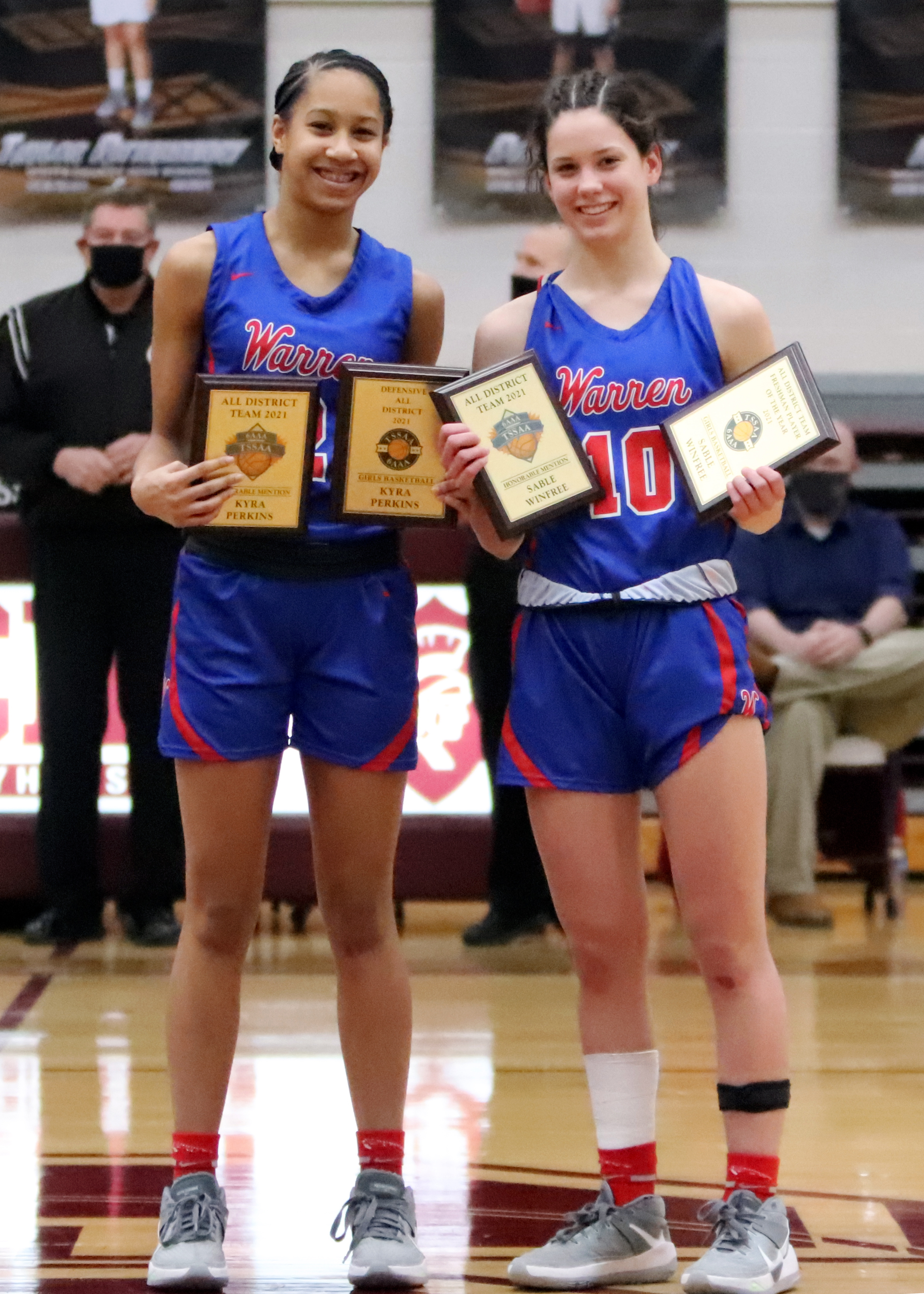

SABLE WINFREE, NO. 10 The sad truth is that if people in administrative positions at Warren County High School and the central office had performed their jobs properly, Sable Winfree would still be on the WCHS Lady Pioneer basketball team. The purpose of educational athletics (high school sports) is to use teamwork that contributes to a common goal. Ideally, coaches use sports to transform lives.
Joe Ehermann is an author and former professional football player. He has been a high school coach, and has spoken about the power of being a positive coach versus a negative, transactional coach who only focuses on his/her own agenda. The TSSAA worked with Ehrmann in conjunction with a grant from the NFL for approximately three years. His book, InSideOut COACHING has been used to inspire coaches. Ehermann described a coach in the book:
An InSideOut coach resists the transactional impulse and asserts that the right way, indeed the only way, to coach young people is to seek to transform their sense of their own worth, talents and value.

What could have been an educational and transformative experience for Sable Winfree became an unnecessary tragedy.
Cannot Write Everything That I Have Heard
There are many things that I have learned about Mendy Stotts and certain members of the administration that I have not reported in this newsletter. Some people do not want to go on the record because they do not want to deal with the complexities of being confrontational. Some people are afraid of retaliation by the head coach and members of the administration. Consequently, I cannot write everything I believe to be true involving the dismissal of Sable Winfree from the Warren County High School Lady Pioneer basketball team.
The First Administrative Mistake
Based on what I have been told and learned, the first mistake was not properly vetting Mendy Stotts before she was hired. The hiring process at the high school involves the head principal, Chris Hobbs making a recommendation to Dr. Grant Swallows, who actually makes the hire. Todd Willmore was the athletic director when Stotts was hired.
Two factors make me wonder why Mendy Stotts was hired. One is a rumor that keeps swirling around McMinnville that Stotts exhibited some strange behavior after being dismissed from Anthony Lippe’s staff in 2019. The other factor is the number of parents who have complained about how Stotts treated their daughters at the middle school. The present administration has to know that several of those complaints have been echoed by parents at the high school.
I have heard from a parent who took a daughter out of the Warren County School system after Stotts was named head coach at WCHS. I believe there are other parents who made changes after Stotts was named head coach. Several high school parents met with Stotts before the season started to express concerns about her behavior toward their daughters. Several parents have also met with WCHS administrators to express their concerns during the season.
As recently as last Monday, December 4, a principal went into the Lady Pioneers’ locker room after the loss to York. Allegedly, Stotts was screaming at players in the locker room. Stotts was not present afterwards for an interview that Jay Walker conducts on the radio.
Apparently, Mendy Stotts was not the first choice to become the new WCHS Lady Pioneer head coach this past spring. If that is true, maybe the administration believed that they had no other choice but to hire Stotts. How has that worked out for the Lady Pioneers?
Another Administrative Mistake
A clear sign of the administration’s attempt to bury and whitewash the dismissal of Sable Winfree from the team is the investigation of a formal complaint. Soon after Sable Winfree’s dismissal, her mother filed a complaint against Mendy Stotts with the new Human Resource Director for Warren County, Todd Willmore. Conducting a professional investigation for a novice HR Director must be challenging. The report, whether by design or from a lack of training and experience, is not credible.
For example, Mr. Willmore reported, “We were unable to find any derogatory statements made by coach Stotts about Sable…” Was Chris Hobbs questioned during the investigation? Mr. Hobbs clearly heard coach Stotts make “unsubstantiated” derogatory statements about Sable during the meeting in which Sable was dismissed from the team.
Trying to Control the Narrative
One school board member told a citizen to go complete a form and get on the December 4, school board agenda regarding Sable Winfree’s dismissal from the team. The citizen completed the form as suggested, and was kept off the agenda, allegedly by the Director of Schools.
The funny thing is that the day after the meeting, the Director of Schools, Dr. Grant Swallows called that citizen to discuss the dismissal of Sable Winfree. That citizen was in the school board meeting, but none of the school board members, the Director or school attorney chose to discuss the dismissal of Sable Winfree during the meeting. Yet, comments have been made outside of the board meeting.
Leaks from the Administration and Central Office Staff
Meanwhile, what keeps leaking out of the high school and central office are comments such as these, “We cannot comment on the reasons Sable Winfree was dismissed from the team. We are trying to protect her. Some parents are happy she is not on the team. If we mentioned what she has done, she would never play basketball again.” These statements are either false or half-truths to deflect from the real issue – the administration is trying to support Mendy Stotts’ strange decision to dismiss Sable from the team.
An Abundance of Disregard for Sable Winfree
Instead of working collectively to transform Sable Winfree’s sense of self-worth, talents and value, the people entrusted with the responsibility of mentoring Sable have trashed her reputation. The assault on Sable’s character is also an attempt to diminish her achievements as a high caliber basketball player. During the past three years, Sable was “Freshman of the Year” in the district and All-District her sophomore and junior years.
Mendy Stotts, Chris Hobbs, Todd Willmore and Dr. Grant Swallows all knew that Sable Winfree had been offered a college scholarship to play basketball. They also knew that Sable Winfree decided to stay at Warren County High School and not move to Sparta with her mother this summer. Everyone knew that Sable’s senior year was her year to play basketball and work to expand her college offers. Because of the mindless dismissal of Sable from the team, she has no college scholarships.
There are so many different ways the head coach could have handled her problems with Sable. Incredibly, Stotts is a school counselor at the high school. It is beyond comprehension that the coach, athletic directors, principals and Director of Schools could not have put all their brain power together to find a better solution for Sable Winfree and the Lady Pioneer basketball team, which is now 1-8.
Lack of Courage
Someone inside the Warren County School System should have had the courage to stand up for Sable Winfree. Principals, athletic directors, school board members, coaches and the Director of Schools may have good hearts and an authentic desire to help students. Nonetheless, when the time came to stand up for Sable Winfree, they became deaf, dumb and blind. They failed her.
-
By Brad Durham
I started the BD NEWSLETTER to try and stay connected to McMinnville. When I went away to high school, college and lived in Los Angeles and Boston, McMinnville was always my hometown. Writing about sports for the local newspaper for two years during COVID (2020-2021) helped me see another side of our small town. Covering high school sports is where I met Sable Winfree and some members of her family.
Sable Winfree stood out as a freshman basketball player the same year that C.J. Taylor stood out during his senior year in football and basketball. It was fun to watch them play sports and write about them. I wrote a profile on the Winfree family playing basketball in January of 2021 (ARTICLE). I have written about Sable a few times in my newsletter.
On November 17, Sable was dismissed from the WCHS Lady Pioneer basketball team. My response was to call for an investigation and suspension of the head coach.
What has made the past few weeks challenging are some of the statements people have made to me. People have told me that writing about Sable is “none of my business,” “Dangerous.” “I am spreading venom and don’t know the whole story.” “Kids think you are a creeper.” “If the truth comes out, Sable will never play basketball again.” “You are going to destroy her future.”
I do not believe that I am in danger, spreading venom, or destroying Sable Winfree’s basketball career. Could I have been persistent and obnoxious in my attempts to get interviews with students and coaches? Yes. But any other “creepy” innuendos, appear to tarnish and distract from my work. I have worked with high school coaches and students for the past 24 years in my fundraising business. My reputation with coaches and students is important to me.
The last time I was on a school campus in McMinnville covering local sports was two years ago. Therefore, I am not sure why those “creeper” comments have recently been circulated.
Oh, wait a minute. I questioned the decision-making of the high school administration and central office of the Warren County school system. Maybe that is why certain people are repeating those things about me now. I am flawed and imperfect. Sable Winfree deserves a better advocate, and I am confident there are many good people who are supporting her. This is something I chose to write about because I believe Sable has been treated unjustly without mercy.
I am doing my best to write about what I know. I refuse to be motivated by fear or to be intimidated. I cannot control the outcome or what people say about me, but I wish I could control what people are saying about Sable.
Members of the administration and central office have made innuendos and comments about Sable Winfree. Sable is off the team, but she did not commit any crime. There was not a good reason to dismiss the best player from the team. I believe that I know the entire story, and none of it makes any sense.
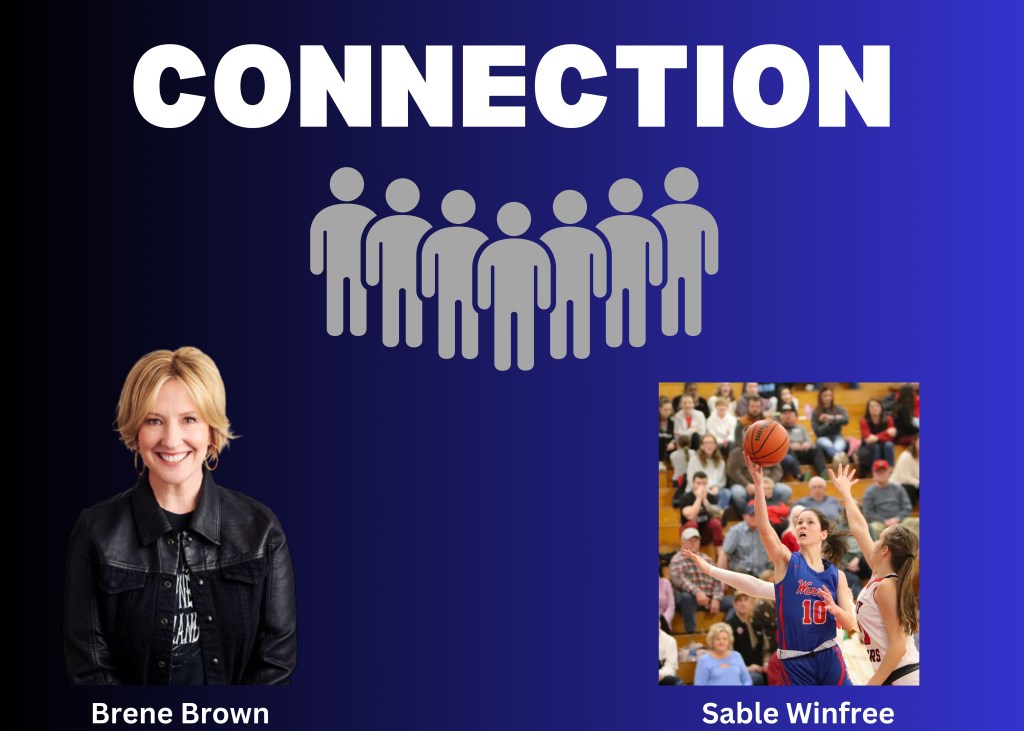
The past few weeks have made me reflect and go to my major influences. One major belief is that connection is very important. Brene Brown helped me understand this concept when I first watched her TED talk, and then in her books that I read. Her TED talk is worth 20 minutes of your time.
Brene Brown says that connection is why we are here. We are neurobiologically wired for connection. She says vulnerability is the gateway to connection. She says shame is the fear of disconnection – if other people know or see the real me, then I will not be worthy of connection. Shame unravels connection.
Sable was told that she was not good enough to be on the team. She was made to feel shame, to be disconnected. No one in authority has helped keep Sable on the team, which is something that gave Sable a connection, a sense of worthiness.
I will never understand why no one interceded on Sable’s behalf before November 17, and offered her alternatives to staying on the team. That is why I am writing about something that may not be my business. Writing about it in my newsletter may cost me some local business, but that is a small price to pay when one considers what Jesus said about helping someone.
John 15:13 “Greater love hath no man than this, that a man lay down his life for his friends.”
-
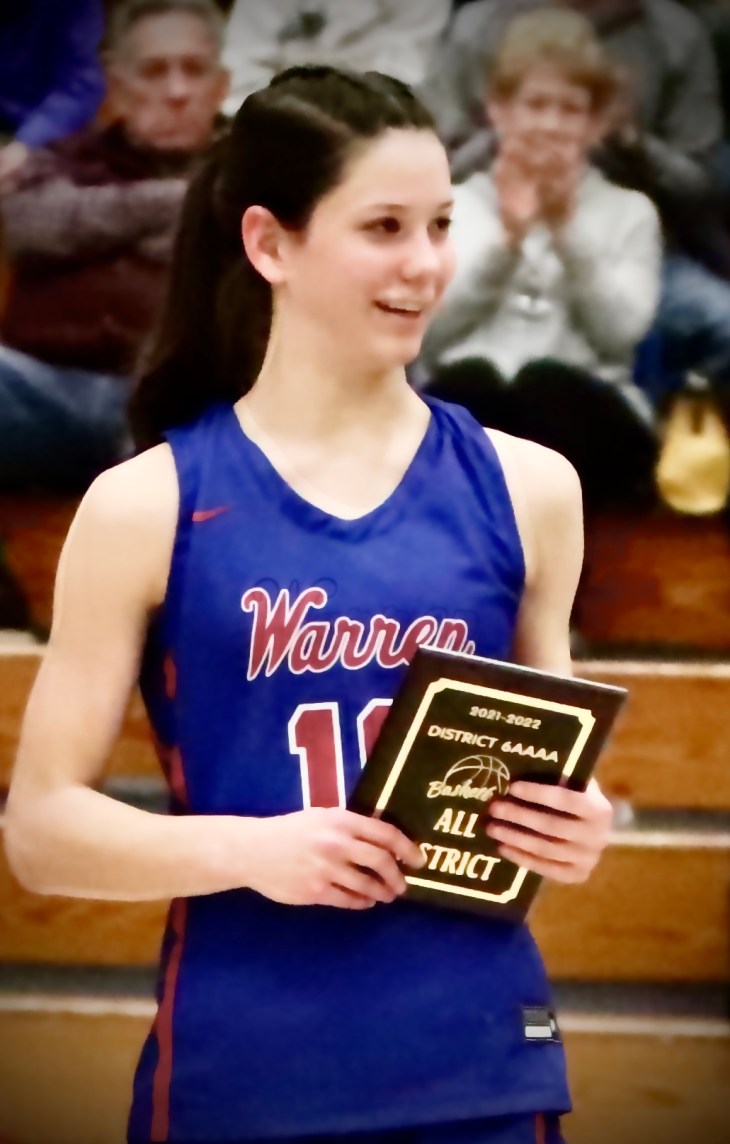
PREFACE: A head coach has the authority to dismiss a player from a team. Too many parts of what happened to Sable Winfree do not make sense. Shouldn’t Warren County citizens ask questions?
I am asking each board member (via email) to follow the Roberts Rules of Order and make a motion to learn why Sable Winfree has been dismissed from the team during her senior year after being a starter on the high school team since her freshman year. Sable Winfree had played on Warren County School System’s teams since the fourth grade and had never been dismissed from a team until recently. Furthermore, why did the head coach play Sable in the fourth quarter of the first game after Sable was suspended by a principal on the day of the game? Was Sable put into the game to burn her high school eligibility and prevent Sable from playing at another TSSAA school?
Roberts Rules of Order:
1. Motion: To introduce a new piece of business or propose a decision or action, a motion must be made by a group member (“I move that……”) A second motion must then also be made (raise your hand and say, “I second it.”) After limited discussion the group then votes on the motion. A majority vote is required for the motion to pass (or quorum as specified in your bylaws.)
Please support Sable Winfree and ask a school board member to make a motion as new business — to learn why Sable Winfree was dismissed from the team — and put into a game on the same day Sable was suspended by a principal at Warren County High School. If you know a school board member personally, please ask him/her to make the motion.
These are the Warren County School Board Members:
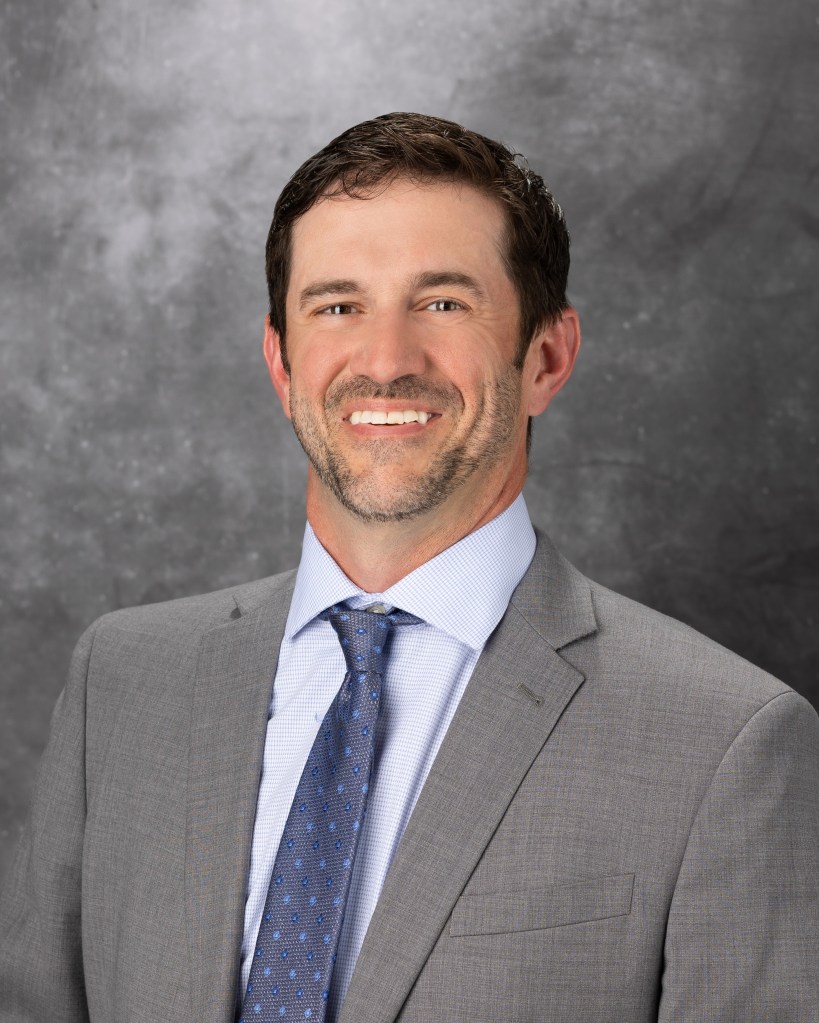
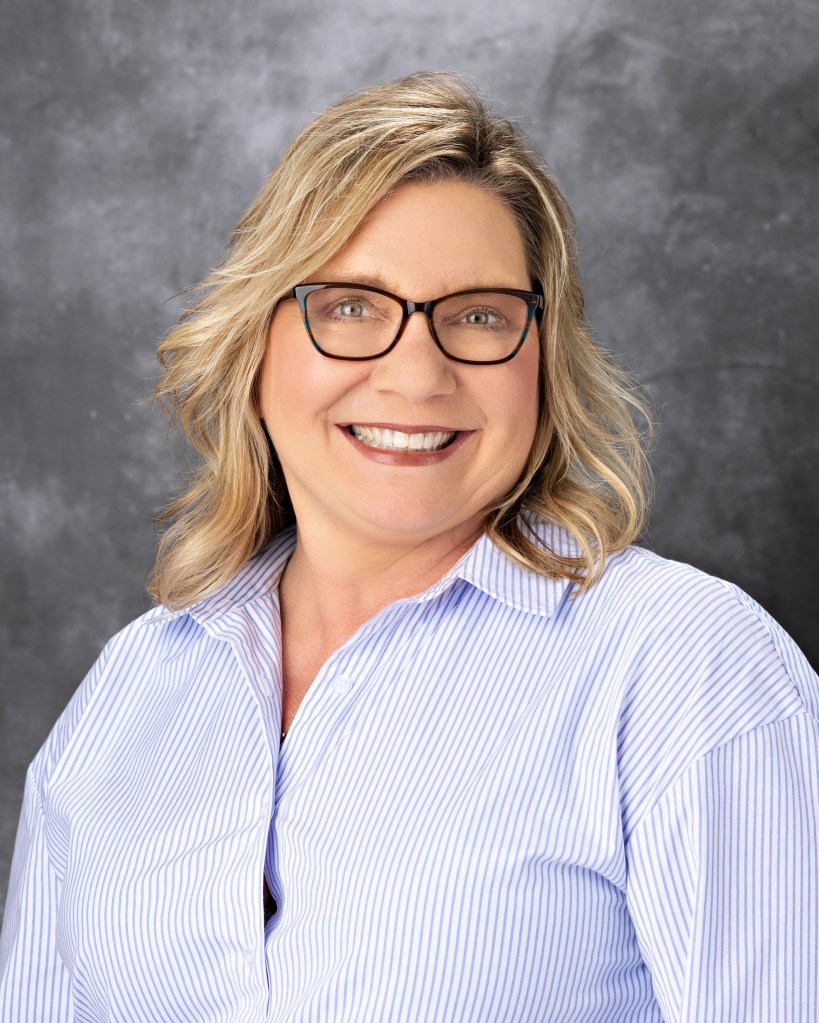
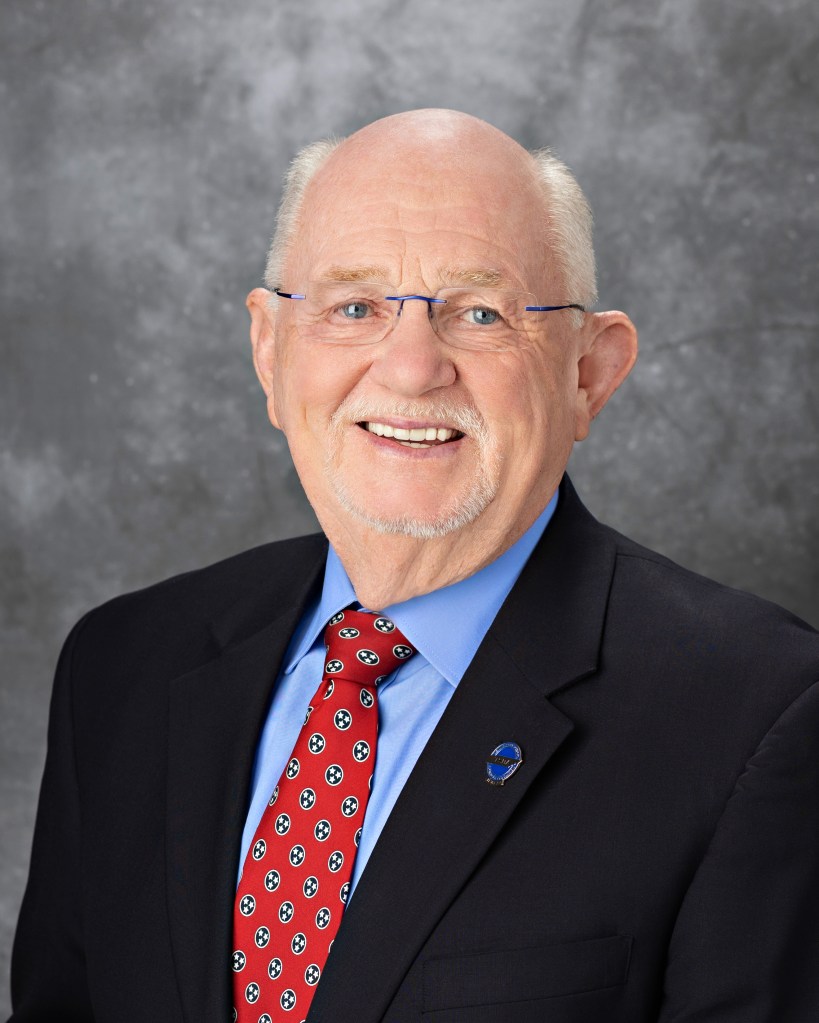
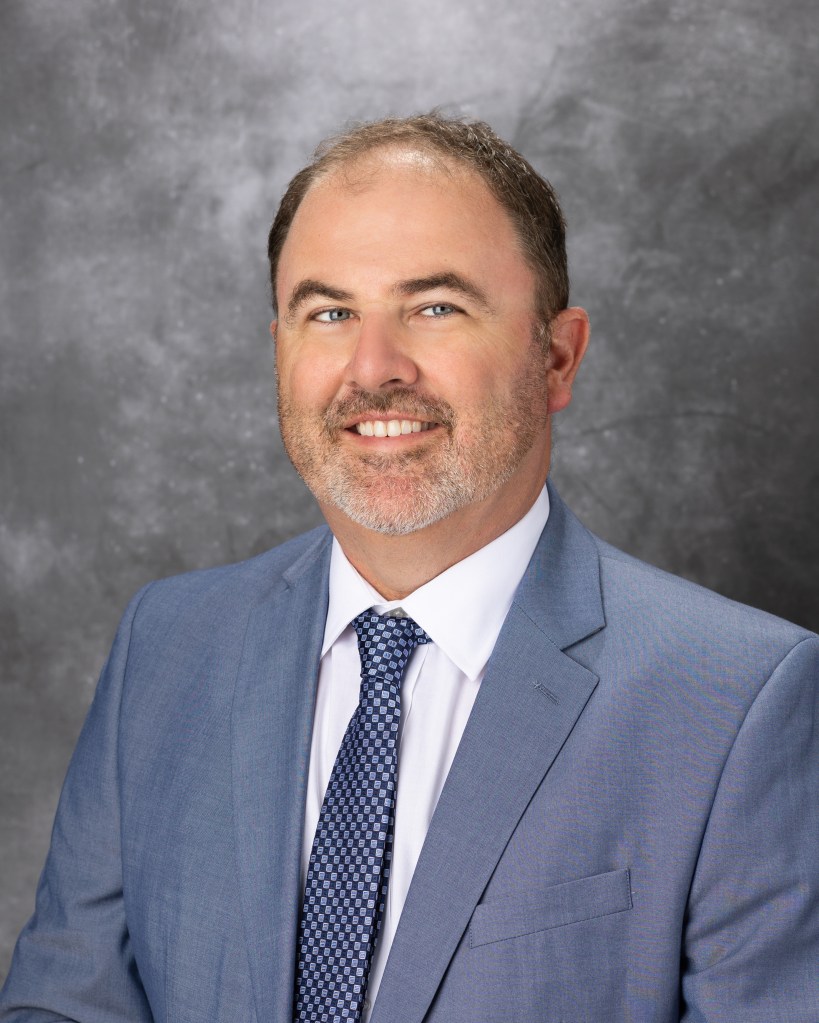

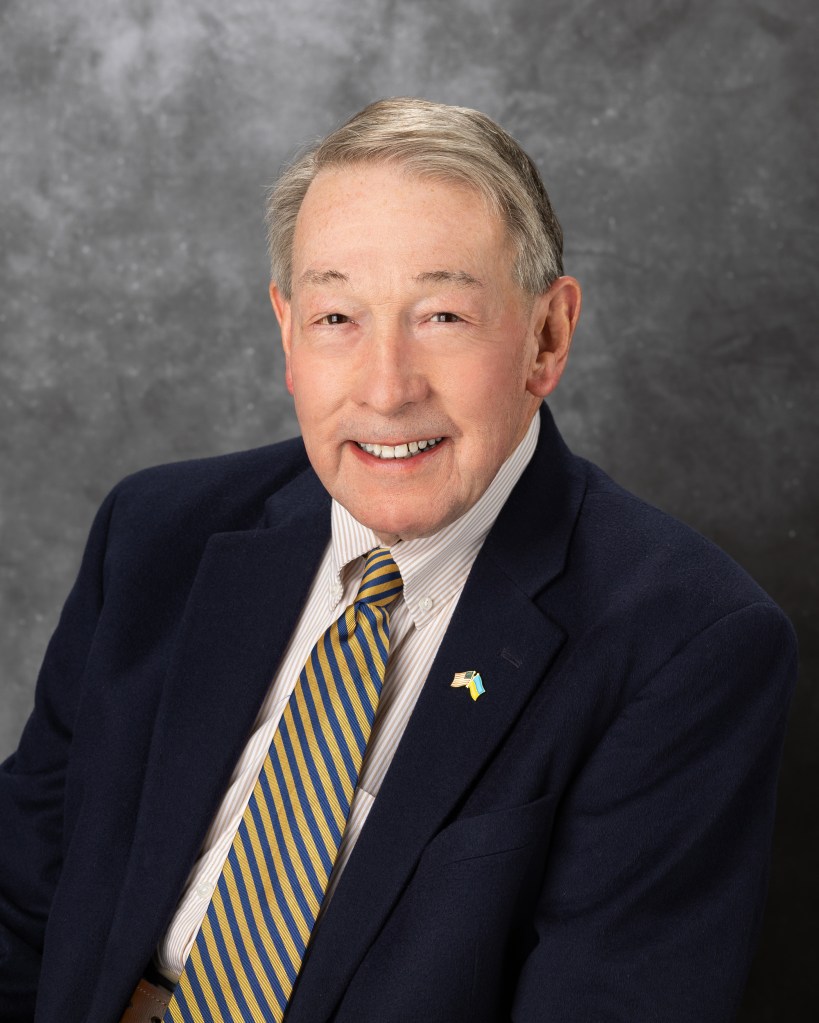
Left to right, top to bottom: Chris Cope, Tanya Bess, James Bennett, Tommy Culwell, Larry Judkins, Bill Zechman. Chris Cope email: copec@warrenschools.com
Tanya Bess email: besst@warrenschools.com
James Bennett email: bennettj@warrenschools.com
Tommy Culwell email: culwellt@warrenschools.com
Larry Judkins email: judkinsl1@warrenschools.com
Bill Zechman email: zechmanb@warrenschools.com

Previous letters from the BD Newsletter about Sable Winfree:
Sable Winfree in her own words. A must read. I question why the administration allowed Sable Winfree to be dismissed from the team. I released this letter calling for an investigation and suspension of the head coach, Mendy Stotts. -
By Brad Durham
Below is an interview conducted after Sable Winfree’s work shift Thursday night, November 30, at Gondola Restaurant in McMinnville, Tennessee.
These are previous letters that I have written about Sable Winfree being dismissed from the team.
My Thursday night interview with Sable Winfree…
BD NEWSLETTER: What has basketball meant to you?
Sable Winfree: It means everything. I have played it since I was in the fourth grade. I put in work up to my senior year. It cost us a lot of money. I have been on travel teams in the summer. I dropped all the other sports. I played soccer and track, and I focused only on basketball.
BD NEWSLETTER: Are there highlights in the past three years of high school basketball that stand out to you?

Sable Winfree: The first thing was getting Freshman of the Year. I was up against a lot of other good freshmen like Celeste Reed from White County. That showed me that my work was showing up. My sophomore year, I was named All-District, and that helped a lot. Junior year, I was All-District again. Last year playing with all those girls…Kyra, Shelby, Mia, and Savannah. It was great getting to play with my sister, Savannah. We did as well as we could, and went as far as we could in the postseason tournament. I think we made a big impact for Warren County.
BD NEWSLETTER: Where do you live now?
Sable Winfree: I live with my grandparents – my dad’s parents.
BD NEWSLETTER: Why do you live there?
Sable Winfree: My mom moved to White County this summer. (Sable’s parents are divorced.) I still get to see my dad and all of my family…my mom and siblings. I did not want to move to White County. I wanted to finish my senior year here. I had played here since elementary and middle school. My sisters graduated from Warren County. I wanted to achieve a 1,000 points over my high school career at Warren County.
BD NEWSLETTER: When did you know that you were dismissed from the team?
Sable Winfree: I knew that day she kicked me out of practice that I was going to be off the team. I could tell just by the way she said it.
BD NEWSLETTER: Have you snapchatted with a sixth-grade boy in the past three to four weeks?
Sable Winfree: No. Absolutely not! (Sable turned 18 this past summer.)
BD NEWSLETTER: What is your dream for the future?
Sable Winfree: I want to get a good education. I did see basketball in my future. I did want to play it, and I also wanted to coach it. I like being around it too much to just go away from it. I referee at the Civic Center. I don’t call everything the way the parents want me to call it, and they get mad. I see the referee’s point of view now. Laughs.
I have not decided what I want to major in yet. I have options.
But I did want to stay here. I wanted to live here, and have my kids go to school here one day. My perspective on everything has kind of changed though.
BD NEWSLETTER: Is there anything else you want to share about what you are going through right now?
Sable Winfree: I feel like I put in three years at the high school under a different coach. I put in three years at the middle school. I played at Eastside. I have played on AAU teams. I was never told on any of those teams that I was not coachable.
That is how some people look at me now, “she is not coachable, she got kicked off the team and she has all these allegations on her.”
It just doesn’t make sense that I have played on all of these teams all these years and now…it hurts because I have spent my whole life focusing on one sport. One person made all that go away for me.
It has made me mad. I am the only one getting punished for something that there is no proof of and that never happened. There are plenty of people who will sit there and tell you it never happened. But because of one person, it has all been taken away from me.
Really, I trusted so many people who work at the high school. I have no trust in them anymore. They let me down. I trusted Warren County High School. I would tell anybody that I was from Warren County High School. Now it is embarrassing how much I put into them, and in return, nothing.
We got plaques for them. Trophies. They told us how proud they were. Then they go and support someone in her first year (of coaching at a high school level) with no proof. They have her back.
I was right behind their back. If anyone ever said anything about Coach Lippe, I would go to bat for him. I loved the principals. Not one of them had my back. It really does hurt. I don’t understand it.
It is hard to keep your head up. Everybody says, “Keep your head up, keep on going.” It is hard to do that when you feel like it is the place that you wanted your whole family to go to. I wanted to keep the Winfree and Simpson legacy going at Warren County. (Sable’s grandmother played on the Lady Pioneers team in the 1970s.)
I feel like I broke that legacy because of one person. It wasn’t my choice.
I am used to the 24/7 schedule of going to practice, playing, school and working. Now it has all changed. I have to figure everything else out now. I never thought that I would lose basketball.
BD NEWSLETTER: Did you think that you would get more exposure your senior year and receive more looks from colleges?
Sable Winfree: My goal this year was to try and get D1 looks. Tech or MTSU for example. I had talked to MTSU and I know that they were looking at me. My focus was to get a Tech or MTSU look. Now I don’t think that will happen even if I get on another team. You cannot miss three games and expect to get all those points. I needed the whole season. That was taken away from me.
BD NEWSLETTER: Did Mendy Stotts call you into her office in the spring and ask you to not move to Sparta?
Sable Winfree: I told her that I was between moving to Sparta with my mother and staying here. My family was moving to White County, and the team there was going to be young with a good coach.
She said, “Stay here. I promise that we will build the team around you, and we will have a good team. We have some middle schoolers who are coming in who are fast, and you have Lexi and Bri and all of them. We will have a good team if you stay.”
I decided to stay. These are the girls I have played with since I was in fourth grade. My sisters, aunts and uncles had graduated from Warren County. I felt like it was the place for me to be.
-

By Brad Durham
I am grateful for people allowing me to interview them and share some of their views and stories. The McMinnville Introspection series taught me a lot about the town I was born and raised in during my early youth. There are many things to like about McMinnville. There are a lot of good people in McMinnville.
The most viewed letter that I posted this year was the story about Sable Winfree’s dismissal from the Warren County High School Lady Pioneer basketball team. The story has received 11,400 views on my website. Apparently, many people in McMinnville are interested in what happened to Sable Winfree last week. This letter has received over 10 times as many views as my previous most-viewed letter.
How does a coach and principal suspend Sable Winfree on a Monday afternoon, and then the coach plays her in the fourth quarter of a game that night? Every coach knows that when you play a player in a game that you effectively burn that player’s eligibility. Was that something that was done intentionally — to burn Winfree’s eligibility so that she could not transfer and finish her senior year of basketball elsewhere?
When I was in high school (Middlesex School, Concord, MA) , the Dean, Brad Kingman, told me in November of my senior year that I should get off campus. He told me that he had been doing his job for a long time, and that if I stayed on campus the next semester, I would get in trouble and expelled. He said that I would destroy my chances of getting into the college I wanted to attend. He told me to do an independent study somewhere else, and graduate in May.
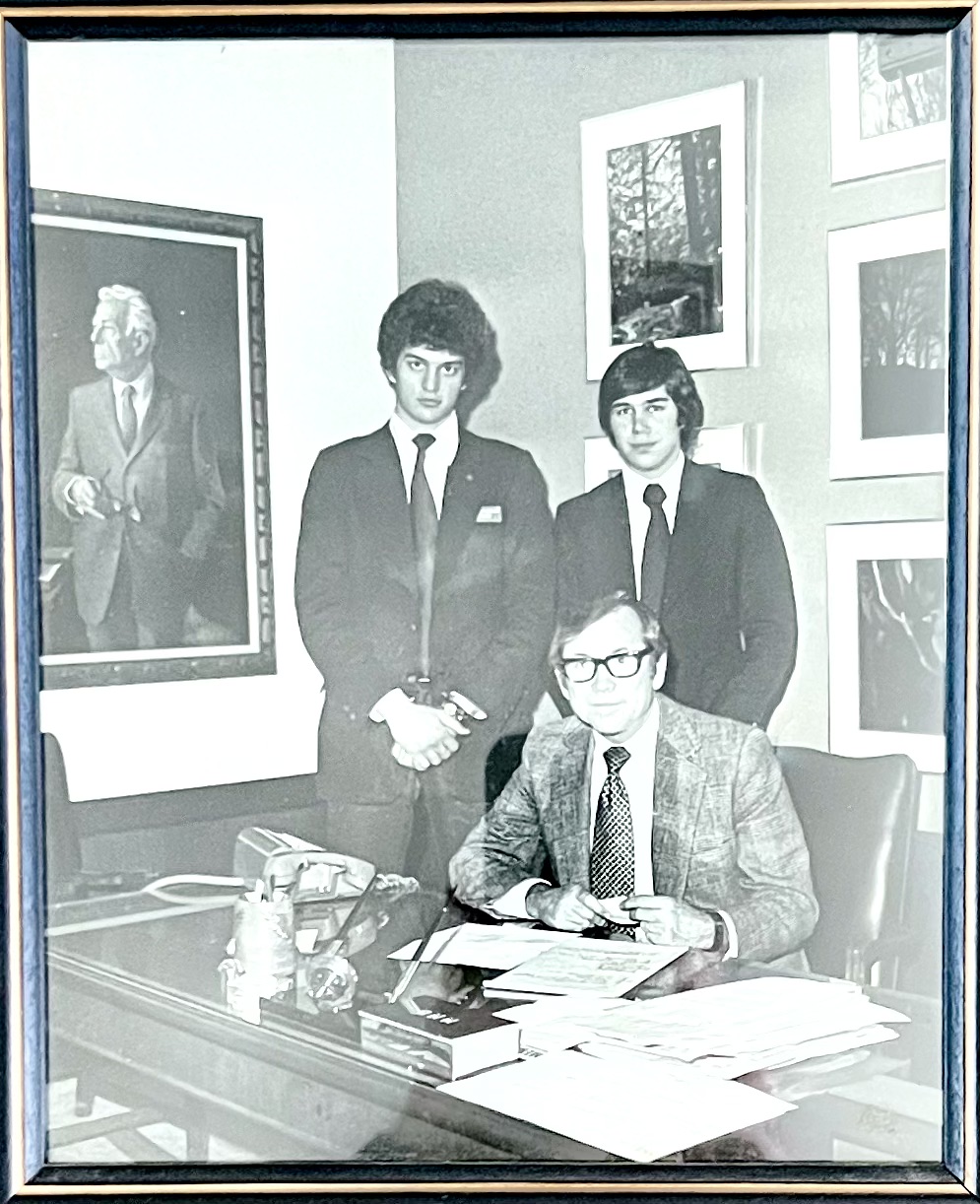
Me and a fellow page with Senator Howard Baker, 1975. 
Me and Congressman Joe L. Evins, 1975. I respected the Dean. He was my math teacher, assistant football coach, and I had babysat his kids. I went to D.C. the next semester and was a page for Congressman Joe L. Evins and an intern for Senator Howard Baker. Although it was tough to leave friends and not play sports, I had great experiences in D.C. I am still grateful to this day that the Dean cared enough about me to push me to make a change. He also wanted to get me out of his hair, but he cared about me and my future. He had a heart-to-heart talk with me.
Why didn’t someone at Warren County High School care enough about Sable Winfree to intercede and give her positive alternatives? And why would a coach play a player while she was suspended? Were there sufficient grounds to kick Sable Winfree off the team? I do not believe so…
I am grateful for the mentors, friends and experiences I have had in my life. I am grateful to live in McMinnville, Tennessee. I am also grateful that I got to watch Sable Winfree play basketball the past three years, and I hope that I get to see her play again in the near future.
-
By Brad Durham
Preface: Mendy Stotts, Chris Hobbs, and Director of Schools Dr. Grant Swallows were asked for a response to this letter in a group text. Dr. Swallows texted: “This was a meeting between the administration, coaches and family. There’s nothing that can be commented on for the public.”

3-Time ALL District Sable Winfree Sable Winfree was informed by text from the Warren County High School girls head basketball coach Mendy Stotts on Thursday to not attend practice. Furthermore, Winfree was directed to attend a meeting on Friday about the future of playing with WC Lady Pioneers Basketball.
On Friday, November 17, 2023, Sable Winfree was dismissed from the Warren County High School Lady Pioneer basketball team by the head coach, Mendy Stotts. Four people present in the meeting reported the following conversation:
WCHS principal Chris Hobbs said, “We are not going to argue about this. You’ve already made your decision. What is your decision?” Mendy Stotts replied, “I’m done.”
A distraught Sable Winfree shared her response to the meeting and being dismissed from the team. Sable said, “I’m mad. Sad. And Mendy Stotts lied about me using the f-word in practice and snapchatting with a sixth-grade boy in an inappropriate way.”
First and foremost, I am an advocate for Sable Winfree. Sable Winfree has been an All-District player during her first three years at WCHS. Information from other sources have provided some disturbing stories and first-hand accounts of misconduct by the Lady Pioneers head coach.
I do not think Mendy Stotts should have the authority to dismiss or reprimand any more players on the team until she is investigated. Therefore, I believe she should be suspended.
The scope of the investigation should include and go beyond what is mentioned below:
- Why was Sable Winfree dismissed from the team? Given at least one extreme accusation by the head coach, the veracity of the head coach’s statements must be proven or disproven by a professional investigator.
- Did head coach Stotts tell several other players that she was going to run them off the team, one by one?
- According to players and parents, the Lady Pioneer head coach has yelled and screamed in girls faces, intimidating and shaming them without just cause. Was this a breach of the contract the head coach made with the team?
- Several parents met with coach Stotts this past Sunday about their concerns of the head coach’s behavior, none of which involved playing time. Some parents left thinking Stotts was on drugs or high. Why did the parents leave the meeting with such doubts about the head coach’s well-being?
- A few of the same parents went to WCHS on Wednesday asking for a meeting with the administration. They met separately with AD and assistant principal, Phillip King. What is the WCHS administration doing about what was shared? Is there a coverup talking place to protect the head coach?
- Sable was forced to sit three quarters in the first game this past Monday and scored 12 points in the 4th quarter. Coach Stotts told Sable afterwards that Sable lost the game. Is this acceptable coaching behavior? Does this behavior fit a pattern of bullying?
- Several players and parents feel as though their kids are being targeted by Stotts because they played for the previous coach, Anthony Lippe. Has this been investigated?
- Many players and parents feel as though the trust has been broken between the players and present head coach, in addition to members of the coaching staff. What is the administration doing to restore that trust?
- Mendy Stotts has been accused of telling players and parents that she is conducting therapy with other players. Given the fact that Stotts is a school counselor, if true, this is a breach.
- A middle school student allegedly heard Stotts’s middle school son say that Sable Winfree was going to end up pregnant or in jail before the school year is over. The son allegedly stated that his mother made those comments about Sable Winfree. If true, a head coach talking about a player in this fashion to her family at home is a breach and potentially grounds for dismissal.
There are sufficient grounds to believe that Sable Winfree confronting the head coach about what her son said motivated the head coach to dismiss Winfree from the team.
- Several of the present members of the WCHS Lady Pioneers played for Coach Lippe for three years and never had trust issues with him. Their parents never requested a meeting with Lippe to discuss his inappropriate behavior. Why are there problems now with the head coach, Mendy Stotts?
- Ironically, Lippe is an AD and administrator who was Sable Winfree’s head coach for the past three years. Lippe knows many of the present players on the team and their parents better than any administrator in the building. Lippe dismissed Stotts as an assistant coach years ago when he became head coach at WCHS. Because of his complicated history with Stotts, Lippe has not been involved in the conflict between Stotts and Sable — and the other players’ parents. Shouldn’t Lippe have been involved to help resolve the conflict between Mendy Stotts Sable Winfree?
Sable Winfree and the other players deserve to have a positive mentor, teacher and head coach. There are sufficient grounds to investigate Mendy Stotts for unprofessional and inappropriate conduct.
-

WARREN COUNTY PIONEER PHOTO GALLERY

Junior Creed Adams, No. 2 
Senior Aiden Miller, No. 70 
Senior Alex van Vuuren, No. 9 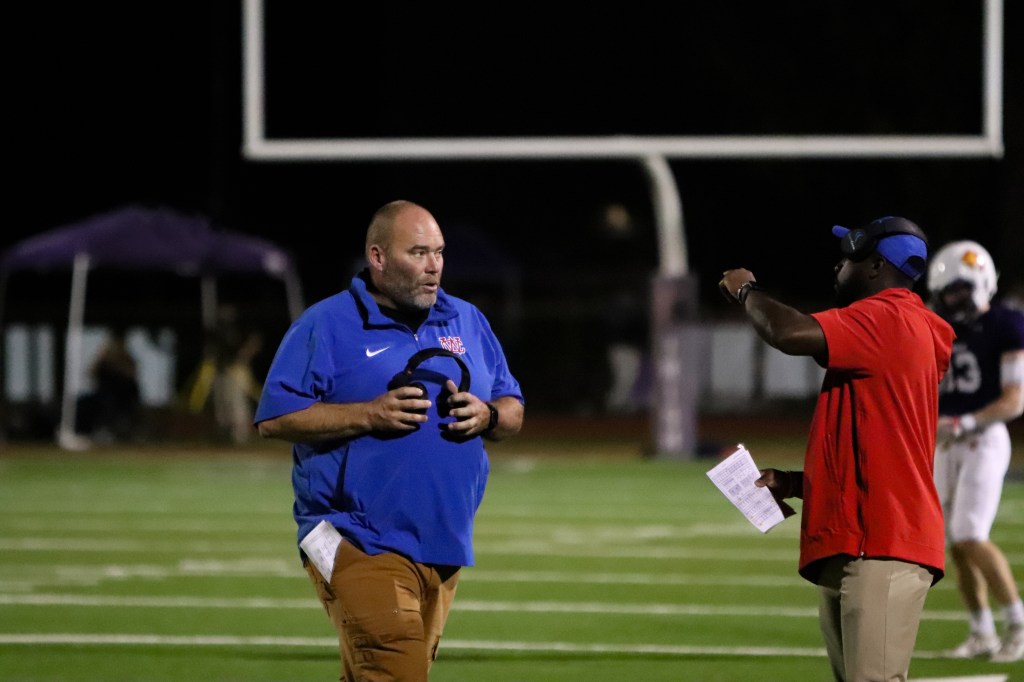
Head Coach Matt Turner 
Junior Gage Harris 
Junior Zander McCormick No. 71 
Sophomore Adrian Harris The 2023 Warren County High School Pioneers football team’s season (1-9) came to an end at Father Ryan High School Friday night in Nashville. Father Ryan (4-6) extends their season next week in the Division II Class AAA State Playoffs. For the Pioneers, it was not the season the team had envisioned back in August, but even when the scoreboard was not in their favor, they refused to quit. The final score was 49-16.
All 16 of Warren County’s points came in the second half, and both touchdowns were setup by turnovers created by the Pioneer defense. Gage Harris made an interception that led to a 10-play, 89-yard drive. Senior Alex van Vuuren completed a 34-yard pass to sophomore Adrian Harris on that drive. Junior Creed Adams rushed for 36 yards over six plays to finish the drive with a 6-yard touchdown run.
The second Pioneer score was setup by senior Aiden Miller’s fumble recovery. The Pioneers offense went on a 79-yard drive in three plays that ended on a 67-yard touchdown run by Adrian Harris. Warren County converted 2-point conversions after both touchdowns to create the total of 16 points. The Pioneers were outscored in the first half by six Father Ryan touchdowns — 42 points.
Father Ryan’s offense benefited from generous field position and turnovers in the opening half. Father Ryan started their first drive for a touchdown from Warren County’s 35-yard line. The Irish blocked a Warren County field goal, and returned it 80-yards for their second touchdown. Father Ryan intercepted a pass and then mounted a drive for their third touchdown. Father Ryan blocked a punt and returned it for a touchdown for their fourth touchdown. Warren County faked a punt on fourth down from its own 34-yard line, and failed to make the first down. Father Ryan took possession, and six plays later on a reverse run, the Irish went up 35-0. Next, a bad Warren County punt of 15-yards gave Father Ryan the ball on Warren County’s 33-yard line. The Irish scored three plays later to go up 42-0. Father Ryan’s final score came on the opening drive of the second half. Their second-string put together an 8-play, 67-yard drive that resulted in a 49-0 lead.
After a devastating first half and an opening score in the second half, a major let down by the Pioneers would not have been unexpected. Yet, to the team and coaching staff’s credit, the Pioneers bounced back. After the game, head coach Matt Turner thanked the team for responding to his challenge at halftime to finish strong in the final two quarters. The Pioneers showed determination, which provided a positive response to a blistering first half.
Before leaving the field at the end of the game, defensive coordinator Camron Bond challenged the team to hit the weight room after taking a break from the season. Bond said, “I encourage you to play other sports, but you still need to hit the weight room. If you do not commit to the weight room in the offseason, you have to question your commitment to this program.”
PLAYER COMMENTS
Junior Creed Adams had a gutsy game on both offense and defense. Adams showed some power as a running back. After the game Adams said, “We obviously have to go to work in the offseason. That is my main focus right now. I like playing running back. I asked them if I could, and they let me play there. That touchdown run and drive felt great.”
Junior lineman Xander McCormick has started since his freshman year. He has been a force on defense and has made stops in opponents’ backfields all season. After the game, McCormick said, “That was a strong team. We have to get better and hit the weight room. I have visited some colleges….Kentucky, EKU (Eastern Kentucky), MTSU, and I go to Louisville this weekend.”
FINAL COMMENTS
Father Ryan was what head coach Matt Turner called a “higher caliber” private school team. They did not make mistakes, and Warren County hurt themselves by committing penalties and turning the ball over in the first half. The Pioneers were down by 14 points very quickly in the game.
There are juniors and sophomores who showed grit against Father Ryan and throughout Warren County’s season. Some injured players will heal and be back for next season. The Pioneer faithful owe this year’s seniors a lot of gratitude for continuing to show up and keeping the Pioneer football program alive.

 BD Newsletter
You must be logged in to post a comment.