By Brad Durham
WHAT IS MATCH
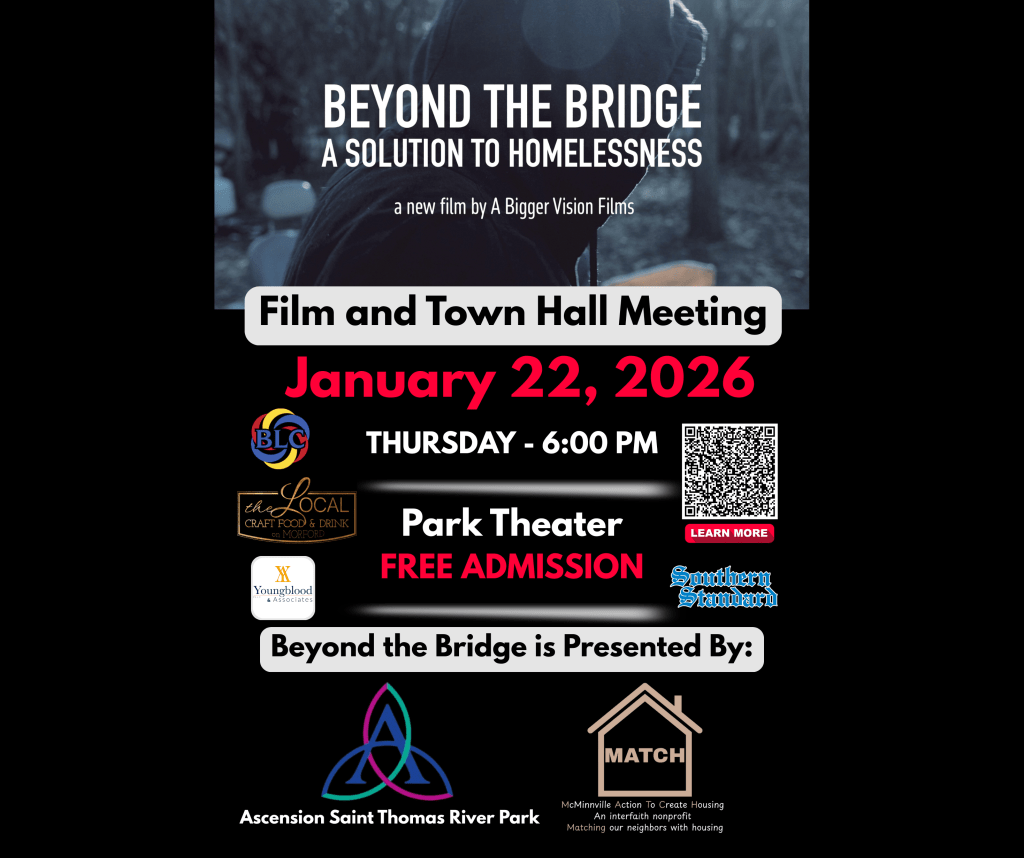
Recently, the McMinnville Action To Create Housing (MATCH) hosted the documentary film Beyond The Bridge at the Park Theater on January 22, 2026. I founded MATCH and invited people to join the Board to assist the poorest of the poor in McMinnville—our homeless neighbors. My vision for MATCH is to operate as a 100% volunteer effort focusing on three areas: advocacy, managing resources, and developing programs.
OUR FIRST ACTION
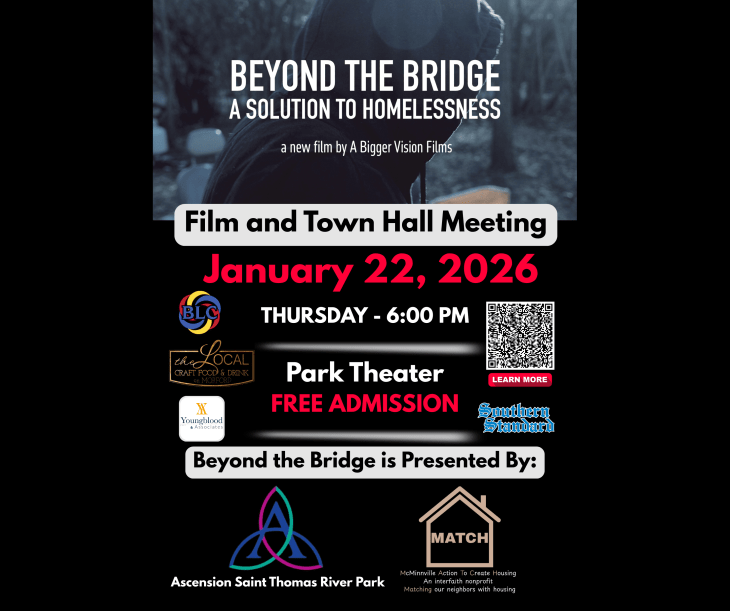
Our first action as a nonprofit was to advocate publicly for permanent supportive housing for the unhoused in our county by presenting the film Beyond The Bridge and hosting a Town Hall Meeting afterward. What is permanent supportive housing? It is an evidence-based solution to homelessness that quickly places a homeless person or family into an apartment, usually owned by a private landlord. Two key components are the supportive services that follow the individual into permanent housing and a rental subsidy that helps address the issue of housing affordability.
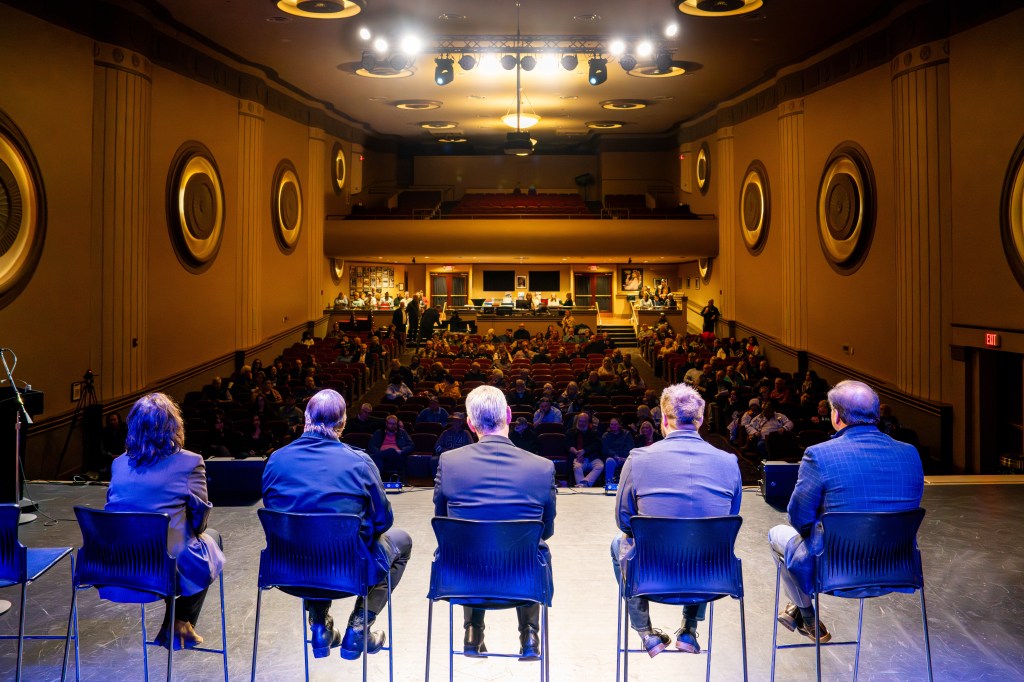
The Town Hall Meeting featured City Mayor Ryle Chastain, County Executive Terry Bell, UCDD/UCHRA Executive Director Mark Farley, Regional President of Ascension Saint Thomas Neal Kelley, and Sheila Fann, the Executive Director of HOME. I served as the moderator in my role as president of MATCH. Ninety percent of the questions came from the audience of 250 people.
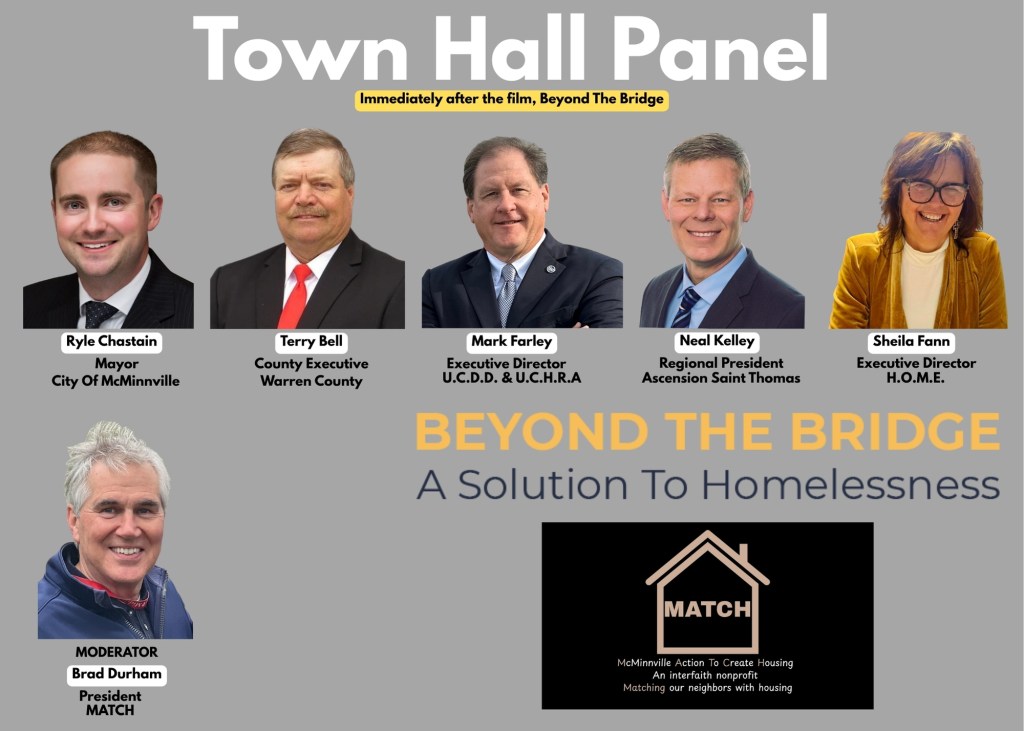
ROUNDTABLE
The clear message from the Town Hall Meeting was that the mayor, county executive, executive director of UCDD/UCHRA, and the regional president of Ascension were all interested in sitting at a roundtable to develop and implement a public policy for creating permanent supportive housing. MATCH successfully advocated for permanent supportive housing in a forum that was free and open to everyone in McMinnville.
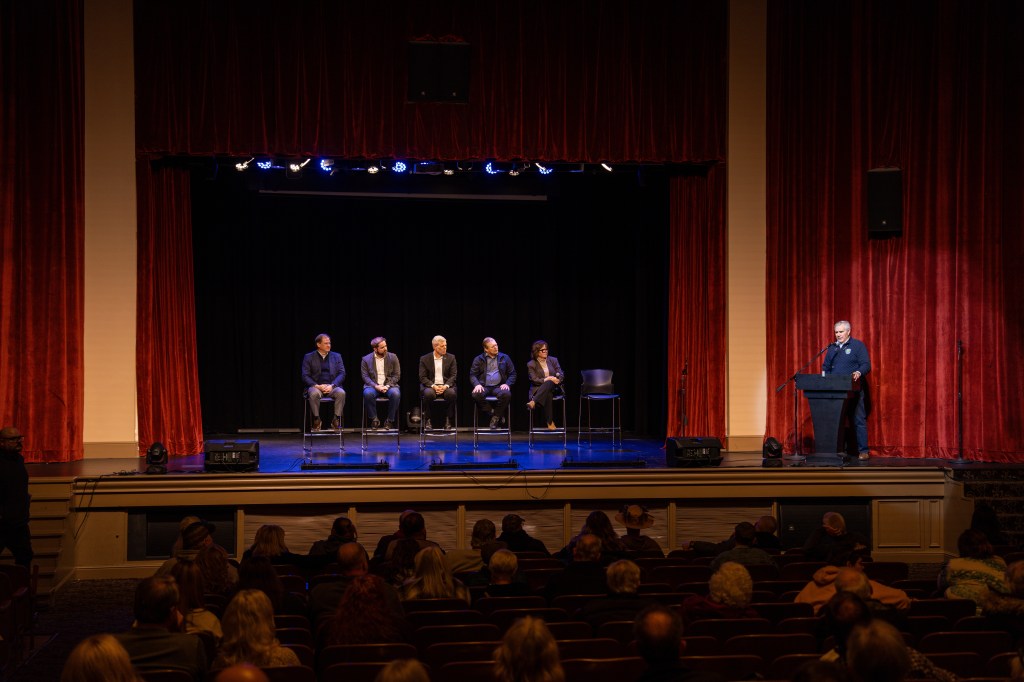
Town Hall Meeting after Beyond The Bridge. Panel and Moderator.
SPONSORS – SUPPORTERS
Our presenting sponsor, Ascension Saint Thomas River Park, donated $10,000 to help us create awareness and foster community involvement. Other sponsors included Ben Loman Connect, Security Federal Savings Bank, Youngblood and Associates, The Local, St. Matthews Episcopal Church, First United Methodist Church, the Southern Standard, and over 100 private citizens. Roland Advertising provided free billboard promotion for the event.
TWO OTHER POINTS OF FOCUS
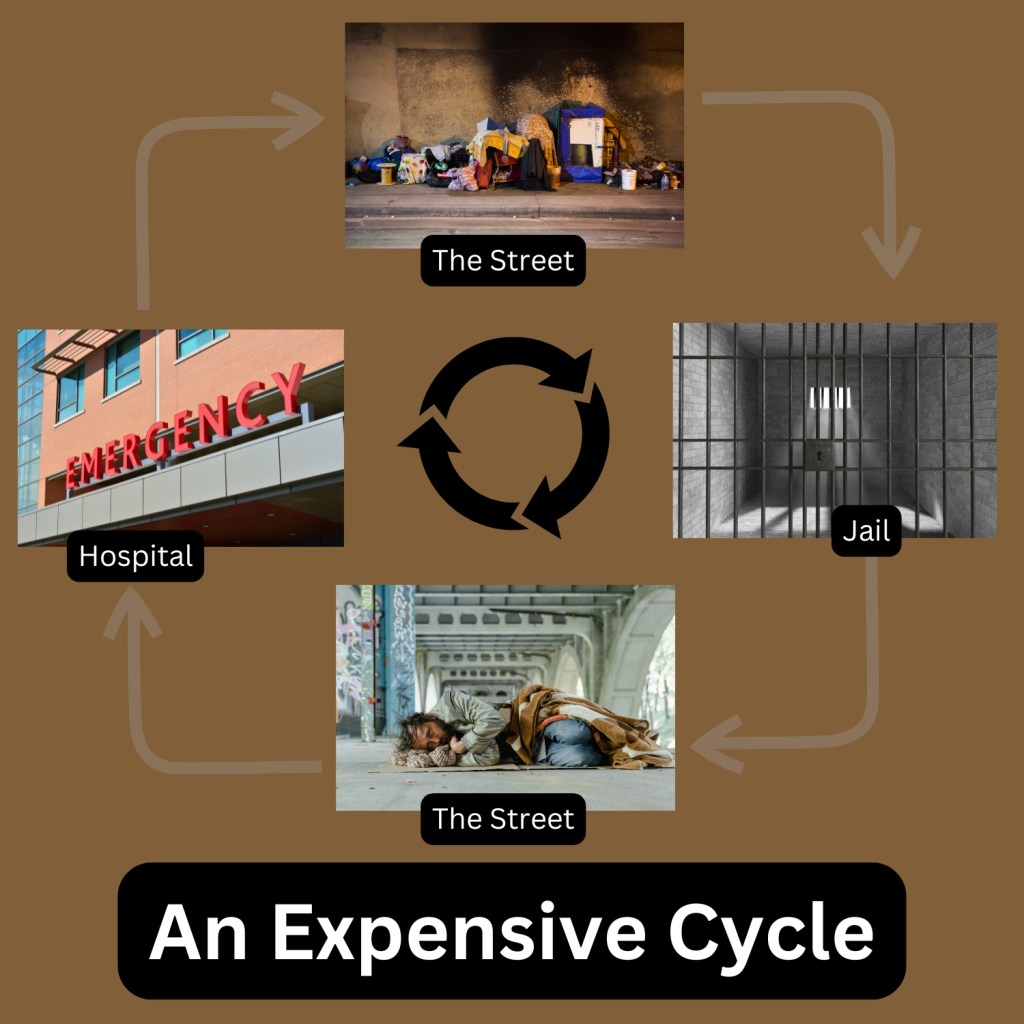
MATCH has two other major focuses: resource management and program development. These are issues we wish to discuss at the roundtable with elected officials, regional and local service providers, business leaders, and private citizens. We have met individually and as a group with our police chief, the sheriff, the District Attorney, public defenders, and judges to discuss collaboration in addressing the disproportionate burden our unhoused neighbors create in these areas. There is a term often used to describe the pattern that the homeless follow—from hospitals to law enforcement, to courts, and then to jail—known as “frequent fliers” or “frequent users.”
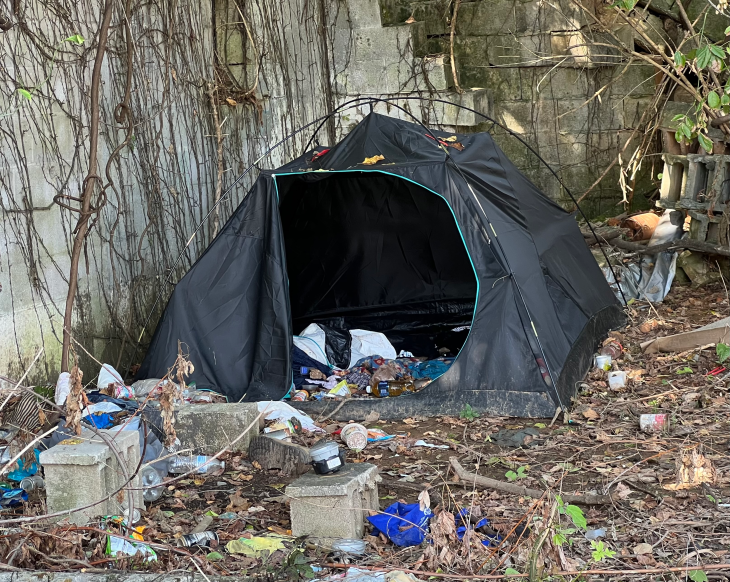
Tent in Downtown McMinnville during the past two years…
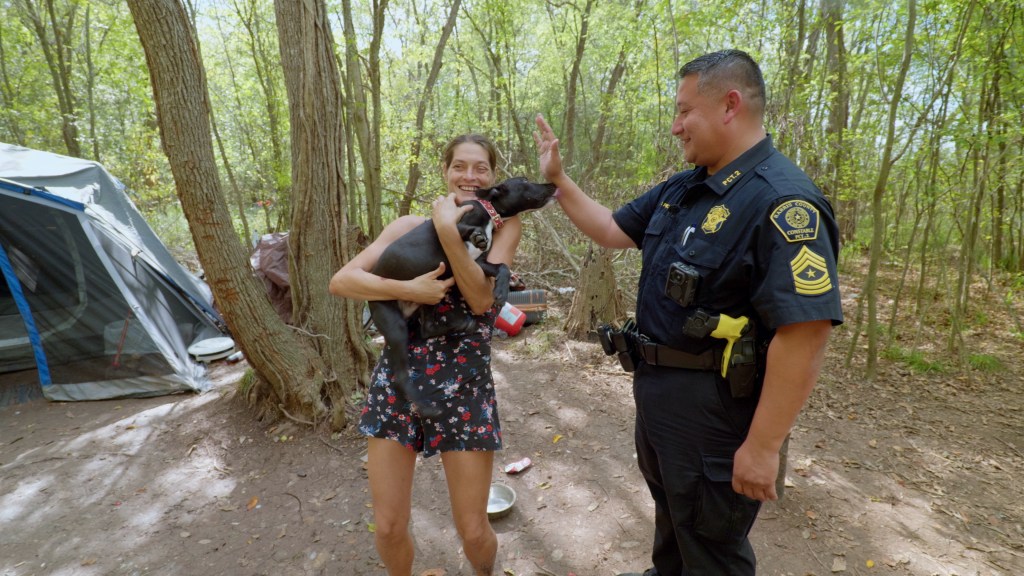
Scene from Beyond The Bridge – Houston police outreach worker to the homeless.
CONSERVE PUBLIC RESOURCES
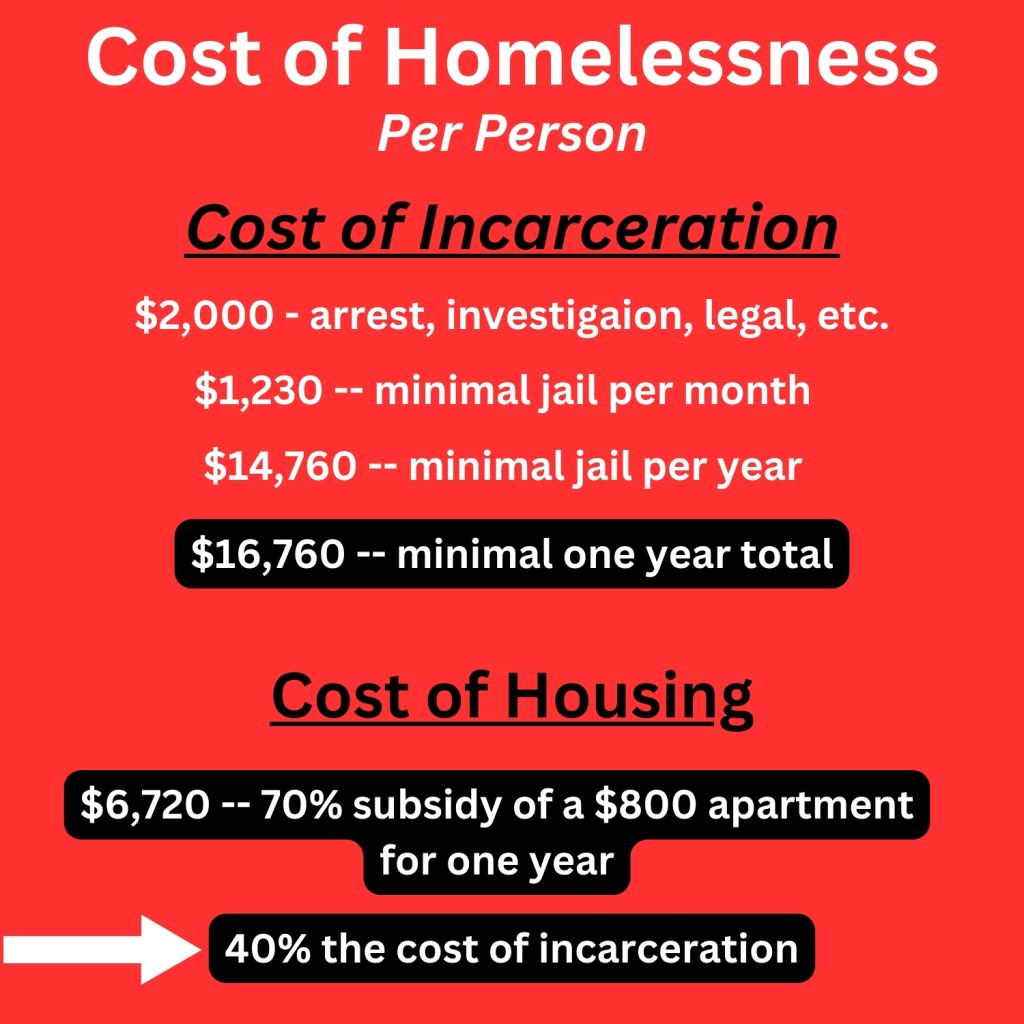
MATCH aims to conserve limited public resources by leading our homeless frequent users from this cycle by helping them transform into permanent supportive housing. To achieve this, we need to manage funding resources at the local, regional, state, and federal levels to develop full-time staff who can assist the homeless in navigating their way to permanent supportive housing.
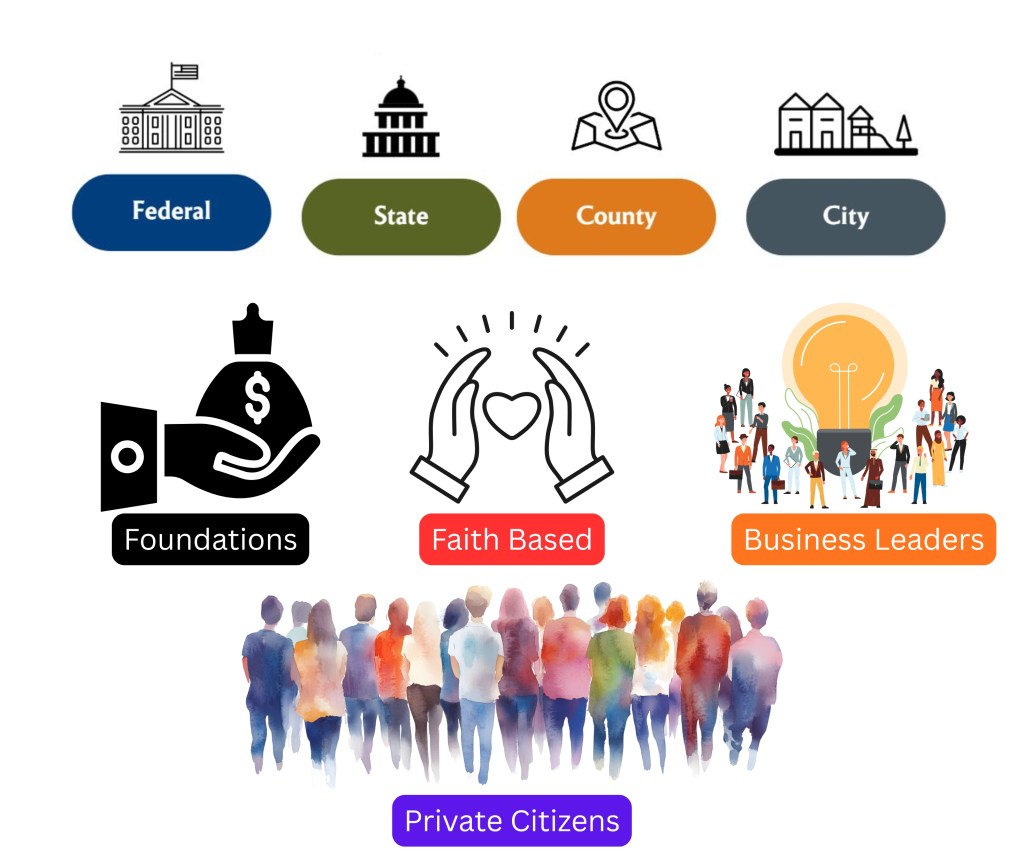
Various levels of funding to support permanent supportive housing.
REPLICATE THE DOCUMENTARY FILM
If we had presented a great science fiction film like Star Wars by George Lucas and said we wanted to replicate the Rebel Base and Storm Troopers in McMinnville, you would think we were crazy! Yet, we showed a documentary film presenting an evidence-based positive solution to homelessness at the Park Theater and expressed our desire to replicate it in McMinnville.
BEDFORD FALLS VS POTTERSVILLE
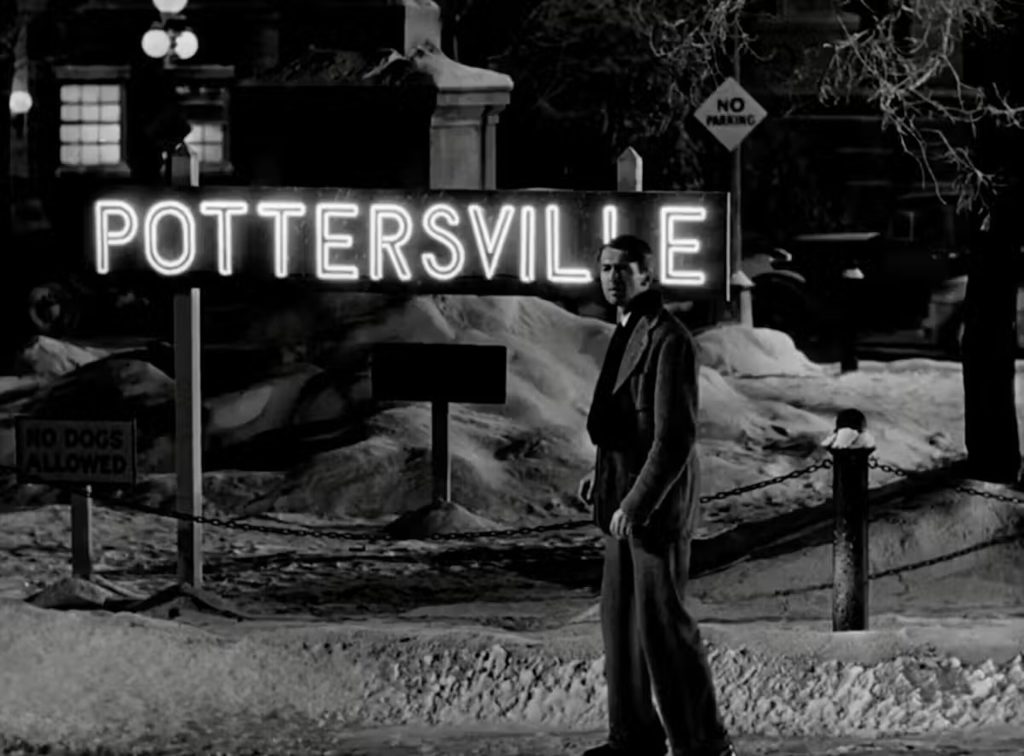
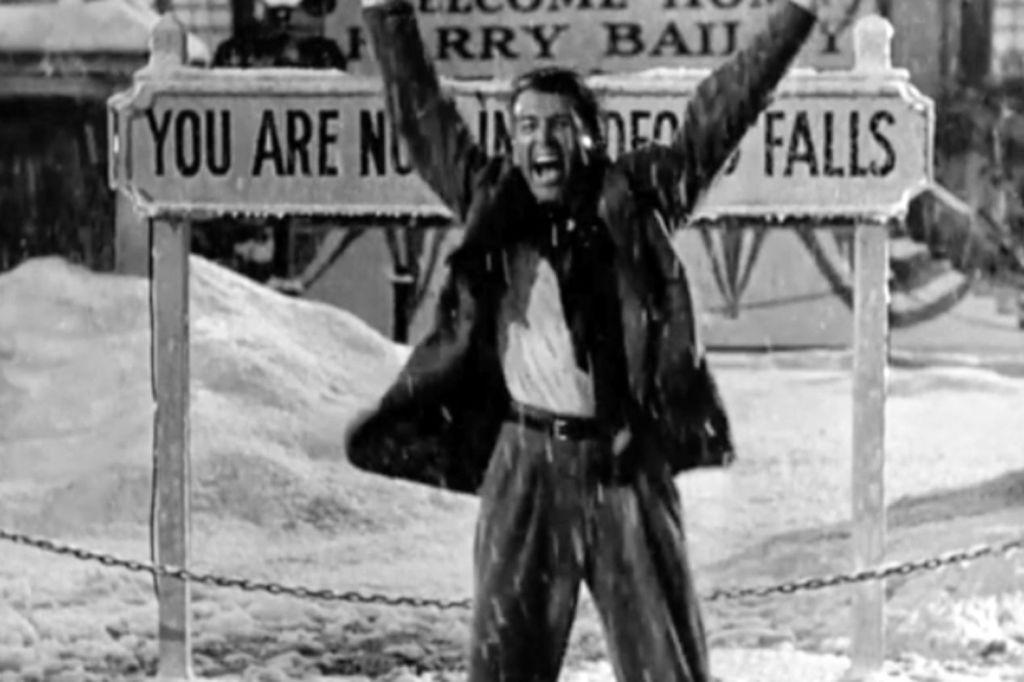
Let me use another film analogy: Frank Capra’s It’s A Wonderful Life, which many of us enjoy watching each Christmas. I am asking everyone throughout McMinnville and Warren County: Do you want McMinnville to be a Pottersville or a Bedford Falls?
CALL TO ACTION
There is something each of us can do to support the poorest of the poor in our community. You can become a positive advocate for permanent supportive housing, contribute your skills, resources, and compassion to help.
Watch this video and contact MATCH if you want to be part of the solution to homelessness in McMinnville by helping develop permanent supportive housing for our homeless neighbors.




 BD Newsletter
You must be logged in to post a comment.