Under a bridge in McMinnville. Photos by Brad Durham.
McMinnville Action To Create Housing (MATCH) hosted the film Beyond The Bridge at the Park Theater earlier this January to raise awareness about the need for permanent supportive housing for our unhoused neighbors. Recently, board members of MATCH assisted two unhoused men in moving into permanent supportive housing.
Both men agreed to be interviewed and shared their stories in the hope that other unhoused individuals will be inspired to pursue permanent supportive housing. Below are some photos of their previous unhoused environments alongside their new permanent homes.
Dewayne has experienced health problems related to his heart and back. Members of the First United Methodist Church have assisted him with transportation to a heart doctor in Cookeville and have provided additional support for his healthcare. There is a good possibility that Dewayne will be driving a bus for UCHRA later this year, as truck driving was his former job.
Rob has worked odd jobs and is attending a job fair soon. Having an apartment with a bathroom and kitchen will help him stabilize and become more consistent in his job search. Rob went to rehab a year ago and returned to McMinnville 100 days sober. He had no place to live and returned to sleeping under the bridge. He was arrested for not reporting to probation during his rehab. After providing documentation, Rob was released from a brief stay in jail and returned to the streets.
Both Dewayne and Rob hope that their stories will encourage the public to support fundraising efforts by MATCH to develop permanent supportive housing for other unhoused individuals in McMinnville.
MATCH PLANS TO HELP 10 MORE INDIVIDUALS
MATCH plans to place 10 of our unhoused neighbors into permanent supportive housing within one year. These plans include fundraising to create 10 rental subsidies to help individuals like Dewayne and Rob afford a home. Another aspect of MATCH’s plans includes hiring two full-time staff members: one will be a supportive services coordinator (case manager), and the other will be a housing search specialist (housing navigator).
MATCH is committed to building a coordinated, data-driven system that addresses both housing instability and the underlying factors preventing individuals from achieving long-term stability. Please stay tuned for upcoming fundraising activities by MATCH to support these initiatives.
Recently, the McMinnville Action To Create Housing (MATCH) hosted the documentary film Beyond The Bridge at the Park Theater on January 22, 2026. I founded MATCH and invited people to join the Board to assist the poorest of the poor in McMinnville—our homeless neighbors. My vision for MATCH is to operate as a 100% volunteer effort focusing on three areas: advocacy, managing resources, and developing programs.
OUR FIRST ACTION
Our first action as a nonprofit was to advocate publicly for permanent supportive housing for the unhoused in our county by presenting the film Beyond The Bridgeand hosting a Town Hall Meeting afterward. What is permanent supportive housing? It is an evidence-based solution to homelessness that quickly places a homeless person or family into an apartment, usually owned by a private landlord. Two key components are the supportive services that follow the individual into permanent housing and a rental subsidy that helps address the issue of housing affordability.
The Town Hall Meeting featured City MayorRyle Chastain, County Executive Terry Bell, UCDD/UCHRA Executive Director Mark Farley, Regional President of Ascension Saint Thomas Neal Kelley, and Sheila Fann, the Executive Director of HOME. I served as the moderator in my role as president of MATCH. Ninety percent of the questions came from the audience of 250 people.
ROUNDTABLE
The clear message from the Town Hall Meeting was that the mayor, county executive, executive director of UCDD/UCHRA, and the regional president of Ascension were all interested in sitting at a roundtable to develop and implement a public policy for creating permanent supportive housing. MATCH successfully advocated for permanent supportive housing in a forum that was free and open to everyone in McMinnville.
Town Hall Meeting after Beyond The Bridge. Panel and Moderator.
SPONSORS – SUPPORTERS
Our presenting sponsor, Ascension Saint Thomas River Park, donated $10,000 to help us create awareness and foster community involvement. Other sponsors included Ben Loman Connect, Security Federal Savings Bank, Youngblood and Associates, The Local, St. Matthews Episcopal Church, First United Methodist Church, the Southern Standard, and over 100 private citizens. Roland Advertising provided free billboard promotion for the event.
TWO OTHER POINTS OF FOCUS
MATCH has two other major focuses: resource management and program development. These are issues we wish to discuss at the roundtable with elected officials, regional and local service providers, business leaders, and private citizens. We have met individually and as a group with our police chief, the sheriff, the District Attorney, public defenders, and judges to discuss collaboration in addressing the disproportionate burden our unhoused neighbors create in these areas. There is a term often used to describe the pattern that the homeless follow—from hospitals to law enforcement, to courts, and then to jail—known as “frequent fliers” or “frequent users.”
Tent in Downtown McMinnville during the past two years…
Scene from Beyond The Bridge – Houston police outreach worker to the homeless.
CONSERVE PUBLIC RESOURCES
MATCH aims to conserve limited public resources by leading our homeless frequent users from this cycle by helping them transform into permanent supportive housing. To achieve this, we need to manage funding resources at the local, regional, state, and federal levels to develop full-time staff who can assist the homeless in navigating their way to permanent supportive housing.
Various levels of funding to support permanent supportive housing.
REPLICATE THE DOCUMENTARY FILM
If we had presented a great science fiction film like Star Wars by George Lucas and said we wanted to replicate the Rebel Base and Storm Troopers in McMinnville, you would think we were crazy! Yet, we showed a documentary film presenting an evidence-based positive solution to homelessness at the Park Theater and expressed our desire to replicate it in McMinnville.
BEDFORD FALLS VS POTTERSVILLE
Let me use another film analogy: Frank Capra’s It’s A Wonderful Life, which many of us enjoy watching each Christmas. I am asking everyone throughout McMinnville and Warren County: Do you want McMinnville to be a Pottersville or a Bedford Falls?
CALL TO ACTION
There is something each of us can do to support the poorest of the poor in our community. You can become a positive advocate for permanent supportive housing, contribute your skills, resources, and compassion to help.
Watch this video and contact MATCH if you want to be part of the solution to homelessness in McMinnville by helping develop permanent supportive housing for our homeless neighbors.
MATCH (McMinnville Action To Create Housing) is bringing the film, Beyond The Bridge to the Park Theater on January 22, 2026. A Town Hall Meeting will take place immediately after the film. The filmmakers, Tim Hashko and Don Sawyer will be in McMinnville the day of the film and at the screening for various meetings. This interview serves as an introduction to them and their experiences in making the film.
BD Newsletter: Why did you make the documentary film, Beyond The Bridge?
Tim Hashko and Don Sawyer: Most documentaries about homelessness focus on how sad, lonely, and what a pathetic state people experiencing homelessness are in. This is true. But what needs to happen to fix the situation? We thought that if America can successfully keep a space station orbiting the earth for many years now, America can also successfully solve homelessness. We just didn’t believe solving homelessness is beyond the capability of this country, so we set out on a journey to discover the solution for ourselves.
BD Newsletter: What is the most common reason towns have not developed a strategic plan to solve homelessness? What is the common denominator in these towns?
Tim Hashko and Don Sawyer: There are two very common reasons communities struggle when it comes to creating an effective strategic plan to address homelessness. First, in most communities, there is a deep, unspoken belief that homelessness is an intractable problem that can never be solved. If you don’t believe you can solve the problem, then you will never solve the problem – a fundamental principle when pursuing any goal. Second, most communities (sometimes inadvertently) set their homeless response systems up to serve their local government, service providers and the housed public. In other words, the welfare of these groups are prioritized over the welfare of the people experiencing homelessness. For many communities the priority of their homeless response system is to get the homeless population out of sight and out of mind instead of meeting them at their need and leading them out of homelessness – when this is the objective of a homeless response system, it will always end in failure.
Have you seen a difference in the approach and resources committed to solving homelessness in small and large cities? In other words, have you seen small towns practice the same plans large towns use?
Tim Hashko and Don Sawyer: The scale is different, but the fundamentals are the same. Large cities tend to have more resources and more complex systems, while small towns often assume those models do not apply to them. What we found is that the core strategies that work in big cities also work in small communities when they are adapted to local conditions. In fact, small towns often have an advantage because relationships are closer and change can happen faster.
Don Sawyer interviewing Rob Robinson, a prominent community organizer, activist and formerly homeless.
BD Newsletter: What is the number one reason you want people to see your film?
Tim Hashko and Don Sawyer: To change perspectives on people experiencing homelessness, and to learn why homelessness exists in this country. Then, we want people to see that homelessness is solvable by deploying the blueprint we show in the film, which applies to every community no matter how big or small a community is. Ultimately, we’d like people to understand that if they want different results in their efforts to address homelessness, they will have to band together as a community to make it happen – everyone has a role.
BD Newsletter: Why should a private citizen, service provider, business person, and elected officials see this film? On the other hand, is there anyone in McMinnville who should not see Beyond The Bridge?
Tim Hashko and Don Sawyer: Homelessness affects the entire community, and solutions require participation from everyone. The film gives private citizens a clearer understanding of what actually works, service providers a framework for stronger collaboration with other organizations, business leaders insight into how they can help, and elected officials examples of effective leadership grounded in results rather than theory.
There is no one who should not see this film. It is not political and it does not promote a single ideology. It presents evidence, lived experience, and real world solutions, and invites the whole community into a more productive conversation.
Please plan to attend this event—admission is free! By reserving a ticket, you’ll secure your spot and receive a convenient reminder, ensuring you don’t miss out on this exciting experience. Click on the link below to reserve your ticket today.
Left to right: State Representative Bo Mitchell, Steve Earle and Mayor Freddie O’Connell
A Personal Reflection
My connection to the Grand Ole Opry is a story woven with irony, chance, and profound influence.
The Grand Ole Opry was a place my uncle Hal Durham dedicated four decades of his life to — first as an Emcee at the historic Ryman Auditorium downtown, as Program Director at WSM Radio, and ultimately as General Manager when the new Opry House opened in 1974.
Through my uncle, I was inadvertently introduced to Steve Earle by T-Bone Burnett, an encounter that significantly altered the course of my life. That chance connection opened doors I never anticipated, reaffirming how moments of irony and chance can shape our futures in unexpected and meaningful ways.
The Beginning of a Quest
The idea to organize a benefit concert first took shape in 1986, during my time working at the Multi-Service Center for the Homeless with the Cambridge Department of Human Services. My role was to help place homeless families into permanent housing. At that time, Philip Mangano, the director of the center, had brokered a deal with Harvard University to host a benefit concert at Harvard Stadium.
Around the same period, T-Bone Burnett had just released a new country album, which gave me an idea. Eager to bring high-profile artists to the event, I mentioned this to my uncle, Hal Durham, encouraging him to invite Burnett to the Grand Ole Opry. My ultimate plan was to surprise Burnett at his appearance with a request for him to reach out to Pete Townshend of The Who and other renowned artists, to perform at the benefit concert and help make a difference.
The Irony Unfolds
On September 17, 2025, I was in the audience as Steve Earle was inducted into the Grand Ole Opry — a moment that felt almost surreal. It was on that very stage in 1986 that I first became aware of Steve Earle.
After weeks of persuading my uncle to book T-Bone Burnett, he unexpectedly called one day. He asked if I wanted T-Bone Burnett to appear at the Opry. He said, “If you want him to play, he will. If you don’t, he won’t.” I was stunned by such an offer and quickly said yes, hoping Burnett’s appearance might help us gain access to major acts.
Fast forward to Burnett’s performance at the Opry in 1986. My uncle introduced us backstage. I vividly remember: T-Bone Burnett had asked my uncle why he hadn’t asked Steve Earle to perform at the Opry. At that time, I had no idea who Earle was, but I made a mental note to check out Steve Earle’s music.
That’s Show Business
That night at the Opry, my uncle pointed to Dolly Parton’s sister and said, “See that woman over there? That’s Stella Parton. She’s been asking me to put her on the Opry for six weeks. She asked if Burnett was my nephew.” Clearly, T-Bone Burnett wasn’t as well-known in 1986 as he is today.
Afterward, T-Bone and I went out to eat, and he promised to speak with Pete Townshend and get back to me. Unfortunately, he never returned my calls. That’s show business — you win some, you lose some.
The Dream Became Reality
A few weeks later, I was back in Boston, and to my surprise, Steve Earle was performing at the Paradise Club. I attended his show and was blown away by his performance. He had just released Exit 0, the follow-up to Guitar Town. My curiosity about Steve Earle grew even more after witnessing his live set. I shared my plan to organize a benefit concert for the homeless with him. Without hesitation, he agreed to participate. That moment created a great positive visitation of energy in my life.
Steve Earle profoundly influenced my life. His generosity in performing benefit concerts inspired me to start Fearless Hearts for Homeless Children in Boston. His support turned my dream of using music to help the homeless into reality. Steve’s active participation helped me find my path as an advocate for the homeless.
Left: Steve Earle; Right Hal Durham
Irony and Influence
My Uncle Hal had a major impact on my life. I had the honor of delivering his eulogy, during which I stated he was always the smartest person in the room—though he never needed to prove it. His intelligence shone through naturally, with grace and dignity. He was a steady, rational voice during some of my traumatic early years.
Steve Earle is a passionate and determined man. He has composed many outstanding songs, and on September 17, 2025, the Grand Ole Opry became even better by inducting him as a member.
Last night, two men—Hal Durham and Steve Earle—occupied my thoughts at the Grand Ole Opry. That, truly, is irony.
AUTHOR, STREET CHAPLAIN, ACTIVIST & NONPROFIT LEADER
LINDSEY KRINKS
BY BRAD DURHAM
Recently, Lindsey Krinks visited McMinnville and spoke to a group of people working with unhoused individuals in the community. Not only did Krinks travel 70 miles to reach McMinnville, but she has traveled a great distance in her lifetime—going from South Carolina to David Lipscomb University, then to Vanderbilt Divinity School. She has made her way from Tent City to Otter Creek to Legislative Plaza. Throughout her journey, she has undergone transformative experiences rooted in a spiritual quest.
After inviting Lindsey Krinks to meet with us, I read her book, Praying with Our Feet. As I read her autobiography, I couldn’t help but think of Joseph Campbell’s Hero’s Journey. The hero embarks on an adventure beyond the ordinary and returns with a message. Lindsey’s story mirrors this: she has faced moments of almost breaking down physically, mentally, and spiritually—yet she persevered and was transformed. Her drive to serve the poorest of the poor—the homeless—has fueled her journey.
For me, reading Lindsey’s book felt like uncovering stories of saints such as Saint Francis of Assisi and Mother Teresa—people who led lives of profound transformation and became signposts along the journey of imitating Christ.
Lindsey Krinks is the real deal—she is a street chaplain, author, activist, and nonprofit leader. She is the co-founder of Open Table Nashville. I’m grateful she visited us to share her story and an excerpt from her book, Praying with Our Feet.
After the meeting, I asked Lindsey a few questions. The following is part of that interview during lunch at The Local in McMinnville.
BD NEWSLETTER: What motivated you to work with the homeless?
LINDSEY KRINKS: Growing up, members of my family—their experiences with homelessness—shaped my perspective. My cousin and uncle experienced homelessness, and I initially thought it was a personal decision on their part. But when I got to college in Nashville, I realized that poverty is much more widespread than individual choices. I started re-reading the Hebrew prophets and the Gospels, and a conviction grew in me: if we are truly followers of Christ, we must go where Jesus went. We are called to the margins—to love, to extend our hand, share food, and provide shelter. And if we take Matthew 25 seriously, we are also called to find Christ there.
Understanding how widespread and systemic the problem is—beyond personal failures—has deepened my call to be the hands and feet of Christ. Compassion at this larger level is justice. That’s a significant part of what pulled me into this work. But once I built relationships with people on the street, I was amazed by who they are and what they had survived. After forming those relationships, there was no way I could go back to anything else. It has been the most raw, real, and transformative experience I’ve ever been part of.
LINDSEY KRINKS SPEAKING IN MCMINNVILLE, JUNE 20, 2025
BD NEWSLETTER: What influenced you to attend Vanderbilt Divinity School after graduating from David Lipscomb University?
LINDSEY KRINKS: I started becoming involved with issues of homelessness and affordable housing during my time at Lipscomb. Influences included dedicated teachers, books I was reading, and a service club that truly changed me.
I was introduced to authors like Shane Claiborne (The Irresistible Revolution), Dorothy Day (The Long Loneliness), and saints such as St. Francis and Mother Teresa. Those are the things that started working on me as I graduated from Lipscomb as a young adult and thinking about what I wanted to do in the world.
I met Charlie Strobel, founder of the Room at the Inn and homeless services in Nashville—someone I considered a literal saint living among us.
I took a few years off after college to work on the streets. I spent two years with AmeriCorps in a homeless outreach program within a mental health agency. The questions of faith, suffering, and liberation kept haunting me. I wanted to explore these issues theologically, which led me to Vanderbilt Divinity School. I knew the school had the tools I needed, and I also had gained tools at Lipscomb. Vanderbilt welcomed me warmly. As a young Church of Christ member, I had a phenomenal experience—meeting others wrestling with Scripture, reflecting deeply, and sharpening my faith and commitments.
BD NEWSLETTER: In your book, you mention a Vanderbilt professor who asked what you were running from. Could you describe the context of that question and how you found the answer years later?
LINDSEY KRINKS: During my first or second year at Vanderbilt, I was part of a small group discussing pastoral care. I was exhausted, burning the candle at both ends—working at shelters, trying to help everyone around me. It’s common for “fixers” to go full throttle…but if done excessively, it’s unhealthy.
My professor noticed I was doing good work but not in a sustainable way. After I expressed my exhaustion, she asked, “What are you running from?” I was defensive and replied, “I am not running from anything.”
It took digging into therapy to realize and say, “Oh, I keep falling into this over-functioning fixer role because of the family system dynamic that was ingrained in me. I was also struggling with survivor’s guilt. I work on the margins and was seeing people on the streets dying from preventable causes. Globally, I was seeing poverty on an enormous scale. Looking at my own family system, I’ve lost cousins and uncles—one of my uncles died on the street and another uncle died after getting out of prison. I’ve watched family systems implode. I had been navigating survivor’s guilt. I believed that if I’ve survived these toxic systems, then I had to try to pull everyone out of these systems.
We see this with war veterans and people who survive childhood trauma. Once I got to the root of that and started to name it, I could begin to respond from a place of love rather than guilt. Love is a deeper well—one that says I am committed to working toward a world where everyone is whole and can thrive.
Yes, I was taken aback by that question from the professor. When someone sticks a finger in our wounds, removes the Band-Aid, and says, “It’s here”—ouch! I encourage all of us to do that kind of work.
BD NEWSLETTER: There’s a point in your life that you describe in your book when you decided to dedicate your life to working with the poor. Can you describe how that commitment manifested?
LINDSEY KRINKS: I’ve always been drawn to healing work. My dad was a pediatrician, and healing felt like a natural calling—it was ingrained in me. I initially wanted to pursue physical therapy in undergrad because the medical field made sense to me. I also wanted a comfortable life, and I saw how some family members worried about finances, so I wanted to avoid that stress.
It was through rereading the prophets and the gospels—holding up examples like Dorothy Day, St. Francis, Mother Teresa, Martin Luther King, and others—who leaned into discomfort to become personally transformed and participate in larger societal change through faith. Once I started working on the street, met Charlie Strobel, and connected with friends on the streets through the Nashville Homeless Power Project, everything fell into place.
There’s a quote I encountered in college that resonated deeply: You are not called to be comfortable; you are called to be faithful. That shook me up.
My faith drew me toward the margins. That is where I discovered that God didn’t need to be taken there – God was already present in the tents and alleys, the underpasses and camps. As Jesus says in Matthew 25, you will meet him on the margins: “When I was thirsty, you gave me water. When I was hungry, you gave me food. When I needed clothing, you clothed me…
There are these passages in scriptures. It was absolutely a calling.
Upcoming Events to Support Our McMinnville Community
The public is invited to attend and lend your support to two important upcoming events focused on assisting our homeless neighbors.
Special Guest Event with Lindsey Krinks
FREE ADMISSION Date:Friday, June 20, at 11:00 AM Location: Christian Community Center, First United Methodist Church Downtown
Lindsey Krinks is an author, street chaplain, activist, and nonprofit leader who works closely with the unhoused community in Nashville. She will be reading an excerpt from her book Praying with Our Feet, sharing her vision for activism, and answering questions. This event is part of a regular meeting of individuals working with our homeless neighbors in McMinnville.
Benefit Car Wash to Support Our Homeless Neighbors
Tickets: $10 in advance; $15 Day of Car Wash Date: Saturday, June 21, from 8:00 AM to 5:00 PM Location: First United Methodist Church Downtown
Join us for a car wash fundraiser to benefit our unhoused neighbors. Tickets and donations can be purchased in advance through the link below. All proceeds support the personal goals of those working on the car wash and aid our community.
LINK TO PURCHASE CAR WASH TICKETS AND/OR MAKE A DONATION:
Over the last 26 years, I’ve had the privilege of collaborating with numerous coaches, assisting them in raising funds for their high school teams. At a coaching conference, I discovered a remarkable book titled COACHED FOR LIFE. This inspiring narrative recounts how two dedicated teachers guided and molded 37 young men during a championship season, leaving a lasting impact on their lives. While the fall of 1974 at Middlesex School didn’t boast a dream football team, we had a man who imparted lessons that extended far beyond the field—Brad Kingman’s legacy continues to resonate even after his passing.
A classmate, “I’ve not seen those guys in 50 years; why do I want to see them now!”
Everyone has his own reason to attend or ignore his 50th High School Reunion. My motivation was to see some friends I had not seen in many decades, and I had something pulling at me to be there. I was not sure what it was, but once I drove onto campus, it hit me…it was Brad Kingman. His spirit lives!
u003cstrongu003eVideo of the circle in the middle of Middlesex’s campus.u003c/strongu003e
Looking out over the Circle at the 50th Reunion, a basic question popped into my head, what is the purpose, the mission of Middlesex? I looked it up…
Middlesex School helps students find their promise through rigorous intellectual, physical, creative, and ethical education. We value integrity, kindness, inclusivity, excellence, and engagement in service of our community and the wider world.
MY PROMISE
The promise I made to myself about the 50th Reunion was to resolve my deep regret about breaking my word to Brad Kingman. The rigorous Middlesex education was clearly beneficial. The major ethical lesson that I should have learned at Middlesex eluded me for decades. I was out of alignment before I went to Middlesex, and as much as Brad Kingman and the school tried to guide me in the right direction, I resisted.
FOUR CARDINAL VIRTUES
Plato presents four cardinal virtues in The Republic. They are wisdom, courage, self-discipline and justice. When I entered Middlesex as a student, I was lacking in all four of these virtues. I was self-consumed, not making the best and brightest personal choices. Early childhood trauma had hijacked me.
SENIOR YEAR – MY TRANSGRESSION
When I came back to Middlesex early for football my senior year, I started off on the wrong foot. The year before, I had asked Brad Kingman, who was my advisor and Dean of Middlesex School, if I could drive my MG up from Tennessee after the break. Jamie Jones had asked me to visit him on the Cape after school ended, and I mentioned that I wanted to have my car. Mr. Kingman said, “Okay” — on one condition – that I not bring the MG back my senior year.
BD and Jamie Jones, April 26, 2025
I drove the MG back to Concord for my final year, and my second stop was Mr. Kingman’s house. Why? I was stupid and out of alignment. He told me that he wanted my plates and keys to the car. I refused. During the next few months, we had a few intense meetings inside and outside of his office.
MG MIDGET MODEL OWNED BY BRAD DURHAM
THE CRASH
The night after the final football game, I crashed my MG down the street from Jamie Jones’ house on the Cape. Word traveled back to Middlesex. Crashing my car was an existential metaphor. I was crashing in every sense of the word.
Mr. Kingman probably discussed the issue of my MG with the Headmaster and staff during the Fall of 1974. One fall day, John DeQ. Briggs, Jr., the Assistant Headmaster, approached me in Alumni Hall. He said, “There was a time when I thought you represented Middlesex well. Now, I do not know what the hell to think!” And he walked away.
THE DEMAND TO LEAVE CAMPUS FOR A SEMESTER
A few days later in November, Brad Kingman called me into his office. He asked me what I was going to do next semester. I told him that I had fulfilled my credits, and I was going to do an independent study and play sports. He said that I wasn’t. I said that I was. Mr. Kingman then said, “I’ve been here a long time. You are not going to make it. You will get expelled and not get into the college you want to attend.”
I was shocked; the game was over. It was obvious that Mr. Kingman was tired of dealing with me, and I was close to being expelled. Maybe he was going to expel me but reconsidered. I don’t know…but I knew I had to change my plans
MANY YEARS LATER…THE BENEFITS OF THERAPY
Doing cognitive reconstruction work in therapy created clarity and helped decrease some of my misplaced shame. For example, I developed a better understanding of how I was not responsible for my parent’s divorce and my mother’s death. No matter what I learned as I grew older, the mixed-up perspective of a child was tough to correct emotionally.
My parents divorced when I was in the seventh grade, and two years later, I found my mother dead in her bed. Many years later, I realized that I did not have the foundation as a kid to deal with the childhood trauma. I came to Middlesex ready to explode without proper guardrails. Those were guardrails that no longer existed for multiple reasons.
Intellectually, I could understand that I was not totally responsible for the breakup and tragedy in my family. But I blamed myself for causing problems. I was a rebel. I was angry. I defied authority constantly. I simply did not know why I thought and felt the way I did. Often, I questioned my own behavior.
UNDERSTANDING MY 18-YEAR-OLD BEHAVIOR
Therapy helped me better understand my history of self-destructive behavior. 50 years after being told that I had to leave campus for my last semester, I can better understand what transpired. I was spiraling out of control. Brad Kingman was trying to help me align with the proper virtues. I was resistant, defiant.
If I had simply given Brad Kingman the plates and keys to my car, and apologized for breaking my word, who knows what would have happened. Unfortunately, I did not have the wisdom and courage to do the right thing in 1974/1975. Mr. Kingman gave me many opportunities to correct my decision-making, and I refused. I was clueless.
I am extremely grateful that Brad Kingman stood his ground and did his job. He protected Middlesex, and he protected me from myself. I cannot explain my stupid behavior. Moreover, I am not making any excuses. Yet, I can understand why I was so out of alignment.
PEOPLE – RELATIONSHIPS MAKE THE DIFFERENCE
Seeing all my classmates was genuinely heartwarming and inspirational. Everybody added something to the experience of being at Middlesex. The Class of 1975 had some great characters, and every one of them made a contribution. Jamie Jones, Blair Villa and Spence Sloan together with George Noble did a great job of making everything happen for the 50th.
Ki Haden, Jamie Jones, BD, Tom CostelloJamie Jones, Jack Finigan, BDBD, Bill TrousdaleBD, #34 Fall of 1974BD pointing to his senior plaque of QUADROPHENIAMIDDLESEX SCHOOL CLASS OF 1975 – 50TH REUNION
BRAD KINGMAN, A LASTING INFLUENCE
Of course, I regret not being able to see Brad Kingman to apologize and thank him. In many respects, I was 50 years too late.
From my perspective, there were several moments when Mr. Kingman tried to persuade me to change my behavior. He used logic. He used intimidation. He ambushed me. In therapeutical terms, he tried to help me have “corrective emotional experiences.” He saw that I was making bad choices, and he genuinely tried to redirect me.
Brad Kingman was a good man. I hope he knew that I respected him for being firm and consistent. He made a major difference in my life. I choose to interpret his demand that I leave campus as an act of compassion — helping me avoid a tragedy. The rest is history!
Brad Kingman, Dean of Faculty 1974 Middlesex School YearbookPhotos
EPILOGUE
The day I left to go to my 50th Reunion at Middlesex, I saw my therapist of the past 20 years for the last time in Nashville. She is retiring. She was an unconventional therapist who would often insist that I focus on two things during my early years of therapy: cognitive reconstruction and corrective emotional experience. She was the first person to convince me that I had experienced childhood trauma. I learned that untreated trauma can lead to being out of alignment with your values.
My therapist actually started as my daughter’s therapist, and as I was going through a divorce 15 years ago, she became my therapist. Previous to going into therapy with this woman, nothing I had tried was able to unlock the psychological issues. Making a Christian commitment my sophomore year in college probably helped prevent me from partying out of school…flunking out. Therapy, cognitive behavioral therapy to be specific, with a great therapist helped me to understand my most severe issues.
The two major concepts that helped me are amplified below. I was very fortunate to have people such as Brad Kingman and my therapist, Amy Powell in my life. They taught me lessons that are valuable for a lifetime.
The day I left to go to my 50th Reunion at Middlesex, I saw my therapist of the past 20 years for the last time in Nashville. She is retiring. She was an unconventional therapist who would often insist that I focus on two things during my early years of therapy: cognitive reconstruction and corrective emotional experience. She was the first person to convince me that I had experienced childhood trauma. I learned that untreated trauma can lead to being out of alignment with your values.
WHY I WAS COMPELLED TO COME BACK…
A classmate, “I’ve not seen those guys in 50 years; why do I want to see them now!”
Everyone has his own reason to attend or ignore his 50th High School Reunion. My motivation was to see some friends I had not seen in many decades, and I had something pulling at me to be there. I was not sure what it was, but once I drove onto campus, it hit me…it was Brad Kingman. His spirit lives!
Video of the circle in the middle of Middlesex’s campus.
Looking out over the Circle at the 50th Reunion, a basic question popped into my head, what is the purpose, the mission of Middlesex? I looked it up…
Middlesex School helps students find their promise through rigorous intellectual, physical, creative, and ethical education. We value integrity, kindness, inclusivity, excellence, and engagement in service of our community and the wider world.
MY PROMISE
The promise I made to myself about the 50th Reunion was to resolve my deep regret about breaking my word to Brad Kingman. The rigorous Middlesex education was clearly beneficial. The major ethical lesson that I should have learned at Middlesex eluded me for decades. I was out of alignment before I went to Middlesex, and as much as Brad Kingman and the school tried to guide me in the right direction, I resisted.
FOUR CARDINAL VIRTUES
Plato presents four cardinal virtues in The Republic. They are wisdom, courage, self-discipline and justice. When I entered Middlesex as a student, I was lacking in all four of these virtues. I was self-consumed, not making the best and brightest personal choices. Early childhood trauma had hijacked me.
SENIOR YEAR – MY TRANSGRESSION
When I came back to Middlesex early for football my senior year, I started off on the wrong foot. The year before, I had asked Brad Kingman, who was my advisor and Dean of Middlesex School, if I could drive my MG up from Tennessee after the break. Jamie Jones had asked me to visit him on the Cape after school ended, and I mentioned that I wanted to have my car. Mr. Kingman said, “Okay” — on one condition – that I not bring the MG back my senior year.
BD and Jamie Jones, April 26, 2025
I drove the MG back to Concord for my final year, and my second stop was Mr. Kingman’s house. Why? I was stupid and out of alignment. He told me that he wanted my plates and keys to the car. I refused. During the next few months, we had a few intense meetings inside and outside of his office.
MG MIDGET MODEL OWNED BY BRAD DURHAM
THE CRASH
The night after the final football game, I crashed my MG down the street from Jamie Jones’ house on the Cape. Word traveled back to Middlesex. Crashing my car was an existential metaphor. I was crashing in every sense of the word.
Mr. Kingman probably discussed the issue of my MG with the Headmaster and staff during the Fall of 1974. One fall day, John DeQ. Briggs, Jr., the Assistant Headmaster, approached me in Alumni Hall. He said, “There was a time when I thought you represented Middlesex well. Now, I do not know what the hell to think!” And he walked away.
THE DEMAND TO LEAVE CAMPUS FOR A SEMESTER
A few days later in November, Brad Kingman called me into his office. He asked me what I was going to do next semester. I told him that I had fulfilled my credits, and I was going to do an independent study and play sports. He said that I wasn’t. I said that I was. Mr. Kingman then said, “I’ve been here a long time. You are not going to make it. You will get expelled and not get into the college you want to attend.”
I was shocked; the game was over. It was obvious that Mr. Kingman was tired of dealing with me, and I was close to being expelled. Maybe he was going to expel me but reconsidered. I don’t know…but I knew I had to change my plans
MANY YEARS LATER…THE BENEFITS OF THERAPY
Doing the cognitive reconstruction work in my therapy created clarity and helped decrease some of my misplaced shame. For example, I developed a better understanding of how I was not responsible for my parent’s divorce and my mother’s death. No matter what I learned as I grew older, the mixed-up perspective of a child was tough to correct emotionally.
My parents divorced when I was in the seventh grade, and two years later, I found my mother dead in her bed. Many years later, I realized that I did not have the foundation as a kid to deal with the childhood trauma. I came to Middlesex ready to explode without proper guardrails. Those were guardrails that no longer existed for multiple reasons.
Intellectually, I could understand that I was not totally responsible for the breakup and tragedy in my family. But I blamed myself for causing problems. I was a rebel. I was angry. I defied authority constantly. I simply did not know why I thought and felt the way I did. Often, I questioned my own behavior.
UNDERSTANDING MY 18-YEAR-OLD BEHAVIOR
Therapy helped me better understand my history of self-destructive behavior. 50 years after being told that I had to leave campus for my last semester, I can better understand what transpired. I was spiraling out of control. Brad Kingman was trying to help me align with the proper virtues. I was resistant, defiant.
If I had simply given Brad Kingman the plates and keys to my car, and apologized for breaking my word, who knows what would have happened. Unfortunately, I did not have the wisdom and courage to do the right thing in 1974/1975. Mr. Kingman gave me many opportunities to correct my decision-making, and I refused. I was clueless.
I am extremely grateful that Brad Kingman stood his ground and did his job. He protected Middlesex, and he protected me from myself. I cannot explain my stupid behavior. Moreover, I am not making any excuses. Yet, I can understand why I was so out of alignment.
PEOPLE – RELATIONSHIPS MAKE THE DIFFERENCE
Seeing all my classmates was genuinely heartwarming and inspirational. Everybody added something to the experience of being at Middlesex. The Class of 1975 had some great characters, and every one of them made a contribution. Jamie Jones, Blair Villa and Spence Sloan together with George Noble did a great job of making everything happen for the 50th.
Ki Haden, Jamie Jones, BD, Tom CostelloJamie Jones, Jack Finigan, BDBD, Bill TrousdaleBD, #34 Fall of 1974BD pointing to his senior plaque of QUADROPHENIAMIDDLESEX SCHOOL CLASS OF 1975 – 50TH REUNION
BRAD KINGMAN, A LASTING INFLUENCE
Of course, I regret not being able to see Brad Kingman to apologize and thank him. In many respects, I was 50 years too late.
From my perspective, there were several moments when Mr. Kingman tried to persuade me to change my behavior. He used logic. He used intimidation. He ambushed me. In therapeutical terms, he tried to help me have “corrective emotional experiences.” He saw that I was making bad choices, and he genuinely tried to redirect me.
Brad Kingman was a good man. I hope he knew that I respected him for being firm and consistent. He made a major difference in my life. I choose to interpret his demand that I leave campus as an act of compassion — helping me avoid a tragedy. The rest is history!
Brad Kingman, Dean of Faculty 1974 Middlesex School YearbookPhotos
Three alarming facts about the high cost of homelessness have been discussed recently in a local McMinnville group of homeless service providers and volunteers. Number one: the homeless live about 30 years less than Americans who live in a home. Number two: It cost the taxpayers less to place a homeless person into permanent housing than to keep a person in the Warren County jail for a year. Number three: The homeless are a portion of the self-pay patients who are uninsured or underinsured, costing Ascension Saint Thomas River Park Hospital several million dollars a year in charitable health care.
Dale Humphrey, President and CEO of Saint Thomas River Park Hospital, informed the group earlier this month that homeless men die about 30 years earlier than their peers who live in a home. Clearly, anyone who lives on the street, under a bridge or in a tent for an extended period of time pays the highest price of homelessness. Being homeless without proper housing is not healthy. While the homeless’ illnesses may not be much different than the non-homeless population, the homeless illnesses are usually much more severe and typically managed worse due to difficulty in cleanliness, nutrition, access to follow up care, and access to proper medication. Humphrey stated that stress is obviously a contributing factor.
Dale Humphrey also informed the group that the hospital has $7 million in charitable health care per month, and a significant portion of that charitable health care is contributed to the McMinnville homeless population.
Left to right, President and CEO, Dale Humphrey and Sheriff Jackie Matheny, Jr.
During the February meeting, Sheriff Jackie Matheny, Jr. spoke to the group and stated that at least 12 of the 258 inmates in the Warren County Jail were homeless. Sheriff Matheny also confirmed that the minimal cost to the taxpayers to keep someone in the local jail is $41 dollars a day. Taxpayers pay more to keep someone in the Warren County jail than taxpayers pay to keep someone in subsidized, affordable housing. See the image below for a detailed illustration.
* The cost of arrest, investigation and legal fees are estimated.
A local nonprofit or city/county government can apply for HUD funding to provide permanent supportive housing for the homeless. HUD offers rental assistance that pays 70% of the rent on privately-owned apartments. The subsidy for an $800 apartment would be $560 a month. That is $18.60 per day, which is 45% of the cost to keep someone in the Warren County jail.
Common themes from both Sheriff Jackie Matheny. Jr. and Dale Humphrey were the high rates of recidivism and recycling of the same homeless population through the jail and hospital. Placing people who are experiencing homelessness into permanent supportive housing can extend lives — in addition to saving taxpayers and the local hospital a lot of money. All of this begs the question of how to develop a cost-effective solution to homelessness in McMinnville.
BEYOND THE BRIDGE: A POSITIVE SOLUTION TO HOMELESSNESS PROMO
Readers of this newsletter are encouraged to see the film, Beyond The Bridge. The film is a documentary about solutions to homelessness. The filmmakers traveled over 40,000 miles and studied positive solutions to homelessness. The film highlights solutions in two cities. Beyond The Bridge is showing at Otter Creek Church on West End in Nashville at 6:00 PM on Thursday, April 3. Tickets are free and must be reserved online. This is a link to information about the film and tickets:https://asolutiontohomelessness.com
Full disclosure, I have been promoting a plan to create affordable housing for 10 homeless people in McMinnville. I am personally looking forward to learning more about positive solutions to homelessness from Beyond the Bridge and the discussion after the film. Nashville Mayor Freddie O’Connell and the filmmakers will be at the event.
For more information, please attend the monthly homeless meetings in McMinnville. The next meeting will be Friday, April 25, at 11:00 AM, at St. Matthews Episcopal Church.
The New York Times article is full of insights about the disruptions to the media. It is worth reading, especially if you are interested in how national politics have been shaped by the different forms of media in recent elections.
Reading the article made me think about the traditional media sources in McMinnville. There were no digital platforms or internet when I grew up. Baby boomers such as myself experienced the media in our youth much differently than we do in 2025.
THAT WAS THEN…
When I was in the eighth grade during 1970, I would often go to bed listening to WLS-AM out of Chicago playing the Top Forty Hits on the radio. My radio was a Heathkit that I had put together myself. I would go downtown and buy 45 vinyl records of the songs I really liked and wanted to listen to on my turntable/stereo. On Sunday mornings, I would read the newspaper to learn college football scores, stories and pictures from Saturday’s games. Radio and the newspaper were primary sources of music and information.
In November of 1963, when I was seven years-old, I vividly remember hearing my father call into my uncle Hal’s radio show in McMinnville on WBMC-AM from Dallas. My dad was reporting that President Kennedy had been shot. My dad’s call had beaten the newswire report to the station, and my uncle recorded the phone call. The radio station replayed the news report from my dad a few times that day – after verifying the story from national sources.
My father and uncle, Aaron and Hal Durham, worked at WMMT-AM in high school, and then worked their way through college working at radio stations in Knoxville. My father later purchased WAKI-AM (formerly WMMT) in the early 1970s. My uncle Hal became Program Director at WSM and later the General Manager of the Grand Ole Opry.
Left to right: Aaron Durham during his days as owner/manager of WJLE-AM; Hal Durham, General Manger at the Grand Ole Opry.
I would be interested in what my father and uncle would think about the future of the radio stations and newspaper in McMinnville. When they were broadcasters in college, radio was how people normally first learned about a news story. News headlines were at the top of the hour on radio stations. Today, it is extremely rare for radio to be someone’s first source of headline news. Nobody is waking up on Sunday morning to first learn about college football scores from the day before in a newspaper.
If someone is under 30, I might as well be talking about watching the first man to walk on the moon or riding in a horse and buggy. My early media encounters resemble nothing a 30-year-old has experienced. If someone is under 40, he has probably have never listened to a radio in their bedroom or had a newspaper delivered to his home.
LOCAL NEWSPAPER AND RADIO STATION OWNERS
The local newspaper is clearly undergoing changes as it announced its publisher is retiring. The Southern Standard is owned by a private company, Morris Multimedia, located in Savannah, Georgia. Link: https://morrismultimedia.comMorris Multimedia owns over 20 newspapers in five states and six television stations in five states.
The local radio stations are owned by Main Street Media, which has two local owners in a partnership with a third owner who does not live in McMinnville. Main Stree Media also owns radio stations in Sparta and Crossville. Link: https://mainstreetmedia.llc Main Street Media, who owns the radio stations, is not to be confused with Main Street Media of Tennessee, which owns at least 18 newspapers. Link: https://mainstreetmediatn.com It would be confusing if Main Street Media of Tennessee purchased the local newspaper, which is not out of the realm of possibilities.
IMPROVISE, ADAPT & OVERCOME
Talk radio helped radio adapt and thrive in a changing world. No individual changed the format as dramatically as Rush Limbaugh. His syndicated radio show transformed the midday slump of radio listeners (and advertisers) into millions of listeners across the country. Limbaugh became not only an influential republican commentator, he also became a best-selling author and direct-to-consumer salesman.
At least one of the four local McMinnville radio stations has added video and social media to its local talk shows to increase its audience. Radio has only one revenue source – advertising. Unless the local radio stations can develop some type of subscription base and direct-to-consumer revenue, they must rely exclusively on advertising dollars to exist.
Newspapers have also experienced disruptions and challenges. Making newspapers available online and through apps with subscriptions have helped newspapers modify its distribution and survive. The New York Times has had success digitally by expanding into podcasts, audio versions of articles, and adding games to its subscription package.
The local newspaper does have a digital subscription option and an app. The newspaper also offers some video content, and it also uses social media to market its stories. The local newspaper has not added podcasts, audio versions or games to its content.
THE MAJOR OBSTACLE
The digital disruptions are formidable, but the major obstacle to the survival of local radio and the newspaper in McMinnville is the economic landscape. The number of large grossing, locally-owned retail businesses has decreased significantly in the past 50 years. The domination of corporately-owned businesses and family-cartels like Walmart have wiped out numerous local businesses.
Franchises became more dominant locally, and are often owned by corporations not located in McMinnville. Amazon became a dominant retailer online. Eventually, many of the locally owned clothing, hardware, grocery stores, etc. ceased to exist. The option of shopping out-of-town has always been a factor.
The economic changes caused the number of ads on the radio and in the newspaper to diminish. As advertising revenues declined, so did the number of staff at the local radio stations and newspaper. The majority of programming on the local radio stations is presently satellite radio that is not locally produced. The newspaper has less original content and less printed pages than it had 30-50 years ago.
MARKET VALUE OF TRADITIONAL LOCAL MEDIA HAS DROPPED
The four local radio stations sold in the past year for less than half of their selling price in 1999. It is a tough business that keeps decreasing in value. The radio stations presently have its second set of owners since the hometown owners sold the stations to Clear Channel in 1999. The logical assumption is that the market value of the local newspaper has also declined as well during the past 25 years.
If people fall out of the habit of listening to local radio and purchasing a local newspaper, the odds of bringing those listeners and readers back are not very favorable. Replacing older consumers of local media with a new, younger group of listeners and readers is an extremely challenging task. Today’s youth obtains their entertainment and news on TikTok and Instagram for free, not radio stations and newspapers. Facebook has the most social media traffic, but it skews to an older demographic.
QUESTIONS THE MCMINNVILLE PUBLIC AND BUSINESSES WILL ANSWER
Will people change their habits and listen to local radio and read the local newspaper in greater numbers in 2025? Will advertising dollars increase for the radio stations and newspaper in McMinnville? Will local radio and newspaper help shape local political campaigns? Can McMinnville stay aware of itself and its history without local radio and a newspaper? Will the local radio stations and newspaper be around in another 25 years?
The changes over the next few months will most likely determine what the future holds for the local radio stations and newspaper. For an older person such as myself, I will not be listening to the radio on my nightstand for the top hits, nor will I be scanning a newspaper for sports’ scores.
Changing people’s habits is challenging. Unless the local traditional media can successfully change people’s habits of obtaining news, information and entertainment in McMinnville, the local media will continue to decline in terms of influence and relevance.
When I grew up in McMinnville many decades ago, there were no “immigrants” that I was aware of in my hometown. As I grew older, I eventually came to the conclusion that almost all of us are “immigrants.” It has become a hot topic recently. Some polls had immigration as a top five issue in last year’s 2024 presidential election.
Personally, I did not become aware of any new immigrants in McMinnville until the 1980s. There were not any Hispanics living in McMinnville that I was aware of when I grew up here. The last US Census states that 10.1% of the Warren County population is Hispanic or Latino. Link:https://www.census.gov/quickfacts/fact/table/warrencountytennessee/PST045224
The population has changed over the decades, and I believe that that is a good change. I am very grateful for the vibrant and hard-working Hispanic community in McMinnville. There is one family in particular that has enriched my life tremendously with their friendship and fellowship.
The campaign and recent rhetoric about immigrants and deportation by President Trump concerns me. The executive order which attempts to end automatic citizenship for babies born on American soil actually shocked me.
That executive order was blocked and reported by the New York Times on Thursday, January 23: In a hearing held three days after Mr. Trump issued his executive order, a Federal District Court judge, John C. Coughenour, sided with Washington, Arizona, Illinois and Oregon, the four states that sued, signing a restraining order that blocks Mr. Trump’s executive order for 14 days, renewable upon expiration. “This is a blatantly unconstitutional order,” he said.
To better understand these issues, I asked McMinnville’s immigration expert, Attorney Kara Youngblood, five questions via email. The following are those questions and answers.
BD Newsletter: Please share your perspective on what is happening with federal immigration policies, and do you have a prediction on what the outcome will ultimately be regarding the birthright to citizenship issue?
Kara Youngblood: The implementation of the new immigration policies will likely result in extended processing times, heightened scrutiny of immigration applications, increased discretion granted to immigration officers and prosecutors, as well as a backlog of cases within immigration courts. It is particularly noteworthy that a federal judge appointed by President Reagan issued the injunction. Given the recent rulings by the Supreme Court, it is reasonable to anticipate that the executive order will ultimately be invalidated, even by the most conservative of courts.
BD Newsletter: Do you foresee any differences between the federal policies/laws and state and local policies/laws? In other words, will federal policies override all local and state policies?
Kara Youngblood: With the recent passage of the state bill that felonizes any vote of an elected official against federal immigration policy it seems like federal may win out. However, it should be noted that both the recent executive orders and this aforementioned state bill are likely unconstitutional and will most likely be immediately challenged.
Under federal preemption law, federal law generally takes precedence over state law if they conflict.
BD Newsletter: How active is ICE (U.S. Immigration and Customs Enforcement) in McMinnville and Warren County? Does this federal law enforcement agency have an office here?
Kara Youngblood: At present, ICE does not maintain an office in McMinnville or Warren County; however, it is anticipated that their presence will increase in the near future, particularly in light of Governor Lee’s initiative to establish a Centralized Immigration Enforcement Division (CIEO). Gov. Lee’s agenda also aims to incentivize local governments to collaborate in the enforcement of federal immigration policies and allocate funding to support both federal and state immigration efforts. Additionally, we can expect an expansion of ICE activities, particularly as ‘sensitive’ areas, such as schools and places of worship, are no longer protected under the same restrictions. Since 2011, such locations were considered ‘sensitive’ and were off-limits to ICE raids except under specific, limited circumstances; however, under the previous Trump administration, these areas were no longer classified as ‘sensitive’ and thus are now subject to enforcement actions.
BD Newsletter: What would you advise an immigrant who is not a U.S. citizen and living in McMinnville to do, in addition to contacting your office for legal consultation?
Kara Youngblood: Know your rights and if you are here lawfully, be sure you keep proof of that with you. We have created a “Know Your Rights” campaign on the Youngblood & Associates social media platforms that will be published over the next few weeks. Keep an eye out for those.
BD Newsletter: What percentage of your clients live in McMinnville and Warren County?
Kara Youngblood: I cannot answer this question. I believe Tenn. Sup. Ct. R. 8, RPC 1.6 would apply in this instance which prohibits me from sharing client information individually or collectively without their consent.
Bonus Question:What motivated you to practice immigration law?
Kara Youngblood: My father has owned and operated a nursery in Morrison my whole life. The immigrant population is an integral part of the agricultural industry. I was exposed to the immigration system from a young age, seeing the vast expanse of how immigration shaped the lives of those that worked side by side with my father, and who ultimately became like a part of our family. From the positive impacts of the green card and naturalization processes to negative consequences of immigration detentions and deportations, I was privy to a world that most US citizens never see. I found the complexity of this facet of the law interesting and knew the positive impact I could have for many people if I studied it and offered solutions to the many qualified individuals that simply needed someone on their side to navigate the complex system for them.
I always say that unlike many other types of law, no one loses when I win a case. Most of my clients have already positively integrated into our community, but my services allow them to finally do so out of the shadows and with the peace of mind that every person deserves.
Attorney Kara Youngblood in her office.
BD Newsletter Footnote:The following is a brief overview of Kara Youngblood’s professional career.
Kara Youngblood is the founding attorney of Youngblood & Associates, which is dedicated to providing legal immigration services to individuals and families and labor solutions for green industry employers. Website: www.youngbloodassociates.com
Youngblood is also the owner of The Local on Morford restaurant, which is part of the major renovation projects she has undertaken on Morford Street. Kara Youngblood was elected to office as a City Alderman in 2024 and is chairman of the Building & Grounds committee. She also serves on the Tourism & Marketing, Parks & Recreation, and Water & Wastewater committees.
Youngblood was Valedictorian of her Warren County High School senior class, Middle Tennessee State University, Bachelor of Science, and The University of Memphis—Cecil C. Humphreys School of Law, Juris Doctor, Law.
Ryan Heatherly, Senior Pastor at First United Methodist Church
By BRAD DURHAM
One of the most historic churches and buildings in downtown McMinnville over the past 135 years that continues to serve the community is First United Methodist Church. Ryan Heatherly is in his fourth year as the Senior Pastor for First Methodist. He is an intelligent, well-spoken man who has a heart for ministering to the poor in McMinnville. Ryan has taken an active role in leading the volunteer-operated Cold Weather Shelter at the First United Methodist Outreach Building which is located in the old H.G. Hill grocery store building next to the Church.
Recently, I asked Ryan Heatherly to answer five questions, and the following are Ryan’s answers to those questions.
BD Newsletter:Can you give me a brief biography — for those who do not know you?
Ryan Heatherly: I have been a pastor since 2014. Grew up in Union City in West Tennessee. My dad was a teacher. I was always going to be in the public education system. I went to UT in Knoxville, and since my dad was an employee of the state of Tennessee, I received a 25% discount on tuition.
Since I didn’t know what I wanted to do, one day my dad said, “What about business?” And I said, “Okay.” That sounded reasonable enough, and I got a marketing degree. After graduation, I went into sales. I did professional sales for about eight years. My last two stints in sales were during 2008-2010. The economy was not doing well and was in the tank. In 2008, I was laid off with about 10,000 people in the company. I was doing logistics sales.
During this time, I made a connection as I was finishing a graduate degree at UT, so I went into medical sales. But that didn’t go well either. I was terminated for not hitting my number.
Through a series of interviews that followed after that and some assessments I had to do to try and get my next job, I felt a call to the ministry. That decision was validated by some interesting, unforeseen spiritual encounters and experiences. Long story short, I went into ministry as an underpaid and overworked youth director at a small church.
In that I found my calling…something that others saw in me that I did not see in myself. I feel like I found a purpose in my life that was missing running in the rat race of life, trying to chase a number.
I grew up in a small, rural United Methodist Church, which is why I am in the United Methodist Church. It is native to my experience and my Christian faith. I grew up in a youth group, and at various times, my parents were youth leaders. I got real involved in the church as a young person, especially in high school.
My hobbies include playing golf and basketball. I played a lot more golf in my childhood. Through golf on the high school golf team, I got involved in the Fellowship of Christian Athletes. Faith and sports have always been interesting to me. At various stops in my ministry, I have tried to incorporate those two things. I eventually laid down my golf clubs. My son is 11, and I spend a lot of time in the gym with him coaching his team and playing basketball. I would like to see the resurgence of a church league here in town.
I am married, and we have been married since 2010. We have one son. For about three years we were foster parents. There is a 21-year-old young man out there somewhere who means something to us. He reminds me a lot of the cases that I try to minister to today…that rings true.
BD NEWSLETTER: What is your vision for the Emergency Cold Shelter for men at FUMC?
Ryan Heatherly: I would say that is still in formation…part of my vision is owed to my experience when I was serving at Grace United Methodist Church in Mt. Juliet. We were one of the suburban churches helping at Nashville’s Room In The Inn. Room In The Inn is an ecumenical effort to house people during the cold weather months. As a volunteer and pastor on staff, I was one of the volunteers who would stay overnight with the homeless guests. We partnered with a Catholic Church in town a couple of miles away. They had the space, and I volunteered there.
My vision is rooted in that experience in which a lot of churches can work together. Volunteers can make sure that people do not freeze to death during the coldest months. I think the role I am in now is more challenging because it is more organizational. I am trying to help lead our church and others in the community to share in this ecumenical effort. I have seen this work in Nashville and suburban areas.
I think it has the potential to work well here in McMinnville, and we are planting seeds for cooperation among churches. There is one Gospel. There is one Lord. The message that is inescapable is Jesus Himself was a person who bounced around from place to place. He ministered to the impoverished, the unfortunate, those on the margins.
If we are going to believe Christ, if we believe His words and witness, I think some ministry to serve those who are less fortunate and to help them on their journey as their friend has to be part of our ministry. I think our campus at First United Methodist Church is extremely versatile. We have three different buildings.
When I came to McMinnville, I learned that we had an outreach building. One of my predecessors, Adam Rush, was instrumental in getting some of the ministries going with the homeless. There were showers and other resources for people in the outreach building, and I think he helped support those efforts.
For us to have an Outreach Building, I think it would be a shame to call it that and not live up to its name. If we are going to have an Outreach Building, it is imperative that we reach out to those in the community. Some of those in our community walk by our church several times a day. Some are homeless. Some are struggling with addiction. Some need mentors. Some have skills that can be used in the life of the church that are often overlooked.
I would like to see how we can leverage those skills among the people that we serve. Maybe they can be of help to the needs of the church and community. They could be put in places where they would be valued and relied upon. A small example of that is the rodent problem we have in the basement of the Outreach Center. A homeless guest helped me make a mouse trap, and I am going to put that in the basement and see if it works. I brought the tools and he did the labor, and together we did it. FYI – We just caught our first mouse!
I would like to figure out how we can help support people to move ahead in life. I don’t think many people say when they are growing up that they want to be homeless. I have never heard anyone seriously say that or sarcastically say that. Yet, that is where they find themselves. Some people are ready to work and walk through that process, and others may not be. I think it is important to be willing to work with anyone to see who is the most ready to benefit some guidance, support and nurturing. In some cases, they may need to be challenged to utilize their gifts and capabilities.
In summary, my experience at the Room In The Inn, the reality that we have an Outreach Building at First United Methodist Church, and the general life and witness of Jesus.
BD Newsletter: What part of the Gospels, teachings of Jesus inspired your vision?
Ryan Heatherly: Beginning with the Scriptures, I also think there is an experiential component to it as well…If I think about the early life of Jesus from his earliest days, his family was on the run. They were refugees in Egypt for some length of time. They settled in Nazereth, and as an older person, Jesus made Capernaum his hometown. He probably stayed with Peter’s mother-in-law a lot of the time.
Jesus himself said, “The Son of Man has nowhere to lay his head…” This was something that he was probably accustomed to, maybe comfortable with – not having a home. Jesus had a purpose, but he appeared to be comfortable with being homeless. That was part of his greater purpose. He was not settling down; he was always on the move. He had a nomadic lifestyle. I think He used that to do the greater good, to serve his ultimate calling — to save the lost.
There is an inescapable scripture that is well-known and cited often — Matthew 25:31-46. I just recently preached on this and used it as a platform to talk to our congregation to use our Outreach Building as a Cold Weather Shelter. I acknowledge the fact that we often do not know what is helpful and what is hurtful for underprivileged people or someone who lacks housing.
Jesus said, “Whatever you did to the least of these, you did to me.” On the flipside, whatever you don’t do for the least of these, you don’t do for Me. I think that is an inescapable challenge for those of us who take Jesus’ words seriously.
In that passage, He introduces the idea that it is a judgment of nations, which we sometimes overlook. I think that as one of the most privileged nations, we need to take seriously the call to think about those who are less fortunate. While we may be a rich nation in comparison to other nations in the world, I think it is our duty and responsibility to minister to those who don’t share in that prosperity.
At the conclusion of His teaching, Jesus said in Matthew 25:45, “In truth I tell you, in so far as you neglected to do this to one of the least of these, you neglected to do it to me.” When we leave somebody else out, Jesus would say that when we are overlooking Him, leaving Him out…we are leaving Him out of the equation of our life and our calling.
BD Newsletter: Do you have a strategic plan for the shelter and people experiencing homelessness in McMinnville?
Ryan Heatherly: I think our strategic plan is unfolding, coming to the surface. We may not have a strategic plan written down, but I also recognize that we could talk about things for a really long time and not act upon them. We are learning a lot. I am proud that we actually doing something as a church and community with the space and resources that we have.
We have plenty of resources in terms of financial contributions and human capital to do something that is worthwhile. Initially when I made the appeal to the congregation to go forth with this Cold Weather Shelter…I felt as though it was a need. We have the resources. We also had some experience with it on a short-term basis last year. We are now at a point to make a go at it, and along the way, we can do it increasingly well.
It hasn’t been perfect. My vision is to get as many churches involved as possible. Because of my experience with Room at the Inn, I do not think one church can solve the homeless challenge or epidemic. It is going to take more than me. It is going to take more than one church. If we are all ministering to the same community, it makes sense to me to join hands – to try and offer the resources and gifts that each church and civic organization can contribute.
One of the things we can offer as a church is space with the Outreach Center. We can live up to our name as an Outreach Center. That is what we are doing.
I hope that I have a much more concrete answer to that question a year from now.
BD NEWSLETTER: What do you like best about living in McMinnville?
Ryan Heatherly: I really like the outdoor scene here, the Barren Fork River. One of the baptisms we had was in Myers Cove, and I like the natural scenery. The proximity to the big city life is available if you want it. I grew up in a small town, I prefer living in a smaller town. McMinnville reminds me of the small-town environment that I prefer. Having lived in suburban Nashville, I cannot see myself living in a big city and enjoying it as much.
I also like that my family likes McMinnville a lot. There has never been a day when my wife or son have said they are looking forward to the next place we will live. It is more like I dread the day we have to leave. We have moved a lot. Hopefully, we won’t have to think about that for a long time.
This morning I was reading a post on Facebook with random facts. One of the facts stated that outdoor cats live for 3 years and indoor cats can live up to 16 years. The next thing I did was google it, and this came up in my search:
“An indoor cat may live 15-17 years, while the life expectancy for outdoor cats is only 2-5 years, according to researchers at University of California-Davis. Dr. Jeff Levy, DVM, CVA, owner of House Call Vet NYC, also discourages owners from keeping cats outdoors.”
As I contemplated this, I visualized a cat I often see who lives outside. Then I started thinking about people living on the street and in tents in McMinnville. My mind also drifted to people who live outside in tents in refugee camps. Then Tom Petty’s song, “Refugee” popped into my head.
REFUGEE, BY TOM PETTY
We did somethin’ we both know it We don’t talk too much about it Ain’t no real big secret all the same Somehow we get around it Listen it don’t really matter to me, baby You believe what you want to believe You see, you don’t have to live like a refugee (don’t have to live like a refugee)
Somewhere, somehow, somebody Must have kicked you around some Tell me why you want to lay there Revel in your abandon Honey, it don’t make no difference to me, baby Everybody’s had to fight to be free You see, you don’t have to live like a refugee (don’t have to live like a refugee) Now baby, you don’t have to live like a refugee (don’t have to live like a refugee) No
Baby we ain’t the first I’m sure a lot of other lovers been burned Right now this seems real to you But it’s one of those things You gotta feel to be true
Somewhere, somehow, somebody Must have kicked you around some Who knows, maybe you were kidnapped Tied up, taken away and held for ransom, honey It don’t really matter to me, baby Everybody’s had to fight to be free You see, you don’t have to live like a refugee (don’t have to live like a refugee) No, you don’t have to live like a refugee (don’t have to live like a refugee) You don’t have to live like a refugee (don’t have to live like a refugee) Oh, oh, oh
Songwriters: Michael W Campbell / Thomas Earl Petty
Tom Petty may have been singing about lovers, but it fits perfectly as I think about people who are experiencing homelessness. However, there is a catch for me personally. During the past year, I have been volunteering to help a little with people who are homeless. I am watching people leave a building after they can eat and shower to go live outside and sleep outdoors on the actual streets, sidewalks and in tents. I have come to the conclusion that I am enabling or helping them to live there by not doing something to help them live in a home.
So, I googled “life expectancy of a person living outdoors vs. indoors.” This is what appeared on my computer screen:
Generally, a person living primarily outdoors would have a significantly lower life expectancy compared to someone living indoors, due to increased exposure to environmental hazards like weather extremes, predators, accidents, and lack of access to basic necessities, making living entirely outdoors is considerably more risky for health and longevity.
Key points to consider:
Environmental dangers:
Exposure to harsh weather conditions, including extreme heat, cold, rain, and storms, can lead to health complications and potential fatalities.
Predators and accidents:
Individuals living outdoors are more vulnerable to attacks from wild animals and potential accidents due to lack of controlled environments.
Access to healthcare:
Limited access to medical care and sanitation facilities when living outdoors can exacerbate health issues.
I don’t need medical experts to tell me that living outdoors shortens the life expectancy of someone. I have seen what happens with my own eyes. People’s health deteriorates rapidly over a few months of living outdoors or in conditions where the roof leaks and there is no electricity or running water. The hazards of living outdoors, especially when you are disabled are real. Thurman Crisp, a disabled veteran, was living on the streets in McMinnville, and he passed away on December 2, 2024 when he was crossing the street and hit accidentally by a vehicle.
Tom Petty was right, you don’t have to live like a refugee. But until I can help develop and implement a strategic plan to keep men and women from living outside in tents and living in a home, I believe that I am allowing people to live like refugees in McMinnville. And I am embarrassed to keep thinking and saying that there is nothing I can do about it.
First United Methodist Church, St. Matthew’s Episcopal Church and H.O.M.E. are collaborating to provide a men’s shelter during cold weather at First Methodist’s Outreach Building. The staff is maintained by volunteers, and volunteers are needed to stay overnight with the guests. A signup link is below.
Registering at the link above with SignUpGenius will take only 5-10 minutes.
If you wish to speak with anyone about volunteering, please call First United Methodist Church at (931) 473-4419.
Volunteers will be asked to sign a code of conduct form and stay at the shelter from 8:30 PM to 7:30 AM.
GENERAL INFORMATION
The McMinnville Cold Weather Shelter for men will open on a contingency basis – based upon two factors. When the temperature is 28-degrees or below (or 25-degree wind chill factor), the Cold Weather Shelter will open. The other factor will be if there are a sufficient number of volunteers to operate the overnight shelter.
McMinnville First United Methodist Church is hosting the McMinnville Cold Weather Shelter for men only from 6:00 PM to 7:30 AM. This is a collaboration with St. Matthew’s Episcopal Church, HOME and volunteers.
Please spread the word so that any male person experiencing homelessness in McMinnville and Warren County will have the opportunity to come inside during severe cold weather.
If you or anyone you know wishes to volunteer, please have them contact First United Methodist Church at (931) 473-4419.
Dylan was 24 in 1965, when he went electric at Newport. Listening to some of his songs from that period blows my mind.
I was nine years old in 1965, and I’m not sure I knew Dylan existed back then. I may have been 16 when I first really realized who Dylan was as a songwriter.
And I thought I was a decent music enthusiast when I was around 14, collecting 45s and listening to the Top 40 hits on WLS at night on my bedside radio. How did I miss this guy in 1965 when I was alive? It was all Beatles and what was on the radio and TV back then.
It wasn’t until I really started listening to music and buying albums that music became spiritual and meaningful to me. The album that made music personally meaningful to me was QUADROPHENIA. That crazy dude from England was speaking to my psychologically troubled mind and broken heart.
Then Dylan became like the Shakespeare rock and roll spokesman to me. But it was always Pete Townshend who gave me personal therapy in rock and roll.
Then Springsteen jumped out to me with DARKNESS ON THE EDGE OF TOWN. I was already into Christian rock and roll at this point, but DARKNESS reached into the troubled psychological parts of my mind.
Then Jim Morrison’s poetry was put to music by the remaining Doors with the release of AN AMERICAN PRAYER. Jim Morrison’s writings and stories would change everything for me 38 years after the release of that record when I went to New Mexico to clean my doors of perception.
Jim Morrison Photo copyright Frank Lisciandro
These artists and albums helped shape my life, for better or worse. They actually helped me make sense of my experiences and life. Not sure how I would have made it this far without them.
First United Methodist Church and St. Matthew’s Episcopal Church co-hosted a night at the Park Theater for people experiencing homelessness and underprivileged children. Guests at the party enjoyed free popcorn, cookies, and drinks. In addition, children were given gifts of stuffed animals and adults received a gift bag containing a gift card, winter hat, hand warmers, and a flashlight. The movies viewed were A CHARLIE BROWN CHRISTMAS and HOW THE GRINCH STOLE CHRISTMAS featuring Jim Carrey.
A few of the gifts that were leftover at the Park Theater will be given out to guests at the McMinnville Cold Weather Shelter in the near future.
THANK YOU TO THE HOSTS AND SUPPORTERS
Thank you to Pastor Ryan Heatherly and First United Methodist Church who also hosted a concert and meal for people who are experiencing homelessness prior to the movies at the Park Theater. It was part of First Methodist’s commitment to celebrating Happy Birthday for Jesus, which is the reason for the season.
Thank you to Rev. Charles McClain and St. Matthew’s Church for paying the fee to use the Park Theater and supplying gifts for the children. Thank you to Joe Harvey for helping direct the event at the Park Theater.
A big thank you for everyone who donated to support the Christmas Party. The movies, refreshments and gifts made this a special night for many people in McMinnville.
Pastor Ryan Heatherly and Rev. Charles McClain.Stuffed animals donated for kids.Gift bags donated for adults.
For Your Information…
McMinnville First United Methodist Church hosted a McMinnville Cold Weather Shelter for men on Wednesday night, December 11, from 6:00 PM to 7:30 AM the next day. This is an ongoing collaboration with St. Matthew’s Episcopal Church, HOME and volunteers.
The McMinnville Cold Weather Shelter for men will open on a contingency basis – based upon two factors. When the temperature is 28-degrees or below (or 25-degree wind chill factor), the Cold Weather Shelter will open. The other factor will be if there is a sufficient number of volunteers to operate the overnight shelter.
Please spread the word so that any male person experiencing homelessness in McMinnville and Warren County will have the opportunity to come inside during severe cold weather.
If you or anyone you know wishes to volunteer, please have them contact First United Methodist Church at (931) 473-4419.
A Message from Pastor Ryan Heatherly…
We would like to invite fellow church & community peers to join a community effort to shelter unhoused neighbors on the coldest nights. Please share as appropriate.
Being a weekend, hopefully we can utilize more volunteers in various roles. Breakfast should not be required Saturday, given the normal HOME schedule. Let us know if you have 1-2 men willing to stay Friday, Saturday, or Sunday, or for various other roles. Any meals should feed about 10 in number. On Wednesday, Dec. 11, 5-6 men stayed overnight + 2 volunteers. See attached for more information. Email or call me if you can help. Email: ryan@mcminnvillefumc.com Phone: 931-473-4419
C.J. Taylor at Vanderbilt (photo provided) C.J. at Blackman 2020 (photo Brad Durham)
C.J. Taylor…
Matt Turner is the greatest Warren County football coach. When you haven’t won in 43 years, I think there is a new greatest coach of all-time.
Maybe they just need to look internal before looking for a new coach. Starts at the top of the food chain AD, Principal. All that. They need to figure themselves out first. Take a long stare in the mirror, and look internally.
Regarding the possibility of transferring to another high school…I was transferring to Oakland. Coach Sullens and Coach Turner talked me out of it.
Doug Wells pregame 2020. The infamous, Syrup Squad, created by Doug Wells. Pictured are Braden Bottoms, Doug Wells and Kaden Jordan. (photos Brad Durham)
Doug Wells…
Coach Turner played a huge role in my life. He was a father figure, not just to me, but to several other guys as well. He has done so much for me — I will never be able to repay him. No one cares more about the well-being of Warren County football than that man.
Also, at times during our historical season in 2020, I didn’t always understand why Coach Turner would have us do certain things…like running 40 40’s every Monday or perfecting every play in our play book, but I do now. Looking back, he made us do everything right, down to the minute details. Because he didn’t want us to settle to be mediocre. I learned more about life during my time playing for him than football. He taught us how to love and how to be good men. Everyone has an opinion on Matt Turner and that’s fine. But one thing you can’t argue about is his dedication to Pioneer football and his dedication to changing young men’s lives.
“I am because we are” — do I know if that was something he made? No, but it was something he made us believe and it can describe how it felt playing under him. If one went, we all went. When the team is together and strong, we were unstoppable. Not just one player made the team. We all made the team.
I can agree with that not many coaches come in and try building relationships with as many players as he did. With that came trust, and we trusted him. And that got us those results, along with CJ having the performance he did, along with the o-line and the Holders. There are 5 or more players I could name as well. But considering we had put together some key players we had missed since middle school, I feel we would have still have been successful. Coach Turner was a former player, and as a coach, he understood us. On top of that he was local. He wanted it just as bad as us. He’d literally be out there with his hand in the dirt practicing. Head coaches don’t do that now. They just want to look good.
As for me playing football at Warren County that year, I had a debate about if I should play. I did play. But coming off the bad seasons we had, it was a real gut check time. Like a calling to reality. Just because we didn’t win this amount of games doesn’t mean we can’t work and get the team to the standard that we wanted to reach.
I do recall me wanting to quit with coach Turner as the coach but I don’t think he was the head coach. It had nothing to do with him, but after talking with him, he’d give you no other reason but to want to stay. He’d put that spark in you if you didn’t think you had it before.
Just ask about the pregame and halftime speeches. That man was bleeding Warren County, and I’m gonna say something extra for me. It’s sickening when you see a community turn against a coach that gave his all to the community. He had relationships with the players well enough to know how to coach them, but we also pushed for the relationships like that.
Matt and Autumn Turner after a game. Matt Turner at practice. Matt Turner working on a jersey. (photos Brad Durham)
Matt Turner deserved the opportunity to coach the Warren County High School football team for the next two years. He has dedicated himself to football since he was a student at Warren County Middle School. One coach out of 10 coaches in the past 34 years has led the football team to a winning season at Warren County High School. That coach is Matt Turner.
During the past 34 seasons, the high school Pioneer football team recorded nine 0-10 regular seasons. The head coaches of those teams were Franklin Fisher, Sid Fritts, Glen Campbell, Heath Woods, Gerald Tidwell, Chris Madewell, Tommy Johnson and Matt Turner. Every head football coach at Warren County who coached for two or more seasons experienced an 0-10 season except Tom Moore.
It is worth repeating. Only one out of the past 10 coaches in 34 Pioneer football seasons has had a winning season. Matt Turner led the Pioneers to an 8-3 season. Matt Turner has won only three games in the four seasons after his team broke the losing streak. Turner is not the only head coach who has struggled to win football games in Warren County.
There have been only 11 winning football seasons in the 56-year history of Warren County High School. 80% of Warren County’s high school football seasons have been losing seasons. Losing is the norm, not the exception.
Why does each administration keep hiring coaches without providing proper support and leadership for the program? Anyone who becomes superintendent or principal of the high school has to know the history of the football program.
I have had been able to witness the football program up close for the past 34 years, and in my opinion, there has been a lack of institutional support for the football program since Sid Fritts was the head coach. Everyone involved in the football program and administration since 1994 may disagree with me. From my perspective, the foundation has been cracked and the administration has failed to repair it.
It takes more than a head coach to support a high school football program. Until the Warren County Schools’ administration can give the proper level of support to the football program, it is not reasonable to expect any different outcomes.
Warren County keeps putting football coaches into a program that has a 34-year history of losing. The only coach who led his team to a winning season was Matt Turner. Principal Chris Hobbs thinks he has the ability to reboot the football program. I hope the people of Warren County have enough of an interest in the football program to actually hold Chris Hobbs responsible for the reboot.
Dr. Grant Swallows stated that he “feels the need to start fresh with a new person in the lead.” It is interesting that Swallows hired a communications director this summer, and he chose to release this statement through that person. Is that how Warren County Schools operates now? Is that the best use of public-school funds in a small town?
I asked Grant Swallows for an interview recently to discuss the status of Matt Turner’s position and the football program in general. I was given the school’s statement in an email. As a citizen in a small town, I find the lack of direct communication to the public regarding the release of a football coach surprising.
It is my hope that the Warren County public will demand more answers about why Matt Turner was not retained as head coach. And furthermore, what are the plans to repair the foundation of the high school football program? What makes this administration confident that they can reboot the program and start fresh with a better coach than Matt Turner?
It would be a mistake to say that this administration alone is responsible for the losing status of the high school football program. However, it would be accurate to state that the present administration bears some responsibility. Leadership starts at the top, and the present administration has not provided the leadership necessary to repair the cracked foundation of Warren County football.
For anyone paying attention, this is the same administration that hired Mendy Stotts to coach the girls basketball team. This is the same administration that intentionally ended Sable Winfree’s high school basketball career.
During the past 25 years, I have worked with hundreds of high school coaches from one end of the state to the other. I have observed a lot of strange decisions that many people in both small and large towns thought would never happen. Witnessing the end of Sable Winfree’s high school basketball career and Matt Turner’s tenure as the head football coach at Warren County High School are as strange as it gets.
To quote the late great Bishop Desmond Tutu, “when do we stop pulling people out of the river and go upstream and find out why they’re falling in?“
OFFICIAL STATEMENT FROM THE WARREN COUNTY SCHOOLS:
Warren County High School Announces Head Coaching Change
McMinnville, Tenn., November 15, 2024 – Warren County High School has announced a change in direction for the leadership of the Pioneer football program. Matt Turner served as the head coach beginning in 2019 and for the last six seasons. His tenure included highlights such as the Pioneers’ first winning season in recent years while simultaneously yielding Warren County’s first-ever Mr. Football in CJ Taylor.
WCHS Executive Principal Chris Hobbs commended Turner for the impact he made on the football program. “I want to personally thank Coach Turner for his dedication, integrity, and the countless hours he has devoted to our school and our students. No one has ever doubted any of those things. In our meetings to evaluate the state of Pioneer football, we felt we needed a ‘reboot’ and thus this decision became necessary,” he said.
Since the end of the 2024 season, Warren County High School has been formulating a plan for the future of the football team, including taking steps to play a more competitive, non-region schedule in 2025 and 2026.
“I want to thank Coach Matt Turner for his time as the head coach of our football program. He has been invaluable for many years and is a Pioneer to his core. His commitment and the investment into the lives of our student-athletes is second to none,” said Dr. Grant Swallows, Director of Schools, Warren County Schools. “With that said, Warren County High School is in the midst of a new course for the program and feels the need to start fresh with a new person in the lead. That decision should not diminish the fact that Matt Turner is an outstanding leader of young men and that he has done tremendous work over the last 6 seasons. The search for a new coach will begin immediately and will take place over the next few weeks,” he added.
Below is a link to the NY TIMES column by David Brooks. It is worth reading, no matter your political affiliation. No matter how you voted, this article provides good insight. If you consider yourself a democrat, you definitely need to read it.
If the Democrats nominated a woman to run for president, would you expect her to do better among female voters than the guy who ran in her place four years before?
If the Democrats nominated a Black woman to run for president, would you expect her to do better among Black voters than the white candidate who ran in her place four years before?
If the Republicans nominated a guy who ran on mass deportation and consistently said horrible things about Latino immigrants, would you expect him to do worse among Latino voters over time?
If the Democrats nominated a vibrant Black woman who was the subject of a million brat memes, would you expect her to do better among young voters than the old white guy who ran before her?
If you said yes to any of these questions, as I would have a month ago, you have some major rethinking to do, because all of these expectations were wrong.
In 2024, Kamala Harris did worse among Black voters than Joe Biden did in 2020. She did worse among female voters. She did much worse among Latino voters. She did much worse among young voters.
She did manage to outperform Biden among two groups: affluent people and white voters, especially white men. If there is one sentence that captures the surprising results of this election, it is this one from the sociologist Musa al-Gharbi: “Democrats lost because everyone except for whites moved in the direction of Donald Trump this cycle.”
Going into this campaign, I did not have that one on my bingo card.
Why were so many of our expectations wrong? Well, we all walk around with mental models of reality in our heads. Our mental models help us make sense of the buzzing, blooming confusion of the world. Our mental models help us anticipate what’s about to happen. Our mental models guide us as we make decisions about how to get the results we want.
Many of us are walking around with broken mental models. Many of us go through life with false assumptions about how the world works.
Where did we get our current models? Well, we get models from our experience, our peers, the educational system, the media and popular culture. Over the past few generations, a certain worldview that emphasizes racial, gender and ethnic identity has been prevalent in the circles where highly educated people congregate. This worldview emerged from the wonderful liberation movements that highlighted American life over the past seven decades: the civil rights movement, the women’s liberation movement, the gay rights movement, the trans rights movement.
The crucial assertion of the identitarian mind-set is that all politics and all history can be seen through the lens of liberation movements. Society is divided between the privileged (straight white males) and the marginalized (pretty much everyone else). History and politics are the struggle between oppressors and oppressed groups.
In this model, people are seen as members of a group before they are seen as individuals. When Biden picked his running mate in 2020 and his Supreme Court nominee in 2022, he told us he was going to pick a Black woman before he decided who it was going to be. In both cases her identity grouping came before her individual qualities.
In this model, society is seen as an agglomeration of different communities. Democrats thus produce separate agendas designed to mobilize Black men, women and so on. The goal of Democratic politics is to link all the oppressed and marginalized groups into one majority coalition.
In this model, individual cognition is de-emphasized while collective consciousness is emphasized. Groups are assumed to be relatively homogeneous. People are seen as representatives of their community. Standpoint epistemology reigns. This is the idea that a person’s ideas are primarily shaped not by individual preferences but by the experience of the group. It makes sense to say, “Speaking as a gay Hispanic man …” because a person’s thoughts are assumed to be dispatches from a communal experience.
This identity politics mind-set is psychologically and morally compelling. In an individualistic age, it gives people a sense of membership in a group. It helps them organize their lives around a noble cause, fighting oppression.
But this mind-set has just crashed against the rocks of reality. This model assumes that people are primarily motivated by identity group solidarity. This model assumes that the struggle against oppressive systems and groups is the central subject of politics. This model has no room for what just happened.
It turns out a lot of people don’t behave like ambassadors from this or that group. They think for themselves in unexpected ways.
It turns out that many people don’t see politics and history through the paradigm of liberation movements. They are concerned with all kinds of issues that don’t fit into the good-versus-evil mind-set of oppressor versus oppressed: How do you fix inflation? How can we bring down crime? What should our policy on Ukraine be?
Plenty of people are exhausted by the crude generalizations that are so common today. For example, analysts talk about gender wars and hypermasculine Trump supporters. But in most elections, as in this one, there’s not a vast difference between how men and women vote. The differences within the male and female populations are greater than the differences between these populations.
A lot of the group categories that identity politics rely on don’t make much sense. For example, the category “Hispanic voter” includes people of Mexican descent whose families have been in Texas for 350 years as well as families from Chile who came to New York a decade ago.
The category “people of color” doesn’t make sense, either, as a way to group individuals as a political force. America has been uniquely wretched to Black Americans, practicing structural racism that shows up today, for example, in the horrendous wealth gap between Black and white people. The diverse communities we call Asian and Hispanic Americans came here largely voluntarily. Many of them have been able to prosper and experience educational and income trajectories that are different from those of a community that has suffered hundreds of years of slavery and discrimination.
Even the most solid identity group categories are fluid. As a recent Pew Research Center study found, among people who married in 2022, 32 percent of Asian Americans married outside their ethnic group, as did 30 percent of Hispanics, 23 percent of Black people and 15 percent of white people. In one Pew survey 58 percent of Hispanics also identified as white.
The identity politics mind-set has made it harder to deal with nuts-and-bolts issues like how to address the homelessness crisis or reduce opioid deaths and how to run an institution in which people treat one another decently. Have you noticed that the places most rife with this mind-set (progressive cities and elite universities) have experienced one leadership failure after another?
This is a time when we all should be updating our mental models and making our view of society more complex. And I’m seeing a lot of that around me as people try to learn from what just happened.
But I’m also seeing many people who are still victims of conceptual blindness. They are so imprisoned by their mental models, they can interpret these results only in identity politics terms: Harris lost because America is racist (even though she did virtually the same as Biden did among white voters). Harris lost because America is sexist (even though she underperformed among women). Some people blamed white women for abandoning their Black sisters, as if lack of gender solidarity were the main thing going on here.
Identitarian takes are strewn across the media. The New Yorker ran an analysis piece headlined “How America Embraced Gender War.” Slate ran a piece called “Men Got Exactly What They Wanted.” The Guardian ran a piece called “Our Mistake Was to Think We Lived in a Better Country Than We Do.” If the election didn’t come out the way we wanted, it must be because of their groups’ bigotry against our groups.
As I try to update my own models, a few stray thoughts enter my mind. First, you don’t reduce racial, ethnic and gender bigotry by raising the salience of these categories and by exaggerating the differences between groups. Second, integration is better than separatism. Diverse societies prosper when people in different categories cooperate in respectful ways on a day-to-day basis, not when we divide people into supposedly homogeneous enclaves. Third, assimilation is not a dirty word, as long as it’s voluntary; it’s not a sin to feel that your love for America transcends your love for your ethnic group, and you don’t really love America if you despise half its people. Fourth, most of the world’s problems are caused by stupidity and human limitation, not because there’s some malevolently brilliant group of oppressors keeping everybody else down.
Fifth, seeing groups in all their complexity requires seeing individuals in all their complexity. To see people well, you have to see what makes them unique. You also have to see which groups they belong to. You also have to see their social location — where they fit in the economic, social and status hierarchies. When you’re able to see people at all three levels of reality, you’re beginning to see them holistically.
Finally, we need a social vision that doesn’t rely on zero-sum us/them thinking. During his first term, Trump unleashed a cultural assault based on his version of identity politics. The left responded by doubling down on its identitarian mind-set. We have to do better this time.
In 1959 the British jurist Patrick Devlin made a point that should haunt us: “Without shared ideas on politics, morals and ethics, no society can exist.” He added, “If men and women try to create a society in which there is no fundamental agreement about good and evil, they will fail; if having based it on common agreement, the agreement goes, the society will disintegrate.”
We need a social vision that is as morally compelling as identity politics but does a better job of describing reality. We need a national narrative that points us to some ideal and gives each of us a noble role in pursuing it. That’s the gigantic cultural task that lies ahead.
Pioneer quarterback, Brady Swallows is pursued by Tullahoma defender, Creed Adams, No. 2
There were contrasts between Warren County and Tullahoma Friday night at Nunley Stadium. Tullahoma was dominant on the field with a convincing 32-7 victory over the Pioneers. The visitors may have also dominated in the stands. Tullahoma filled their side of the stadium with fans and their band. They even had an overflow of fans onto the track. There were many empty seats on the home side of the field. Ultimately, it was a contrast of winning versus losing.
Tullahoma scored on all four of their possessions in the first half. Their only major flaws were on special teams — missed extra point conversions and a fumbled punt return.
In the first quarter, Tullahoma fumbled a punt return and Warren County recovered the football near midfield. The score was 6-0 in Tullahoma’s favor at this stage of the game. On their first play after recovering the fumble, Warren County executed a hook and lateral pass successfully for a 9-yard gain. Two plays later, a holding penalty negated a run by junior Isaiah Robledo that would have given the Pioneer’s a first down deep in Tullahoma territory. The inability to advance the ball after a big gain on first down forced the Pioneers to punt. Tullahoma scored two plays later to go up 12-0 with only :48 seconds left in the first quarter.
The second quarter was more of the same with Tullahoma scoring on their next two possessions that increased their lead to 25-0. Warren County threw a Hail Mary pass with :35 seconds left in the first half, which was intercepted. A touchdown-saving tackle near the goal line prevented Tullahoma from scoring again as time expired in the first half.
Freshman quarterback AJ Whitman, No. 25 is under center late in the second half against Tullahoma. Other Pioneer players are sophomore Ethan Holder, No. 56, junior Hayden Watts, No. 53, senior Jon-David Vanatta and freshman, David Franco, No. 78. No. 45 for Tullahoma is junior, Thomas Anderson.
Tullahoma returned the opening second half kickoff for a touchdown. The extra point was good, and Tullahoma went up 32-0. Tullahoma started substituting players on both sides of the ball after its first defensive possession. Warren County mounted an impressive 88-yard scoring drive in the third quarter to put points on the board. There was no more scoring in the game which ended with a 32-7 win for Tullahoma.
POST GAME COMMENTS
After the game, coaches on both teams made similar comments about the Warren County football team. Pioneer offensive coordinator, Josh Harris indicated that the Pioneers are lacking size in certain areas, and were injured, which forced younger players to be in the game. Defensive coordinator Camron Bond said, “At this point in the season, we have some injuries and some younger guys are playing. They are making improvements. We have been undersized, and are struggling to make plays at the point of contact.”
Tullahoma head coach Coy Sisk, echoed what coaches Harris and Bond stated. Sisk said, “Warren County did what they could. They’re banging and doing what they can do. Defensively, they just got a little outmatched in the secondary. Their front line is pretty tough. Once you get in the backfield, they are just not as big as the guys they have been playing.”
A familiar face was wearing a different uniform in the game. Creed Adams, No. 2 was starting at linebacker for the Wildcats. His family moved to Tullahoma earlier this year. Adams is a senior and he is on track to play in his first playoff game. Creed is also experiencing his first winning season as a high school football player. Creed Adams was a freshman the year after the Pioneers went 8-3 in 2020. .
Creed Adams stood out in Warren County as a freshman because of his natural athletic ability and intense determination. Adams has a strong drive to excel at football. This spring he increased his strength in the weight room at Tullahoma. He has impressed his coaches at Tullahoma with his dedication and positive, respectful attitude.
Adams expressed some of his feelings about coming back to McMinnville and leaving with a victory. He said, “Of course I wanted to win and that makes me happy. But I like seeing all my guys too. Right now, we are 4-1 in the region, and we have big playoff hopes.” Before Creed Adams left the stadium, he went over and embraced his former coaches with hugs and spoke to his former head coach, Matt Turner.
Warren County head coach Matt Turner reflected after the game about what his team is experiencing. Turner said, “We have had a tough, tough schedule this year. Everybody on our schedule is either undefeated or has only a few losses. These boys (Pioneers) are playing well and giving it everything they’ve got. We don’t have much depth, and it is unfortunate that not enough of their classmates are out (on the football team). I am so proud of these guys who are out here busting their tail Monday through Thursday, and then showing up on Friday and giving it everything they’ve got.”
Turner continued, “We saw when Tullahoma started pulling out their number ones that we started being more competitive. That is where we are as a program. Tullahoma won a state championship a few years ago. They may be a smaller school, but they are a damn good football team. We have some good football players who are busting their tails, and we have another opportunity next week to go knock this goose egg off our record.”
The Pioneers are 0-8 for the season. Tullahoma is 5-3, and two of their losses were against larger 6A teams. Next week Warren County travels to Lebanon to face Wilson Central in a region game. Wilson Central is 2-6 and 0-4 in the region.
Photo is from the Warren County Pioneer Football Facebook Page
Foreword: I listened to Simmons Says Podcast Facebook Fallout – Episode 37 (part 2) today while driving to schools. This was an exceptionally insightful and in-depth look at Warren County High School football. I have been thinking about a positive solution for Pioneer football, and the discussions in Jeff Simmons’ podcast provoked me to write down my thoughts. Both Jeff Simmons and Chris Sullens deserve praise for their contributions in this episode. Their ideas will make anyone think about potential positive changes for Warren County Football.
The proposal is a plan to dramatically change the competitive nature of Warren County High School Football. Without building a new school, the school system would petition the TSSAA to divide the school into two (2) football teams, Warren East and Warren West. The division of the teams would change Warren County football from 6A (1,899 student enrollment) to two 4A teams (799 student enrollment).
Given the four decades of losing records in football, Warren County owes it to its students, parents and community to make a positive, systematic change to the football program. The TSSAA should not punish the Warren County High School Football program by continuing to enforce arbitrary classification rules that prevent consideration and changes to the quality of educational athletics.
Therefore, Warren County should petition the TSSAA to divide its football team into two 4A classifications for the next two years. Warren County agrees to not be playoff eligible in the first two years, which will not affect the existing teams in 4A Region 4 playoff eligibility. If one team becomes more competitive, it can request to be moved to the 5A classification. Until Warren County Football starts winning consistently, playing as one team in 6A should not be a consideration.
WARREN COUNTY PROPOSED ADMINISTRATION OF THE TWO TEAMS, WARREN EAST & WARREN WEST
The focus is to create competition between the two teams that will make each team more experienced and successful. Competition is the standard and competition will be the principle for coaching and playing the sport. There will be an emphasis on winning, not simply participating in the sport.
A full-time Director of Football Operations will be hired. This person’s exclusively responsibility is to develop and support the two teams in an equitable fashion. This position will pay the Director $100,000 per year. It is a 12-month job. The Administrator will report directly to the high school principal and Director of Schools. The Director will develop a team of former coaches and players to support the coaches.
Each head coach will be a full-time coaching position with no teaching responsibilities. Head coaches will be paid $80,000 for a 12-month job.
Assistant coach supplements will be increased by $5,000 and coordinator positions will be increased by $10,000.
The teams will be created by geography and a draft. The default draft will be which elementary school the students attended. To balance the teams, a draft will also be held to make the talent at each position for each team somewhat equal/competitive. For example, the two best quarterbacks should not be on the same team.
Student-athletes will sign an agreement to not transfer during the season. The only way a player can transfer after a season is if the Director of Football Operations and both head coaches sign the waiver.
The teams will practice together during the week and use the same facilities.
More facilities will be created for locker rooms, coaches’ offices and meeting rooms.
Teams will play five (5) games at home and five (5) away games. One team will play at home while the other team is on the road.
Homecoming will be a home game between Warren East and Warren West.
Homecoming will be a major fundraiser and form of competition. Freshmen and Seniors will support East. Sophomores and Juniors will support West. There will be competition and unity.
Each team will raise money for their choice of homecoming queen. The queen who receives the most money will be crowned.
Each grade will support their team the week of homecoming and sit in their own sections and cheer their team the week of the game. There will be a well-funded homecoming dance to reward each team.
NIL deals will be pursued to support players on each team. Business, churches and communities will be asked to sponsor teams and schools.
Players will be paid $50 each week of the season for playing in a game.
Players will be paid an additional $100 for winning a game.
Coaches who have a winning record will be given a free vehicle for one year.
Teams who have a winning record get a free trip to Disneyworld during the Christmas break.
Teams with a losing season get to do community service during the Christmas break.
Both teams will enjoy a Christmas party together that will include less fortunate children in Warren County.
Winning will be rewarded. Coaches will be held to standards of performance.
There will be a weekly coaches’ show featuring both coaches.
Home games will not be televised for free. Warren County will develop its own pay-to-stream game channel.
A major sports psychologist such as Dr. Kevin Elko will be hired.
New developments will include a track at the high school and an extra practice field. One practice field will have lights. A grounds crew will be hired to take care of all the practice fields. A cleaning crew will be hired to wash practice and game gear. Coaches will not perform field maintenance or cleaning. Coaches will oversee players cleaning the locker room daily. The Director of Football Operations will supervise the field and cleaning crews.
The school system will do an analysis of the cost to implement this program and ask the county commissioners to fund the new programs. The City of McMinnville will also be asked to help fund the program since the City of McMinnville does not contribute any tax dollars to the Warren County School budget.
A Warren County Football Council will be created to help with fundraising and support of football on all levels in Warren County. The focus will be to become competitive on all levels of football and to increase the value of educational athletics for football participants.
If we saw a dog walking on the street in downtown McMinnville, what would we do? If we saw a homeless person downtown who was exhausted from sleeping outside, what would we do? What if we saw people sleeping downtown, which they often do, what would we do?
Photo taken this summer in downtown McMinnville
Would we look at the dogs downtown and ignore them? Maybe, but if they were in the street, we probably would be concerned enough to do something. If I were to see my dog in the street downtown, I would pick her up and take her home.
Would I take my dog back to obedience school when I catch her downtown? Okay, dog, you have to start all over and when you learn to obey my commands, you can come back inside the house. Or do I simply bring the dog inside, give her shelter from the elements, and work on a plan to keep the dog off the streets again?
Back to Square One?In a Home.
I am not implying that helping people overcome homelessness is easy, but I believe we have to deal with the complexity of the issue. What are we going to do about it? Doesn’t every person deserve shelter, a home? We put criminals in jail with a roof over their heads, don’t we? Why don’t we put criminals in a fenced-in field with no roof, walls, or protection from the weather? Why do we give criminals shelter, meals, bathrooms and showers, but allow the homeless people to live unprotected in the elements?
Jail Cell
We don’t let our dogs or animals roam into dangerous, life-threatening elements. Why do we rationalize doing nothing for the homeless in McMinnville?
This is what I often tell myself…It is not my job. I am too busy. I do not have enough resources. Our city does not have the resources, staff to help them.
But we have the staff and resources to lock up the criminals…
I know that I struggle with all of these issues. I wonder how I can work and pay my own bills. I wonder if I am helping people in my family enough or at all. Am I taking proper care of myself?
Who am I to advocate for policies for the homeless? What if they do not cooperate with me? I tell myself it’s too hard to help them. What is my moral obligation to people experiencing homelessness?
For moral guidance, Jesus is my supreme authority. He told a story, “For I was hungry, and you never gave me anything to drink, I was a stranger and you never made me welcome, lacking clothes and you never clothed me, sick and in prison and you never visited me. Then it will be their turn to ask, “Lord when did we see you hungry or thirsty, a stranger or lacking clothes, sick or in prison, and did not come to your help?” Then he will answer, “In truth, I tell you, in so far as you neglected to do this to one of the least of these, you neglected to do it to me.” (Matthew 25:42-45)
THE HOMELESS NEED HOMES
Personally, I believe we have to use our minds, hearts and souls to develop positive solutions for the homeless. First and foremost, we need to help the homeless secure permanent supportive housing.
We need to know today how many homeless people there are in McMinnville. How many people have we helped secure permanent supportive housing in McMinnville this year? Start quantifying the problem and developing short and long- term strategies.
There are basically three ways to help homeless people afford housing. (1) Secure apartments with rental subsidies tied to the unit. (2) Rental subsidies that help pay rent for the homeless person or family with private landlords. (3) The third way is to develop new affordable housing with low-income tax credits and other funding that is targeted to help the homeless.
We need to start with proper intake and record-keeping with every homeless person. Who is homeless and who is helping them in McMinnville are two things we should be aware of every day. We need to streamline our services to the homeless; make the services efficient and not duplicate them.
Next, we need to tie together supportive services for the homeless that starts helping them on the street and follows them into housing. This will help homeless people in McMinnville secure and maintain permanent housing.
First and foremost, the homeless need a friend who will not judge them and be present with them – with no agenda to fix them. We need educational services, job training, financial counseling, mental health counseling, drug and alcohol abuse counseling, etc.
We also need someone dedicated to exclusively working on housing search for the homeless in McMinnville. We need to be pursuing funding for rental subsidies, and long-term development of new and affordable housing.
We need a navigational center where the homeless can temporarily stay as they connect with help to secure permanent housing.
The complex, seemingly impossible solutions become more basic and solvable as we wrestle with the philosophical issues on a practical level. Helping the homeless secure a home solves the problem. It becomes possible when we have public support and funding.
PERSON SLEEPING DOWNTOWN.THE TENT IS NEXT TO THE DOWNTOWN SERVICE STATION ON SPARTA STREET.
When we see people living this way, what then must we do?
The more we help people who are living on our sidewalks, parking lots and in tents move into permanent supportive housing, the more we will help ourselves and everyone in McMinnville live a better life.
“I want to thank all of you all for your help,” James Albert.
By Brad Durham
A SUCCESSFUL OUTCOME
James Albert is no longer homeless, and he is finally in his own home. He moved into his apartment in McMinnville on Friday, August 30, 2024.
There is a long list of people to thank for helping James Albert. Sheila Fann and Connie Fox with HOME helped keep James Albert off the street by placing him in a motel for several days, and then they placed him in a tiny home at Prosperity Point for approximately four months.
Everyone who donated to the campaign to help James Albert secure permanent housing helped keep James Albert safe. Everyone’s donations provided Albert with necessities such as a phone and furniture for his apartment. All of the individual donations have given James Albert a fresh start. Everyone’s donation made a vital difference.
Leland Northcutt and John Phillips helped move James into his apartment. Leland Northcutt has been a major supporter and motivator to help James Albert secure a permanent home.
Ryan Heatherly and everyone at First United Methodist Church helped administer the Fund (from donations) to help James Albert stay off the streets and find a safe, secure home. Tena Basham and Jimmy Haley helped consistently with their compassion and time. The Mission Committee at First United Methodist also helped. St. Matthew’s Episcopal Church also contributed to the James Albert Fund.
H.A.R.T., the Continuum of Care for HUD funding for the homeless in the Upper Cumberland region was a major help. The Crossville Housing Authority is supplying the rental assistance with HUD funding that makes James Albert’s apartment affordable. James Albert only pays 30% of his adjusted income toward rent. Vivian Walker with H.A.R.T., and Cindy Turner, Jamie Young and Kathy Vanlandingham with the Crossville Housing Authority worked diligently to make the rental assistance possible for James Albert.
James Albert’s Apartment
HOLES IN THE SAFETY NET
Placing a homeless person into permanent housing is not an easy process, and the safety net for the homeless in McMinnville has severe holes, which causes many people to live on the streets indefinitely. Affordable housing is extremely limited. The Fair Market Rent (FMR) that HUD allows for rental assistance in McMinnville is too low — it is not “fair”. Supportive services for the homeless population are severely lacking at best, and are virtually non-existent at worst, especially after a homeless person or family are placed into permanent housing.
POSITIVE SOLUTIONS
These arefour considerations for strategic planning that would strengthen the safety net for the homeless in McMinnville:
Build more affordable housing with low-income tax credits and project-based rental subsidies.
Secure more rental subsidies for the homeless and low-income families in McMinnville.
Create a Housing Search position to help the homeless and low-income families find and secure permanent housing.
Develop full-time supportive services that includes a Master of Social Work (MSW) position and peer-to-peer counselors.A Multi-Service Center in the city would be optimal.
The full-time staff to assist the homeless would be cost-effective. McMinnville has several homeless individuals in the county jail at a minimal cost of $41 dollars a day. River Park hospital absorbs emergency health care costs for the vast majority of the homeless population. Our police and government resources are being used to service the homeless in a multitude of ways, which redirects our limited resources to take care of the homeless. Unfortunately, emergency services without supportive services do not produce permanent housing solutions.
Our limited resources could be put to better use providing long-term permanent solutions for the homeless. We all need the benefit of government assistance in some shape or form. McMinnville has to decide if it wants to redirect some of its limited resources to better serving the homeless and low-income families.
One question we must continue to ask ourselves is how long can we drive by people who are sleeping in our church parking lots, under our bridges, and in unsafe environments such as our woods.
SABLE WINFREE FROM HER DAYS ON THE LADY PIONEER BASKETBALL TEAM
The judge determined that playing high school sports in Tennessee is a privilege, not a right. Since the judge ruled that none of Sable Winfree’s rights were violated, there was not a lack of due process. The judge ruled that it makes no difference if Winfree lost a college scholarship because of her dismissal from the high school team. This part of the lawsuit was dismissed with prejudice, which means it cannot be refiled or relitigated.
The judge questioned the defamation part of the lawsuit; specifically questioned what the f-word was and the harm it created. This part of the lawsuit was dismissed without prejudice, which means that Winfree can still choose to refile the lawsuit with more relevant evidence.
The court’s decision does not state nor imply that the school system was at not at fault for how the school system handled Sable Winfree’s dismissal from the high school basketball team. The decision simply means that there were no circumstances that warranted due process.
Warren County Schools did not retain Mendy Stotts as a basketball coach, and Stotts is no longer employed by the school system. One can draw his/her own conclusions as to why Stotts is no longer employed in Warren County.
What has never been sufficiently answered publicly or privately is why Sable Winfree was dismissed from the team. Moreover, no public substantive explanation has been given by the Warren County Schools regarding the “dismissal” of Mendy Stotts as the girls high school basketball coach.
No consequences for the “bad” hire and tenure of Mendy Stotts as the girls head basketball coach. No consequences for the mistreatment of Sable Winfree by Mendy Stotts, head principal Chris Hobbs and the Director of Schools, Grant Swallows. A tragedy and a moral injustice without any consideration for Sable Winfree’s well-being and future.
My Present Thoughts about Coverage of the Lawsuit and Sable Winfree
I wrote the above comments on August 2, and to be honest, I was too busy to follow up on it. There was not a lack of concern on my part. Initially, I thought I had contributed everything I could as an advocate for Sable Winfree. Yet, this morning I read Jeffery Simmons column, “Court battles and peak pettiness,” and I became compelled to respond to it on my newsletter.
An image from the Wizard of Oz came to mind as I read Simmons’ column, the cowardly lion.
The cowardly lion from the Wizard of Oz.
Jeffery, it is not about you, and the lawsuit was not a joke! Stop blaming Sable Winfree for being kicked off the team by a lunatic coach.
Verbatim excerpts from Simmons’ August 16 column:
If there’s one court I wished to avoid being required to be, it was the Eastern District of the United States District Court for the possible Sable Winfree v. Warren County School District trial. It seems like I’ll be able to dodge that visit.
But when it comes to what I think, nothing has really changed from my original opinion 10 months ago, where I wrote, “What I don’t agree with, particularly in the growing social discussion, is that this is a very black and white issue where either Sable is right and the admin and coach are wrong or Sable is wrong and the coaching staff and admin did the right thing. Personally, I think the blame can go around.”
As I wrote back then, “Personally, I think everybody screwed up here, dating back to May (2023), and it feels like only one person – Sable – is having to pay for their mistakes.”
When I read those comments, this is what I heard in my head: “IF I WAS THE KING OF THE FOREST…” – the cowardly lion from the Wizard of Oz.
There are more characters is this sad saga who share the cowardly lion persona. Todd Willmore who conducted an internal investigation for the Warren County Schools that was lame and incompetent. Chris Hobbs, who was unprofessional and shared inappropriate comments with parents. Robin Phillips who took the attack and defend the institution position with the school system against Sable Winfree. Grant Swallows, who had the opportunity to prevent the dismissal of Sable Winfree from the team and defended his underlings’ decisions. Last and not least, every member of the School Board stayed silent and refused to stand up for Sable Winfree.
Do good people act as cowards sometimes? Absolutely. We all do. Everyone had the opportunity to redeem themselves and correct their mistakes. None of the people mentioned did that. They all doubled down on their decisions, which lacked courage.
I would like to acknowledge Michael Galligan’s fortitude and courageous behavior in becoming Sable Winfree’s attorney. A lawyer has to be brave in a small town to confront the only school system with a lawsuit. Mr. Galligan did this pro bono, and he deserves credit for covering Sable Winfree’s back. The deck was stacked against Sable, and Galligan defended her. He initially attempted to have her readmitted to the team, but Grant Swallows and others did not cooperate.
You know who admired Sable Winfree’s performance on the basketball court? Kyle Turnham. When I covered high school sports a few years ago, I made it a habit to ask every opposing coach about Sable Winfree. Turnham told me one night in the Shelbyville Central gym, when he was coaching the Shelbyville girls team, that Sable was the leader of the Lady Pioneers. He said the entire offense ran through her, and if you wanted to beat the Lady Pioneers, you had to stop Sable Winfree.
I became an advocate for Sable Winfree from the first night I saw her play basketball. She was shot out of a cannon as a freshman, and every opposing coach respected how she played. She made the Lady Pioneers better.
Sam Walker has written a book entitled,The Captain Class: The Hidden Force That Creates the World’s Greatest Teams. In the book, he states the following:
“The most critical ingredient in a team that achieves and sustains historic greatness is the character of the player who leads it.”
Sable Winfree led the Lady Pioneers offense and helped establish the personality of the Lady Pioneers for three years. The Lady Pioneers became one of the top 10 teams in the state by her junior year. That is the way I wish to remember Sable Winfree’s basketball career in Warren County.
Sable Winfree has a fearless heart. I am grateful that I got to see her play basketball.
James Albert has recently received a rental voucher that pays the fair market rate for McMinnville. 70% of James’s rent is paid by the federal government (HUD) and 30% is paid by James. His rent will be guaranteed, and he will have supportive services to help clean his apartment, wash his clothes, provide meals, etc.
If you are a landlord or know a landlord who has a vacancy and wants to help James Albert move into a permanent home, please contact Brad Durham.Please share this newsletter on your Facebook page and with anyone who may have a lead on an apartment.
JAMES ALBERT’S HISTORY
10 years ago, James Albert lost both arms at the shoulder in an accident working for an electric company. The company he worked for will not release any information about the accident without a subpoena from a lawyer. Whatever money was received in a settlement was spent a long time ago. This is something that James and I will look into with a lawyer.
James became homeless in May of this year for the first time in his life. HOME has helped keep James in safe, emergency housing. The clock is ticking, and we need to secure a permanent place for James to live.
PLEASE SPREAD THE WORD
Because James Albert cannot drive, we wish to find a place for him in town so that he can walk to where he wishes to go. James attends free meals weekly, and he likes to be in a community with friends.
Simply sharing this newsletter with one person will help. Please text the link to this article to anyone you know who can help James Albert secure an apartment. Telling someone about it will help. The goal is to find a landlord who will rent an apartment to James Albert at the fair market value.
PLEASECONTACT BRAD DURHAM WITH ANY LEADS
My phone number is 615-838-4426and my email is brad412@benlomand.net.
Thank you for any leads on apartments and/or landlords you can offer. One thing every homeless person like James Albert wants is a permanent home. Any help will be greatly appreciated.
Approximately 40 years ago, Joyce Tavon was one of my supervisors as I conducted housing searches for the homeless in Boston. Joyce and other friends have recently been helping me understand the best solutions for ending homelessness. Joyce Tavon wrote this article in response to the Supreme Court’s ruling that a community may ban people from sleeping outside. Link: https://www.newschannel5.com/news/nashville-advocate-reacts-to-scotus-ruling-on-sleeping-outside
How best should a community respond when a person has nowhere to live or even a safe place to sleep at night? Should we give them a ticket for pitching a tent in a local park? Arrest them for sleeping on a bench? Or can we commit to finding actual solutions to address this crisis and strengthen our communities?
Recently, in Johnson vs. Grants Pass, the US Supreme Court ruled that a community may ban people from sleeping outside even when there is no adequate shelter or housing available. People may be fined or arrested for sleeping in a tent, on a bench, or even in their own cars.
At the Massachusetts Housing & Shelter Alliance, we are deeply disturbed by this decision. These prohibitions don’t solve the problem; they just drive people further into a downward spiral. Individuals with nowhere to go will be pushed from place to place as their encampments are cleared. As a result, vital documents will likely be lost, and homelessness and all its subsequent trauma exacerbated. Homeless individuals will be saddled with criminal records that will make it even more difficult for them to secure housing or a job. Instead of solving the problem, this punitive approach will create new obstacles to stability.
At the Massachusetts Housing & Shelter Alliance, however, we are not fighting for the right of someone to sleep on a park bench – we are striving to develop real solutions. We build partnerships with city hall, the police, and service providers that solve homelessness by providing housing, engagement, and support. The alliance has done this before in collaboration with communities from Chelsea to Worcester to Pittsfield. When resources, strategic planning, and political will are brought to bear, we can significantly reduce homelessness.
Understandably, communities don’t want people to camp in their public parks and playgrounds. But banning these acts of desperation won’t resolve the crisis.
We’ve always done better here in Massachusetts. Starting in the 1980s, we provided emergency shelter as a first response. Over the years, we’ve learned that offering housing along with the necessary wraparound services is the most effective response of all. We were early adopters of the Housing First model, moving vulnerable people to affordable housing quickly and, with the stability of a roof over their heads, connecting them with essential services such as health care.
The data shows this approach works, with more than 80 percent remaining housed for as many as seven years following the initial intervention. In the early 2000s, as we added more housing coupled with the necessary safety net of support, chronic homelessness was dramatically reduced.
Recently, homelessness has been rising in Massachusetts, especially in our smaller Gateway Cities that lack shelter capacity and a robust housing infrastructure. While the media has covered the plight of desperate migrant families coming to our state, a quieter crisis was already brewing here among adults struggling with poverty, often combined with mental illness or addiction and with few options for housing, services, or treatment.
We also know that homelessness disproportionately impacts people of color. To further complicate an already complex situation, the fastest growing group of newly homeless in the country – and by all indications in Massachusetts as well – are people aged 50 and over. Many have never been homeless before. Losing a job or spouse or receiving a massive rent increase is pushing more and more older adults out of their homes and into their cars or to campsites.
The solution to the homelessness crisis is simple, but it’s not always easy, and moving forward requires political will. We need to redouble efforts to partner with our communities and invest resources in housing with life-changing services. In response to the housing crisis, the governor has called for the creation of 200,000 units by 2030 at all income levels. Based on available data, we are advocating for 10,000 of those units to be supportive housing for our most vulnerable neighbors who are experiencing long-term homelessness.
Our Commonwealth has a long history of innovation and creative problem solving. Let’s apply that can-do approach to this statewide challenge rather than penalizing people for the crime of being poor with nowhere to go.
James Albert at HOME’s Prosperity Point, May 15, 2024.
By Brad Durham
The purpose of this fundraiser is to help provide for James V. Albert’s emergency housing, food, and daily needs until he is placed into permanent housing. Any of these funds that have not been used for emergency purposes will be used to help James once he has permanent housing. Tuesday, May 21st is the last day to contribute to this fund on the app (see link below).
First United Methodist Church is receiving all monies for the James V. Albert Fundraiser. The Mission Committee is overseeing the distribution of the funds.
If you do not wish to donate online, you can mail a check or cash to:
First United Methodist Church c/o James Albert Fund 200 West Main Street McMinnville, TN 37110
JAMES ALBERT’S TRAGIC ACCIDENT THAT COST HIM HIS ARMS
10 years ago, James Albert lost both arms at the shoulder in an accident working on electrical lines. The company he worked for will not release any information about the accident without a subpoena from a lawyer. Whatever money was received in a settlement was spent a long time ago. This is something that James and I will look into with a lawyer.
HOME (Homeless of McMinnville Effort)
HOME has generously paid for James Albert’s initial stay at the Scottish Inns, and on Wednesday, May 15, James moved into a tiny house at Prosperity Point. Prosperity Point is owned and operated by HOME. Sheila Fann, HOME Co-Director, told James Albert that he can stay at Prosperity Point until July.
RELEASE OF INFORMATION
James Albert signed a Release of Information form with me for the purpose of helping him secure rental assistance (vouchers -and Section 8) from HUD via the Crossville Housing Authority, in addition to supportive services from various agencies. There are housing vouchers for homeless individuals, and as soon as we have James’ physical social security card, we will submit that application. That should happen very soon.
I am not comfortable releasing or sharing all of James’ personal information publicly, yet I am going to share some so that it is clear what resources are being pursued for him. His personal history can be shared to some degree, but for various reasons, it is not appropriate to share all of his history.
WHY MONEY IS NEEDED FOR JAMES V. ALBERT
When I asked HOME if they could pay for a hotel room for James Albert on Wednesday, May 8, I was told that I would have to be his case manager. I said that I would take care of James, and that my focus was to get him into permanent housing as soon as possible.
The process of securing rental assistance unfortunately can take months to complete. I want to make certain that there is money to provide emergency housing until James is placed into permanent housing. There is no guarantee that James can stay at Prosperity Point until he has a permanent place to live.
James receives a disability check from Social Security and some money for food with his U Card. His insurance is with United Health Care, and it is very helpful. Vanderbilt Hospital is where James receives all of his medical care. Meals on Wheels started providing James with meals last week. James regularly attends a few free meals offered by churches during the week.
Any money that is not used for James’s personal items and emergency needs will be put toward his permanent housing. Presently, there is no guarantee that James will receive rental assistance, and there are long waiting lists for all public assistance housing in McMinnville.
EXISTING SERVICES THAT ARE BEING PURSUED
The Upper Cumberland Development District (UCDD) has referred James Albert to the CHOICES program. Services that may be provided include homemaker aid, personal care, meals, legal aid, etc.
Home health care is something that is also being pursued. James is very good at scheduling his own doctor appointments and transportation to Vanderbilt University Medical Center. James takes meds daily, and he can cook and prepare meals for himself.
HOLES IN THE SAFETY NET FOR HOMELESS PEOPLE IN MCMINNVILLE
One of the reasons I started this fundraiser for James Albert is because there was no place for James to go or stay when he became homeless. James said, “I would have died if I had not gotten into that hotel when I did.” He was homeless for three days.
McMinnville needs full-time staff to help navigate anyone who is homeless to a safe and secure emergency place to live; in addition to directing homeless individuals and families to existing services. The predominant alternative for most individual homeless people is to live on the street, under bridges and in tents – which people are doing right now in McMinnville. Nothing good happens on the street, under bridges and in tents.
MY FOCUS FOR JAMES ALBERT
I asked James what he wanted, and he said that he wants a permanent place to live. He does not want to live in a group home. I told James that I would do my best to help him get rental assistance and a permanent place to live.
The solution to being homeless is a home, a permanent home. The stress that James was under in his former living situation led to him becoming homeless. Being on the street for a few days with no arms led to more stress and trauma. It created health concerns and James immediately scheduled his own appointment with a Vanderbilt doctor.
HOUSING FIRST – RAPID REHOUSING
The approach I am taking is an innovation that began decades ago in the work around the country to solve homelessness. The plan is to put homeless people in housing first with supportive services. If someone becomes homeless such as James, that person is rapidly put back into permanent housing.
James Albert became homeless for the first time on May 4th. He has never been arrested. He is fully capable of living independently with supportive services.
Several weeks ago, I began the process of asking Nicole Mosley, City Police Commissioner and Sheriff Jackie Matheny, Jr., if they could provide data on how much money was spent arresting and incarcerating homeless individuals in 2022 and 2023. I also asked Dale Humphrey, CEO of Ascension Saint Thomas River Park, how much money he thought the hospital had spent caring for the homeless population in McMinnville during the past two years.
I believe a business approach to solving homelessness in McMinnville will reveal that putting homeless people into housing first with supportive services will be cost effective. The savings of placing homeless individuals into housing with services versus the cost of arresting, prosecuting, incarcerating, and health care should be significant. A study should also reveal that the same people who become homeless keep recycling through the courts, jail and hospital.
FUNDING FOR HOMELESS PROGRAMS AND AFFORDABLE HOUSING
In late April, I visited with Vivian Walker, Homeless Program Advocate for HART (Homeless Advocacy for Rural Tennessee). The following is from the HART website:
WHO IS THE HOMELESS ADVOCACY FOR RURAL TENNESSEE CONTINUUM OF CARE? HART is the Upper Cumberland Continuum of Care that covers an 18-county area in Tennessee. We are a collaborative and diverse group of community-based social service providers, county and city officials, private citizens, and faith-based organizations that began meeting in 2001.
Since 2003 this Continuum has been awarded over $6 million in HUD funding for homeless programs through the McKinney-Vento Homeless Assistance Act. Programs that have been awarded HUD funding include faith-based, private, and government funded organizations.
WHAT IS A CONTINUUM OF CARE? The Department of Housing and Urban Development (HUD) allocates homeless assistance grants to organizations that participate in local homeless assistance program planning networks. Each of these networks is called a Continuum of Care (CoC).
The CoC awarded $833,377 for the Upper Cumberland in 2023 to assist the homeless. 16 of the 18 counties in HART did not apply for funding. Not a single nonprofit from Warren County has ever applied for the CoC funding for the homeless.
Another source of funding for the homeless and affordable housing is the THDA (Tennessee Housing Development Agency). The THDA is another routing source of HUD money. This is a partial list of what the THDA provides:
Housing Choice Voucher
Low Income Energy Assistance Program
Low Income Water Assistance Program
TNHousingSearch.org
Tax Credits
Section 8 Projects-Based Assistance
POSITIVE SOLUTION TO HOMELESSNESS IN MCMINNVILLE
In January, I invited Philip Mangano to speak to people working with the homeless in McMinnville, including County Executive Terry Bell, Mayor Ryle Chastain and City Manager, Nolan Ming. Mr. Mangano served as President George W. Bush’s Executive Director of the White House’s U.S. Interagency Council on Homelessness.
The heart of Mangano’s presentation was housing first, a concept to end homelessness, not to provide endless services. Mangano stressed that data clearly supports the housing first policy. Mangano said, “Mayors know the cost involved related to caring for a homeless person. A homeless person incurs expenses that a community pays for such as health care, mental health, police, court costs, addiction, etc.” Mangano stated that a city spends between $25,000 to $138,000 a year in services for a homeless person who can ricochet through law enforcement and health care systems in the community..
A permanent home is the most cost-effective solution to homelessness because it stabilizes the homeless person. When a homeless person is safe and secure in a home, the health care, mental health care, and other services are more easily identified and effective. The services follow the homeless person into a home.
It is my hope that a nonprofit in McMinnville can apply for HUD money from the Continuum of Care and THDA. A stronger safety net with full-time staff can be cost-effective in serving the homeless.
One thing every homeless person like James Albert wants is a permanent home. I firmly believe with our community’s support, McMinnville can provide a stronger safety net and more positive solutions to homelessness.
I have known James Albert since January. We met at the outreach breakfast at First United Methodist Church’s Auxiliary Building. James Albert peaked my interest because he could eat and do so many things — with no arms. When I saw him early last week on the street, I was shocked to learn that he had become homeless. Immediately, I knew that I had to try and help him.
A SEVERE DISABILITY
It is not easy doing all the things you have to do to survive and thrive when one is homeless. If you are homeless and have no arms, taking care of yourself becomes more challenging. James lost his arms in a tragic accident working on electrical lines 10 years ago in Murfreesboro. The settlement money no longer exists. The reality is that he cannot work and needs rental assistance, as well as supportive services.
James can make calls on his phone, which was broken. We are in the process of getting James a new phone. He can prepare a lot of his own meals, change his own clothes, take a bath — by himself.
A TEAM OF SUPPORT
I contacted Sheila Fann at HOME, and she said HOME would help pay for a hotel room for a few nights. I immediately began trying to learn the details of why James is homeless. I asked James to sign a Release of Information form (which he did by writing with a pen in his mouth). HOME has been helpful. Ryan Heatherly, the Senior Pastor at First United Methodist Church has been helpful. Jimmy Haley has been helpful during the Saturday morning outreach and in many other ways. Several people have donated money to help James Albert, and I am very grateful for each gift.
AN APPEAL FOR DONATIONS
I am making another appeal for donations. The link will work this time, and I am asking everyone to share the link with people they know. If 400 people donate $25, we will reach our goal of $10,000.
First and foremost, money will be spent to provide safe housing for James until permanent housing is secured. Efforts are being made to get James into housing other than a hotel, which is burning cash. There is no emergency housing for homeless men in McMinnville. That is something that will hopefully change in the future, but right now, I am an advocate for James and asking for help — to keep him safe.
The second emergency expense is food. A lot of meals can be donated, but that requires coordinated volunteer help. Connecting James to free meals and food is part of the present effort to help him. Unfortunately, there are times where James needs meals — the morning, certain evenings, especially on the weekends.
There are other everyday items James needs such as body wash, detergent, laundry mat services, etc. Some of these things can be donated, and sometimes they are not readily available. James also needs help paying for the UCHRA bus. Everything is being done to stretch every dollar, and what is not spent on emergency expenses will go toward providing items for permanent housing.
James receives disability from Social Security and some food assistance through his insurance. One of the reasons James is homeless is because there was a disagreement over handling his money with his helper, whom he lived with for 10 years. I am not sure of all the details, and that is water over the dam. Steps are being taken to ensure that James will personally manage all of his money in the future. Last week he set up his own bank account to make that happen.
OTHER WAYS TO HELP
LANDLORDS. Once James has a rental voucher, his rent will be guaranteed. A landlord will not have to worry about nonpayment. And James will have a team of supportive services helping him.
PERSONAL NAVIGATORS-ASSISTANTS. James needs personal navigators/assistants who can help direct him to various places such as free meals, where to get his clothes washed, help with cleaning his living space, preparing meds, etc. Someone needs to check with James each day presently and in the future. This volunteer position will often require running errands and sometimes taking James where he needs to go.
THE PARABLE OF THE GOOD SAMARITAN
A couple of weeks ago, before James was homeless, someone reminded me of the Good Samaritan parable. Someone asked Jesus who is my neighbor? Jesus replied by telling the story of a man who was beaten and robbed by bandits, and was left half dead. A priest was traveling and saw the beaten man, but walked by him on the other side of the road.
In similar fashion, a Levite saw the wounded man, but also passed him by. Then a Samaritan traveler came to the location and saw the man. He bandaged the man’s wounds and took him to an Inn. He paid the innkeeper and asked him to take care of the man. The Samaritan also promised to pay any extra expenses for the man on his way back.
Jesus asked, “Which of these three do you think proved himself to be a neighbor to the man who fell into the hands of the bandits?” The answer was the man who showed pity towards him. Jesus said, “Go and do the same yourself.”
CALL TO ACTION
If for any reason you are compelled to help James, please do one of three things.
1. Click on the link above and make a donation.
2. Seek out landlords who may provide a permanent place for James to live.
3. Become a personal Navigator/Assistant one day a week for James.
4. Please share this appeal to help support James with 5-10 friends.
Call or email me if you wish to help with housing or personally assisting James Albert.
Cell: (615) 838-4426 Email: brad412@benlomand.net
If you wish to mail a check or give cash instead of donating on the above link, please make checks payable to:
First United Methodist Church c/o James Albert Fund 200 West Main Street McMinnville, TN 37110
James Albert needs help with his living expenses and a permanent place to live. Unfortunately, he became homeless last week. James lost both of his arms 10 years ago in a tragic accident, yet he is very active around town. You may have seen him walking, carrying a bag on his shoulder. Any financial support will be appreciated, and if you are a landlord with a vacancy, please call (615) 838-4426.
Your donation will help pay for James’ hotel room ($285 per week) at the Scottish Inns and other items he needs. Mr. Albert receives disability through Social Security and limited food assistance, but those funds do not cover all his hotel fees and meals. Volunteers are working with James to secure rental assistance, supportive services, and a permanent home.
Below is a link to help James financially. Your donation is tax-deductible and is going to First United Methodist Church. If you do not wish to donate online, please send a check or cash to:
First United Methodist Church c/o James Albert Fund 200 West Main Street McMinnville, TN 37110
James has lived in McMinnville for the past 10 years. The objective is to rapidly place Mr. Albert into permanent, safe housing. James lost his arms working on an electric line in Murfreesboro. He was employed by the Middle Tennessee Electric Cooperative. James grew up in Murfreesboro and attended Riverdale High School, where he was on the track team. He is 58 years old.
James has learned to adapt and adjust to his physical challenges. The additional stress of being unsheltered only adds to his personal dilemma.
He is a proud man who does not want pity, but respect.
We show compassion to James and others because this is how we share God’s love with those less fortunate. We all should count our blessings every day and support the volunteers who serve so many in need across the community.
— Jimmy Haley, former Mayor of McMinnville and former Warren County Executive
Attorney Michael D. Galligan has filed a lawsuit on behalf of Sable Winfree, a senior student at Warren County High School. The suit is against the Warren County Schools District, Mendy Stotts, Chris Hobbs and Dr. Grant Swallows. The lawsuit was filed in the United States District Court, Eastern District of Tennessee at Winchester on Thursday, April 18, 2024.
The lawsuit requests a judgement against the defendants Warren County School District, Mendy Stotts, Chris Hobbs and Dr. Grant Swallows in a sum not to exceed $750,000. The lawsuit is in federal court and requests a trial by jury.
The facts of the suit state that Sable Winfree was denied her rights under the Fifth and Fourteenth Amendments of the United States Constitution. Specifically, the Fifth Amendment protects against the taking of property by the government without compensation. The lawsuit claims that the defendants took Winfree’s rights to a basketball scholarship and future education.
The argument for the application of the Fourteenth Amendment indicates that as a citizen of the United States, Winfree was denied her property without due process of law. Moreover, the suit claims that Winfree’s facts were not allowed to be heard.
The facts of the lawsuit focus on the dismissal of Sable Winfree from the high school Lady Pioneer basketball team. Winfree had been Freshman of the Year and All-District her sophomore and junior years. The heart of the legal case is an accusation by Mendy Stotts, then the head girls basketball coach, claiming that Sable Winfree used the f-word in conversation with the coach during practice on November 15, 2023. Winfree denies this is true and states that she has witnesses of the fact.
Before Winfree was dismissed from the team, she had been offered a full scholarship to Trevecca Nazarene University. Two weeks after Winfree was dismissed from the team, the coaching staff of Trevecca contacted Winfree and informed her that the scholarship was being rescinded.
Other damages delineated in the lawsuit claim that Winfree has suffered more than the loss of a scholarship and potential future scholarship offers. The suit states that Stotts’ false statements also led to harm of Winfree’s reputation in the community, as well as subsequent embarrassment and humiliation.
Not mentioned in the lawsuit but relevant to people of faith and germane to Stotts’ accusations against Sable Winfree is the Ninth Commandment. “You shall not give false evidence against your neighbor.” (Exodus 20:16, The New Jerusalem Bible.)
After filing the lawsuit and the defendants were notified that a lawsuit had been filed against them, Michael Galligan made a statement. Galligan said, “I wish the goal was to put the student’s rights and well-being over all other considerations.”
Dr. Grant Swallows, Chris Hobbs and Mendy Stotts were contacted for comments regarding the lawsuit. Dr. Grant Swallows stated via email: “Warren County Schools received the information regarding a lawsuit. We have not had the time to review as of yet and furthermore our policy prevents us from commenting about pending litigation.”
Attorney Michael D. Galligan reviewing the lawsuit he filed on behalf of Sable Winfree in his offices. Ironically, Galligan previously served as the Warren County Schools attorney several years ago.
Professor and author Marybeth Shinn in her office at Vanderbilt University. Feb. 29, 2024.
By Brad Durham
On Thursday afternoon, February 29, I visited with Beth Shinn in her office at Vanderbilt University. Near the end of our conversation, she said something that stood out, “Homelessness is the worst manifestation of income and racial inequality in our country.” Shinn’s statement clearly illustrates the challenges facing the homeless population.
The following are excerpts from my interview with the professor and author of IN THE MIDST OF PLENTY – HOMELESSNESS AND WHAT TO DO ABOUT IT. I highly recommend purchasing the book and reading it. There is a wealth of research and positive solutions for ending homelessness in Shinn’s book.
Brad Durham: Please describe your background and position at Vanderbilt University.
Beth Shinn: I am a professor at Vanderbilt, and I have been studying how to prevent and end homelessness for over 30 years.
Brad Durham: Would you say that you have a passion for researching that and looking at solutions for homelessness?
Beth Shinn: That is my central focus.
Brad Durham: What made homelessness your central focus?
Beth Shinn: When homelessness started going out of skid rows and onto the streets, I was a young mother in New York. My kids would say, “Why is that person living there, why is somebody sleeping there? It is pretty hard these days to recapture the shock that we had at first seeing this in the mid-1980s.
Brad Durham: When did you start at Vanderbilt?
Beth Shinn: 16 years ago.
Brad Durham: In your 30 years of research, what have you found to be the best approach to solving homelessness?
Beth Shinn: We have a lot of evidence, and it is different for different folks. For families, a large-scale experiment that I was involved with, The Family Option Study, randomized nearly 2,300 families to housing intervention services. What we learned was that giving families access to housing vouchers that held their housing cost to 30% of their income not only ended homelessness, but also has radiating benefits for other aspects of family life.
Access to the vouchers reduced psychological distress and substance abuse, it reduced domestic violence, food insecurity… Some of the things that can cause homelessness were reduced simply by making housing affordable. Kids school attendance improved; their behaviors improved. We are in the field now with a 13-year follow-up to that study to see how long the affects lasted. How did being a kid in one of those families that had access to housing vouchers change the trajectories into adulthood? In another year or so, we will know the answer to that.
For folks with serious mental illness and substance-abuse problems, the approach that is evidenced-based and seems to work best is the original Housing First approach to supportive housing. People get housing with private landlords directly from the street without any prerequisites, and services under their control. The wraparound services are the ones that the people choose. Wraparound services include mental health services, substance-abuse services, but also vocational services for people who ask for job help, educational services, recreational services to help people build community. That approach has been shown in experimental studies to work much better than approaches that require people to be clean and sober before coming indoors.
There are some advantages to scattered-site housing with private landlords as opposed to putting people with problems all in the same buildings. Being in the same building is more convenient for the service providers, but not necessarily for the environment that people are trying to manage.
We also know something about the prevention of homelessness. The biggest issue there is identifying the people who are at-risk. The most common program is eviction-prevention. But most people who are evicted, do not become homeless.
One study in Chicago looked at people who called up the eviction hotline and qualified for the program. They compared people who called at times when there was money and when there was not money. What they found out was that when people called up when there was money, about half a percent became homeless in the next six months. When people called up and there was no money available, less than 2% of the people became homeless over the next six months. So the eviction help reduced homelessness, but 98% of the people who called up even when there was no help did not become homeless.
Eviction prevention helps, but that is not where most people who are experiencing homelessness are coming from. People who have a place from which they can be evicted are better off in terms of housing than folks who don’t.
Resources are the problem. We have shown that with resources, we can end homelessness. The country has cut homelessness for military veterans in half since 2010. That happened because we put in the resources. There was supportive housing for veteran families and other programs. There was preventive screening for veterans who came into veteran health services. They were asked questions about current homelessness, worries about insecurities about the future…
I don’t believe anyone should be homeless. We can fix it if we wanted to, but fixing it involves both getting people who are currently homeless out of that state and stopping generating more. At this point we are pitching people into homelessness faster than we are getting them out. Homelessness is rising.
Mayborn Building, Vanderbilt University…location of Professor Shinn’s office.
Brad Durham: How do you change the public will so that the public cannot stomach having homeless individuals living on the street and in tents? There is a tent city area right outside downtown Nashville, not too far from us right now.
Beth Shinn: That is a good question. In this part of the country, one could appeal to moral values and religious tenets, “love thy neighbor.” If I could answer your question, I would be shouting it from the rooftops.
There is a lack of affordable housing. Nationwide, we have the highest level of “worst case of housing needs” since we started tracking these things. Worst case housing needs are people who are below 50% of the median income and are paying more than 50% of their income toward housing or living in seriously deficient housing. At this point nationally, we have 8.5 million renters who fall into that category as of 2021, which is the most recent report. That is the highest number we have ever had.
Those are people who are really strapped…people who are living below 50% of area median income and are paying more than 50% of their income for rent, which does not leave much room for paying anything else.
Brad Durham: How would you define homelessness?
Beth Shinn: There are two basic definitions of homelessness. There is what the Housing and Urban Development (HUD) uses, which sometimes is called literal homelessness. Someone who is sleeping outdoors or a place where people are not intended to sleep such as a bus station or in a shelter or other homeless serving programs.
There is a broader definition that the Department of Education uses that includes additional folks: the largest group is people who are doubled up in other households because they cannot afford a place of their own. There are some additional groups such as folks staying temporarily in hotels.
Those are the two big definitions. We try to count the people who are homeless according to the HUD definition in January. That number is going up. We try to count the number of people in schools who fit the Department of Education definition. That doesn’t count anyone who is below school age. In Nashville, that number is looking worse as well.
About a third of the people who experience homelessness are a part of families. The age that you are most likely to be in a homeless shelter in the United States is infancy.
Brad Durham: The Finnish model in your book is encouraging and inspiring. They eliminated homelessness.
Beth Shinn: We are wealthier than Finland. We could choose to do it. It’s a choice.
Brad Durham: Do we have the federal and state money to do it in Tennessee?
Beth Shinn: There is money through HUD, and the housing choice voucher program is something that needs to be expanded. The other thing the Feds do is the Low Income Housing Tax Credit, and that helps developers create more affordable housing. Even with that tax credit, developers cannot develop and maintain housing that poor people can afford. LIHTC helps developers provide housing to people who are at about 80% of median income. Getting that down to 30% of area median income is really tough, and that is where the need is.
If you look at the people who are experiencing homelessness, they are around 15% of area median income. Disability benefits are too low to afford a studio apartment anywhere.
State and local funds can help, but regulations are part of what is causing homelessness. In Nashville, we have down-zoned the number of units that are permitted. In 1950, you could have built a duplex or triplex in a place where now only single-family homes are permitted. We need to allow for greater density. We need housing on transportation corridors. Some people like to say that it is the housing and transportation cost that we should be looking at together. It doesn’t really help if you can get housing way out (from work) because it increases the transportation cost of commuting to work.
Zoning requirements for parking are another thing that makes housing more expensive to build. Nashville is removing zoning requirements for parking downtown. There is a tradeoff between having more parking spaces or more housing units.
The Tennessee state legislature has tied our hands to incentivize developers to build affordable housing. You can’t say in Tennessee that we will give you a zoning variance to build more units if 10% of them are more affordable. The legislature has nixed that from happening.
State and local funding can help, but state and local regulations hurts. We need changes to state and local regulations to make it more possible to build affordable housing.
Brad Durham: Are you optimistic in what you are seeing in your research, or are you pessimistic about the numbers you are seeing in respect to solving homelessness?
Beth Shinn: What leaves me optimistic is that we generally know what to do. It is really at this point a question of resources. We have shown that we know how to end homelessness with families. We have shown how to end homelessness for people with serious mental illness and substance abuse disorders. We have shown how to end homelessness for veterans. It is matter of resources and political will.
It is not a matter of the poor are always going to be with us and we don’t know what to do, so we should just bury our heads in the sand. We have a lot of knowledge. We know something about prevention. We could know more there. We know something about what is generating homelessness. There is a GAO report that indicates that for every $100 increase in rent in a city (technically a continuum of care) there is a 9% increase in homelessness.
We need to build things that are not all mansions. We need to build smaller homes, what used to be called starter homes. Not everyone needs three bedrooms and 2.5 bathrooms and a white picket fence. We need to offer more kinds of housing to people.
For a list of who attended the meeting, go to the end of this letter.
On Friday morning, January 26, a group of 14 McMinnvillians gathered for a presentation by Philip F. Mangano. Mr. Mangano served as President George W. Bush’s Executive Director of the White House’s U.S. Interagency Council on Homelessness. Brad Durham, who worked with Mr. Mangano in Cambridge, Massachusetts placing homeless families into permanent housing, invited Mangano to McMinnville.
HOUSING FIRST SOLUTION
The heart of Mangano’s presentation was housing first, a concept to end homelessness, not to provide endless services. Mangano stressed that data clearly supports the housing first policy.
COST-EFFECTIVE SOLUTION FOR CITIES
It is cost-effective to place a homeless person or family in permanent housing versus a shelter or transitional housing. Mangano said, “Mayors know the cost involved related to caring for a homeless person. A homeless person incurs expenses that a community pays for such as health care, mental health, police, court costs, addiction, etc.” Mangano stated that a city spends between $25,000 to $138,000 a year in services for a homeless person.
STABLIZES A HOMELESS PERSON
A permanent home is the most cost-effective solution to homelessness because it stabilizes the homeless person. When a homeless person is safe and secure in a home, the health care, mental care, and other services are more easily identified and effective. The services follow the homeless person into a home.
WHAT EVERY HOMELESS PERSON WANTS
Mangano emphasized that there is one thing every homeless person says that he or she wants — when asked — is a place to live, a home. Although the housing first solution appears to be self-evident, Mangano stated that homeless advocates often act out of genuine compassion by providing transitional housing and services that create a perpetual cycle of services that sadly do not end homelessness.
Another major desire homeless people ask for is a job. Mangano said, “Homelessness results in an unraveling of social capital – the loss of friends and family.” Clearly, when an individual or family is homeless, that person or family have busted through every possible safety net and hit the street. A homeless person is completely alone…lonely. A homeless person intuitively knows that a job will provide friends — the social capital everyone needs.
Philip Mangano suggested a book by Robert Putnam to better understand how the social fabric has diminished in America’s recent history. That book is Robert Putnam’sBOWLING ALONE: The Collapse and Revival of American Community. The book was developed from Putnam’s essay entitled, “Bowling Alone: America’s Declining Social Capital.”
A COMMON FRUSTRATION AND PERCEPTION
Several members of Friday’s gathering stated that there is no affordable housing in McMinnville. Mangano replied, “Homeless advocates in every city say that. That is a common perception. The response requires innovative thinking and a commitment to housing first principles.”
THREE BOOK RECOMMENDATIONS
Philip Mangano worked with three researchers and authors who have worked with executives in the corporate world to find solutions to business problems. These authors helped research and provide the framework for successful housing first models and policies.
Using Gladwell’s book and homeless research as a resource, Mangano said, “Investing resources into the most challenging and difficult parts of homelessness from an economic perspective leads to a decline in homelessness.” Conversely, providing compassionate emergency services without a housing first policy does not effectively create a decline in homelessness.
Mangano’s alluded to examples of creative solutions involving converting motels into housing that have services onsite. He also mentioned manufactured housing as a cost-effective solution for a homeless person or family.
Clayton Christensen’s book, THE INNOVATORS DILEMMA offered examples of how businesses seeking to move to the next step often failed when using the solutions suggested by the sales force. On the other hand, businesses seeking to move to the next step often succeeded when their researched focused on the consumers and solutions they wanted.
SUMMATION
The general thesis of Mangano’s presentation was that research and data from across the country, in large and small cities, clearly shows that housing first is the best solution to homelessness. Creative innovations to decrease homelessness have often come from unsuspected sources such as private industry and listening to the homeless population. The solution that works best for everyone is housing a homeless person or family — not long-term emergency services that allow the homeless to perpetually experience trauma and instability.
PEOPLE ATTENDING THE MEETING
Carrie Baker, UCHRA Director
Terry Bell, County Executive
Courtney Breedlove, Program Director, Families in Crisis
Brad Durham, Private Citizen
Sheila Fann, Connie Fox, Co-Directors of HOME
Beth Gallagher, Private Citizen
Jimmy Haley, former Mayor and County Executive
Steve Harvey, City Alderman
Ryan Heatherly, Senior Pastor, First United Methodist Church
Rayah Kirby, Realtor
Philip Mangao, President & CEO American Roundtable to Abolish Homelessness
Nolan Ming, McMinnville City Administrator
Rev. Charles McClain, Priest, St. Matthew’s Episcopal Church
Kristy Stubblefield, Executive Director, Families in Crisis
As the meeting came to close, members expressed the desire to work together and collaborate, to meet again in three weeks. It is hoped that the meeting will lead to some type of homeless alliance in McMinnville.
The sad truth is that if people in administrative positions at Warren County High School and the central office had performed their jobs properly, Sable Winfree would still be on the WCHS Lady Pioneer basketball team. The purpose of educational athletics (high school sports) is to use teamwork that contributes to a common goal. Ideally, coaches use sports to transform lives.
Joe Ehermann is an author and former professional football player. He has been a high school coach, and has spoken about the power of being a positive coach versus a negative, transactional coach who only focuses on his/her own agenda. The TSSAA worked with Ehrmann in conjunction with a grant from the NFL for approximately three years. His book, InSideOut COACHING has been used to inspire coaches. Ehermann described a coach in the book:
An InSideOut coach resists the transactional impulse and asserts that the right way, indeed the only way, to coach young people is to seek to transform their sense of their own worth, talents and value.
What could have been an educational and transformative experience for Sable Winfree became an unnecessary tragedy.
Cannot Write Everything That I Have Heard
There are many things that I have learned about Mendy Stotts and certain members of the administration that I have not reported in this newsletter. Some people do not want to go on the record because they do not want to deal with the complexities of being confrontational. Some people are afraid of retaliation by the head coach and members of the administration. Consequently, I cannot write everything I believe to be true involving the dismissal of Sable Winfree from the Warren County High School Lady Pioneer basketball team.
The First Administrative Mistake
Based on what I have been told and learned, the first mistake was not properly vetting Mendy Stotts before she was hired. The hiring process at the high school involves the head principal, Chris Hobbs making a recommendation to Dr. Grant Swallows, who actually makes the hire. Todd Willmore was the athletic director when Stotts was hired.
Two factors make me wonder why Mendy Stotts was hired. One is a rumor that keeps swirling around McMinnville that Stotts exhibited some strange behavior after being dismissed from Anthony Lippe’s staff in 2019. The other factor is the number of parents who have complained about how Stotts treated their daughters at the middle school. The present administration has to know that several of those complaints have been echoed by parents at the high school.
I have heard from a parent who took a daughter out of the Warren County School system after Stotts was named head coach at WCHS. I believe there are other parents who made changes after Stotts was named head coach. Several high school parents met with Stotts before the season started to express concerns about her behavior toward their daughters. Several parents have also met with WCHS administrators to express their concerns during the season.
As recently as last Monday, December 4, a principal went into the Lady Pioneers’ locker room after the loss to York. Allegedly, Stotts was screaming at players in the locker room. Stotts was not present afterwards for an interview that Jay Walker conducts on the radio.
Apparently, Mendy Stotts was not the first choice to become the new WCHS Lady Pioneer head coach this past spring. If that is true, maybe the administration believed that they had no other choice but to hire Stotts. How has that worked out for the Lady Pioneers?
Another Administrative Mistake
A clear sign of the administration’s attempt to bury and whitewash the dismissal of Sable Winfree from the team is the investigation of a formal complaint. Soon after Sable Winfree’s dismissal, her mother filed a complaint against Mendy Stotts with the new Human Resource Director for Warren County, Todd Willmore. Conducting a professional investigation for a novice HR Director must be challenging. The report, whether by design or from a lack of training and experience, is not credible.
For example, Mr. Willmore reported, “We were unable to find any derogatory statements made by coach Stotts about Sable…” Was Chris Hobbs questioned during the investigation? Mr. Hobbs clearly heard coach Stotts make “unsubstantiated” derogatory statements about Sable during the meeting in which Sable was dismissed from the team.
Trying to Control the Narrative
One school board member told a citizen to go complete a form and get on the December 4, school board agenda regarding Sable Winfree’s dismissal from the team. The citizen completed the form as suggested, and was kept off the agenda, allegedly by the Director of Schools.
The funny thing is that the day after the meeting, the Director of Schools, Dr. Grant Swallows called that citizen to discuss the dismissal of Sable Winfree. That citizen was in the school board meeting, but none of the school board members, the Director or school attorney chose to discuss the dismissal of Sable Winfree during the meeting. Yet, comments have been made outside of the board meeting.
Leaks from the Administration and Central Office Staff
Meanwhile, what keeps leaking out of the high school and central office are comments such as these, “We cannot comment on the reasons Sable Winfree was dismissed from the team. We are trying to protect her. Some parents are happy she is not on the team. If we mentioned what she has done, she would never play basketball again.” These statements are either false or half-truths to deflect from the real issue – the administration is trying to support Mendy Stotts’ strange decision to dismiss Sable from the team.
An Abundance of Disregard for Sable Winfree
Instead of working collectively to transform Sable Winfree’s sense of self-worth, talents and value, the people entrusted with the responsibility of mentoring Sable have trashed her reputation. The assault on Sable’s character is also an attempt to diminish her achievements as a high caliber basketball player. During the past three years, Sable was “Freshman of the Year” in the district and All-District her sophomore and junior years.
Mendy Stotts, Chris Hobbs, Todd Willmore and Dr. Grant Swallows all knew that Sable Winfree had been offered a college scholarship to play basketball. They also knew that Sable Winfree decided to stay at Warren County High School and not move to Sparta with her mother this summer. Everyone knew that Sable’s senior year was her year to play basketball and work to expand her college offers. Because of the mindless dismissal of Sable from the team, she has no college scholarships.
There are so many different ways the head coach could have handled her problems with Sable. Incredibly, Stotts is a school counselor at the high school. It is beyond comprehension that the coach, athletic directors, principals and Director of Schools could not have put all their brain power together to find a better solution for Sable Winfree and the Lady Pioneer basketball team, which is now 1-8.
Lack of Courage
Someone inside the Warren County School System should have had the courage to stand up for Sable Winfree. Principals, athletic directors, school board members, coaches and the Director of Schools may have good hearts and an authentic desire to help students. Nonetheless, when the time came to stand up for Sable Winfree, they became deaf, dumb and blind. They failed her.
I started the BD NEWSLETTER to try and stay connected to McMinnville. When I went away to high school, college and lived in Los Angeles and Boston, McMinnville was always my hometown. Writing about sports for the local newspaper for two years during COVID (2020-2021) helped me see another side of our small town. Covering high school sports is where I met Sable Winfree and some members of her family.
Sable Winfree stood out as a freshman basketball player the same year that C.J. Taylor stood out during his senior year in football and basketball. It was fun to watch them play sports and write about them. I wrote a profile on the Winfree family playing basketball in January of 2021 (ARTICLE). I have written about Sable a few times in my newsletter.
What has made the past few weeks challenging are some of the statements people have made to me. People have told me that writing about Sable is “none of my business,” “Dangerous.” “I am spreading venom and don’t know the whole story.” “Kids think you are a creeper.” “If the truth comes out, Sable will never play basketball again.” “You are going to destroy her future.”
I do not believe that I am in danger, spreading venom, or destroying Sable Winfree’s basketball career. Could I have been persistent and obnoxious in my attempts to get interviews with students and coaches? Yes. But any other “creepy” innuendos, appear to tarnish and distract from my work. I have worked with high school coaches and students for the past 24 years in my fundraising business. My reputation with coaches and students is important to me.
The last time I was on a school campus in McMinnville covering local sports was two years ago. Therefore, I am not sure why those “creeper” comments have recently been circulated.
Oh, wait a minute. I questioned the decision-making of the high school administration and central office of the Warren County school system. Maybe that is why certain people are repeating those things about me now. I am flawed and imperfect. Sable Winfree deserves a better advocate, and I am confident there are many good people who are supporting her. This is something I chose to write about because I believe Sable has been treated unjustly without mercy.
I am doing my best to write about what I know. I refuse to be motivated by fear or to be intimidated. I cannot control the outcome or what people say about me, but I wish I could control what people are saying about Sable.
Members of the administration and central office have made innuendos and comments about Sable Winfree. Sable is off the team, but she did not commit any crime. There was not a good reason to dismiss the best player from the team. I believe that I know the entire story, and none of it makes any sense.
The past few weeks have made me reflect and go to my major influences. One major belief is that connection is very important. Brene Brown helped me understand this concept when I first watched her TED talk, and then in her books that I read. Her TED talk is worth 20 minutes of your time.
Brene Brown says that connection is why we are here. We are neurobiologically wired for connection. She says vulnerability is the gateway to connection. She says shame is the fear of disconnection – if other people know or see the real me, then I will not be worthy of connection. Shame unravels connection.
Sable was told that she was not good enough to be on the team. She was made to feel shame, to be disconnected. No one in authority has helped keep Sable on the team, which is something that gave Sable a connection, a sense of worthiness.
I will never understand why no one interceded on Sable’s behalf before November 17, and offered her alternatives to staying on the team. That is why I am writing about something that may not be my business. Writing about it in my newsletter may cost me some local business, but that is a small price to pay when one considers what Jesus said about helping someone.
John 15:13 “Greater love hath no man than this, that a man lay down his life for his friends.”
PREFACE: A head coach has the authority to dismiss a player from a team. Too many parts of what happened to Sable Winfree do not make sense. Shouldn’t Warren County citizens ask questions?
I am asking each board member (via email) to follow the Roberts Rules of Order and make a motion to learn why Sable Winfreehas been dismissed from the team during her senior year after being a starter on the high school team since her freshman year. Sable Winfree had played on Warren County School System’s teams since the fourth grade and had never been dismissed from a team until recently.Furthermore, why did the head coach play Sable in the fourth quarter of the first game after Sable was suspended by a principal on the day of the game? Was Sable put into the game to burn her high school eligibility and prevent Sable from playing at another TSSAA school?
Roberts Rules of Order:
1. Motion: To introduce a new piece of business or propose a decision or action, a motion must be made by a group member (“I move that……”) A second motion must then also be made (raise your hand and say, “I second it.”) After limited discussion the group then votes on the motion. A majority vote is required for the motion to pass (or quorum as specified in your bylaws.)
Please support Sable Winfree and ask a school board member to make a motion as new business — to learn why Sable Winfree was dismissed from the team — and put into a game on the same day Sable was suspended by a principal at Warren County High School.If you know a school board member personally, please ask him/her to make the motion.
These are the Warren County School Board Members:
Left to right, top to bottom: Chris Cope, Tanya Bess, James Bennett, Tommy Culwell, Larry Judkins, Bill Zechman.
Sable Winfree: It means everything. I have played it since I was in the fourth grade. I put in work up to my senior year. It cost us a lot of money. I have been on travel teams in the summer. I dropped all the other sports. I played soccer and track, and I focused only on basketball.
BD NEWSLETTER: Are there highlights in the past three years of high school basketball that stand out to you?
Sable Winfree: The first thing was getting Freshman of the Year. I was up against a lot of other good freshmen like Celeste Reed from White County. That showed me that my work was showing up. My sophomore year, I was named All-District, and that helped a lot. Junior year, I was All-District again. Last year playing with all those girls…Kyra, Shelby, Mia, and Savannah. It was great getting to play with my sister, Savannah. We did as well as we could, and went as far as we could in the postseason tournament. I think we made a big impact for Warren County.
BD NEWSLETTER: Where do you live now?
Sable Winfree: I live with my grandparents – my dad’s parents.
BD NEWSLETTER: Why do you live there?
Sable Winfree: My mom moved to White County this summer. (Sable’s parents are divorced.) I still get to see my dad and all of my family…my mom and siblings. I did not want to move to White County. I wanted to finish my senior year here. I had played here since elementary and middle school. My sisters graduated from Warren County. I wanted to achieve a 1,000 points over my high school career at Warren County.
BD NEWSLETTER: When did you know that you were dismissed from the team?
Sable Winfree: I knew that day she kicked me out of practice that I was going to be off the team. I could tell just by the way she said it.
BD NEWSLETTER: Have you snapchatted with a sixth-grade boy in the past three to four weeks?
Sable Winfree: No. Absolutely not! (Sable turned 18 this past summer.)
BD NEWSLETTER: What is your dream for the future?
Sable Winfree: I want to get a good education. I did see basketball in my future. I did want to play it, and I also wanted to coach it. I like being around it too much to just go away from it. I referee at the Civic Center. I don’t call everything the way the parents want me to call it, and they get mad. I see the referee’s point of view now. Laughs.
I have not decided what I want to major in yet. I have options.
But I did want to stay here. I wanted to live here, and have my kids go to school here one day. My perspective on everything has kind of changed though.
BD NEWSLETTER: Is there anything else you want to share about what you are going through right now?
Sable Winfree: I feel like I put in three years at the high school under a different coach. I put in three years at the middle school. I played at Eastside. I have played on AAU teams. I was never told on any of those teams that I was not coachable.
That is how some people look at me now, “she is not coachable, she got kicked off the team and she has all these allegations on her.”
It just doesn’t make sense that I have played on all of these teams all these years and now…it hurts because I have spent my whole life focusing on one sport. One person made all that go away for me.
It has made me mad. I am the only one getting punished for something that there is no proof of and that never happened. There are plenty of people who will sit there and tell you it never happened. But because of one person, it has all been taken away from me.
Really, I trusted so many people who work at the high school. I have no trust in them anymore. They let me down. I trusted Warren County High School. I would tell anybody that I was from Warren County High School. Now it is embarrassing how much I put into them, and in return, nothing.
We got plaques for them. Trophies. They told us how proud they were. Then they go and support someone in her first year (of coaching at a high school level) with no proof. They have her back.
I was right behind their back. If anyone ever said anything about Coach Lippe, I would go to bat for him. I loved the principals. Not one of them had my back. It really does hurt. I don’t understand it.
It is hard to keep your head up. Everybody says, “Keep your head up, keep on going.” It is hard to do that when you feel like it is the place that you wanted your whole family to go to. I wanted to keep the Winfree and Simpson legacy going at Warren County. (Sable’s grandmother played on the Lady Pioneers team in the 1970s.)
I feel like I broke that legacy because of one person. It wasn’t my choice.
I am used to the 24/7 schedule of going to practice, playing, school and working. Now it has all changed. I have to figure everything else out now. I never thought that I would lose basketball.
BD NEWSLETTER: Did you think that you would get more exposure your senior year and receive more looks from colleges?
Sable Winfree: My goal this year was to try and get D1 looks. Tech or MTSU for example. I had talked to MTSU and I know that they were looking at me. My focus was to get a Tech or MTSU look. Now I don’t think that will happen even if I get on another team. You cannot miss three games and expect to get all those points. I needed the whole season. That was taken away from me.
BD NEWSLETTER: Did Mendy Stotts call you into her office in the spring and ask you to not move to Sparta?
Sable Winfree: I told her that I was between moving to Sparta with my mother and staying here. My family was moving to White County, and the team there was going to be young with a good coach.
She said, “Stay here. I promise that we will build the team around you, and we will have a good team. We have some middle schoolers who are coming in who are fast, and you have Lexi and Bri and all of them. We will have a good team if you stay.”
I decided to stay. These are the girls I have played with since I was in fourth grade. My sisters, aunts and uncles had graduated from Warren County. I felt like it was the place for me to be.
I am grateful for people allowing me to interview them and share some of their views and stories. The McMinnville Introspection series taught me a lot about the town I was born and raised in during my early youth. There are many things to like about McMinnville. There are a lot of good people in McMinnville.
The most viewed letter that I posted this year was the story about Sable Winfree’s dismissal from the Warren County High School Lady Pioneer basketball team. The story has received 11,400 views on my website. Apparently, many people in McMinnville are interested in what happened to Sable Winfree last week. This letter has received over 10 times as many views as my previous most-viewed letter.
How does a coach and principal suspend Sable Winfree on a Monday afternoon, and then the coach plays her in the fourth quarter of a game that night? Every coach knows that when you play a player in a game that you effectively burn that player’s eligibility. Was that something that was done intentionally — to burn Winfree’s eligibility so that she could not transfer and finish her senior year of basketball elsewhere?
When I was in high school (Middlesex School, Concord, MA) , the Dean, Brad Kingman, told me in November of my senior year that I should get off campus. He told me that he had been doing his job for a long time, and that if I stayed on campus the next semester, I would get in trouble and expelled. He said that I would destroy my chances of getting into the college I wanted to attend. He told me to do an independent study somewhere else, and graduate in May.
Me and a fellow page with Senator Howard Baker, 1975.Me and Congressman Joe L. Evins, 1975.
I respected the Dean. He was my math teacher, assistant football coach, and I had babysat his kids. I went to D.C. the next semester and was a page for Congressman Joe L. Evins and an intern for Senator Howard Baker. Although it was tough to leave friends and not play sports, I had great experiences in D.C. I am still grateful to this day that the Dean cared enough about me to push me to make a change. He also wanted to get me out of his hair, but he cared about me and my future. He had a heart-to-heart talk with me.
Why didn’t someone at Warren County High School care enough about Sable Winfree to intercede and give her positive alternatives? And why would a coach play a player while she was suspended? Were there sufficient grounds to kick Sable Winfree off the team? I do not believe so…
I am grateful for the mentors, friends and experiences I have had in my life. I am grateful to live in McMinnville, Tennessee. I am also grateful that I got to watch Sable Winfree play basketball the past three years, and I hope that I get to see her play again in the near future.
Preface: Mendy Stotts, Chris Hobbs, and Director of Schools Dr. Grant Swallows were asked for a response to this letter in a group text. Dr. Swallows texted: “This was a meeting between the administration, coaches and family. There’s nothing that can be commented on for the public.”
3-Time ALL District Sable Winfree
Sable Winfree was informed by text from the Warren County High School girls head basketball coach Mendy Stotts on Thursday to not attend practice. Furthermore, Winfree was directed to attend a meeting on Friday about the future of playing with WC Lady Pioneers Basketball.
On Friday, November 17, 2023, Sable Winfree was dismissed from the Warren County High School Lady Pioneer basketball team by the head coach, Mendy Stotts. Four people present in the meeting reported the following conversation:
WCHS principal Chris Hobbs said, “We are not going to argue about this. You’ve already made your decision. What is your decision?” Mendy Stotts replied, “I’m done.”
A distraught Sable Winfree shared her response to the meeting and being dismissed from the team. Sable said, “I’m mad. Sad. And Mendy Stotts lied about me using the f-word in practice and snapchatting with a sixth-grade boy in an inappropriate way.”
First and foremost, I am an advocate for Sable Winfree. Sable Winfree has been an All-District player during her first three years at WCHS. Information from other sources have provided some disturbing stories and first-hand accounts of misconduct by the Lady Pioneers head coach.
I do not think Mendy Stotts should have the authority to dismiss or reprimand any more players on the team until she is investigated. Therefore, I believe she should be suspended.
The scope of the investigation should include and go beyond what is mentioned below:
Why was Sable Winfree dismissed from the team? Given at least one extreme accusation by the head coach, the veracity of the head coach’s statements must be proven or disproven by a professional investigator.
Did head coach Stotts tell several other players that she was going to run them off the team, one by one?
According to players and parents, the Lady Pioneer head coach has yelled and screamed in girls faces, intimidating and shaming them without just cause. Was this a breach of the contract the head coach made with the team?
Several parents met with coach Stotts this past Sunday about their concerns of the head coach’s behavior, none of which involved playing time. Some parents left thinking Stotts was on drugs or high. Why did the parents leave the meeting with such doubts about the head coach’s well-being?
A few of the same parents went to WCHS on Wednesday asking for a meeting with the administration. They met separately with AD and assistant principal, Phillip King. What is the WCHS administration doing about what was shared? Is there a coverup talking place to protect the head coach?
Sable was forced to sit three quarters in the first game this past Monday and scored 12 points in the 4th quarter. Coach Stotts told Sable afterwards that Sable lost the game. Is this acceptable coaching behavior? Does this behavior fit a pattern of bullying?
Several players and parents feel as though their kids are being targeted by Stotts because they played for the previous coach, Anthony Lippe. Has this been investigated?
Many players and parents feel as though the trust has been broken between the players and present head coach, in addition to members of the coaching staff. What is the administration doing to restore that trust?
Mendy Stotts has been accused of telling players and parents that she is conducting therapy with other players. Given the fact that Stotts is a school counselor, if true, this is a breach.
A middle school student allegedly heard Stotts’s middle school son say that Sable Winfree was going to end up pregnant or in jail before the school year is over. The son allegedly stated that his mother made those comments about Sable Winfree. If true, a head coach talking about a player in this fashion to her family at home is a breach and potentially grounds for dismissal.
There are sufficient grounds to believe that Sable Winfree confronting the head coach about what her son said motivated the head coach to dismiss Winfree from the team.
Several of the present members of the WCHS Lady Pioneers played for Coach Lippe for three years and never had trust issues with him. Their parents never requested a meeting with Lippe to discuss his inappropriate behavior. Why are there problems now with the head coach, Mendy Stotts?
Ironically, Lippe is an AD and administrator who was Sable Winfree’s head coach for the past three years. Lippe knows many of the present players on the team and their parents better than any administrator in the building. Lippe dismissed Stotts as an assistant coach years ago when he became head coach at WCHS. Because of his complicated history with Stotts, Lippe has not been involved in the conflict between Stotts and Sable — and the other players’ parents. Shouldn’t Lippe have been involved to help resolve the conflict between Mendy Stotts Sable Winfree?
Sable Winfree and the other players deserve to have a positive mentor, teacher and head coach. There are sufficient grounds to investigate Mendy Stotts for unprofessional and inappropriate conduct.
Senior Aiden Miller, No. 70Senior Alex van Vuuren, No. 9Head Coach Matt TurnerJunior Gage HarrisJunior Zander McCormick No. 71Sophomore Adrian Harris
The 2023 Warren County High School Pioneers football team’s season (1-9) came to an end at Father Ryan High School Friday night in Nashville. Father Ryan (4-6) extends their season next week in the Division II Class AAA State Playoffs. For the Pioneers, it was not the season the team had envisioned back in August, but even when the scoreboard was not in their favor, they refused to quit. The final score was 49-16.
All 16 of Warren County’s points came in the second half, and both touchdowns were setup by turnovers created by the Pioneer defense. Gage Harris made an interception that led to a 10-play, 89-yard drive. Senior Alex van Vuuren completed a 34-yard pass to sophomore Adrian Harris on that drive. Junior Creed Adams rushed for 36 yards over six plays to finish the drive with a 6-yard touchdown run.
The second Pioneer score was setup by senior Aiden Miller’s fumble recovery. The Pioneers offense went on a 79-yard drive in three plays that ended on a 67-yard touchdown run by Adrian Harris. Warren County converted 2-point conversions after both touchdowns to create the total of 16 points. The Pioneers were outscored in the first half by six Father Ryan touchdowns — 42 points.
Father Ryan’s offense benefited from generous field position and turnovers in the opening half. Father Ryan started their first drive for a touchdown from Warren County’s 35-yard line. The Irish blocked a Warren County field goal, and returned it 80-yards for their second touchdown. Father Ryan intercepted a pass and then mounted a drive for their third touchdown. Father Ryan blocked a punt and returned it for a touchdown for their fourth touchdown. Warren County faked a punt on fourth down from its own 34-yard line, and failed to make the first down. Father Ryan took possession, and six plays later on a reverse run, the Irish went up 35-0. Next, a bad Warren County punt of 15-yards gave Father Ryan the ball on Warren County’s 33-yard line. The Irish scored three plays later to go up 42-0. Father Ryan’s final score came on the opening drive of the second half. Their second-string put together an 8-play, 67-yard drive that resulted in a 49-0 lead.
After a devastating first half and an opening score in the second half, a major let down by the Pioneers would not have been unexpected. Yet, to the team and coaching staff’s credit, the Pioneers bounced back. After the game, head coach Matt Turner thanked the team for responding to his challenge at halftime to finish strong in the final two quarters. The Pioneers showed determination, which provided a positive response to a blistering first half.
Before leaving the field at the end of the game, defensive coordinator Camron Bond challenged the team to hit the weight room after taking a break from the season. Bond said, “I encourage you to play other sports, but you still need to hit the weight room. If you do not commit to the weight room in the offseason, you have to question your commitment to this program.”
PLAYER COMMENTS
Junior Creed Adams had a gutsy game on both offense and defense. Adams showed some power as a running back. After the game Adams said, “We obviously have to go to work in the offseason. That is my main focus right now. I like playing running back. I asked them if I could, and they let me play there. That touchdown run and drive felt great.”
Junior lineman Xander McCormick has started since his freshman year. He has been a force on defense and has made stops in opponents’ backfields all season. After the game, McCormick said, “That was a strong team. We have to get better and hit the weight room. I have visited some colleges….Kentucky, EKU (Eastern Kentucky), MTSU, and I go to Louisville this weekend.”
FINAL COMMENTS
Father Ryan was what head coach Matt Turner called a “higher caliber” private school team. They did not make mistakes, and Warren County hurt themselves by committing penalties and turning the ball over in the first half. The Pioneers were down by 14 points very quickly in the game.
There are juniors and sophomores who showed grit against Father Ryan and throughout Warren County’s season. Some injured players will heal and be back for next season. The Pioneer faithful owe this year’s seniors a lot of gratitude for continuing to show up and keeping the Pioneer football program alive.
Late one night, I was scratching my head, searching for what defines a team, what value does a team have for its team members, coaches, administrators, student body and community. I was watching a video of the legendary coach Vince Lombardi, and he walked right out of the video into my office. The following is what transpired.
VINCE LOMBARDI: What the hell is going on here? (Laughs) I know why I am here!
BD NEWSLETTER: Coach Lombardi. Wow! I was watching you on the video and wishing that I could ask you some questions about a football team. Can you answer some questions?
VINCE LOMBARDI: I am here to answer your questions.
BD NEWSLETTER: What makes a team valuable to everyone?
VINCE LOMBARDI: So, you want to know why a football team is valuable to everyone? I am not sure it is valuable to everyone, but I will tell you why I think a team, any team is important.
BD NEWSLETTER: Thank you! Is it okay if I write all this down as you speak?
VINCE LOMBARDI: Sure, why not. A football team, or any team, is a collection of individuals, and they may be from different places, different races and different backgrounds. They have come together as a team by some design to work together to achieve a common goal. Each member of that team, regardless of their role, must be dedicated and committed to excellence. If the team is to reach its goal, the team must work together. Each team member must fulfill his or her individual assignment. A team is led by a coach who shares and teaches his or her philosophy and principles. A coach is a teacher first and foremost.
Does that answer your question?
BD NEWSLETTER: Yes, that is a great answer!You once stated that winning is not everything, it is the only thing. What if the team is not winning?
VINCE LOMBARDI: Okay, I said that, but that statement has been used in the wrong fashion. There is a context to that statement, that philosophy. What I wish I had said more clearly is that winning isn’t everything, it’sthe only thing worth striving for, or winning isn’t everything, but making the effort to win is.
David Maraniss wrote a book about me, WHEN PRIDE STILL MATTERED, and he cleaned up that quote well. Ha! In fact, I just quoted his rewrites of that statement because I see how people have abused my statement and philosophy over the years.
BD NEWSLETTER: Coach Lombardi, I get what you are saying. Winning is a philosophy and a discipline. The reason I am searching for answers about the meaning and value of a team is because my hometown high school football team has experienced only two (2) winning seasons in the past 33 years. And it gets worse. The team has achieved only 11 winning seasons out of 55 seasons since the school started in 1969. 80% of the teams have experienced losing seasons.
What would you tell a team, coaches, administrators, students and a community to do about a team that has experienced such an extraordinary amount of losing?
VINCE LOMBARDI: First thing I would say is what I said in that video you just played of me. WHAT THE HELL IS GOING ON AROUND HERE?
Do you want to win or lose — at anything you do?
Since it takes place in a high school, I would ask everyone, “what would you do if 80% of your students in math classes were failing? What if 80% of the students in English classes were failing?”
How long would the community accept that type of losing in the classroom? And when I say “accept,” I mean accept losing as a “standard” and not making the pursuit of excellence the standard.
Tell me about your football coach. How long has he been the head coach?
BD NEWSLETTER: The head coach is Matt Turner. He grew up here and played football in high school. Never had a winning season as a high school student in football. Walked onto UTC in college, and he earned a scholarship. Came back home to help his father take care of his mother who was ill and eventually died. He started as an assistant coach. He has been a head coach for five years.
Matt Turner led the 2020 Pioneer team that broke the 29-year losing streak in his second year as a head coach. The school’s previous winning season was in 1990. He kept a team together and persuaded more athletes in the school to join the team. The previous head coach predicted that unless something changed, Warren County may not have a team. He resigned because he saw the team dropping to 40 players, possibly as few as 24 players.
I would say that Matt Turner not only broke the losing streak, he saved the team.
VINCE LOMBARDI: How many head coaches have there been in the past 33 years?
BD NEWSLETTER: By my count there have been nine (9) head coaches. I may be missing one or two.
VINCE LOMBARDI: That is about a new coach every four years, roughly speaking. Only two of those coaches had a winning season, and they were 29-30 years apart. That is a lot of losing. Seven (7) coaches before Turner had losing seasons, right?
BD NEWSLETTER: That is my count…
VINCE LOMBARDI: Turner won in his second season, and then has won only one (1) game per season in the following three years, right?
BD NEWSLETTER: Correct.
VINCE LOMBARDI: What is a reason you hear most often from the community about why the team is losing?
BD NEWSLETTER: We are a small town but we are the 26th-largest high school in the state. Therefore, we have to play against large school teams. Therefore, a lot of people say we should be playing smaller schools, but when we play the smaller schools, we often lose…
VINCE LOMBARDI: That is a bunch of hogwash! When I went to Green Bay, it was the smallest town in the NFL, and it still is. It was my first job as a head coach, and I inherited a losing team.
I know the NFL has revenue-sharing and a draft to help create parity. But if the people of Green Bay had not supported the team and gone way out of the ordinary, there would not have been a team in Green Bay. Do you know that Green Bay is not privately-owned? It is a publicly held nonprofit corporation that was established in 1923.
On a scale of 1-10, with one (1) being no commitment and 10 being the highest commitment, how would you rate the Warren County community’s commitment to high school football?
BD NEWSLETTER: That is a tough one. The team was 10-0 in the regular season of 1973, but the school “board of commissioners” tried to fire the head coach before the 1973 season started. The two captains on the team met with members of the school board and said they would not play if their head coach was fired.
Photo from a 1973 SOUTHERN STANDARD publication.
The school board made a deal with the coach which allowed him to coach the 1973 season with the stipulation that he had to resign at the end of the season.
I would say over the past 50 years the community’s commitment has wavered from a 1 to a 10. Right now, I would say it may be a seven (7).
VINCE LOMBARDI: Politics. Parents. Administrators. I would say they are what have changed the most over the years, not the players, not the kids.
There are lots of high school teams in Tennessee with winning records, right?
BD NEWSLETTER: Of course!
VINCE LOMBARDI: I know the game is different now. Better conditioned athletes. Stronger. Faster. But not to toot my own horn, but did you hear John Madden say that I could have coached 50 years before my time and 50 years after my time? I would make changes, but the will to win has to be there. And the community has to maintain and project a standard of excellence.
Accepting losing is like having a disease and never going to the doctor. There are cures, but not everyone wants to take the medicine.
I saw where you called Matt Turner the antidote to losing a few years ago. Good one. I like how you said that during COVID. Don’t get me started on how America crumbled under the pressure of the pandemic. Let’s stay focused on Warren County High School football.
Does Matt Turner have the administrative support from his principal and Director of Schools?
BD NEWSLETTER: I asked for an interview with both men. The principal, Chris Hobbs, declined via email: “Unfortunately, no I do not have time right now. Thanks.”
The Director of Schools met recently for an interview on Friday morning of the last game of the season.
VINCE LOMBARDI: What did he say?
BD NEWSLETTER:Dr. Grant Swallows said, “It is easy to say that Matt Turner has my support, and I can speak for Chris Hobbs. Both Mr. Hobbs and myself last winter said to Coach Turner, “go find some assistant coaches, and we will do whatever we need to do to try and bring them in.”
Swallows continued, “Not that anything was wrong with the assistant coaches that we had…in today’s game there are coaches on one side of the ball (offense or defense), one position group. When I first started coaching, we were coaching both sides of the ball, and that was 20 years ago. It doesn’t have to be that everyone only coaches one side of the ball, but you are seeing big programs have freshmen, JV and varsity teams. That is where assistant coaches come into play.”
“The support has been there. I think you are asking the question does Matt have support going forward. That’s a question that is simply answered at the end of the season. I would say that about any coach of any sport. At the end of the season, the ADs, the principals need to be sitting down and saying – here is what happened last year and here is what needs to happen next year.”
“I anticipate that happening between Mr. Hobbs and coach Turner. I try to not get too involved in those situations. I certainly got myself more involved in Warren County football this season, but I felt as though I brought a unique skill set that could help the team. I promised the school board that it would not interfere with my responsibilities as Director, and I do not believe it has been a problem. However, I hope someone will work me out of being a coach next year.”
“I think to answer your original question, if coach Turner did not have support, we would not be doing whatever we could to try and help the kids. To finish that question for me, it is not just about the coaches. How many coaches have we had in the past 33 years? That could be as much of the problem as anything else. With the turnover of coaches, you are starting over every time. Every person brings their own stamp on the program.”
“The thing that has been pressing on me as a leader this year is that we are such a product-oriented society. We are asking for winning seasons. Championships. The process is the most important thing. When the process is right, it will lead to those things you want in the product.”
“It is just as important to me that the players are being good young men and good students.”
“One thing that I appreciate that coach Turner has done over the years is helping make our players the best men they can be. And in turn, when that process takes hold, we are going to get better at what we do in football. Youth football and middle school football are all working together at this point. That will only benefit us.”
“There is another part that the public does not see. That is something Mr. Hobbs has to be involved in. Are we having discipline problems with football players? They just don’t wear Pioneers across their jerseys simply on the football field. They also wear them (figuratively) in the halls of the school. Is Mr. Hobbs saying that some players are out of control? That is something that reflects on the head coach as well.”
“There are several things that go into the decision. I don’t know if Matt Turner wants to come back next year. We have not had that conversation. I suspect anyone who works as hard as he does wants to come back. He has given his life to this program.”
“We have not had any conversations about next year yet.”
VINCE LOMBARDI: Those were very thoughtful comments from Grant Swallows. He has been a head coach, and understands the coaching profession well. But it is premature to speculate about what the administration is going to decide about the head coach. Let’s think positively and assume Matt Turner is going to be the head coach next season. He’s earned a longterm contract in my opinion, but I am not part of the decision-making process, am I? (Laughs)
VINCE LOMBARDI: Is the community supporting Matt Turner?
BD NEWSLETTER: I am assuming the answer is yes. There were 70 players on the middle school team this year, and that is the most in memory. Ben Matheney is the head coach, and in many ways a right-hand man of Matt Turner’s.
Matt Turner recruited Tony Solomon and others to relaunch the youth program, and this year there were over 200 kids playing in three youth divisions.
VINCE LOMBARDI: I am assuming that it is tough to create enthusiasm for football when there have been only two (2) winning seasons in 33 years. I tip my hat to Matt Turner for keeping the community involved.
BD NEWSLETTER: What would you do to turnaround this high school team?
VINCE LOMBARDI: Based on what you have told me about the current head coach, Matt Turner, he appears to be doing the right things. He did something that the other seven (7) coaches who preceded him did not accomplish – a winning season. I know that the Jimmys and Joes make a big difference, but come on! We’re talking about winning 6 out of 10 games in a season.
You told me the number of kids playing football in Warren County are up this year. That is a positive.
The first thing I would do is check on the commitment level of the players. Are they dedicated to being their best?
I had to trade some players. Cut several off the team. I was my own GM. Some of the historians say that I was a workaholic, that I was so immersed in football that other parts of my life suffered. I can agree with some of that analysis, but I loved working in football.
So, I am not suggesting that a head coach do all the things I did. Language is different today. I would not say to high school students what I said to professional football players.
But football is a collision sport. It is tough. The head coach has to do the things to make his players fearless, to play the game with reckless abandon. And at the same time, a coach has to be a teacher first and foremost. The fundamentals cannot be overlooked. Players have to be taught how to perform their assignments, and they have to practice it until they reach their best level of execution.
Everyone knew our plays. I laugh about people getting all hyped up about Jim Harbaugh stealing signs at Michigan. I like what Deion Sanders said. You still have to stop them!
It is about execution. We became champions at Green Bay with essentially the same players that had been losing there. You want to tell me Paul Hornung was not a Hall of Fame football player! But Hornung was not getting into that Hall before we got there. He obviously had the talent, but he was not performing at his highest level.
I am not patting myself on the back, but I am making the point that the head coach has to be a leader. He has to teach his philosophy, his principles. The team has to learn those principles and execute them.
BD NEWSLETTER: You know Jerry Kramer helped make you an American icon with his book, INSTANT REPLAY. He said in this video that your philosophy, your principles, your beliefs, your concepts were relevant 4,000 years ago and will be relevant 4,000 years from now.
Watch this video, Coach!
Jerry Kramer, Green Bay Packer and NFL Football Hall of Fame member.
VINCE LOMBARDI: Jerry might have gone a little overboard there, but he did an excellent job of documenting in his books what we accomplished in Green Bay.
I hope that the administration, students, and community will support your head coach. I hope that Matt Turner will stick to his guns, stay true to his beliefs and lead his team to more victories.
It is not all about winning, but a team has to make the effort to win. That is the real accomplishment – individuals sacrificing to achieve a common goal. And that goal must be excellence. There is no substitute for that vision, that commitment.
BD NEWSLETTER: Coach Lombardi, thank you for dropping by and spending time talking about Warren County High School football.
VINCE LOMBARDI: You’re very welcome, and I encourage you and any of your readers to support Matt Turner. There has to be faith in the team’s philosophy. If everyone works together for the greatest good, there will be positive outcomes. My Jesuit teachers at Fordham really drilled those ideals into me during college. Those lessons changed my life.
And the lessons football players learn at every level of competition can change their lives. We all should be learning and growing every day.
May the Lord be with you and all of Warren County!
POSTSCRIPT: Darrin Donnelly has created Sports for the Soul and written books that motivate, inspire and empower. Donnelly uses the greatest minds in sports to offer life advice. His books inspired this interview with Vince Lombardi. The following is Donnelly’s definition of a team:
I view a team as a group of people working towards a common goal, one that cannot be achieved individually and one that usually requires individual sacrifices made for the good of the team. That is, it often requires an individual to do something he/she may not personally want to do, but it is for the good of the team that he/she must do it.
FINAL THOUGHTS
There have been up and down years in the history of Warren County Football. The decades of losing and turnover of coaches can make one dazed and confused.
One man cannot do it all by himself, but head coach Matt Turner has done way more than his share. This past season (2023) alone, he mowed the middle and high school football fields — and the high school soccer field. Not only did he mow them, he also painted the lines for those fields. After an away game on a Friday night, he came back to McMinnville and repainted the field at Nunley Stadium at midnight for a band competition on Saturday. He washes the team’s uniforms after games. He attends as many football games on all levels in Warren County as possible. Following football, Turner transitions into wrestling as head coach.
Faith can move mountains, and faith in Matt Turner as head coach can move the football program forward. Everyone can do something. The coaches and team need the community’s support to produce winning teams.
Schools have football teams to teach valuable lessons and help young students work together to accomplish a common goal. The purpose may not be to win games, but putting forth the effort to win is. Faith without actions is dead. Everyone can do something to help support Pioneer football.
Head Coach Matt Turner speaking to the Pioneer team after the game at Green Hill. 9-29-23.
WARREN COUNTY PIONEER LAUREN SLATTON, 2023 TSSAA STATE CHAMPION.
By Brad Durham
Anyone following Lauren Slatton’s recent golf activity, knows that she has experienced a series of accomplishments during the past couple of months. She has played in different tournaments, inside and outside of the TSSAA. In addition to playing for Warren County High School, Lauren has been very active in the Junior Pro Golf circuit. She keeps climbing to the top, and on Tuesday, she climbed to the top of the TSSAA Class AA State Championship Tournament in Sevierville. Lauren Slatton became the second state champion golfer for Warren County High School.
Lauren Slatton won the state championship by seven strokes and tied the record for the eighth-best championship total in TSSAA history. For the record, Lauren Slatton shot 137, 3 under par. She shot 68 during Monday’s first round, and 69 in the final round on Tuesday. Slatton was the only golfer out of the state’s top 45 female high school golfers to shoot under par on either day. This happened a week after she won the region by 10 strokes.
Warren County High School girls’ golf teams won the state championship in 1990 and 1992. Scott Haile won the boys individual state championship in 1981, and his banner hangs in the WCHS gym. Lauren Slatton told a friend one day in the gym a couple of years ago, “I am going to get a banner up there too.” She mentioned that Haile has provided inspiration and motivation for her golf game.
Scott Haile, a friend of Lauren Slatton’s mother and father, Jay and Elbia Slatton, conveyed by text, “I am so excited for Lauren and her family. They made the commitment many years ago to be best they can be, and today was testament of that journey. I know how bad she wanted to win this title, and had been close last year. This is one of many big wins in Lauren’s path to be her best. The sky is the limit for this golfer. She has all the attributes of a true Champion!!!”
WCHS GOLF COACH, J.W. HOLT AND JUNION LAUREN SLATTON
PROGRESSION WITH POSITIVE THINKING
There is no questioning Lauren Slatton’s progression as a golfer. This was the fourth year in-a-row that she has competed in the TSSAA tournament. Four years ago, she was in the top 11 or 12. Three years ago, Lauren was in the top six. Last year, as Scott Haile alluded to, Lauren was second in the championship tournament. This year she finished in first place. It is the type of progress that gets a banner raised in a high school gym.
Her father, Jay Slatton commented on how her progression has been the result of excellent coaching and many hours of competition. As Lauren was playing during the second round, Jay said, “I told her to remember what your coaches have told you. Relax. You know how to play.”
Lauren Slatton said, “I am a very positive person. I do not let anything get me down or distract me during a tournament. If a negative thought about a shot comes into my head, I immediately think about something else outside of golf. I do not focus on what anyone I play with is doing. All of my coaches have told me to do that – do not pay attention to how your competitors are playing.”
Obviously, Lauren Slatton has had several coaches over the years, and she has applied what she has been taught. Knowledge is useless if it cannot be executed. Lauren was recently a MVP for the East in the Junior Cup tournament. She has won many awards and benefited from hours of private coaching and practicing as well. She did not have a golf shot in the TSSAA Championship tournament this week that she hadn’t experienced previously. She is a very confident golfer – for good reason.
Another part of Lauren Slatton’s golfing development has been the love of the game her grandmother, Flo Slatton has passed onto her. Flo Slatton has won the Ladies Championship at the McMinnville Country Club at least twice, and she was considered one of the best, if not the best female golfer in Warren County for decades.
FLO SLATTON AND A YOUNGER LAUREN SLATTON (FROM FLO SLATTON’S FACEBOOK PAGE)
LAUREN SLATTON’S FUTURE
When asked about her future plans, Lauren said, “I am definitely going to play golf in college. Academics is number one, and I am presently taking three AP courses and two Dual Enrollment courses. I will be working hard preparing for my ACT and SAT tests. We are looking at a small college in Florida this week, and I am confident that I will make a commitment to a college by the beginning of the next school year.”
Lauren Slatton is a junior, and played four years of high school golf which included a gap year (a homeschool year). She has made sacrifices and decisions to excel at both golf and her academics. She plans on a major in engineering or math. And who knows, if she keeps climbing to the top in college competition, maybe there will be more golf in her future after college.
It has been 42 years since Warren County High School has had an individual golf champion. It was worth the wait to have another one. There is not a more deserving and better example of a dedicated athlete and student than Lauren Slatton. .
OTHER TSSAA CHAMPIONSHIP RESULTS
Lauren Slatton played her final round with two competitors. McKenzie Hauk of Dobyns Bennett, who was tied for second with a final score of 144 (+4) and Brooke Bennett of Page who was fourth with a final score of 146 (+6). Sophie Christopher of Houston, pictured below, was 4 over and tied for second.
LEFT TO RIGHT, MCKENZIE HULK, LAUREN SLATTON, SOPHIE CHRISTOPHER AND BROOKE BENNET
Dobyns Bennett was the first-place girls team. Page was second.
In the boys individual tournament, Parker Elkins of Clarksville was champion with a total score of 137 (-7).
Brentwood was the first-place boys team. Clarksville was second.
INTERVIEW WITH LAUREN SLATTON AT THE TSSAA STATE CHAMPIONSHIP
The BD Newsletter interviewed Lauren Slatton after she won the state championship on Tuesday.
I will be providing live updates tomorrow from the course during the final round of the championship.
My updates during the round will be on X. Brad Durham @BDMan. I will also make occasional posts on my personal Facebook page. https://www.facebook.com/brad412
Sophomore Pioneer quarterback, Brady Swallows, No. 12, is being pursued by senior Tullahoma defender Jalen Hill as sophomore Pioneer lineman Xavier Simmons attempts to extend his block.
The Warren County High School Pioneers traveled to Tullahoma Friday night and lost 37-0. The Pioneers were down 7-0 at the end of the first quarter, but fell behind 30-0 by halftime. After receiving the opening kickoff to start the second half, Tullahoma started on their 47-yard line and marched 53 yards in two minutes to go up 37-0. Tullahoma’s second-string played the rest of the game.
Going over the numbers can become like rubbing salt in the wounds. For example, the Pioneers have been outscored by 30 points or more in the last five games. The Pioneers need a break, and fortunately, Warren County’s fall break has officially started.
Commenting about a high school team in this situation purely on a football level misses the central theme of high school athletics. What is the central theme, you may ask? Grant Swallows, the Director of Warren County Schools and the quarterback coach for the Pioneers, articulated the central theme to the team after the game.
Coach Grant Swallows said, “I do want to say something. I love each of you, and I am glad you all put on a Warren County uniform and play for this team. Losing is tough, but you are not defined by this game. Do not walk off this field trying to define yourself by the score tonight. We care about you. We are here to encourage you, and we will continue to push you to work hard. But please remember that we are in this because we want you to be good men and to have good memories.”
Head coach Matt Turner followed Swallows by saying, “Of course you know that I love you, and I want this to be positive for you. I want us all to work hard to give our seniors a good sendoff at home in two weeks. The stands will be full, and our job is to keep those fans in the stands for four quarters. We will keep working on the basics.”
Tullahoma head coach, Coy Sisk said, “Matt Turner and that staff are doing a great job. I know they are playing a lot of young guys. Those guys are doing the best they can. What we have to do is make ourselves better every week. We had 53 records in the weight room this week. We continue to get stronger. I think our scout team did a good job of preparing us this week. That is why we were able to do some of the things we were able to do tonight.”
Tullahoma (6-2) controls their own destiny in terms of their final regional standings. They have a week off as does Warren County, and they end their season with two road games against region opponents, Spring Hill and Shelbyville. If Tullahoma wins out, they will be region champions.
Warren County (1-7) will practice Monday, Tuesday and Wednesday during the fall break. The Pioneers play Wilson Central (3-4) at Nunley Stadium on October 20, which will double as homecoming and senior night. Wilson Central was off this week, and has not won a region game. They play Gallatin on Friday the 13th before coming to McMinnville.
LOOKING GLASS SELF – WHAT WE THINK AND SAY ABOUT PIONEER FOOTBALL COULD BE POSITIVE OR HARMFUL
One day, many years ago when I was in a college sociology class, the professor started talking about the Looking Glass Self theory. It is a theory about how a self-image is shaped that popped into my mind as I was leaving the Tullahoma game.
The concept was Charles Horton Cooley’s theory. The following is an excerpt from one of his books:
A self-idea of this sort seems to have three principal elements: the imagination of our appearance to the other person; the imagination of his judgment of that appearance, and some sort of self-feeling, such as pride or mortification.
— Charles Cooley, Human Nature and the Social Order, p. 152
Losing is tough. I have to remind myself that the Pioneers are high school students. The head coach and the majority of the present staff led the Pioneers to a winning season in 2020. Coaching is not the reason they are losing.
We all want the team to feel the love. When the team is losing, I have to double down and support them. My actions and words may influence how the team feels about themselves as people, not merely as football players and coaches.
The team is young. They will grow and mature. 70 players recently finished playing football at the middle school. Over 200 kids have played youth football in Warren County this fall. The troops are coming, and a turnaround is both possible and probable. Keep the dream of Warren County football alive with faith and love. Love is patient and kind.
The Pioneer football team entering the field to start the game at Green Hill Friday night.
The Warren County High School Pioneer football team traveled to Green Hill High School in Mt. Juliet Friday night and lost 35-0. The Pioneers gave up all 35 points to the Hawks in the second quarter, which set off a series of flashing lights in the stadium after each touchdown. The continuous strobe lights in the stadium after each Green Hill touchdown highlighted the Hawks’ momentum..
Both teams stalled on offense during the first quarter, and Green Hill receivers dropped several passes that could have led to at least one score. After 12 minutes of football, the game was tied 0-0. Considering the past few lopsided losses the Pioneers have experienced, holding Green Hill scoreless during the opening quarter was progress. For a moment, it felt like Warren County had a chance to win the game if they could get some positive yardage and sustain a drive.
P.J Traux, No. 35 and Xander McCormick No. 71 making a sure tackle of Green Hill running back, Ethan Choate.Isaiah Robledo breaking two tackles against Green Hill.
A combination of missed tackles by the Pioneers and sure-handed receptions by Green Hills’ receivers turned the Hawks into a scoring machine in the second quarter. The game turned quickly in the Hawks favor. Another fast clock in a Pioneer game started with 1:07 left in the first half when Green Hill went up 35-0. For the record, it was the fourth fast clock in-a-row for the Pioneers which starts when a team is down by 35 points.
Although it was Green Hills’ second unit on the field throughout most of the second half, Warren County held the Hawks scoreless. Footnote:as all Pioneer fans should know by now, many of Warren County’s starters are doing double time as starters on the varsity and JV teams — because they are sophomores. Therefore, holding Green Hill scoreless in the second half should not be dismissed as a meaningless achievement.
Warren County threatened to score near the end of the game, but the drive ended with Green Hill intercepting a Pioneer pass in the end zone. Green Hill ran out the remaining 1:48 running plays as time quickly expired.
Yes, the Pioneers experienced adversity with another lopsided defeat, but as a Green Hill assistant coach said after the game, the Pioneers gave effort to the very end. The young, inexperienced Pioneer players played with intensity.
Coach Turner told his team after the game that facing adversity is making the players better young men. Turner said, “Life without adversity is not worth living. The trials and tribulations you are facing right now are going to make you one heck of a father, one heck of a business leader, one heck of a role model, one heck of a ball coach one day. I believe that in my heart and know that is true. You have to keep it together and stay the course. I have been exactly where you are, and I have spent a lifetime trying to change it. Stay the course! Stay the course! We just have to grow and mature a little bit. As long as we stay the course, we are changing it. You may not believe it. I know we lost 35-0, but we are getting better. If we can put four quarters together next week, we can win. You have to believe that!”
Head coach Matt Turner addressing the team after Friday night’s game at Green Hill High School.
Head coach Matt Turner experienced losing seasons as a high school Pioneer football player. Turner has burned his ship to stay and fight to change Warren County’s 30-plus years of losing football. He helped break the streak in his second year (2020) as a head coach with an 8-4 season. Most of his assistants are former Pioneer football players, and they and the other coaches are in the battle with him.
The high school students playing on the team right now are undoubtedly experiencing the most adversity. They have only seen one Pioneer high school football team achieve a winning season record in their lifetime. None of these players are playing football because they like losing games.
Warren County has three games left. The Pioneers will overcome adversity if they give their best effort. Coach Turner told his team that they all have to look in the mirror and be satisfied with their own individual performance. That not only goes for the players, but for the coaches as well.
If the team is looking for a silver lining in Friday night’s game, they can remember how the first quarter ended 0-0. Next week they travel to Tullahoma (5-2) who is gaining momentum with a three-game winning streak. Playing the best that they can play against Tullahoma will be a significant achievement for the Pioneers after losing six games in-a-row for a 1-6 season record.
Stay the course. Give your best effort. Consistency. Effort. These are virtues that can change the Pioneers’ football history.
Postscript: When Matt Turner talks about facing adversity making you a better person, he is predominantly alluding to his childhood and how his mother’s battle with ALS changed his life — in a positive way. I wrote about Matt Turner’s story that was published in the local newspaper on October 1, 2020. You can read it for free at the Magness Public Library in downtown McMinnville or by clicking on this link which may require a subscription: Matt Turner story.
If Matt Turner had not come back home after completing his football career and graduating from UTC, no one would have blamed him. He came back to help his dad take care of his mother. Turner embraced adversity and turned it into a positive outcome — taking care of his mother. Now he needs all the help and patience he can get to help Pioneer football grow in all three areas…youth football, middle school football and high school football. Stay the course and the positive outcomes will evolve. That is Matt Turner’s sermon to the football faithful in Warren County.
Brady SwallowsConnor WilliamsBrady Swallows receiving plays from Alex van Vuuren.
After seeing Cookeville beat Warren County (49-7) this past Friday night, I was stunned and searching for answers. Eating popcorn in the stands does not give one a true perspective of what transpires on the football field. Unless you are highly educated in the elements of football, know the plays that are called, know the individual assignments, and observe the team in practice and on film, you are most likely clueless about the particular reasons a team is losing by over 35 points. Clearly, Warren County was not matching up well with their opposition, but the knot in my gut sent me searching for more definitive answers.
I made three choices on Monday and Tuesday to better inform myself. First, I went to watch Warren County’s JV and Freshman games Monday evening against Cookeville at Nunley Stadium. On Tuesday morning, I asked John Olive, former Tullahoma football head coach and current AD questions. The last stop on my search for information was Warren County’s practice on Tuesday, and I interviewed two sophomores and head coach Matt Turner.
There were three revelations in my search for answers. Number one, four JV linemen and the complete JV backfield were all sophomores who started for the varsity on Friday night. Number two, Coach Olive told me that Tullahoma’s varsity once lost on Friday nights and won on Monday nights during JV games with young, inexperienced sophomores. This occurred during Tullahoma’s losing seasons before they won their state championship in 2021. The third revelation was that head coach Matt Turner has faith in his sophomores and offensive line.
Varsity linemen at practice on Tuesday, September 26, 2023.
As I look back 50 years to the Pioneers’ undefeated 1973 schedule, there is a win over Riverdale, 14-0 that pops off the page. That Warren County team was loaded with seniors who had gone 3-6-1 and 4-4-2 the previous two seasons as sophomores and juniors. A turnaround happened when the young kids became seniors.
Both John Olive and Matt Turner were explicitly clear about the difference in a 14-to-15-year-old body and that of a senior who is 17-to-18 years old. It is extremely difficult to win games with a team dominated by young, inexperienced players.
Conclusion: There is a silver lining in the Pioneer’s present losing streak that should continue throughout the season. Sophomores and freshmen are gaining valuable experience and maturing. Yes, the losing is shaking their self-confidence, but they are doing well against peers their own age in JV games. The young players hard work and suffering on Friday nights should produce positive outcomes once they become juniors and seniors.
A transformation to a competitive, winning season in the future is possible. Head coach Matt Turner has faith in his young players. They are learning and growing every week, although the scoreboard may not be in their favor. Significant learning is happening each day in practice and twice a week in varsity and JV games. There is no reason to hit the panic button and assume Warren County is headed toward another three decades of losing seasons.
Other reasons to be hopeful and to expect a turnaround in the Pioneers future is the growing number of football players at the middle school and in the new youth program. Read below and watch the entire interview with Coach Turner to get a better sense of what he thinks about football in Warren County.
THE INTERVIEWS
Sophomores Isaiah Robledo left and Brady Swallows on the right – Tuesday, September 26, 2023.
Sophomore Isaiah Robledo is an outstanding athlete who plays wingback and is a playmaker. He is exciting to watch in varsity games because on every play he has the potential to turn any play into a touchdown. Pound-for-pound, he is as good as any athlete on the field. As many people have said, he plays “bigger” than his size.
BD Newsletter: How do you feel about playing varsity and JV games back-to-back?
Isaiah Robledo: I think it is fun. There is totally different competition, but varsity is harder. I am working my way up. The JV games are easier because you are used to going against harder competition in varsity games. It is fun with JV games to win and put points on the board.
You can view the Robledo’s interviews below.
Brady Swallows was forced into a starting role earlier this season when senior quarterback Alex van Vuuren suffered a season-ending injury. Swallows has all the tools to be a great high school football quarterback. He is improving each week, and he is dedicated to becoming an exceptional quarterback.
BD Newsletter: You are a sophomore who was forced into a starting position on the varsity, what does that feel like and what are you trying to do right now to be the quarterback on this team?
Brady Swallows: You don’t expect it to happen the way it did. It is not good, but when you are thrown in there, you have to slow yourself down and prepare each week. Once you get used to that speed, it slows down every week. You have to keep getting better week after week. You have three years to learn and get better.
You can view the Swallow’s interview below.
Head coach Matt Turner is in his fifth year as the Warren County High School football coach. Turner played at Warren County and was a starter at UTC, and returned home after graduation. Turner kept the Pioneer team together after it had reached a low of 32 high school players. He coached his second team to an 8-3 regular season record in 2020. He is optimistic about the state of Warren County football from the high school down to the youth program.
Head Coach Matt Turner, staff and team at practice on Tuesday, September 26, 2023.
BD Newsletter: Coach Turner, how do you feel about playing all these young guys…a lot of sophomores. Pretty much the entire offense line is playing varsity and JV games back-to-back. What is the benefit of that, and what do you believe is happening in your program?
Coach Matt Turner: We played all our sophomores and one or two juniors (in the JV game Monday night) who are new to the game or need that experience. They get to play six quarters (JV games are two quarters), and we need to take advantage of that. I told Coach Hennigan (Cookeville’s head coach) that he was going to see the same backfield that he saw Friday night.
The benefit for these kids…is the bridge that I feel as though we have missed for so long in Warren County…getting numbers in the program. The 6A programs we are trying to compete against have a true freshman program. They have upwards of 50-60 freshmen. That is the Mt. Juliets, Oaklands and Green Hills of the world. Then they have a JV that is mainly made up of sophomores and maybe some new or inexperienced juniors. That makes a full JV team of 30-40 kids. Then you have seniors and juniors who make up your varsity football team.
This year we have nine seniors. Of course, we have had a few injuries including our QB1, a young man who was becoming a leader. We are now putting together a varsity football team on Friday nights with primarily a JV squad. Winning is contagious and so is losing. I feel as though we have had to do this for so long, that is one of the ingredients that has put us in this situation…if that makes any sense. That is why we have been so bad for so long.
I feel as though we have never really established that true freshman program, a true junior varsity program and a varsity program. When I took over this program, there was 32 varsity players 9-12. There were no freshmen. There was no JV. We have a core of kids who do not get to play against their peers — people their same age, same maturity, same body chemistry. We have had to throw them into the fire on Friday nights when they are playing 18-year-old men.
Gallatin was so much bigger and looked more mature than us. Some of our seniors fit right in there, but that is only a handful of the 11 players on the field. So, it was nice to give the sophomores a chance to play against peers their same age – just to remind them that they are doing the right things and can be successful.
It was 50 to nothing against Cookeville (JV game), and they had a young freshman backup quarterback on the JV. They could not get a lot of center-to-QB exchanged. But neither could we on Friday night in the varsity game. We turned over the ball on the first play from scrimmage. A lot of that is because our young guys are just learning, and we are not giving them that opportunity to learn.
We have to play them on Fridays, but playing on Monday (JV games) gives them the opportunity to have some success and some positive confidence.
I should have done that earlier in the year. We struggle here in the county in a rural area. I feel like Sparta has the same issue. A lot of freshmen have to play, but not so many on JV because they are having to play varsity. Of course, I don’t want to play my starting quarterback on JV and possibly get him hurt, but I feel like giving him some confidence outweighs the chances of getting him hurt.
They should be playing against kids their same age and maturity. People don’t realize the difference between a sophomore and a junior and a sophomore and a senior maturity gap.
That is a gap I have to learn how to build and fill. I am not for playing an out-of-region schedule, but it would be nice to have a year of playing both freshman football and JV football.
BD Newsletter: Coach Matheny has more players coming out at the middle school and you have a youth league. That will help fill the gaps over time and develop properly.
Coach Turner: No doubt.Right now, we have 150 plus kids playing youth football. Coach Matheney is pushing 75-80 kids. We have about 35 freshmen, and we have about 45-50 varsity players.
BD Newsletter: That is right over 300 kids playing football in Warren County.
You can view the entire interview with Coach Turner below.
A TURNAROUND IS POSSIBLE FOR WARREN COUNTY FOOTBALL
Coach Turner believes that it will take longer than four-to-five years to bring to fruition the development of real freshmen, JV and varsity programs. Turner believes the youth program will continue no matter who is the head coach at the high school. Turner believes there is a system in place that will continue and feed into the middle school, which will feed into the high school.
Coach Matt Turner believes that he must stay the course. He wants to trust the system and give the youth, middle, freshman, JV and varsity programs time to evolve. More experience at every level of competition will pay dividends over time.
The most successful programs across the state have large numbers of kids participating in youth football. For example, Tullahoma presently has 500 kids in their youth program. Maryville’s youth program has thrived for decades, and many say that it is a major reason Maryville has been so successful. Oakland has strong youth and middle school programs.
A turnaround can happen in Warren County football’s future. Pioneer football needs stability at the head coach position. Matt Turner has laid the foundation for a successful program. What Warren County needs now is consistency that allows football to grow and develop at each of these three levels: youth, middle and high school.
Lisa Zavogiannis, Co-owner of Gondola Restaurant, Assistant District Attorney Bedford County, former District Attorney Warren – Van Buren Counties.
This interview was conducted on November 19, 2022.
Interview by Brad Durham
Please tell me some of your background.
I came here thirty-three years ago, and Jim and I opened a restaurant. I started college and commuted to Cookeville. I got my bachelor’s degree in three years and Jimmy had two restaurants. I went to law school at night for four years. Passed the bar and all the time helping him with the restaurant because that is what you have to do with a restaurant. Had my second child in law school during the week before finals. Passed the bar the first time and started practicing law with Keith Smartt. Went out on my own and ran for District Attorney in 2005. Elected in 2006. Reelected in 2014. District Attorney for 16 years. Presently working as assistant District Attorney in Bedford County.
Footnote: Lisa was 27-years-old when she started college, and 34-years-old when she graduated law school.
Why are you in McMinnville?
My husband and I came here thirty-three-years ago and opened up a small restaurant. We were looking for a place to open a restaurant, and we came here. We had a small child who was 18-months-old. We didn’t know anybody.
What do you think when you reflect on McMinnville’s future? Positive? Negative?
I definitely think positively. I see a lot of changes here with the influx of people from different areas. This is going to become one of the up-and-coming areas of middle Tennessee to move to. I do see growth coming. Very optimistic about this community.
Do you think there is a difference between “McMinnville” and “Warren County?” Why or why not?
Not particularly, I think we all associate it as though we are from McMinnville. I own property in the city and the county, and I know some people do not want the city to annex their property.
If you were mayor of McMinnville and had a magic wand, what three things would you change?
I would add more law enforcement, and that comes from my background.
I like some of the changes that are going on now. Beautifying the city, and I think the tourism dollars are good.
The city and county need to work together to make things more cohesive. I think we need to work better with each other.
I don’t think we need to consolidate because the city taxes would hurt some people, but I do think we need to work together better.
What do you think unites us in McMinnville?
Small town. I think we all realize that we all live in a wonderful community and that we are a small town. There are people who need help. I think when someone is in need, the community joins together. I think that makes us unique. Thirty-three-years ago, I did not understand all the fundraisers, all the events that were going on. I got acclimated to it pretty fast. People were coming in (the restaurant) asking for donations. I was asking why are we doing all of this, but this is a community that brings real meaning to the term “Tennessee Volunteer.” I know that I have volunteered for everything there is, and I have seen people doing that. I think that is what unites us.
What do you think divides us?
Politics. If you are a R or a D, it is almost like we do not associate with you. Regarding the restaurant, I have been told that you are a democrat, so I am not eating with you. I am human. I am a person. I am here to take care of you. I don’t care what your politics are, but too many people do. It has gotten worse over the past six-to-eight years. It has literally become very divisive for this community.
My mother was a republican and my father was a democrat.
Do you agree with the direction and quality of education the Warren County public school system offers for our children? Why or why not?
I think there is room for improvement, a lot of improvement.
Well, this is personal experience, I have sent three kids to school here. Two of them went to private school because they needed a smaller classroom.
I don’t think there is much care focused on helping kids with disabilities. The average smart child can get through school. The average smart child gets the awards for most improved. What about the child with a disability who learns to read but was never supposed to? Attention is not on those children. I think those children are left behind. If I was in charge, I would be putting a lot of emphasis on that. They really need to look at that child’s particular disability and help that child grow and expand just like any other child.
With my kids, it took the extra effort that I put into it. I know that a lot of parents don’t have the ability to do that, but I was fortunate.
My child was not supposed to read or learn the alphabet, and he’s in college.
I think the teachers are constrained a lot. I am not opposed to going back to the days when I was in school when they could paddle kids. I got a few of them myself, and it straightened me up.
They have way too much freedom in that school (the high school), and they need to be controlled better.
They changed the juvenile reform act about three or four years ago, and there is no punishment. That is why we have kids hijacking cars, shooting people. There is really nothing you can do with them. What are you going to do? Send them off until they are 19?
We cannot do anything to the children, and they need to understand that there are consequences to your actions.
Is everything you need in McMinnville exist in terms of groceries, retail stores, churches, restaurants?
Absolutely. Everything you need is right here. And by chance you want something else, and I think it is more about the wants not the needs, you can go online.
Is McMinnville doing enough for people who are economically disadvantaged, or should it be doing more? If not, what should the city be doing?
I do think the government does a lot for people who are economically disadvantaged. I think we could do more for our seniors. We do need to make sure that our seniors are taken care of. The homeless are a big issue here. Some of them you cannot help because they will not let you, but a lot of it is mental health issues. We need to be addressing that, and I think that we can. We do have a need for mental health treatment here. We have Cheer mental health, but that is not sufficient.
We don’t have enough housing here. We have apartments but there are some apartments that are not well taken care of. The owners of those apartments need to take care of them. There needs to be restrictions on those apartment owners who do not take care of them.
I wonder how many children we have here who are homeless.
Don’t you wonder what happens to children when their parents end up going to court and to jail? They sell drugs, they commit crimes. But there is a child that didn’t ask for this. Who is going to be there that evening when they get off the bus? We never address that issue.
How do we find out when to take care of a 10 year-old child who gets off the bus and her mother is sent to jail? Does anybody even know?
CASA has nothing to do with that. It has to do with children who have been removed from their parents. CASA is a volunteer program that I think you have to do some training to be a member. It is just an extra layer of eyes to see the problem and report to the court. It is not direct services. They just basically report to the court.
What did I not ask you that you would like to comment about regarding McMinnville and its people?
This is a great community. I wouldn’t want to live anywhere else. I wasn’t born or raised here, but this is my home. I hear sometimes, well, you are not from here. But I am.
The police station…
I don’t know what condition the building is in, but instead of going out and spending three or four million…I am conservative at heart, I think they need to be financially responsible. They do need to look at the roof because there is a roof problem. Fix the roof instead of spending two to three million dollars to build a new building.
The existing building is good to me. The cops are all downtown. It is centrally located. If I was a business owner down there, I would be thrilled to have it down there.
You could put the latest and newest computer system in that building without building a new building.
You save money to be located downtown. The state will pay you milage. If we were driving from somewhere else, you would have to charge mileage. The same in Van Buren county.
This is the last complete interview of the series, “An Introspection of McMinnville by McMinnvillians.”
Wayne Wolford, Founder, Curator of the Warren County Black History Museum, retired military.
Interview by Brad Durham
Why are you in McMinnville?
My grandparents moved back here. I am the only child. My mother let me come here every other year, and I fell in love with this place. I was born in Illinois; we moved to St. Louis when I was six years old. When I was 10, my grandmother moved here. When I was in St. Louis, I could not get out and do the things that I could do here. I could run in the countryside…had freedom here.
My first three years of high school were in St. Louis, and then I moved here for my fourth year. Graduated from Central High School in 1966. Came here one year after integration.
Moved back here permanently in 1995 when I got out of the military.
What do you think when you reflect on McMinnville’s future? Positive?Negative?
There is going to be great improvement here. The cost of housing and the weather are all prime things right now. Within the next 10 years I think we are going to see a big change here in Warren County. This is the place where the cost of living is reasonable.
Do you think there is a difference between “McMinnville” and “Warren County?” Why or why not?
It feels like basically the same thing. When I first came here, I came here on a Greyhound bus. I remember when Murfreesboro was about the same size of McMinnville. You can really tell the difference now. I see Warren County and McMinnville as basically the same.
If you were mayor of McMinnville and had a magic wand, what three things would you change?
I would like to see more culture. The places I have been in the military, has helped me see how things can work together in the culture. That is one thing. Number two, I would not want to see change in terms of the roads, the traffic. Because we don’t have any traffic jams. As long as we can keep the same for a long time, that would be beautiful. The third thing…is like anywhere else in the world…I wish we could just get along as far as people. Not what church you go to, not which political party you are in…just as a person. Respect a person just as you want to be respected.
What do you think unites us in McMinnville?
The idea of a person having a hard time, struggling, homeless, whatever; we don’t like to see ourselves in that light. We want to be at the point where we do not have to be in that situation. We want a roof over our heads, food on the table and that we can pay our bills.
What do you think divides us?
Politics. Religion. We all have discriminations. When I say that, I mean so and so’s house is better than mine. Their car is better than mine. They have more money than I have. We all discriminate like that. That is all of us.
Do you agree with the direction and quality of education the Warren County public school system offers for our children? Why or why not?
Yes. I know a lot of folks do homeschooling. That is their prerogative. But as far as me being old school, knowing what it is like going to school…meeting people, having friends, being in the band, being at the point where I can interact with people. Growing up like that I almost feel like that gives you more freedom. Right now, people are afraid of security. They are afraid of different things going on in the schools and around the country. They do not feel like it is safe. From what I see, it is super safe right now. Everything is super secure right now. I think we are holding out pretty well right now.
Is everything you need in McMinnville exist in terms of groceries, retail stores, churches, restaurants?
As far as I am concerned there is. There is always that happy feeling if you want to go to Nashville or Chattanooga or Atlanta to see something bigger and different. Being in a comfortable living environment, I feel real good about this…
Is McMinnville doing enough for people who are economically disadvantaged, or should the city be doing more? If not, what should the city be doing?
We have so many agencies and directories; a lot of people are not aware of all of the systems, the finances, the feeding and so forth that Warren County has to offer. This is a very giving community. It almost seems hard to realize that kids need a program where they get food at school. There are a lot of good programs here. People just haven’t reached out to get them. We are a very giving community.
What did I not ask you that you would like to comment about regarding McMinnville and its people?
It is very economical here, depending upon where you stand in life. If you are retired, it is very comfortable living here. If you are not retired, you can really do well here. The only sad part here, and nationally, is that people do not want to work anymore. I have no idea what is causing this. It doesn’t matter what you want to pay the younger generation, they don’t know how because they have not been taught.
Cell phones are a beautiful thing. I call them communication devices. But if you have your head down and stuck in that phone all the time while you are driving or sitting somewhere, or you are sitting at a table with your family and everyone has a phone and is not communicating…these are the things that I think are jeopardizing our everyday living for a mature person, not an old person, a mature person.
I think McMinnville in terms of finances and artifacts has been great to the Black History Museum. The doors opened 18 months ago, and so far, it has been phenomenal. We have the downstairs suites taken care of, and we are working on the upstairs suites. It has required some advertising to get people here. We want to be in sight and in mind.
Editor’s Note: This interview was conducted in November of 2022; therefore, the doors of the Black History Museum actually opened 27 months ago.
The next and final complete interview of this series will feature Lisa Zavogiannis.
Justin Tanner, Regional Mortgage Sales Manager at Wilson Bank & Trust
Interview by Brad Durham
Why are you in McMinnville?
I grew up here and went away to college at UT-K. Did not think I would move back here when I was in high school. My wife is from here, and around the time we started a family in Murfreesboro, I was looking to change to mortgage lending from real estate because it is a little bit slower paced.
Having small children, working 9-5 is a little bit better than running around 24/7 showing houses. I found out that a lot of my high school friends had moved away, started families and moved back.
McMinnville was a little different that we had thought. There was a focus on bringing the city up-to-date Bluegrass Underground was going on at the time. Just a lot of stuff happening…Collins River had just kicked off. There was a lot to do. Smooth Rapids had started and everybody was kayaking.
Hey, this is a good place to live, and we moved back. I took a position as a mortgage lender at Security Federal and stayed there for three and a half years.
I have always had pride in being where I was from. My dad was a football coach, and I have always had that Pioneer spirit. It is a great place to live. It is a beautiful place too. We’re surrounded by beauty, and not everybody has that. All those things together made it work for us.
What do you think when you reflect on McMinnville’s future? Positive? Negative?
I think it is very positive. I think that progress has continued. There are some drawbacks to that. We don’t want a chain restaurant on every corner. I like our identity of having local stuff like Collins River and Begonia’s.
I think we have been discovered by people moving from Nashville and out of state. I think people realize that when they move to Nashville it is as expensive as from where they came, and they work their way out to us.
I think we are a kind of jewel, a diamond in the rough. I think a lot of people feel that way when they come here. I speak to a lot of people through real estate that say that.
There are some drawbacks. We are a southern town and we have our values. Those are good, and sometimes people move here and don’t mesh with that. Some people have a problem with that and some don’t. I tend to fall on the side that it is good to a point, but we don’t want to forget who we are and where we came from. I think it is a very positive outlook for us, and I think people will continue to move here.
Do you think there is a difference between “McMinnville” and “Warren County?” Why or why not?
I do think the landscape is different here in the city than the country. The city simply by having more businesses and a central place like Main Street it leans more toward a tourism thing. We want people to come here so we make downtown look nice. We enhance things and advertise ourselves to bring people in.
In the county, people don’t necessarily want people out there. They are growing trees and farming. They might not want people going by their farms and houses on the river.
If you were mayor of McMinnville and had a magic wand, what three things would you change?
I don’t know if the mayor could do anything about this, but I wish there was some more beautification of other parts of the city than just downtown. I know it takes money and people working together. I think Terry Bell mentioned it in his campaign that we should be planting trees about on the bypass. We are the nursery capital and people may expect to see that, but that is not what we have.
I think the beautification of the city in general — if that is possible.
I would like to see trying two-way streets downtown and see how that works. It may give some businesses more exposure than they have right now. The far end of main street where Begonia’s is has sat dormant for so long. I think part of the reason that happened was because people did not always have to go that far sometimes. If they were not going to Sparta Street or Mt. Leo, then they went to where they were going and turned and left another way.
I think there is some infrastructure with roads. I think that as we keep having more people come to McMinnville, and as we ask them to join us, we are going to need good infrastructure. I am sure all of those things are on Ryle’s (Chastain) list to do.
What do you think unites us in McMinnville?
I think just a pride of being a part of McMinnville. I think the history sets us apart from other similar-sized rural cities. The school of photography, the Lively School. That was amazing that it was here. William Faulkner, prolific people like Tomas Savage that Savage Gulf is named after. Galligan and Newman’s office is in their family home.
We have a rich history of culture in McMinnville, and I think if people know about those things or not, it kind of permeates through the city, the community. We have been able to keep alive some of our relics like Main Street for example. Like Ben Myers saved the Hargrove building. That thing was about to fall over.
Having that mindset, that sense of rich cultural history and trying to maintain it. For me that is what brings us together and the natural setting.
We have a ton of civic organizations that people get involved in. To me, if you want to do something, if you raise your hand, you are going to be on three to four organizations. You can be as involved as you want to be. The availability of those things allows for the community to get together and work on things like Hark in the Park.
I am sure there are more things that unite us, but that is what comes to the top of my mind.
What do you think divides us?
There are some people who want to hang onto how things were 50 years ago and maybe wish things were the same as they were then. I am sure there is a valuable reason they feel that way. There are other people who would like to see more progress. That is one thing.
For example, the ice-skating rink is something that has its flaws, but it makes downtown nicer. It creates an experience that kids can have and it brings people downtown with their families. Some people think it is a waste of money. If you could use that money for something else, sure, but that wasn’t the case. They could only use it for things like an ice-skating rink. I think that is a kind of example, but not a great one. I think that is one of the things that divides.
You can say that nationally I guess…someone who is a traditionist versus someone who wants to progress in certain ways.
Do you agree with the direction and quality of education the Warren County public school system offers for our children? Why or why not?
I do. I agree with the direction and the quality. My wife works in the school system. There are a lot of challenges that people who don’t work in the school system have no clue about. It is really easy to say that teacher didn’t do this or that when they have 15 other challenges going on that day that no one has any clue about.
We have great teachers, and I think they do the best they can. I think the administration from Bobby Cox to the present administration have done great things. I think in general, yes.
I think if people who do have issues with it knew the amount of challenges that our teachers face in our local school system they would reconsider some of their thoughts.
Is McMinnville doing enough for people who are economically disadvantaged, or should the city be doing more? If not, what should the city be doing?
I think we do a lot. The city and the county support a lot of nonprofit organizations. They apparently have scaled that back this last time, but historically, they have done quite a bit. Again, I mentioned civic organizations, and not everything can be done by government, I think we have a good number of civic organizations who help people a lot. Hark at the Park is a good example, and what Lisa (Harvey) does there is amazing. She runs an after-school program for the McMinnville Housing Authority community. She puts in where she doesn’t have to. There are a lot of people in the community like that.
I don’t think we should do less, but I think we do a fair amount. Again, it is like the school system. There are definitely things in the community that I don’t know about. If I walked into Families in Crisis, they could tell me all those things they need and I might change my mind.
A little more wouldn’t hurt, but I think we do a good job of that.
What did I not ask you that you would like to comment about regarding McMinnville and its people?
I do wish that people would come together more than they do. You know being a city alderman, county commissioner, or educator, being a public servant of any kind is very tough, and you never get paid enough. I have done a lot of volunteering in different areas, and it is tough sometimes. We should voice our opinions about our government, and we should be fighting for our kids’ education. But I do think if people should put themselves in those public servant’s shoes and consider what they are getting from it. Teachers don’t get paid very much. City aldermen and County Commissioners don’t get paid hardly anything. They probably get more grief than thanks for what they do.
Put yourself in other people’s positions, like firefighters, police officers before you take a jab at them. If you do and they still deserve it, that is fine. A little grace goes a long way for public servants.
The next complete interview will feature Wayne Wolford.
Background: Mac McWhirter is a man of considerable attributes who had many titles during his career, but he was first and foremost a financial executive. He was a former Chief Financial Officer for the City of Memphis and a former Chief Administrative Officer for Shelby County. McWhirter retired after 23 years at Rhodes College as Comptroller and Associate Vice President of Administrative Services. He managed the endowment, accounting, risk management and other services at Rhodes College.
Mac McWhirter’s volunteer work has been extensive, and in McMinnville he has served on the Boards of both the Hope Center and the Magness Public Library Foundation.
Ironically, Mac’s wife, Susan and her family are from McMinnville, Oregon, and the Hood River Valley, going out on the Oregon trail in 1844 from Tennessee.
Mac McWhirter in McMinnville, 2022Susan and Mac McWhirter at Rhodes College, 2001
Why are you in McMinnville?
Three reasons: the natural beauty and outdoor opportunities, the friendliness of the people, and family history.
It can be difficult for anyone to move to a new community. There are large differences between urban life in a city and that of a smaller town. Fortunately, Susan and I knew what to expect and what we wanted to experience in McMinnville and Warren County. She fell in love with this area on her first visit.
Both sides of my family have deep roots here. My ancestors settled in the Rock Island area in the early 1800s.
As a child, I used to come here for almost every holiday or summer vacation to stay with my grandmothers and visit with extended family.
On almost every trip I spent a lot of time at Sam Grissom’s Rock Island general store. He was the bedrock of Rock Island. I would sit in front of the store and listen to him talking to my father and the many folks who wandered in each morning. He would pay me with chocolate drinks they called Brownies when I would pump gas for him. Sam was a natural storyteller and shared his experiences of his life all from all over the West and Canada. He was a tremendously unique and wise individual. Listening to Sam’s homespun wisdom made a big impact on me.
Susan and I both enjoy the outdoors, hiking, camping, birding, fishing. What better place than Warren County. Moving here was a goal early in our marriage and we planned accordingly.
We bought a farm in the early 1990’s and built wonderful friendships, learning a lot from folks that a city boy doesn’t usually get exposed to. Retired and moved here in 2013, and haven’t regretted a moment of it.
What do you think when you reflect on McMinnville’s future? Positive? Negative?
McMinnville has tremendous potential, but we must be careful in preparing for the new growth we’re seeing. You do not want to overdevelop too quickly because suddenly you become a community within the urban sprawl of Nashville. We can make growth a negative or a positive, depending upon how we manage it.
We are having an influx of people moving in from other parts of the country, Florida, California, the Northeast… We have very affordable cost-of-living here. You can afford to live in McMinnville as inexpensively as almost anywhere in the country, especially in housing cost, though that has recently seen an uptick. I think our community has great appeal and tremendous potential just for the natural beauty and rural atmosphere, and we don’t want to lose that.
We aren’t on the expressway and McMinnville residents live here because they don’t want to be in the daily urban grind. Fortunately, you can get in your car and be in Nashville, Knoxville, Chattanooga, and Atlanta within an hour or two for opportunities that you want.
I’m encouraged by the leadership in the County Commission and the Board of Aldermen. I have found them approachable and to be good listeners at their meetings. There has been good financial management from the finance committees and the chief administration officials. I feel they are aware of the challenges facing a community with growth potential.
Do you think there is a difference between “McMinnville” and “Warren County?” Why or why not?
That is a broad general question. I think, no matter where you go, there are differences between a rural population’s needs and those living in a more urban setting.
I believe that the differences were somewhat alleviated by the construction of one central high school. When there was Central High School and McMinnville City High School, there was more of a separate identity, but now our children and educated and socialize together without thought of the geographical distinction.
The city of McMinnville is going to become more urban as it grows, but with the growth we are seeing with an influx from out-of-staters, the county will also face changes.
There is a lot of independence in the outer communities, like Rock Island, Campaign, Viola and Morrison. There seems to be stricter code enforcement and building regulations in McMinnville, which are needed and inevitable with the growth we are witnessing and the county will also need higher levels.
If you were mayor of McMinnville and had a magic wand, what three things would you change?
The first thing I would promote is creation of more greenways, walking trails and bike paths. That would lead to more ways to enjoy the natural beauty of the area. Dr. Wally Bigbee has done a wonderful job of doing just this but there is still much to do to continue what he’s started. He has a network…it is impressive when he makes a phone call, 50 people appear. Greenspaces and recreational facilities are city and county amenities that attract good businesses and future citizens. Those moving here from another locale are going to be looking for that kind of recreational facilities.
I think one of the struggles in any small community is keeping its young people busy and occupied in a positive way. There is a need for a place where teenagers to go that is safe after school and at night. That ties into recreation. You must keep kids involved, and many of these kids are latch-key kids who do not have any supervision until parents get home. Take part of the old mall and make it a recreational facility.
Promoting small business development is important, in businesses locally owned with a workforce of 10-25 people. Those businesses are not going to disappear as quickly as some large manufacturing businesses who have no reason not to move at some point, and we lose 300 jobs at one time.
I would work to increase funding to at least the state per capita median level for Magness Library, a key component in education and community services in Warren County
What do you think unites us in McMinnville?
There are two factors that I see that are really uniting. There is a fervent sense of heritage and patriotism learned and practiced from generation to generation.
Volunteerism and community activism are strong assets here. There is a strong, mission-oriented volunteer base in Warren County and there are organizations that provide assistance as a part of their mission. There are a wealth of people in Warren County reaching down and giving a hand up to help people here. It is very quiet, very unseen. Meals on Wheels, Good Neighbors, The Hope Center, Habitat, Food Bank, Exchange Clubs, Lions, Rotary to name a few. There is a multitude of people working quietly, out of view, that are doing something every single day for those in the most need. You have that happening in other communities, but I see it happening a lot more here. I think we live in a very generous community.
What do you think divides us?
Not making sure that the citizenry is properly informed of decisions affecting their community. Not having the opportunity to participate in town hall or meetings or give input on development decisions. We have seen that happen recently on a couple of occasions and it breeds mistrust.
There seems to be a desire at this point, which you could see in the last election, to push party politics into McMinnville that will lead, in my opinion, to divisiveness and impede good debate on key issues. Warren County has been known for its people being independent thinkers and I would hate to see political gridlock become an impediment here.
Do you agree with the direction and quality of education the Warren County public school system offers for our children? Why or why not?
The high school is, in size alone, very difficult to manage. I have heard many say that it was better when we had two high schools. That may be a moot point, however, because a second high school would cost well over $150 million, perhaps more. Adding to this, do our teachers have time to mentor with all the other burdens we now place upon them. I think teachers are doing all they can under the circumstances, but I don’t think they have a free hand to give as good an education. The teachers I have met are dedicated and committed to providing good instruction, but I don’t know if they have time to do that. Teaching is more challenging now than ever with all the hats teachers must wear, in addition to the worries of security.
Motlow is a great resource for Warren County and its jount venture with the high school is offering the type of training in the Automation and Robotics Training Center that is exactly what a large number of students need. Skills like automation and in the trades are in demand, and we are lucky to have the center here in McMinnville.
Magness Library is a crown jewel of our historic downtown, but it plays a larger role in the local educational system than many appreciate. The value of a library now goes well beyond the bricks and mortar building. Magness has increased its circulation four-fold over the past five years and was a lead implementer of the state Capstone Project where the school system gives students electronic access to multiple titles they would not have had. The local funding of our library per capita remains among the lowest counties in the state. Hopefully, the city and county can begin to remedy this funding level to at least the state medium.
Is everything you need in McMinnville exist in terms of groceries, retail stores, churches, restaurants?
Churches, absolutely. If I were to give one piece of advice to a family moving to this community, it would be to find a welcoming church that meets your spiritual need and join. Church becomes your family in a new community, especially this one.
As for restaurants, we haven’t checked all the boxes yet, but recently it has improved. The redevelopment of downtown has seen the opening of some excellent dining establishments, so we are traveling much less to Monteagle, Cookeville, Murfreesboro or Chattanooga to eat.
For groceries and retail needs, we’re able to get most of what we need here. The selection at grocery stores has varied since the end of COVID due to supply chain and hiring issues, but all communities face that challenge. It will find an equilibrium eventually.
We do miss the great meat market that was here when we arrived. Another great addition would be a full bakery. Fortunately, we have an excellent farmer’s market that is growing and thriving that meets these needs to a degree.
When I wanted to go hear a speaker before COVID, I was going to Sewanee or MTSU. It was easy to get to.
The Park Theatre has recently opened a lot of more opportunities for plays and concerts.
McMinnville doesn’t have everything we want to buy, but we knew that to a great degree before we moved here. McMinnville has things we did not have elsewhere.
Is McMinnville doing enough for people who are economically disadvantaged, or should McMinnville be doing more?
Well, I think our community is doing more than most for the homeless. They are growing into a fluid situation. The community is sometimes stepping up where the city can’t step in. HOME has stepped up in a big way as a volunteer organization. We are a faith-based community, and our churches are contributing resources to “help the least among us”. The small housing units built recently hopefully can help lead some to a more productive life. I know our church has been involved with HOME in providing meals and some services like showers and a place where they can wash their clothes.
There are still so many unmet needs beyond food and shelter, an example being dealing with the mental illness crisis we face. It’s a national struggle, with a large percentage of the homeless being veterans.
What did I not ask you that you would like to comment about regarding McMinnville and its people?
Our community is one that doesn’t sit back and leave all the problem-solving to the politicians. Our citizenry is very engaged. I honestly can say that I cannot think of a single person I know who does not volunteer a significant amount of time and resources to volunteer with a community-based organization. It says a lot about Warren County and McMinnville. I don’t know of another community that is this generous and sharing.
I want to give another positive thumbs-up to McMinnville. During COVID we would take 150-mile car trek this way or that just to get a breather. We were driving through communities much like McMinnville in North Carolina, Georgia and Tennessee. It became apparent that downtown McMinnville has done so much more than most other towns of similar size. There has been a lot of positive, forward-thinking leadership here. There continues to be an influx of restaurants and more retail. These are very positive things, taking existing buildings and a beautiful downtown and redeveloping them historically. We were amazed after being depressed driving through a lot of small towns to come back and with pride to experience the contrast of our city to many others. This community has made a city of which we can take pride.
The next complete interview will feature Justin Tanner.
Alan Paul is the definitive writer of the Allman Brothers’ history. The book will be released on July 25, and it contains much more information than the BROTHERS AND SISTERS album. Any fans of the early Allman Brothers Band will enjoy listening to Alan Paul on the podcast BOOKED ON ROCK WITH ERIC SENICH, episode 143.
If you wish to hear what The Allman Brothers Band sounded like in 1975-1976, listen to the much-overlooked live album, WIPE THE WINDOWS.
If you listen to the podcast, you will understand why someone may be motivated to listen to the book in audio version. Link to the book on Amazon: BROTHERS AND SISTERS BOOK.
Tony Lawrence, Minister Church of Christ at Bybee Branch.
Interview by Brad Durham
Why are you in McMinnville?
An opportunity to work with the Church of Christ at Bybee Branch. When I learned of the opening, Glenn Ramsey moved to Cookeville. Glen Ramsey was the pastor before me. He and I both were teaching at Tennessee Bible College at that time. He told me about the opportunity, and I contacted the church here. I came and tried it out, and they decided they wanted me. That was 38 years ago.
I grew up in Alabama and graduated from Freed-Hardeman. Then I moved to Clarksville, and I moved here in 1985.
What do you think when you reflect on McMinnville’s future? Positive? Negative?
I see both. It is still a good place to raise a family. I love living here, and that is one reason I have not sought to go anywhere else. I will probably die here. This has become home. I love the people here. The town is comprised of so many good folks.
I do express some concern about the leadership of our city. Sometimes they are focused on some areas when I wish they were focused on others. I am not trying to cast stones. I am just trying to say that I think the focus is on marketing and developing tourism, and we do have the capacity for doing things like that. But sometimes they tend to forget the essential needs. It seems like we’re bouncing around where we are going to have the city hall, in this building or that building. I do wish that we had some good, solid leaders with the insight that this is where we want to go in five years, ten years. If we had that, I think that the leadership of the city would be better. I still love the people here. Again, I am not trying to be critical. I just wish we had some leaders with a little more foresight.
Do you think there is a difference between “McMinnville” and “Warren County?” Why or why not?
Yes, I do. I think the county is more conservative than the city. Obviously, some of the things I have been involved in community-wise, the liquor referendum and things such as that…some things have transpired. When I moved here, there couldn’t be a place selling alcohol within 500 feet of the property line, then it became the front door. Then they shortened it, and now it is pretty much whatever they want to do. The county is still holding to that distance.
If you look at the county commissioners versus the city mayor and aldermen regarding expenditures, the county tends to be more conservative as well.
If you were mayor of McMinnville and had a magic wand, what three things would you change?
I really need to think about that and not say something just off the top of my head.
I think one of the three things I would change is strategic planning. Many years ago, Ben Lomand had a cooperative with I think the school for strategic planning education and other areas, and I was asked to serve on a committee for technology. What we did was to try and look and see what strategically needed to be there. That is one thing I would do if I was in that position, and I don’t want to be. For instance, what are our needs for water and sewage? Fire and police…what I call essential services. Looking into the future and planning for what needs to be done.
Another thing that concerns me is sidewalks. They recently put one on the right side of the street into town from here. But there are a lot of apartments out here, and a lot of foot traffic. Prior to putting the sidewalks in, people walked on the edge of the street, and late at night, if you weren’t careful…I just think there needs to be some infrastructure concerns.
I would probably try to see if we could get more community involvement from people in the community, what the general population thinks. Go out and talk to people and ask what are the concerns of the citizens. You might find some things that are not on the agenda that should be on the agenda.
What do you think unites us in McMinnville?
I think that southern charm. You go to Walmart and you speak to people going up and down the aisles. It has changed a lot since we have started streaming our services. If you go to the gas station, the furniture store, you see people and speak to them. In other cities, you don’t have that type of interaction. That friendly hometown feeling. We are not Mayberry, but we are not that far off.
What do you think divides us?
I think there is the same type of dichotomy here that there is in our nation. I think there are democrats and republicans, liberals and conservatives. Anywhere you go, you probably have more of one and less of the other. We have some here and that does divide us.
And I think the haves and have-nots divides us. We have people here who are struggling financially, and there a lot of people who are doing well. There is probably some trouble there as well.
Do you agree with the direction and quality of education the Warren County public school system offers for our children? Why or why not?
Sort of hard for me to answer that now. My kids have been out of school for a long time. My youngest has been out of school for 22 years. Both of my sons have been out and working for years.
We have a lot of public school teachers in our congregation. All the ones I know are very good folks, dedicated. And we have administrators here. I know their character. I think they are good folks. Our kids have gone off from here and done well.
Is everything you need in McMinnville exist in terms of groceries, retail stores, churches, restaurants?
Yes, everything I need is here. There may be some things I’d like to have. I would love to have a Chick-fil-A. As far as they things we need, yes. My wife and I just got some furniture at Barr’s and they were real nice to us. We like to shop local. I think if you can trade locally, that benefits you and it benefits the community.
I think most of what we need is here.
Is McMinnville doing enough for people who are economically disadvantaged, or should McMinnville be doing more? If not, what should the city be doing?
That is a tough question. There is always this law of unintended consequences. I think our federal government has attempted to try and help people financially, and that is a good thing. But in so doing that, they have made people dependent.
There are states up north where people can make $100,000 a year with benefits and not work. That is a reason a lot of people are not working now. So, if they are doing too much, it is not profitable to work.
I think that is one of our society’s issues right now. All these people are not working, yet there are all these jobs, which makes you wonder where society is going to be. Who is going to pay the next round of taxes?
Your question is if McMinnville doing enough. I don’t know on the local level what it could do other than provide opportunities like bringing in an industry. Try to bring in something that will bring good quality jobs that will help bring people out of poverty into middle class.
What did I not ask you that you would like to comment about regarding McMinnville and its people?
One thing that is probably glaring in my mind is that McMinnville, Warren County is the nursery capital. I think our bypass should be beautiful with trees and shrubs. There should be a welcome sign when people come into McMinnville with the best quality nursery that makes people say, “Hey, this is a beautiful place.” I think when they drive down the by-pass they should see some of that quality. I don’t know if that is a state or what. I think that we should be able to feature our quality.
The next complete interview will feature Mac McWhirter.
Paige Northcutt, McMinnville Swim Team Coach and Co-Owner of USA Gym
By Brad Durham
McMinnville Swim Team coach and Warren County Sports Hall-of-Famer Paige Northcutt just completed her 28th season with the local swim team. The team completed their season this past weekend, and the following are some quick questions with Paige about the season.
The interview (2:42) can be seen in its entirety.
BD Newsletter: How did you do in the championship meet this past weekend?
Paige Northcutt: We were fourth overall. Our girls team won second overall.
BD: How do you feel about how you started and finished the season?
Paige: We had a slow start to the season because the weather was a little cooler, which cost us about three weeks. I think we progressed well. We had a lot of best times, personal best times. It was good overall.
BD: How was participation compared to other years? Were the numbers up or down this year?
Paige: This year we had 123 swimmers. Last year I think we had 116 swimmers. Our numbers were up just a little bit. I think that everyone should swim. If you are not on the team, it is a good way to promote a giant life skill.
BD: Where do you see McMinnville’s swim team going over the next five years?
Paige: Next year, I hope to maintain, and to get a little bit better. I hope our numbers grow, and that will show that we really do need an indoor pool. Then the team could swim year-round and be competitive with the first, second and third place teams.
BD: Everyone you swim against has an indoor pool, correct?
Paige: Yes. Everyone in the 10 counties we compete against have an indoor pool.
Bonus Question
BD: How’s your niece Charlie doing on the swim team in Jacksonville, Florida?
Paige: She is doing great. She would be the fastest five-year-old on the MST team, girl or boy. Her championships are next Friday.
All photos provided by Paige Northcutt…
Second Place TrophyLayla Barrie Guthrie Trophy Millie Feno TrophyLeft to right: Amelia Partin, Finley MacDonald, Abigail Laxson, LaylaBarrie GuthrieEmme ReedLeft to right: Claire Randall, Emory MacDonald & Clara CollierDevin WatsonAddisyn WatsonKerrigan and Hunter JohnsonTop: Edie MacDonald, Evie Partin, Lennon Guthrie, Annalee Simpson, Iva Newman. Caroline Tanner Ground: Lollie Guthrie, KellyGrace SimpsonGeorge Myers, Stokley Newman, Coach Paige, Axel Miller, and Yates Stefanick Charley, Paige’s niece in Jacksonville, FL.
TEAM SWIM SCORES FROM THE CHAMPIONSHIP MEET AT SEWANEE ON SATURDAY, JULY 8, 2023
Todd Herzog, Founder and former president of Accu-Router, Board member of of the Business Roundtable Action Committee.
By Brad Durham
I interviewed Todd Herzog last fall, and sadly, Todd passed away before his complete interview was published. Todd Herzog was a valuable and irreplaceable member of the McMinnville business community. Todd and his widow, Kathy changed McMinnville for the good when they moved here many decades ago. I remembered Todd briefly after he passed in an article. You can read it by clicking here, Todd Herzog.
Why are you in McMinnville?
I have a very simple answer for that: I came here to work at Powermatic. I came here for a job. I was in Buffalo, New York and Powermatic was looking for someone to head up their sales and marketing department and I applied for the job. I came and spent 16 years in that role.
What year did you come here?
1976, in June. A very interesting thing about that…we were part of Houdaille Industries, a very prominent Fortune 500 company, and twice a year they had presentations on a business plan. And literally my first day there was one of their semi-annual meetings. I attended a meeting and Jerry Saltarelli, CEO of the corporation said, “Well, Mr. Herzog, are we going to hear from you?” George said that this was my first day on the job, and that he had invited me to join the meeting to see the discipline, and to see what this was all about. But he said that I was not ready for that presentation yet, but that I would be in six months.
When I came here, Powermatic was the third biggest employer. Number one was Carrier. Number two was A. O. Smith. Ironically, all three of them are gone. Powermatic had the main plant, the foundry, and they also owned a machine factory up in Cincinnati.
What do you think when you reflect on McMinnville’s future? Positively, negatively. What do you see in the future?
Our background historically was agriculture. I don’t see that changing. Although the population north of us is huge in Nashville and Murfreesboro. No reason to think we can’t prosper.
We are going to go through a groundswell of success with new recruiting. There is a major success that is going to be announced imminently. With 200-300 jobs. I still think we are in a prime spot to get a major win. We have that 223-acre tract on the west side of the county.
We could do so much better, and I think we will because we’ve gone to training levels that most people would love to have, and it’s here. Our CT program at the high school is phenomenal. I think it is the best in the state. Obviously, the robotics center is a major win. Megatronics is a big win. There’s a lot going on here.
Here is the exciting part. When I first came here, if you wanted a good job, you had to do what everybody did up north, you had to leave town. You don’t have to do that anymore. If you are willing to drive forty miles, from here to Decherd, forty miles or less, you’ve got all kinds of opportunities in careers. Obviously, Bridgestone…they are going to hire a lot more people. If you breathe on a mirror, right now, if they like you, they will hire you right now. They added 28 people a couple of months ago, for their monthly add. And they aren’t slowing down, they are going to keep moving forward. So, to make a long story short, if you have a need, and you have a good story to tell, you can find people.
Do you think there is a difference between McMinnville and Warren County?
I guess it is in the eye of the beholder. Warren County is much bigger than McMinnville in every possible regard. Obviously in industrial recruiting. Our industrial parks are in the county, not the city. So, if you are going to talk about our county, you can talk about our localized success, but it has to be the county. You could find a plant in the city, but it would have to be an existing one and probably an older one. So, you are talking about 27,000 people versus 14,000. Big difference.
You have a lot more people in the county. Head count drives a lot of funding, so that’s where it’s at.
If you were mayor of McMinnville and you had a magic wand, what three things would you change?
Well, first of all, I think they have done a pretty good job in the last five years. Redoing the Civic Center was a huge project, and probably very much needed to support longer term growth.
I continue to believe that the city ought to have an industrial recruiting program. There is nothing to stop them. For example, the city of Sparta leased all kinds of land on 111 for industrial recruiting. There is nothing to stop them from doing that. Just because IDB (Industrial Development Board) reports to the county doesn’t mean they wouldn’t work with the city. So, I think they are missing an opportunity there — almost to the point of being short-sighted. The original industrial park of Warren County was Depot Bottom. I’m talking about a hundred years ago, but that is absolutely where it was.
IDB, by definition, has five people from the city and five people from the county. There is no bias that keeps the city from being involved in industrial recruiting, if they wanted to be. It is more a case of the board of alderman deciding if they want to make that a priority, and then do something about it. Nothing like that gets done overnight. You would have to develop a game plan and start to put the pieces together. I don’t see why they couldn’t or shouldn’t.
So you would change the industrial recruiting if you were mayor?
I would add it as a priority and see what you could do to develop sites for it.
Is there another thing you would do as mayor if you had a magic wand?
Well, the general population wants more in terms of consumer options like more shopping, stores, restaurants. That is population driven. I don’t know how we can affect that unless we have a corresponding growth in population. Nothing strikes me at the moment but industrial recruiting.
What do you think unites us in McMinnville?
Success is one (thing). If you have success, people rally behind that. I you have a cause that you are trying to get, like the Civic Center. If you have something that people can see and get behind, that helps. Again, I’ll go back. You’ve got the Civic Center project…you’ve got the Armory being built right now. Motlow is going to put a big building right behind the Robotics Center. You have the Bridgestone project going on, and you’ve got another one pending. That’s a lot of activity for a relatively small area. That will get people feeling good about Warren County.
What do you think divides us in McMinnville?
That’s a tough one. When I first came here, I didn’t understand the way this works. We’ve historically been hard-core Bible Belt. We are about as traditional Bible Belt as you can get, and I think that is a divisive issue.
That’s a little ironic, isn’t it? It should unite us.
Not all religions get together. I guess that’s safe to say. Religion here is a borderline full-time project. It’s not that you go to Mass once a week and do your duty. We have something going on tonight and tomorrow night. Most churches meet Sunday and Wednesday night, and more often as needed.
I think some of the historic attitudes behind religion are problematic in terms of people getting along. It doesn’t bother me any.
Do you agree with the direction and quality of education in Warren County that the public school system offers for our children?
I’m biased because I am heavily involved in one aspect of that. The growth of the CTE program at the high school is phenomenal, particularly if you go back 20 years. It used to be a shop program, and it is totally different from that today. We have $5-$8 million in equipment in the CTE wing. We have a huge megatronics program there, and a huge robotics program there. We have one million dollars’ worth of equipment — all new in the machine shop technology program.
I was always impressed with the culinary arts program they have. They’ve got everything there that running a restaurant could possibly want or need. That’s an impressive program. Bottom line, going back to getting a good job, if the truth be known, there are more job openings now than there are people to fill them. These are career jobs, they aren’t just week-end openings. If we have the training available to train kids to get jobs like that, that’s a huge part of being successful going forward.
Another thing I do is interview kids, who we give scholarship aid to. One of the hot topics on my question board is “where do you want to settle down once you get your education?” And I can tell you unequivocally that well over 50% is right here. That’s encouraging because that means that your leaders of the future are being developed internally. That’s all to the good.
Is everything you need in McMinnville exist in terms of groceries, retail stores, churches, restaurants?
No, we travel outside the area to augment that topic. Example, we go to Publix at least every six weeks over in Tullahoma. Publix is an expensive store, but it’s got great stuff. Even something as simple as their carts. They run so much smoother than the ones at Walmart. That alone encourages me to want to go there.
We do a lot of shopping in Murfreesboro. If it’s important, like once a year, we’ll do Christmas shopping in Chattanooga. Count me among those who buy a lot of stuff from Amazon. It is so easy to do. You hit a button, and you have it the next day. They have everything. You are knocking yourself out, and you can’t find something and why don’t you check with Amazon. They’ve got it.
I think there is no men’s store; there are limitations on women’s stores. I think there have been more eateries, if you will. There’s still a big void in terms of what most people want, or at least what we want.
Do you think McMinnville is doing enough for people who are economically disadvantaged?
I don’t know if I am the right guy to answer that, but we have that HOME with a pretty sizable committee behind it…with funding from both the city and the county. There is an effort being made for the 30 to 40 homeless people, to help them. That seems to be an effort that has been pretty well done, and pretty well received.
What’s interesting is that both Kathy and I have gotten to know virtually all the charities in Warren County. I’ve gotten to know them because of applying for help for two of the organizations I represent, our scholarship fund and Habitat for Humanity. I go once a year in front of the city and county and I get to hear everybody else that is active in that regard. Kathy is in the Power of 100 and she hears three presentations every quarter from local charities. Over a period of time, she has gotten to know what these charities are all involved from a female perspective, and that Power of 100 is a great organization. If you benefit from it now, you get $15,000-16,000. And for a local charity, that is a huge benefit.
But if you were to ask the non-profits how are they doing, it really depends on the leadership of the non-profit in terms of how successful they are. Some do better than others. There is a difference in talent.
Another aspect is we have the best higher education support structure of any other state in the country. We have free tuition for community college and tech school for two years. That also means you can get a four-year degree, if the first two years you go to Motlow, then transfer all those credits to a state school to get four-year degree…instead of having $200,000 in college debt it takes you the rest of your life to pay off, you’ve got a much smaller number and it becomes much more doable. Another thing we have done is that we’ve moved a lot of college classes down to the high school, and there you can get scholarship aid to cover the cost of tuition while you are in high school.
Is there anything I didn’t ask you that you would like to comment on?
I don’t live in the city, and I never have. I think what the city has done in terms of redeveloping downtown has been positive. They continue to urge that along. That’s been positive. Turn the clock back 100 years, Saturdays was the key day on the calendar to go downtown and spend all day. Shopping, socializing, eating. We keep adding more to the downtown scene, and that makes it more desirable to go there more often.
That Blue Building may create some economic things that will push some of these things into being if there is economic support downtown that we’ll get new restaurants. I don’t think we are going to get a Target or anything like that but you might see some more diversified shops.
I think we are going to continue to see growth because of where we are located. We have to be…Tennessee has got the least amount of debt of the 50 states. Our state government has a requirement of a balanced budget. That is in the Constitution, and so our state is absolutely in a prime position. If you look at sales tax, growth is substantial because the population keeps going up. You look at the people coming in. Californians go to Texas first, but Tennessee is number two. A lot of people from Florida are coming here because they are tired of being chased around during hurricane season. Tennessee is a good place to live.
The next complete interview will be featuring Tony Lawrence.
Stacey Harvey, CEO of Warrior Precast, City Alderman.
By Brad Durham
I originally interviewed Stacy Harvey on October 22, 2022. Mr. Harvey is a member of the McMinnville Board of Mayor and Aldermen, and the Board recently voted to raise property taxes by 25 cents (Ordinance 1859). Stacey Harvey voted to increase the property tax rate, and I have updated my interview with Mr. Harvey to include his comments regarding his vote on the tax issue.
The June 27 Mayor and Aldermen meeting was recorded live on Facebook. There was some spirited discussion regarding the tax increase, and it can be viewed by clicking on this link: June 27 Mayor and Aldermen Meeting.
Voting to pass Ordinance 1859 and the tax increase were Deitra Dunlap, Stacey Harvey, Keri Morton and Ryle Chastain. Voting no were Sally Brock, Steve Harvey and Rachel Kirby. The ordinance passed 4-3.
UPDATE
Stacey Harvey:
It’s my opinion that this tax rate increase SHOULD have been done in 2017 or so. Simply due to the fact that the City didn’t have the funds to pave streets for years, and in 2018 borrowed money to pave. Borrowing money is a penalty to the city residents via the payment of INTEREST. Which is a voluntary tax for not having the money we needed at the time we needed it.
We needed this increase to cover adequate equipment and to pay fair wages to our first Responders. We have had POLICE Officers SHARING TASERS…. think about that during COVID…just think about it. We have had firefighters sharing gear, running through major intersections wearing only LAP belts for their vehicle safety on 30 year-old fire trucks……
I could go on and on, but I would like to say this: I am proud of the relationship I have built over the last two years with Mayor Chastain. It has not been easy! He would agree with that I am quite sure! But we are focused on doing the right thing for this city — needs over wants, 100% of the time.
I am excited about our new board members Dunlap and Morton. Upon their election, we immediately voted to purchase a new fire engine to replace the 30 year-old one that the prior Board members voted DOWN just before the election, on the VERY night that Harrison Ferry Mountain was burning!
Had we not gotten these two new members and INSTEAD returned one prior member in the last election, we would not be here prioritizing our city employees and First Responders. Best of all…now their families KNOW the Board values their contributions to our public safety and their service to our city. We must continue to do things we NEED FOR the City, and not fall victim to the “wantsome” whims of some others who prefer to expend resources on things that do not add safety, security or value, to living in McMinnville Tennessee. Indoor pools are nice, but they won’t come to your home at 3 am and save your life. Never have, never will.
The original, complete interview…
Why are you in McMinnville?
I was born here. We moved away when I was in the eighth grade to Kissimmee, Florida and then to Fort Worth, Texas. That’s not where I wanted to raise a family. I was raised out in Faulkner Springs and I always said [that] this is where I wanted to raise my family. So, I struck out on my own with my own business when I moved back here in 1992. I’m still here 30 years later, and I’m not going away.
What do you think when you reflect on McMinnville’s future? Positive? Negative?
I think it’s… I think it has more potential than it has ever had. I think the business climate in the town is pretty good. I believe that we’ve got some challenges with law and order. We’ve got some challenges with our court system. We’ve got some challenges with our jails. We’ve got some challenges with funding our emergency services at the level they need to be funded. And I believe if we do the things that we should do, we can move into the future and still have what made us great in the past. We don’t have to forgive and forget all that stuff moving forward.
I made a statement in a public meeting that some of the policies that government offices have around here—I hear frustration from people and my comment was that in everything we do, we still have to remember that this is McMinnville, Tn. This is not Atlanta. This is not Nashville. This is not L.A. This is not Dallas. This is McMinnville, TN and we have to maintain that small-town feel. We have to do it right. There’s no reason why we have to be so heavily regulated. But you can’t put a Happy Fall, Ya’ll sign on your porch without getting a visit from the sign Nazi. We’ve got to be very careful with that. We can’t turn this into California. We’re just not going to let it happen. I’ll fight it till the day I die. Warren County, Warren County. I want people to come in here and want to be Warren Countians and McMinnvillians.
Do you think there is a difference between “McMinnville” and “Warren County?” Why or why not?
I don’t really think so. I have a friend that has put together this Facebook group called Our McMinnville. You know he has started asking folks for pictures of McMinnville. You know how hard it is to come up with family pictures of McMinnville? It’s very difficult. One wouldn’t think so, but it’s very difficult. Because McMinnville, to people who live here, is Warren County.
I started looking through, I mean I have dozens of family albums that my grandfather passed down to me that go back into the 40’s when he was in the military. He came out and became a state trooper and I just couldn’t find anything, any pictures of anything going on in McMinnville. If we were on the creek, if we were in the yard, if we were having family gatherings…if we were at Midway for a family reunion, if we were at a church picnic, there were lots of those pictures. So, I think that McMinnville and Warren County are synonymous.
If you were mayor of McMinnville and had a magic wand, what three things would you change?
Well, number one, I don’t want to be mayor of McMinnville. I don’t envy that position at all. So, can I just answer it if I can change any three things? There’s a lot. There’s so many. I don’t intend for this to sound militaristic in any way, but I think we need to get our residents to respect law and order. We need them to respect their neighbors’ and get them to respect traffic laws and speed limits and I think it has to start at that most basic level that we can’t allow criminals to go away unpunished. If I waved my magic wand I could come up with clearly defined list of expectations for every segment of our population and I would enforce those laws and expectations and develop accountability.
There is a lack of accountability that we have in our entire world and it affects us negatively here in our own home. And I would want to make people more accountable and more respectful to everyone’s ability to have their say, and everyone’s ability to protect their property and enjoy their property. And be free of intrusion of people who don’t need to be where they’re going. I don’t know how else to say that. I believe the property owners’ rights are paramount. I would make sure that the rights of the individual are respected. That would be one.
Two is I think that this area needs a lot more transparency in government as far as taxation and spending. I hope that I am doing my part in trying to bring that out. Instead of being made out to be a pariah in bringing things out in local government, if you question the priorities in spending in the local government, I would wish that we would have that expectation to continue to be ongoing that government officials are questioned and that they expect to be questioned and they appreciate an opportunity to post an answer and plead their side of the case instead of feeling attacked because government officials need to be accountable. If they make a mistake, own it. Don’t lie about it. So, I would bring a lot of truth and transparency to the administration of our rules of life in Warren County and McMinnville that need to be upheld by everybody When you are an elected official, you are not above anybody. And the elitist mentality in this area, I would do away with.
Respect. For people to fact-check your words. To hold you accountable for the things you promised you would do.
The third thing I would do is…you know we have a really bad drug problem here, and it’s so unfortunate. I did a ride-along a week ago at night with Lt. Bill Davis of the McMinnville Police Department. I was sitting in my living room on the first Friday of October and it was real pleasant, and I had the windows open and I was with my wife enjoying a nice, quiet Friday evening at home and I heard more emergency sirens than I believe that I’ve ever heard. Of course, in the summer my windows are not open because I don’t like to be hot. Because it was pleasant, I opened them. It troubled me, I knew there was some fire. So, I did that ride-along. I contacted Lieutenant Davis to see if I could do a ride-along with him. I didn’t advertise that I wanted to do it…I kept it kind of on the down-low. I wanted to see what they deal with. I believe that we have underfunded and overtaxed our emergency responders to the point of breaking them. He picked me up at my home, and the first thing that we did was go interact with some homeless people. And we went down under a bridge down by the railroad tracks by the Farmers’ Market, and there were human feces on the ground. It smelled like urine. Lieutenant Davis was talking to two individuals who are on the Sex Offenders Registry and telling them that the railroad has sent a letter to Homeland Security requesting that the local police department clean them out of that area because they are trashing up that area. He was advising these individuals that they were going to have to move. Take the weekend, find some place to move, but it’s coming. It was very respectful discourse, but it was very sad. It was very sad to see. But we had to go to the other side of the bridge to another individual that was hiding. A fourth individual that I saw because maybe there was some bond condition and Davis told them that they were going to have to move. We see homeless everywhere.
I was in a little fact-finding meeting several weeks ago with some county officials and we had a discussion about how many people are homeless in this area, and how many people are helped by HOME, that’s an acronym for Homeless of McMinnville Effort, which Lieutenant Davis was one of the founders. He is still an officer of HOME, and he’s like an outreach person for the McMinnville Police Department and HOME. One of the county commissioners in that meeting said that they had helped over 450 people in the last year—homeless people. The way that that number is recorded doesn’t tell us whether that is 450 individuals or that was the total number of aid or calls for assistance that they had performed. He couldn’t delineate that for me.
I am sorry that I am so long-winded about it, but it is a huge issue. I would find a way to…I don’t want to say help the homeless. That’s not what I want to do. I don’t want to help the homeless. What I want to do is help lost souls, help them find a sense of purpose, help them to pull themselves up by their bootstraps to get back on their feet and make them productive members of society. You have to classify them. You have to classify them as ones that only need a break, those who expect a break, and those who will never be a damn thing other than what they are now. You have to call them out. You got to help the ones you can help. You got to put the ones on the road that got to be on the road, put the ones in jail that need to be in jail.
So, I don’t want to answer that in such broad terms like help for the homeless, that’s not…I want to be very specific in my answer. But I wanted to give you that back story. I would empower the people that find themselves less than or less fortunate than others. I’ll call it housing deficient. I don’t know what the terminology is, I don’t know what that is. If they are in a situation where they’re homeless, then I want to help them. But I want to …we’re not a baby bottle with a nipple extending out to where someone wants to come take a drink. You know, that’s not it. There has to be, if we are going to help them, there has to be expectations. There have to be benchmarks, and there has to be constant progress. Sure, you are going to have setbacks, no problem. I want to move that forward. I don’t want them to just stay where they are and never feel like they can go anywhere. And the ones and believe me, there are ones that enjoy that. There are folks that are homeless and they don’t want anything else. That’s what they want. That’s good. You can be that way, but you need to go be that way somewhere else. Not here. So, I would cure that.
Stacey Harvey asked at the end of the interview to make this the number one thing that he would change…
Number one should be housing. We have such a housing shortage. We have a housing affordability crisis. And there are a number of things that have caused that. One is a state law that municipalities cannot annex parts of undeveloped areas. The city used to be able to go out and annex parts of the county. We can’t do that anymore. We can’t mandate that we are going to annex anybody. We have to be invited to annex. The city’s tax base is locked. That’s it. We have very large minimum lot sizes. We have a larger minimum lot size than Cookeville and Sparta. And Smithville. I believe that’s correct. Cookeville, Sparta and Smithville have smaller minimum lot sizes. And what that does is makes the cost of real estate more expensive. For instance, the R1 minimum is 15,000 sq. ft. but it is 10,000 sq. ft. in Sparta and 10,000 sq. ft. in Smithville. So, for every two lots that you have today, you would have three.
We are in a housing affordability crisis here. If we would reduce the minimum lot size to 10,000 sq. ft., I think we would have people who own property outside the city limits that would develop and ask us to annex. It would increase the tax base in the area. That’s a real problem that we have. It is a city-wide problem, and it’s a city-wide cure. And we have some disconnect between the realities of some up-and-coming families, and the establishment of the governing institutions, I believe.
The challenge with that is that property owners are concerned about smaller, more inexpensive homes coming in next to their homes that decreases their values. It is a battle over the years…a lot of battles lost….people trying to keep apartments out of their neighborhood.
I’ve been a victim of that. I wanted to put some what is known as “aging in place” housing here. I wanted to get older, retired folks who can’t take care of their place anymore to build some small houses for them that were affordable. I was fought like cats and dogs. There were actually people in the city administration who were out knocking on doors campaigning against my private development. I caught them doing it – I saw them doing it. So, it’s a problem. Housing here is a bad problem. When you have a 1200 sq. ft. home in McMinnville that in 1999 I built and sold for $99,000 and today that same home…I’m a builder, right? That same home that in 1999 was $99,000 today is $248,000 in 23 years. Just think about it.
So now we’ve got interest rates going up to 7-8% and we’ve got real estate prices going up, we’ve got a quarter of a million dollars for a 1200 sq. ft house, a starter home with a one-car garage. What do you think that’s going to do for young families? They can’t afford to live here. They are going to have to go into the county. They are going to go to Sparta where land is less expensive. Manchester, where land is less expensive. We’re driving them away. We are not welcoming them. We are driving them away.
What do you think unites us in McMinnville?
Anger and love. There’s a fine line between love and hate.
What do you think divides us?
Opinions, which leads back to one of my first comments. I wish people would be respectful of other people and their opinions. I believe that we’re divided by…in this country…unfortunately from 2012 to 2020, we were divided by race — by the United States government within the United States government. I think they brought that back to the forefront. When you have certain actors within the government taking certain tones for the general public…honestly we aren’t divided by race. I think maybe when I was a kid you could feel that a little bit. We’re not divided by race in this town.
I have a son-in-law who is African American. He is my son-in-law. They just had my first grandchild, and that baby’s awesome. So, we’re not divided by race. I do think that we are divided a little bit by lifestyle, we’re divided by financial acumen, you know, because I think a lot of people don’t know about money, but they should know. They find themselves in an endless cycle of poverty, and there’s no way to really get out. I think that those folks that are in that situation look adversely at people like myself who have a business and employees and all this, and I wish that those folks could remember that the only difference between me and them is one break. I took advantage of one opportunity, and the led to another opportunity. I took advantage of that opportunity, and the next opportunity and the next opportunity. So, if you are not doing well financially, don’t hate on somebody who is. Now if they are from third-generation family money, and never had a struggle and they are trying to tell you how to live your life, you know, then maybe you can take exception to that.
But there was a time in my life when I was homeless. I slept in a doghouse, because I didn’t have anywhere else to go. And the only difference between me and them is one big break. We’re divided economically, not racially. And I do believe that the opinion of law enforcement in this area is not justice for all. I really believe that. There was a saying when I was a kid that if you’re not kin, you’re not in. Have you heard that: if you’re not kin, you’re not in? So, if you do something bad and you know the right people, you will never suffer the consequences. But consequently, if someone else who doesn’t know these people, whoever these people are, can do something bad, and then they get the book thrown at them.
I believe that there is disparity in law enforcement and the way we adjudicate crimes between economic classes. I do believe that there is evidence of some disparity, whether that’s adequate legal representation, you know, maybe that’s it. Or maybe there’s bad blood from way back between families. We have to be able to adjudicate people on a level playing field. I honestly believe that we are doing the right thing, right now. Our new district attorney and our new sheriff, I think they are going to do that. I put my full faith and trust in them. I’ve spoken to those guys and I’ve gotten extended time in the last year and a half and there will be no good old boy network. There will be no wink, wink, nod, nod, don’t worry about it down the road, that these guys are going to do it. They are going to take their posts seriously, and they are going to adjudicate anything that comes before them on a fair and equal basis. I believe that’s what divides us.
Do you agree with the direction and quality of education the Warren County public school system offers for our children? Why or why not?
I want to divide this comment into two sections. When our son graduated number three in his class at Warren County high school, he was the only one in the top ten who wasn’t dual-enrolled. Three-sport athlete. Not dual-enrolled. Graduated number three. Those people that know, if they did a little research, they would know what that means. The dual enrollment ups your GPA. It’s not a four-point scale in dual enrollment, I believe it’s 4.5. I asked them, after his freshman year at VMI, because there was a lot of discussion about the quality of education in the area. And I asked him, I mean, he went to one of the most difficult colleges in the country, hard academically, hard physically, hard extra-curricular. I mean it is brutal. It is torture up there, and in one of my conversations with him, I said, “Jacob, do you feel that you were adequately prepared in the Warren County school system to succeed in your undergrad?” He said absolutely that he was. It’s really about time management. That’s it, and he said that everybody has the same programs available to them, but if you don’t use your time wisely, if you don’t get your studying done, if you put pleasure ahead of your school work, if you aren’t self-disciplined, then he said you are going to get lost. He said that he believed that the Warren County schools prepared him to go anywhere in the country. And he has proven that to be the case.
That is pre-COVID. During and post-COVID, I believe that the lack of transparency of the school board, the programs of diversity, equity and inclusion, critical race theory, whether that is taught in the Warren County schools or not, and it’s kind of a muddy subject. I’ve had some people say no, and I’ve had some people say yes.
Letting gender identification in to our area — where at the middle school a middle school child that says he identifies with a female can enter the female elementary bathroom with girls. I didn’t know that was happening till last week. I was told by a county commissioner that it is happening. The words were, not that it was quoted to me, but quoted to me by a county commissioner that it was told to him by the director of schools that when the county gives him $11 million a year in funding, he’ll listen to the county. That he’s going to listen to the federal mandates, and that’s what the feds told him to do.
That’s terrible. That’s absolutely terrible. It has no place in our area. So post-COVID, I think the school board sucks. I think that the policies of the school board suck. I think the tone and the tenor that the Warren County schools are going in sucks. I think that we need an elected school superintendent, not an appointed school superintendent. I think every school board meeting should be open and completely transparent. They should be able to take addresses by the general populace in a timely and regimented manner. It is my understanding, I’ve not attended one, but I understand that during COVID they would not let people attend, even wearing a mask or not, but they televise the meetings. So, I believe that we have a huge problem in our school system.
The BD Newsletter on Education responds to some of the statements in Stacey Harvey’s interview. You can read the article by clicking onEDUCATION.
Is everything you need in McMinnville exist in terms of groceries, retail stores, churches, restaurants?
Yeah. The key to what you asked is do you have everything you need. What people don’t understand is that there is a difference between need and want. Are our needs addressed here in Warren County? Yes, they are. Could it be better? Of course. But we are not Chattanooga, we’re not Nashville, we’re not Murfreesboro or Cookeville. If you want to be one of those places, go move.
Is McMinnville doing enough for people who are economically disadvantaged, or should be doing more? If not, what should the city be doing?
We can never do enough. We can never do enough. But I think that in, well, let me say this—I don’t believe a metro government is right for this town. Or county. I don’t believe that because I don’t believe that 24 people can address the needs of 45,000. We have seven members on the board in McMinnville and we have about 14,000 people. So, every alderman represents about 2,000 people. So, if we have 45,000 people and we have 24 commissioners, the number is the same. But is the contact the same? No, it’s not. The county is more fractured than the city, I believe. It’s not as compact, it is spread out, so there’s sections of the county that they don’t know who their commissioner is.
I said that to say that I don’t want metro government. I think we could have more impact on that if the county and city could find a way to work together. And full funding. But the number one thing, and I’ve had this discussion two different times in the last two weeks — we can’t find a way for the city and county to work together. We can’t have a good old boy handshake agreement, this is the way it is, and if we are going to pool resources, we have to have a concerted effort, an operating agreement that both sides abide by, that is clearly defined. That operating agreement, with a combination of resources has to be enforced.
I’ll just give you an example, because this was a topic of conversation about HOME, Homeless of McMinnville Effort. They do great work. They need a full-time paid person to help manage these cases. They’ve got tiny homes, and they’ve got some property that the city gave them. But what’s going to happen is…they are going to be a victim of their own success. By that I mean you have Tina Higgins, you have Bill Davis, you have James Hunt all of these people have other jobs ok. I think that it’s time for the city and county to get together and fund them at a higher level and with a real strict operating agreement as to what these funds are used for. We have to be more businesslike in our approach to helping anyone. I do not think that the city and county do enough to help the economically disadvantaged, but I think that the reason we don’t do enough is we all need to work together on it. Define our target, look to who we want to be.
Look at programs, outreach in other parts of the state and to other parts of the country where this has been done successfully. Do a lot of research. Once we do that and we have an operating agreement that defines the expectations that it’s a business deal and we conduct business…then we could help a lot of people.
It’s the system that’s the bad guy, it’s not a person. You don’t have to wear a black hat and deliver bad news. We have to pool with very clearly defined delineated expectations about the use of those funds. When someone becomes completely dependent on an organization like that, they need to know that there’s a finite cut-off line that if you don’t meet a certain x-y-z expectations. Then this is over, and when there is the next person who wants to use it as a transition for a better place for them and their family, they’ll get that opportunity.
What did I not ask you that you would like to comment about regarding McMinnville and its people?
There is one thing that I think is important that most people don’t realize is that elected officials in McMinnville and Warren County are not the best and brightest that we have in this county. They are not. That’s not derogatory in any shape or form or fashion, but no elected official in this area should think that they are the best person in the area for the job. They’re just making the best marketing person that ran for the job. And if these people in their area think that they know more and that they are better than the general population, they need to be smacked in the face and brought down to reality. The truth of the matter is the best people in this county and in this city are out there every day fighting for their families, fighting for the families of their employees and they fight a battle every day. They may not have enough time left in the day to fight a battle with the city or county level, but no elected official here should think that they are the best because they have been there for 12-14 years or that they’re the best because they got elected. That’s an absolute fallacy. You’re not the best because you ran and won. You are the best of the ones that ran and that’s a small percentage of the overall population of this area. So just because you are elected, you are no better than anyone else. As a matter of fact, you may not be as near as good as most of the people around.
You’re supposed to be a public servant. There’s a lot of stuff going on right now and I’m a lightning rod. I don’t set out to be. I don’t set out to issue criticism. I don’t set out to be a flamethrower. What I do set out for is I want people to tell the truth. I want people to own their actions. Their great deeds and their mistakes. Because everybody is human. But there are some people around here who will admit to no wrongdoing whatsoever. They just won’t. They just won’t. Somebody points out somebody telling a lie, you know, then they attack the person pointing out the lie. They don’t address the lie even when it’s in print.
I honestly believe and you can print this if you want that the local political class here counts on people not remembering what was said. I believe that they think everybody has a short attention. I believe that folks are smarter than that.
The next complete interview is with the late, great Todd Herzog.
Jimmy Haley, Former County Executive, former City Mayor, and retired educator.
Interview by Brad Durham
Why are you in McMinnville?
Well, my roots run very deep. My family were founding members of the community 200-plus years ago, so they’ve lived here and flourished here. Some have moved on to other states and places, but I felt that my calling was to remain here in McMinnville and help change lives one day at a time.
What do you think when you reflect on McMinnville’s future? Positive? Negative?
I’m an optimist. I always think that the best is yet to come. We have had ups and downs. A survey guy came several years ago with a little analysis of our community and projections about what could and could not happen. He said that if a lot of communities don’t start investing in themselves, they’ll go down into a hole and die. And even though they may rebound a little — they may get on a plateau. and they stay there. And that kind of resonated with me and made me think that we need to be a little more proactive. We need to think about the future and we need to be making plans for the growth that’s coming.
About the time the great recession hit, everybody was preaching gloom and doom. Normally, when you have an economic downturn, that’s the time you plan and lay the foundation for what’s to come. That’s what I felt compelled to do being a part of city government at that particular time.
I’m a historian, but sometimes investing in the past is not necessarily the best future. To diversify our economy and be a part of a team effort across the state, to rebuild real communities…Governor Lee and former Governor Haslam both believed in investing in rural communities and giving them the resources. We realize that the handouts are not going to last forever. So, unless you build a sustainable economy where you have the tools to grow and prosper…I feel like we have done a lot of that over the past few years.
With good leadership and good planning and like I said, being more proactive rather than reacting to situations, to me, that is how you expect something good to happen down the road. We’re in the next growth circle from Nashville, so if that growth continues to expand, then we will be ready for it.
Do you think there is a difference between “McMinnville” and “Warren County?” Why or why not?
A lot of people think that and draw divisions and lines. I’ve just never had that attitude. We are one community, and boundaries only divide people — they don’t unite people. I used to use the argument that when visitors come to Warren County and they float our rivers, or fish or whether they come to hike, or stay in one of our state parks that are surrounding us, they don’t care what county that it is. They don’t care what city this is. They are here for the experience and enjoyment. It’s the same thing for people who want to relocate here for business purposes. They aren’t looking for their customers all to be located in McMinnville or the city of Morrison or Warren County. To me, we are all Warren County.
The commissioners represent the entire county and the city residents as well. So, to me we are all part of the same team. I don’t like making those divisions and lines as a resident here. As a person who grew up here, I don’t see why you would say well that’s city or that’s county. We’re all Warren County and McMinnville is a part of it, it’s the county seat.
If you were mayor of McMinnville and had a magic wand, what three things would you change?
Change? I don’t necessarily use the word change. I would invest in infrastructure, housing, and economic development. I think those are all three keys to future growth, prosperity and for more sustainability for local government to provide the services that people expect. To me, that’s what government is…to provide services.
It’s not a far-reaching power grab, a hand that squeezes one to death. To me, you give people the resources to prosper, and less government is more freedom and more opportunity to grow and to prosper. That brings investment, and that brings people because it is quality of life that most people are looking for now.
What do you think unites us in McMinnville?
It is a collective people. Schools and education, because that is a common denominator. Public education is a great opportunity for many folks that has given them the avenue to go and do. Particularly people that are first-generation to graduate from college. So, to me that community spirit of having a child in school…I think that’s what unites us. It’s the common denominator. Even older people who don’t have children in school anymore, they see the value of education because that’s who waits the tables, that’s who drives the trucks, so that’s also future workers that you are investing in as well.
I think we’ve done an excellent job in the last few years investing in education. Once again, the State of Tennessee has pushed that with lottery money. Tennessee Promise, Tennessee Reconnect and some of the other programs that are out there. There’s more ability to trade schools and colleges and to finish school now without going deep in debt. To me, that’s a good opportunity.
We have a great vocational education department out at the high school, and then Motlow is expanding that Robotics Center and all those things make us appealing as the job market goes. We’ve got the resources to train, and hopefully that’s going to continue.
What do you think divides us?
I think the fear of change. I think it has been fueled a bit by the political climate of our country, and I think that politics has instead of uniting people, has divided people. It’s become….if you are for that, then I’m against it. They draw the line and there is nobody willing to meet and compromise in the middle, and that’s what has made democracy so great for so long.
I think the fear of what’s coming next and change. People have a hard time adapting to change, for whatever reason. Like I said, politics has continued to fuel that fear of change and people are either aggressively retaliatory or they get on social media and blast everything that looks like progress.
Do you agree with the direction and quality of education the Warren County public school system offers for our children? Why or why not?
I do. We are always trying to build better programs and recruiting good teachers, and having the buy-in of the community is essential — they have to see results. For a long time, it was like they really didn’t want to invest in children. But, to me, you invest in children or you invest in jails.
Children are the only future that we’ve got. So, we’ve got to make sure that the resources are within the schools and the buildings, the programs and the trained staff and support resources are there. It’s a little bit worrisome about the new TISA (Tennessee Investment in Student Achievement) formula for funding education from the state that replaces the BEP (Basic Education Formula). It looks like down the road, most of the state funds will be tied up and will be directed more toward charter schools and private schools, which will leave local communities and rural communities having to fund education completely. And that’s a little…I’m a little fearful…
Can you raise property taxes? When you raise teacher pay, we are more competitive with our border counties.
Part of it is that property values rise and are reassessed. You grow communities with new jobs and new industry moving here, and it kind of takes care of itself. You don’t have to raise an additional tax to do that. Grow your economy, and it becomes more sustainable. It is generating more. I think some property is underassessed now, and because of the real estate boom, we know (I’ve been an economics teacher for years) there is boom and bust. It’s already…people are starting to ask if they paid too much for their houses.
We have to reassess based on the new property values so people are paying $400,000 (taxes) for a house that is assessed at $200,000. But there will be a readjustment in everything else…as long as the economy and people are moving here, and prices are going up and there is investment. Bridgestone just announced a multi-million-dollar expansion as well and so we’ve had two or three industries looking at us. As long as…with the new concept of building supply chains within our country, rather than depend upon external trade and supply lines coming from other countries that are not very stable, I think there will be an even bigger move to invest closer to market. Tennessee is centrally located as a marketplace. In and around bigger cities is where a lot of investment has come, but it is getting so hard to get property and people can’t afford to live in these places.
Now politics has gotten involved in education and that has caused it to be divisive as well. Lots of people are saying, “I just can’t take this” and so it’s become problematic, particularly when government starts to over-regulate education for political reasons. That to me is unproductive as well. It is troublesome a little bit to think about that as that model continues to evolve, and we are going to have a hard time having teachers in college, teachers in high school, grade school.
People don’t even want to be on school boards anymore because they get attacked. You hope that this is sort of a temporary thing that passes, but boy, it just seems to be gaining momentum unfortunately.
It’s been around for a while. People feel empowered to express their opinions too vocally now and they think they have the right to threaten people. That’s covered under First Amendment. Threatening people is assault and if you hit them, it is assault and battery. That doesn’t just give you the right, just because you disagree with them, to slash their tires or threaten to kill them.
They are loud and they get the attention. For teachers to be threatened and school board members to be threatened and elected officials to be threatened is unacceptable. To me it is un-American. It’s going to drive the most qualified and the most educated, the people who are most interested in helping in that arena away from education, and it will allow those voids to be filled with people who have their own opinions and who want to make those opinions everyone’s opinions. My grandmother always said that level heads will prevail.
Is everything you need in McMinnville exist in terms of groceries, retail stores, churches, restaurants?
There are two schools of thought on that. With Amazon now, everything is available now and you don’t even have to leave your recliner. Watching Fox News, you can just get your phone out and click and get your little market basket…and it will be there in the next day or two.
As far as restaurants…the restaurant business is our business. My dad was in the restaurant business and it is a lot of hard work. There is not a lot of profitability to it, and one of the first businesses to fail is a restaurant.
Oh, I’ve got a good recipe and I can do this. Nothing is a given anymore. Food prices are high, and profit margins are small. People say we need more high-end restaurants, but I’m not so sure how many restaurants…I’ve noticed this a lot just from an economic standpoint. People in McMinnville want to eat at a higher-end restaurant, and they want an experience with it. They want to go shopping or visit someone, and then stop by their favorite restaurant and then drive on to McMinnville. They want to make an experience. Some people just want it cheap, quick and easy and that’s what drive-throughs are all about.
Now if I want to go out and buy a brand-new suit, there are not many opportunities to do that. You’ll have to go to a larger marketplace. But McMinnville is 45 minutes from Murfreesboro. That is not a big drive. I don’t like that they get our sales tax, and the general assembly has mandated that the sales tax on Amazon does go to Warren County and over the course of the pandemic, those tax collections were way up because most people were bored and sitting at home and working from home, and once again, it is easy to click on that button and get something ordered and that was a blessing.
Is McMinnville doing enough for people who are economically disadvantaged, or if it should be doing more? If not, what should the city be doing?
I’ll say Warren County instead of making a division. We have a lot of great volunteer support agencies out there. Government can’t do everything and can’t be the hand that feeds the masses every day forever. That’s not sustainable and never will be and never has been. Call it socialism or whatever you want to.
Government is part of the safety net but it can’t be the whole safety net.
No. It cannot be. There is a large segment of our population that struggles every day with just basic needs, and a lot of people who don’t see it don’t understand the gravity of that. There are children who are going to be hungry and there is no support system at home to get them up and get them ready for school. So, once again, the burden falls upon the school system. Teachers can tell you stories. I know it, I’ve been there. But thank goodness we do have a lot of support agencies that do try to assist. Once again, try to break the cycle of poverty and invest in the child so that they get a good job — so that they are able to take care of themselves. Instead of being a hand-out, it is a hand-up. An opportunity.
Are we doing enough? Some people say we are doing too much. Is government doing enough. Local government can’t do a whole lot except give to some of these agencies, and a lot of people get mad because tax dollars are going to some of these agencies who get bypassed by government bureaucracy. They can leverage volunteers and do more with a small amount of money than the government could ever do.
So, I don’t think we do enough to appreciate Families in Crisis, the Advocacy Center, Hamilton Street, UCHRA…all those support agencies that I feel are crucial to stabilizing that population that struggles with those needs. Do I wish it was different? Do I wish everyone had a job and could support their families? Yes. But in a realistic picture, it’s not going to happen. There is still going to be an element of that population. It’s generational and until you break that cycle of poverty, not a lot will change. There is a lot of mental illness out there, self-medication, a lack of insurance…we have a large uninsured population here in McMinnville. We do have our challenges, but it is no different from any other place.
What did I not ask you that you would like to comment about regarding McMinnville and its people?
I think we have a great little town with great opportunity. We have always been close-knit and have been a community of volunteers. We are blessed with so many agencies that a lot of communities don’t have. They are grass-roots and they grew. People saw the need, and the leadership was there to make it happen; and then the recruitment of some people and staff with some government funding.
What would you say to those who say that these programs are attracting people to McMinnville and are coming from out of town?
They need to get out and do some volunteer work. It is easy to be on the outside and cast doubt on what’s happened. Go deliver Meals on Wheels or Good Neighbors that we do at First Methodist Church. Or go volunteer at Families in Crisis. Or go deliver meals to a homeless tent camp and work with these people and see what puts people in that place.
They say it is like feeding a stray dog…they’ll never leave the front porch. To me that is so derogatory when you don’t understand where that person came from or what drove them into that situation. Many people have mental illness, and it is easy to tell people with mental illness that you need to get a job. That’s not an easy thing for someone who is suffering from a mental crisis.
The next complete interview features Stacey Harvey.
Judith Gomez, Forensic Interviewer at Children’s Advocacy Center.
Interview by Brad Durham
Why are you in McMinnville?
My parents wanted to live in a place that was more peaceful. My brothers were about to graduate from high school. They did not want my brothers to graduate in California and go down the wrong path.
I like it here. When I was in college I worked downtown, and I got to know a lot of people. There’s not a lot of traffic here. Everything is close by. You know everybody, so you do not feel in any danger. I feel safe here.
What do you think when you reflect on McMinnville’s future? Positive? Negative?
I think positive. I know that Murfreesboro and surrounding towns are growing, so I think we are in a good spot. We are in the middle of everything. We’re close to Nashville, Chattanooga and Murfreesboro. It is a good place to live in, and not super crowded like those other counties.
Do you think there is a difference between “McMinnville” and “Warren County?” Why or why not?
Kind of but not necessarily. Whenever I think of McMinnville, we tend to combine all the surrounding places like Morrison. I kind of think of it as a whole.
If you were mayor of McMinnville and had a magic wand, what three things would you change?
It would be nice to have a variety of places to go out and eat so that we would not have to drive out of town.
It would be nice to have more businesses for shopping like it used to be at the Mall.
I don’t know what the third thing would be.
What do you think unites us in McMinnville?
I think the fact that everybody knows everybody for the most part…
Everybody here is pretty generous. I know that when we post things on our social media page at work that we need, people drop them off. People are very generous here.
What do you think divides us?
I guess different mindsets. Political views especially now. I don’t remember that being such a big issue as it is now. If you think one way, and someone else thinks a different way, it is difficult for people to find that middle ground. Maybe I don’t remember it being that big of a deal when I was younger because I didn’t care about those things. I am 27 years old.
Do you agree with the direction and quality of education the Warren County public school system offers for our children? Why or why not?
I don’t have any children, but from my experience when I was in the school system, I think we have a very good public school system.
Is everything you need in McMinnville exist in terms of groceries, retail stores, churches, restaurants?
For the most part, basic things, yes, but there are things you find in Murfreesboro or Chattanooga that you do not find here. It would be nicer to have some of that stuff here.
Is McMinnville doing enough for people who are economically disadvantaged, or should it be doing more? If not, what should the city be doing?
I know that we have a lot of resources, but sometimes it is difficult to get a hold of those resources. I know with the population that I work with, sometimes when we have a family who needs resources, I don’t know whether it is a city thing or a state thing, but sometimes it is difficult for someone to get out of the system. If they work and make just a little bit of money, some of their benefits will be take away. According to the government they are making too much money, but it is still not enough money for them to sustain their family.
I am saddened to learn that Todd Herzog passed away. I found out that Todd had passed by reading Bill Zechman’s excellent eulogy in the Southern Standard. The link to that article can be found by clicking here: eulogy.
McMinnville Funeral Home has posted a memorable video of Todd Herzog on YouTube. Click here: YouTube. The photos in the video show how expansive his life was. More than anything else, Todd Herzog was a family man. A Notre Dame alumnus. A sports fan. An entrepreneur. An innovative businessman. A friend to many far and wide.
Todd Herzog was a man who made McMinnville a better place. He considered himself a true part of McMinnville. I know he did because I was joked to Todd over drinks years ago that he would never be a “hometown” guy because he was a Yankee. Todd quickly took that as an insult, and after kidding with him about it, I sensed that I had really hurt his feelings. It is one of my many sarcastic remarks that I wish that I could take back.
In many ways, Todd Herzog was much more of a true McMinnville citizen that I will ever be. Todd contributed to changing the lives of many of the most-needy people in McMinnville. His passions for business and education led him to leave a lasting legacy of opportunities for students and members of the business community. Todd helped provide homes, education and jobs for us. There should be a statue of him somewhere in this town.
I interviewed Todd for my Introspection of McMinnville by McMinnvillians’ series. He was very optimistic, and he was a realist. He had a valuable working knowledge of what education and industry provided for our town. Todd Herzog was a valuable asset in the business community who will be impossible to replace.
The man who originally was from up north told me, “Tennessee is a good place to live.” Todd Herzog did a lot for McMinnville from the time he moved here in 1976 until the day he passed away this week. We all should be thankful that he moved here, stayed here, and made this his home.
Mandy Eller, Executive Director Beersheba Springs Medical Clinic; former Executive Director of the McMinnville Chamber of Commerce.
Interview by Brad Durham
Why are you in McMinnville?
Well, I was born and raised in Warren County. You know I ended up marrying a nurseryman. My dad was a nurseryman and whenever I left home at 18, I said I am never going to set foot in another nursery. And I ended up marrying a nurseryman. (Laughs.) So, I was around the nursery industry for 37 years anyway. I ended up staying here, you know.
What do you think when you reflect on McMinnville’s future? Positive? Negative?
Oh, I see it as very positive. I see a lot of young people getting involved, investing in businesses, running for offices, so I think that’s a sign for long-term growth.
Do you think there is a difference between “McMinnville” and “Warren County?” Why or why not?
Absolutely. I think you will find it in the governments, but in the people as well. People who live in town like to be busier, and people in the country like to be laid back and taking it easy. That’s how I grew up, living in the country and I’ve lived in the city for the past eight years. So, I tend to like living in the city, because our downtown is so great. You get to go to all the shops and restaurants. There is not a reason to leave. You know you can find a lot here.
If you were mayor of McMinnville and had a magic wand, what three things would you change?
Mmmm. What would I change. You know, we need more housing, and that’s a huge issue if we want to grow. People say we need more jobs, better jobs, but they have to live somewhere and the schools would have to expand as well. We need more housing, affordable housing, yes. And some neighborhoods could use some investment and development. Theoretically, if the real estate market stays strong, that should happen over time. We’ll see. I think encouraging development in that way is good and making it as easy as possible to do business is important. But I would also (coming from the tourism background) I would definitely push hard for that as well. With my background with the Tourism and Development Board, I do think there were mistakes in setting that up and it should be reviewed. It’s hard for them to have certain functions like marketing because it was set up by the City. And when it was set up, it wasn’t funded, and there’s a lot of difficulties in carrying through with projects—the way it is set up now. They said it would be like IDB. It’s not. There are inherent differences. So, I would fix that. I would not have it as a discrete component of the city, which is what it is now and have it set up like IDB. It’s actually separate and it can operate more fully that way—more easily that way.
I think Nolan Ming is doing a great job going after grants now. And I think Justin Scott is too. I think that continuing to go after as many grants as possible, and taking advantage of as many of those opportunities as possible. I think they’re doing a good job at that. What’s always been wrong with that is that there as never been just one person focused on it.
The grant-writing has been spread out, and if you don’t go to the conferences and you don’t see these opportunities, you don’t always know they exist even if you are over that department. So, I think it would be important to have someone in the know. It’s not writing the grants themselves because you have the Development District. They can write grants for free. It doesn’t cost any more than their membership, which the city and county already pay. They can write and administer grants on behalf of the city or the county at no additional cost. I think really using that relationship and making sure that those grants get through is important.
What do you think unites us in McMinnville?
You know, from my experience seeing business growth downtown gets a lot of people excited and wanting to push for more. That was what I saw when I was at the Chamber. That was the perspective that I saw, so maybe I’m in my own box. But you know, that’s what I see. And tourism always had a great response from people. People seem to understand the value of it in the city and want more of it. This town can’t support all the businesses we want, so we need to have people coming in from the outside and spending money. I think that’s something people really get behind, and that helps to unite people as well.
What do you think divides us?
Politics, right? It’s dividing the whole country, and I think it’s ridiculous that in national politics and the division we see there — we are seeing at the local level. That’s crazy. It really shouldn’t exist that way. We are all in this small town. We all have the same issues, so I think we should try to work together more. I think it is silly to go looking for problems. Sometimes politicians can look for problems and kick up dust, and it takes the focus off the real problems and just working together and moving forward together.
Do you agree with the direction and quality of education the Warren County public school system offers for our children? Why or why not?
I do, and I feel for the school system and the teachers especially. I was glad to hear that Hillsdale lost its contract and that it was not coming in because that was going to be a very threatening prospect for public education. I think the teachers are doing everything they can, and the school system is doing everything they can. I’ve been very happy with my sons’ (who are in the school system) experience. I think it’s great.
Is everything you need in McMinnville exist in terms of groceries, retail stores, churches, restaurants?
It has gotten so much better in the last ten or twelve years. We could always use some more restaurants. I’m sad that our brewery went out, and that goes along with tourism—it goes so well. And so, I’d like to see that. For example, Begonia’s. That has been tremendously successful and Vanilla Bean. With these restaurants popping up downtown, and I think people are supporting them. We could use more, and I think people would support it for the most part. We don’t have wine in restaurants, but we will. And that would be nice.
Is McMinnville doing enough for people who are economically disadvantaged, or should it be doing more? If not, what should the city be doing?
Gosh, the government—it’s hard for a local government. I’m thinking about the Housing Authority. They had a lot of money saved up, and they haven’t used it. I do wish they would expand the housing program. I know that’s not a popular idea, but I do think that so many people are now in rentals that are owned by not-so-great landlords. That causes a lot of issues for people. So, they would have more options if they had more housing authority assistance available, it would take care of that issue.
What did I not ask you that you would like to comment about McMinnville and its people?
I think we have seen a lot of positive momentum, and I am surprised that it has stayed even though with COVID. I wondered what it was going to look like at the end of COVID. But it seems like people are just as happy to get involved as they were before. So that’s great. I’m trying to think of something negative to say. I’ve been really positive. I guess the politics was really the negative part. It is changing here. There’s a lot of people moving in from the outside. I hope the locals embrace that. I get to meet them just going downtown to the restaurants.
I’m in McMinnville because of two doctors. Wally Bigbee and Thurman Pedigo took a chance on a young kid 34-35 years ago. They recruited me out of Texas, and I was bound for Arkansas, where I was born and raised. They came to Texas and got me. At first, I said no, I don’t know anything about Tennessee. They said that they would fly my wife and I up there for a weekend, and to just come up and see us. We did, and thank goodness we drove through Woodbury and instead of Mt. Leo. They put us up at the Americana, and we came anyway!
We have lived here longer than we have lived anywhere. This is our home. Our children are all here.
What do you think when you reflect on McMinnville’s future? Positive? Negative?
If you had asked me that 10-15 years ago, it looked bleak. But I am very hopeful now, overwhelmingly positive.
Ten to fifteen years ago, it looked like a dying town. Looked like a place you could go and grow old and go to bed at 8:00. There was just no life. Now you drive through Main Street on any given day, and there is life now.
Do you think there is a difference between “McMinnville” and “Warren County?” Why or why not?
I don’t. I mean I have lived in the city limits and the county, and I don’t see a big difference.
If you were mayor of McMinnville and had a magic wand, what three things would you change?
I would like a week or two to reflect on that…Shooting from the hip, without a lot of time to think about it…
I would make McMinnville more dog friendly.
I would put more walking trails and bicycle lanes.
I would make it more walking friendly. For instance, if you were walking from here to the mall, you would be putting your life at risk, and people are doing that every day.
What do you think unites us in McMinnville?
Probably our small-town values like family and friends. And faith, and I guess that could divide us and unite us. There are a lot of faith-based folks in this town. I think that has potential to unite us more than divide us.
What do you think divides us?
Faith (laughs). I think we get caught up in issues like politics and parties that really don’t serve us well. And in our day-to-day lives, those things don’t really matter, but for some reason we get really caught up in it. We get very concerned about who is doing what in Washington, and probably we should be more concerned about what is going on right around us.
Do you agree with the direction and quality of education the Warren County public school system offers for our children? Why or why not?
It is A hard job. I mean the system has a hard job. I don’t know enough about it to really be critical of it. I do know…I went to public school my entire life, including Mississippi, including inner-city Mississippi. I’m a product of public schools, and I think it turned out great for me.
I think there are some challenges. I think teachers are under a lot of pressure. Administrations are under a lot of pressure. They are being asked to do a lot of things that parents used to do.
Ask me the question again. I guess my answer to that is that I would like to see it improve. I would like to see the powers-to-be, whoever that is, try to improve the quality…whether that is paying teachers more or bringing in better teachers…I would like to see it improve.
I don’t know if it is true or not, but I am told that we are not paying teachers very well.
No, I don’t agree, and I think we need to do better.
Is everything you need in McMinnville exist in terms of groceries, retail stores, churches, restaurants?
If you are asking me, yes! If you are asking me personally, I would say yes. If you asked my wife, and you are not interviewing my wife, then the answer is no.
My wife will go to Murfreesboro or Chattanooga on a regular basis (for groceries). I don’t know why we can’t support a better option than what we have. I don’t understand the economics of it. It may have something to do with our demographics.
For me, I am a vegan, and we are very blessed to have an “incredible” vegan restaurant (Juicy’s) right down town. That is such a treasure in our little town. I love Begonia’s, and I wish the acoustics were a little better for old people like me. But still, a step in the right direction. Collins River. Smooth Rapids has a black bean burger that I have quite regularly. I am very pleased with the restaurant selection here, and I am willing to support a new one if one comes along.
There is no shortage of churches, and my problem with churches does not have to do with availability. There should be a church for anyone in this town.
Amazon…I try to shop local. I brought my shoes from Mad Cow and my wife’s Christmas present at Lemon Tree. We have a lot of things going on.
Is McMinnville doing enough for people who are economically disadvantaged, or if it should be doing more? If not, what should the city be doing?
Again, I am no expert and I don’t know all the answers, but I am told that other cities bring their homeless here and drop them off because we do such a good job. Is that true? That is what I have been told. Surrounding counties bringing them here or directing them this way.
Are we doing enough? Probably not, we could always improve taking care of our less fortunate, fellow human beings. I think we could do better. I could do better. I get laser focused on what I am doing at the moment…we can do better.
I think we should probably become a safe haven for illegal immigrants — in my opinion.
What did I not ask you that you would like to comment about regarding McMinnville and its people?
Well, I just want to go on the record, whatever that means, saying that I am blessed and fortunate to have stumbled upon this little town 35 years ago. It has been great to me. The people have been great to me. I’ve had opportunities to leave, but this is home. This is where I had children and raised them. I’ve got children who live here, and grandchildren who live here. This is where I intend to be. I’m building a house, probably the house I am going to die in. This is where I look to be buried or have my ashes spread. I think it is a great town. I like the direction we’re going in. I see good things for our future. I am concerned about divisiveness of some people in the community, but the only way to combat them is to love them and try to get on their good side, befriend them. That is all I got.
My original intent was to encourage as many comments as possible by allowing anyone making a comment to remain anonymous. A recent comment was not approved because of some false allegations against someone. Consequently, submitting both your name and email are mandatory requirements for making a post. Users must be registered and logged in to comment.
I am releasing the complete interviews over the next few weeks. Please subscribe at the bottom to keep up with the posting of the interviews. – Brad Durham
Terry Bell, Warren County Executive
Interview by Brad Durham
Why are you in McMinnville?
I actually live in the north end of the county. I live about two miles from the state park. I am a Rock Island man. I’ve lived out there all my life. Came home from the hospital out there in the Midway Community. I served on the County Commission for 16 years. I just want to see Warren County do good. So that’s the reason I ran for this office, and I just hope that I can make everyone’s life better.
Do you see a difference in McMinnville and Warren County? Why or why not?
There is a little bit of difference because the county has more country people and they live outside the city limits and they don’t want as much control from the government as people who live in the city do. And that’s why I think there’s a little bit of difference there. Most people who move out to the country are pretty independent and they kind of want to do what they want to do — versus the people in the city want to control more. Of course, they have a right to be that way because when you have close neighbors, it affects you more than when your neighbors are a mile down the road.
If you were mayor of McMinnville and had a magic wand, what three things would you change?
The mall would be one of the things I would change immediately.
I would have found some way to wind up with an indoor pool at the Civic Center when that project was done instead of…I’m not saying what they did was wrong, I’m just saying I would have made sure that was in the project.
Our lights need to be synchronized. When you hit one light, you pretty much hit them all when you travel at a normal rate of speed. That’s just not done. If you come through our town in a truck, you’ll catch one or two lights and that’s it. Then you’re stopped at all the others. For everybody who is just trying to pass through here, all those lights on the by-pass should be synchronized.
So that’s probably the three things I would love to see happen.
What do you think unites us?
We have a good community that showed up when we had the fire on the mountain. There was a world of people in McMinnville who called me and said if you have to evacuate people, we want to donate our church for staging areas — if they have to be evacuated. In the long run, I think everybody’s got the same goal. They want it to be a better place to live, and a better place to raise their children and for them to be able to work here.
It was really amazing, the outpouring. We had restaurants in McMinnville, and out in the county too because Gary (Prater) is in the city of Morrison. People brought pizza and barbeque, and we called and said we really don’t need more food up here. We appreciate the offer, but we actually had food left over. It was just amazing — the turn-out and the volunteerism that we had going on.
What do you think divides us?
More or less, what I think what divides us is our actual government. Actually, having the city government and the county government because most people don’t understand the difference between the city controlling this and the county controlling that…the tax thing divides us too.
If you live in the city you don’t want to pay county taxes too…so that’s a division that we’ve got.
Do you agree with the quality of education and the direction of the Warren Co. schools?
I do to the extent that they are having to follow what comes out of the federal (government) and actually the state has put in this third-grade deal…and that bothers me. But that’s not something I can blame our local school system with because they receive money from them, and that’s the mandates that they are forced to have. I think that’s an unfair thing. If a kid has a problem testing or if they just have a bad day, they are going to be held back and made to do all this…It is going to be a burden on our public school system to try to take them to the summer and get them passed on to the next grade before the next school year. That’s the main problem I got with the school system right now.
Does everything you need exist in McMinnville?
I really wish we had more restaurants because you can go anywhere on a Sunday afternoon and nearly all of them are full. And on our retail side, I wish we could get some of the big retailers here because competition is good for everybody, and that usually makes for lower prices.
Is McMinnville doing enough for the people who are economically disadvantaged?
UCHRA has really been (active) and that’s a plug-in with this mall (proposal). They are looking into expanding a lot, and they’ve got a new program called Empower. They’re trying to help, and they’ve got a big grant. They want to come in here and try to help families, and try to get them to move from a lower-paying job up to a higher-paying job. They also try to help them with things like child care, and they try to mentor these people. So, I think, on the horizon, we’ve got some help for these people.
The interviews are being posted in alphabetical order. The next interview is with Dr. Bryan Chastain.
SLIDE SHOW OF THREE IMAGES FROM THE TOP OF THE BLUE BUILDING – APRIL 2023
By Brad Durham
Interviewing twelve people about McMinnville has reminded me of how research is vital to knowing the facts. Being neutral on an issue or topic until you have fact-based evidence can be challenging. I tried to create a blank page in my mind before I conducted the interviews. Politicaldivision and caring for each other were the two dominant themes imprinted on my mind after conducting and posting the interviews.
TWO DOMINANT THEMES – POLITICAL DIVISION & CARING FOR EACH OTHER
These two themes may appear to be diametrically opposed to each other. Are we more inclined to care less about someone if they are in a different political party? Let’s hope not! Mac McWhirter stated, “There is a wealth of people in Warren County reaching down and giving a hand up to help people here.”
Although I believe both themes can be true — we are divided politically and people care about each other, I also believe the political division has the potential to decrease good will and harmony. We are seeing how national politics are becoming more adversarial in D.C., and we recently saw how politics can create division in the state legislature with the Tennessee Three.
STACEY HARVEY QUOTE ABOUT BEING A PUBLIC SERVANT
Last fall, Stacey Harvey told me in an interview what he has experienced being in politics as an Alderman in McMinnville:
You’re supposed to be a public servant. There’s a lot of stuff going on right now and I’m a lightning rod. I don’t set out to be. I don’t set out to issue criticism. I don’t set out to be a flamethrower. What I do set out for is I want people to tell the truth. I want people to own their actions. Their great deeds and their mistakes. Because everybody is human. But there are some people around here who will admit to no wrongdoing whatsoever. They just won’t. They just won’t. Somebody points out somebody telling a lie, you know, then they attack the person pointing out the lie. They don’t address the lie — even when it’s in print.
I honestly believe, and you can print this if you want, that the local political class here counts on people not remembering what was said. I believe that they think everybody has a short attention span. I believe that folks are smarter than that.
I agree with Stacey Harvey — he is a lightning rod. I am not saying that I agree with everything he says. Who agrees with another person 100% of the time? My interview with Mr. Harvey encouraged me to ask myself questions. How do we think and speak to our elected officials, and to each other? How do we know if what the other person is saying is accurate, fact-based?
SEEKING UNDERSTANDING AND COOPERATION — POSITIVE FACT-BASED SOLUTIONS
Lamar Alexander (left) and the late Chancellor Alexander Heard (right)
Lamar Alexander, former Governor (1979-1987), U.S. Senator (2003 – 20021), U.S. Education Secretary (1991-1993) and President of the University of Tennessee (1988-1991), recently wrote an article on how to deal with controversial issues in the WALL STREET JOURNAL. He centered the article on Vanderbilt University’s new chancellor, Daniel Diermeier’s recommitment to “principled neutrality.” Principled neutrality is the practice of the university refraining from taking positions on controversial issues that don’t directly relate to the function of the university.
Lamar Alexander quotes Chancellor Alexander Heard, who was chancellor when Lamar Alexander was a student at Vanderbilt, to document the history of Vanderbilt’s position on principled neutrality. Heard said, “A university’s obligation is not to protect students from ideas, but rather expose them to ideas, to help make them capable of handling and, hopefully, having ideas.” Chancellor Heard’s statement was a response to reactions on the left and right to having speakers on campus such as Allen Ginsberg, Stokely Carmichael and Strom Thurmond.
Vanderbilt has implemented a program to continue its legacy of principled-neutrality — the Vanderbilt Project on Unity and Democracy. Former Republican Governor Bill Haslam and historian Jon Meacham help lead the project with faculty member Samar Ali. The project promotes research and discussion on evidence-based solutions to mediate differences. You can read Lamar Alexander’s article by clicking here: WSJ article.
The twelve people I interviewed about McMinnville had facts that were often coupled with personal experience. Their answers to questions were informed by more than just their opinions. How do we find agreement and solutions when our experiences and facts are different?
If we can talk and discuss the facts, and not shout at an individual for having a different point of view, we have a chance to create a solution. If we don’t communicate with each other, we are left with different points of views which will potentially divide us.
HAVING DIFFERENT POINTS OF VIEWS AND COOPERATING
There is a commonly told story about a car accident that illustrates how we can legitimately have different points of view about the same issue. What facts will four people share when they are standing on four different corners of an intersection when a car accident occurs?
Each witness will explain what he/she saw. Inevitably, each person’s description of the accident will vary because each person saw the accident from a different point of view. Hopefully, as each person tells his/her version of the accident, everyone’s individual fact-based evidence (testimony) will help tell the collective story. One person’s version of events does not necessarily eliminate another person’s facts.
INVESTING IN EACH OTHER CAN ELIMINATE DIVISION
It is my hope that political division is not a dominant theme in our future. I want everyone to have the freedom to be who they want to be in McMinnville. After completing this series of interviews, I am motivated to be more invested in caring about people in our small town, and doing more research before forming an opinion.
In the near future, I will post the complete interviews.
And so, my fellow Americans: ask not what your country can do for you—ask what you can do for your country.
President John F. Kennedy, Inaugural Address, January 20, 1961
Interviewing people about McMinnville made me wonder what I am doing for my hometown — not what my hometown is doing for me. The overriding impression of the interviews was that we live in a “giving town.” There are many volunteer groups, civic agencies, and random acts of kindness in McMinnville. Although we may not always feel it, McMinnville is more united than divided. Wanting what is best for each other is the tie that binds us.
Obviously, all the responses of the interviewees are not posted in these articles. Yet, I assure you that everyone mentioned in some shape or form about how people give money and volunteer their time to help others.
The genuine compassion and mutual concern people have for each other may be obscured by political rhetoric, various interests, social and physical distance, different places of worship, jobs, and all the other details of our collective daily lives. But a beating, caring heart is the central theme of McMinnville.
At the end of the interviews, Teddy Roosevelt’s “Man in the Arena” speech is placed as a reminder to not allow criticism to become an automatic response to our local government and leaders.
The following are answers from the 12 interviewees to this week’s question.
What do you think unites us in McMinnville?
We’ve got a good community. That showed up when we had the fire on the mountain. There was a world of people in McMinnville who called me and said if you have to evacuate people, we want to donate our church for staging areas if they have to be evacuated. In the long run I think everybody’s got the same goal. They want it to be a better place to live, and a better place to raise their children and for them to be able to work here.
Terry Bell, Warren County Executive
Probably our small-town values like family and friends. And faith, and I guess that could divide us and unite us. There are a lot of faith-based folks in this town. I think that has potential to unite us more than divide us.
Dr. Bryan Chastain, Doctor in private practice.
You know, from my experience seeing business growth downtown gets a lot of people excited and wanting to push for more. That was what I saw when I was at the Chamber.
Mandy Eller, Executive Director Beersheba Springs Medical Clinic; former Executive Director of the McMinnville Chamber of Commerce.
I think the fact that everybody knows everybody for the most part…
Everybody here is pretty generous. I know that when we post things on our social media page at work that we need, people drop them off. People are very generous here.
Judith Gomez, Forensic Interviewer at Children’s Advocacy Center.
It is a collective people. Schools and education, because that is a common denominator. I think we’ve done an excellent job in the last few years investing in education.
We have a great vocational education department out at the high school, and then Motlow is expanding that Robotics Center and all those things make us appealing as the job market goes. We’ve got the resources to train, and hopefully that’s going to continue.
Jimmy Haley, Former County Executive, former City Mayor, and retired educator.
Anger and love. There’s a fine line between love and hate.
Stacey Harvey, CEO of Warrior Precast, City Alderman.
Success is one (thing). If you have success, people rally behind that. I you have a cause that you are trying to get, like the Civic Center. If you have something that people can see and get behind, that helps. Again, I’ll go back. You’ve got the Civic Center project…you’ve got the Armory being built right now. Motlow is going to put a big building right behind the Robotics Center. You have the Bridgestone project going on, and you’ve got another one pending. That’s a lot of activity for a relatively small area. That will get people feeling good about Warren County.
Todd Herzog, Founder and former president of Accu-Router, Board member of of the Business Roundtable Action Committee.
I think that southern charm. You go to Walmart and you speak to people going up and down the aisles. It has changed a lot since we have started streaming our services. If you go to the gas station, the furniture store, you see people and speak to them. In other cities, you don’t have that type of interaction. That friendly hometown feeling. We are not Mayberry, but we are not that far off.
Tony Lawrence, Minister Church of Christ at Bybee Branch.
I think just a pride of being a part of McMinnville. I think the history sets us apart from other similar-sized rural cities. The school of photography, the Lively School. That was amazing that it was here. William Faulkner, prolific people like Tomas Savage that Savage Gulf is named after.
We have a ton of civic organizations that people get involved in. To me, if you want to do something, if you raise your hand, you are going to be on three to four organizations. You can be as involved as you want to be. The availability of those things allows for the community to get together and work on things like Hark in the Park.
Justin Tanner, Co-owner of Capital Real Estate and Property Management.
There are two factors that I see that are really uniting. There is a fervent sense of heritage and patriotism learned and practiced from generation to generation.
Volunteerism and community activism are strong assets here. There is a strong, mission-oriented volunteer base in Warren County and there are organizations that provide assistance as a part of their mission. There are a wealth of people in Warren County reaching down and giving a hand up to help people here. It is very quiet, very unseen. Meals on Wheels, Good Neighbors, The Hope Center, Habitat, Food Bank, Exchange Clubs, Lions, Rotary to name a few. There is a multitude of people working quietly, out of view, that are doing something every single day for those in the most need. You have that happening in other communities, but I see it happening a lot more here and I think we live in a very generous community.
Mac McWhirter, Retired after 23 years at Rhodes College as Comptroller and Associate Vice President of Administrative Services, former Finance Director for City of Memphis, former Chief Administrative Officer of Shelby County.
The idea of a person having a hard time, struggling, homeless, whatever; we don’t like to see ourselves in that light. We want to be at the point where we do not have to be in that situation. We want a roof over our heads, food on the table and that we can pay our bills.
Wayne Wolford, Founder, Curator of the Warren County Black History Museum, retired military.
Small town. I think we all realize that we all live in a wonderful community and that we are a small town. There are people who need help. I think when someone is in need, the community joins together. I think that makes us unique. 33 years ago, I did not understand all the fundraisers, all the events that were going on. I got acclimated to it pretty fast. People were coming in (the restaurant) asking for donations. I was asking why are we doing all of this, but this is a community that brings real meaning to the term “Tennessee Volunteer.” I know that I have volunteered that everything there is, and I have seen people doing that. I think that is what unites us.
Lisa Zavogiannis, Co-owner of Gondola Restaurant, Assistant District Attorney Bedford County, former District Attorney Warren – Van Buren Counties.
“It is not the critic who counts; not the man who points out how the strong man stumbles, or where the doer of deeds could have done them better. The credit belongs to the man who is actually in the arena, whose face is marred by dust and sweat and blood; who strives valiantly; who errs, who comes short again and again, because there is no effort without error and shortcoming; but who does actually strive to do the deeds; who knows great enthusiasms, the great devotions; who spends himself in a worthy cause; who at the best knows in the end the triumph of high achievement, and who at the worst, if he fails, at least fails while daring greatly, so that his place shall never be with those cold and timid souls who neither know victory nor defeat.”
Theodor Roosevelt, Paris speech, April 23, 1910. Commonly referred to as the “Man in the Arena” speech.
Next week’s article is My Final Thoughts by Brad Durham.
McMinnville High School – Central High School – 1950
Bobby Ray Memorial Elementary – May 2023
By Brad Durham
Education means a lot of things to people in McMinnville. People are questioning and debating what is transpiring in our schools on local, state and national levels. The responses of the twelve interviewees are more varied on this topic than any other topic they were asked.
McMinnville’s schools are actually funded by the county, state and federal governments. The City of McMinnville had agreed to fund the schools with part of their local sales tax revenue when the County took over the schools in the late 1960s, but several years ago the City sued the County government to abrogate that agreement. Collectively, the lawsuit cost the City and County approximately $800,000 to $1,000,000 in legal fees.
The City and County settled the lawsuit, and the City is in the process of recovering all of the local sales tax that was going to the County. According to McMinnville City Mayor Ryle Chastain, “The amount increases yearly and will peak at around 2M per year, and will continue to be paid to the City indefinitely.”
You can see the County’s school budget by clicking here. The school system receives approximately another $11.5 million in federal funds that you can view here: federal budget. After funding for school meals is factored in, the total Warren County School Budget is approximately $75 million.
Education is a hot topic on several levels; therefore, I asked Dr. Grant Swallows, the Director of Schools, for a response to the interviews. Swallows’ response is at the end of the interviews. One part of his response mentions that $5,000,000 has been added to Warren County’s school budget by the school board to increase teacher and employee compensation. Another part of his response clarifies how bathrooms are designated for students.
The response of the twelve interviewees to this question:
Do you agree with the direction and quality of education the Warren County public school system offers for our children? Why or why not?
I do. We are always trying to build better programs and recruiting good teachers, and having the buy-in of the community is essential — they have to see results. For a long time, it was like they really didn’t want to invest in children. But, to me, you invest in children or you invest in jails.
Jimmy Haley
Letting gender identification in to our area — where at the middle school a middle school child that says he identifies with a female can enter the female elementary bathroom with girls. I didn’t know that was happening till last week. I was told by a county commissioner that it is happening. The words were, not that it was quoted to me, but quoted to me by a county commissioner that it was told to him by the director of schools that when the county gives him $11 million a year in funding, he’ll listen to the county. That he’s going to listen to the federal mandates, and that’s what the feds told him to do.
That’s terrible. That’s absolutely terrible. It has no place in our area. So post-COVID, I think the school board sucks. I think that the policies of the school board suck. I think the tone and the tenor that the Warren County schools are going in sucks. I think that we need an elected school superintendent, not an appointed school superintendent. I think every school board meeting should be open and completely transparent. They should be able to take addresses by the general populace in a timely and regimented manner. It is my understanding, I’ve not attended one, but I understand that during COVID they would not let people attend, even wearing a mask or not, but they televise the meetings. So, I believe that we have a huge problem in our school system.
Stacey Harvey
I don’t have any children, but from my experience when I was in the school system, I think we have a very good public school system.
Judith Gomez
I think there is room for improvement, a lot of improvement.
Well, this is personal experience, I have sent three kids to school here. Two of them went to private school because they needed a smaller classroom.
I don’t think there is much care focused on helping kids with disabilities. The average smart child can get through school. The average smart child gets the awards for most improved. What about the child with a disability who learns to read but was never supposed to? Attention is not on those children. I think those children are left behind. If I was in charge, I would be putting a lot of emphasis on that. They really need to look at that child’s particular disability and help that child grow and expand just like any other child.
With my kids, it took the extra effort that I put into it. I know that a lot of parents don’t have the ability to do that, but I was fortunate.
My child was not supposed to read or learn the alphabet, and he’s in college.
Lisa Zavogiannis
I’m biased because I am heavily involved in one aspect of that. The growth of the CTE program at the high school is phenomenal, particularly if you go back 20 years. It used to be a shop program, and it is totally different from that today. We have $5-$8 million in equipment in the CTE wing. We have a huge megatronics program there, and a huge robotics program there. We have one million dollars’ worth of equipment — all new in the machine shop technology program.
Todd Herzog
I agree with the direction and the quality. My wife works in the school system. There are a lot of challenges that people who don’t work in the school system have no clue about. It is really easy to say that teacher didn’t do this or that when they have 15 other challenges going on that day that no one has any clue about.
We have great teachers, and I think they do the best they can. I think the administration from Bobby Cox to the present administration — they have done great things.
Justin Tanner
I guess my answer to that is that I would like to see it improve. I would like to see the powers-to-be, whoever that is, try to improve the quality…whether that is paying teachers more or bringing in better teachers…I would like to see it improve.
I don’t know if it is true or not, but I am told that we are not paying teachers very well.
Dr. Bryan Chastain
I know a lot of folks do homeschooling. That is their prerogative. But as far as me being old school, knowing what it is like going to school…meeting people, having friends, being in the band, being at the point where I can interact with people. Growing up like that I almost feel like that gives you more freedom.
Wayne Wolford
I do, and I feel for the school system and the teachers especially. I was glad to hear that Hillsdale lost its contract and that it was not coming in because that was going to be a very threatening prospect for public education. I think the teachers are doing everything they can, and the school system is doing everything they can. I’ve been very happy with my sons’ (who are in the school system) experience. I think it’s great.
Mandy Eller
The high school is, in size alone, very difficult to manage. I have heard many say that it was better when we had two high schools. That may be a moot point, however, because a second high school would cost well over $150 million, perhaps more. Adding to this, do our teachers have time to mentor with all the other burdens we now place upon them. I think teachers are doing all they can under the circumstances. The teachers I have met I are dedicated and committed to providing good instruction, but I don’t know if they have time to do that. Teaching is more challenging now than ever with all the hats teachers must wear, in addition to the worries of security.
Mac McWhirter
Sort of hard for me to answer that now. My kids have been out of school for a long time. My youngest has been out of school for 22 years. Both of my sons have been out and working for years.
We have a lot of public school teachers in our congregation. All the ones I know are very good folks, dedicated. And we have administrators here. I know their character. I think they are good folks. Our kids have gone off from here and done well.
Tony Lawrence
I do to the extent that they are having to follow what comes out of the federal (government) and actually the state has put in this third-grade deal…and that bothers me. But that’s not something I can blame our local school system with because they receive money from them, and that’s the mandates that they are forced to have. I think that’s an unfair thing. If a kid has a problem testing or if they just have a bad day, they are going to be held back. It is going to be a burden on our public school system to try to take them to the summer and get them passed on to the next grade. That’s the main problem I’ve got with the school system right now.
Terry Bell
Dr. GRANT SWALLOWS, Direct of Warren County Schools, response:
Thanks for the opportunity to add my thoughts. They are as follows:
First, I want to thank these individuals for adding their open and honest feedback about our schools in Warren County. We appreciate any support that our community can give our very hard-working employees and most of all our students. I agree with many of the people that said our school system faces lots of challenges in meeting the needs of every one of our 6,250 students. Any organization that size would have difficulties but that doesn’t discount the very dedicated individuals that come to work every day and take care of kids. We provide a positive atmosphere, opportunities for learning, extra-curricular activities, food, and oftentimes clothing when needed. We cannot do that alone. It takes the full community. If we don’t have its support then we cannot accomplish the task. It is an investment in Warren County’s future because we are currently educating the next generation of people that will be interviewed for stories such as this one. We simply cannot afford to fail.
As to some of the specific concerns, we are constantly seeking ways to improve. Some alluded to improving the quality of our education and that has long been the goal. One person mentioned the success of our CTE program that has been recognized statewide as a leader in offering students access and skills training for their life after high school. Also, it was mentioned that Warren County is behind in what we pay our teachers and that’s true. We are fortunate this year to receive additional state allocations that will help us combat that problem. The schoolboard just approved a proposed budget that has more than five million dollars appropriated to improve employee salaries. We believe this decision shows an appreciation to our employees as well as the fact that it puts us in a place to recruit and retain employees in the future.
Our work with students with disabilities was mentioned and that is always a challenge. However, I would counter that just this week we received documentation from the Tennessee Department of Education that says our Special Education Department is rated at the top of their scale in terms of meeting expectations. Regardless, meeting every student’s needs is the most important thing we can do. Those challenges vary and are often not something that can be done by the school alone. It takes a partnership between the school and the family and that is something we work really hard to try and accomplish. As far as the comment about students entering into bathroom facilities with students from another gender, that is against state law and is against policy in Warren County Schools. Federal law requires that schools make accommodations in a situation such as was mentioned to provide an alternate restroom that would have individual access such as in a nurse’s office or faculty restroom.
In terms of our school board, I very much appreciate the dedicated individuals that serve on our school board. I see every day their commitment to the students and employees of Warren County Schools. They are a fine group of public servants and are charting a course for continued success in our school system. School board meetings returned to open meetings after the COVID restrictions ended and have been open to the public for the last 2 years. Regular meetings take place on the fourth Monday of every month at 5 pm. The agendas are advertised on our website and the public is welcome, as well as encouraged, to attend. Finally, our school system does have a burden of complying with several federal and statewide mandates as it pertains to education. Many times laws are made that have good intentions. While I will always agree with raising expectations, sometimes those laws are not what’s best for kids. At the end of the day, our job is to provide a first-class experience for students where they feel loved and appreciated while we do the important work of teaching them skills necessary for them to lead a productive and fulfilling life. The mandates of the law often get in the way of that goal but that will not stop us from trying to fulfill that mission. I am thankful to live and work in a community that values education and wants to see our students succeed!
Grant Swallows
Director of Schools
Warren County
Next week’s article will be posted on May 16, and the topic is “What Unites Us in McMinnville.”
If you were the mayor of McMinnville and had a magic wand, what three things would you change?
By Brad Durham
The answers reflect potential solutions to things that our interviewees would like to change in McMinnville. Each person I interviewed gave thoughtful responses. The changes suggested below are generally ideas that can change the quality of life in McMinnville.
Hypothetically assuming that one could make changes as a mayor raised another question. How much change can a mayor of a town actually make? Assuming there are no limits on what the cost would be and what could be changed, what would you change in McMinnville?
The following are comments from the people I interviewed…
Another thing that concerns me is sidewalks. They recently put one on the right side of the street into town from here. But there are a lot of apartments out here, and a lot of foot traffic. Prior to putting the sidewalks in, people walked on the edge of the street, and late at night, if you weren’t careful…I just think there needs to be some infrastructure concerns.
Tony Lawrence
The first thing I would promote is creation of more greenways, walking trails and bike paths. That would lead to more ways to enjoy the natural beauty of the area. Dr. Wally Bigbee has done a wonderful job of doing just this but there is still much to do to continue what he’s started.
Promoting small business development is important, in businesses locally owned with a workforce of 10-25 people. Those businesses are not going to disappear as quickly as some large manufacturing businesses who have no reason not to pull uproots at some point and we lose 300 jobs at one time.
Mac McWhirter
I would like to see more culture. The places I have been in the military, has helped me see how things can work together in the culture.
Wayne Wolford
I would add more law enforcement, and that comes from my background.
Lisa Zavogiannis
I would like to see trying two-way streets downtown and see how that works. It may give some businesses more exposure than they have right now.
Justin Tanner
Change? I don’t necessarily use the word change. I would invest in infrastructure, housing, and economic development. I think those are all three keys to future growth, prosperity and for more sustainability for local government to provide the services that people expect. To me, that’s what government is…to provide services.
Jimmy Haley
It would be nice to have more businesses for shopping like it used to be at the Mall.
Judith Gomez
I continue to believe that the city ought to have an industrial recruiting program. There is nothing to stop them. For example, the city of Sparta leased all kinds of land on 111 for industrial recruiting. There is nothing to stop them from doing that.
Todd Herzog
We need more housing, and that’s a huge issue if we want to grow. People say we need more jobs, better jobs, but they have to live somewhere and the schools would have to expand as well. We need more housing, affordable housing.
Mandy Eller
I would put more walking trails and bicycle lanes. I would make it more walking friendly. For instance, if you were walking from here to the mall, you would be putting your life at risk, and people are doing that every day.
Dr. Bryan Chastain
Well, number one, I don’t want to be mayor of McMinnville. I don’t envy that position at all.
If I waved my magic wand I could come up with clearly defined list of expectations for every segment of our population, and I would enforce those laws and expectations and develop accountability.There is a lack of accountability that we have in our entire world and it affects us negatively here in our own home.
…I think that this area needs a lot more transparency in government as far as taxation and spending. I hope that I am doing my part in trying to bring that out. Instead of being made out to be a pariah in bringing things out in local government, if you question the priorities in spending in the local government, I would wish that we would have the expectation that government officials are questioned and that they expect to be questioned.
Stacey Harvey
I would in some way wind up with an indoor pool at the Civic Center…I’m not saying what they did was wrong. I’m just saying I would have made sure that was in the project.
Terry Bell
The idea of making changes may cause some curiosity about the City of McMinnville’s budget. Nolan Ming, the City Administrator, recently stated that the city’s projected budget for this fiscal year is $26,116,841, and he expects it to come in under budget. The budget does not include a cash balance of $6,091, 466. The City’s entire budget can be seen online here.
One final thought on the idea of making changes. The cost of an indoor pool was $2 million a few years ago. What would it cost to do it now?
Next week’s article on May 9, will focus on public education in McMinnville.
Times and conditions change so rapidly that we must keep our aim constantly focused on the future.
Walt Disney
Downtown McMinnville, April 2023
What do you think when you reflect on McMinnville’s future?
By Brad Durham
The comments from the twelve people I interviewed regarding McMinnville’s future were very positive. It is reassuring to know that a cross-section of McMinnvillians are thinking optimistically about our future.
Perhaps the centerpiece of McMinnville is downtown, the town itself. The court square in downtown is looking as good as it has looked in my lifetime (66 years). There may not be as many businesses and people downtown as there were many years ago, yet the physical appearance has improved dramatically in the past few decades. Without question, businesses and people are coming back to downtown McMinnville.
The questions of economic growth, education, housing and leadership in local government are all wrapped up in how people view the future. Although we may disagree on some of these things, I believe, in general, the people in McMinnville are glad to be here and see a positive future for our town.
The following are comments from the twelve interviewees about McMinnville’s future.
It is still a good place to raise a family. The town is comprised of so many good folks. I do express some concern about the leadership of our city. I do wish that we had some good, solid leaders with the insight that this is where we want to go in five years, ten years. I just wish we had some leaders with a little more foresight.
Tony Lawrence
There is going to be great improvement here. The cost of housing and the weather are all prime things right now. This is the place where the cost of living is reasonable.
Wayne Wolford
If you had asked me that 10-15 years ago, it looked bleak. But I am very hopeful now, overwhelmingly positive.
You drive through Main Street on any given day, and there is life now.
Dr. Bryan Chastain
I think positive. I know that Murfreesboro and surrounding towns are growing, so I think we are in a good spot. We are in the middle of everything. We’re close to Nashville, Chattanooga and Murfreesboro.
Judith Gomez
I definitely think positively. I see a lot of changes here with the influx of people from different areas. This is going to become one of the up-and-coming areas of Middle Tennessee to move to.
Lisa Zavogiannis
I think it has more potential than it has ever had. We can’t turn this into California. We’re just not going to let it happen. I’ll fight it till the day I die. Warren County. Warren County. I want people to come in here, and want to be Warren Countians and McMinnvillians.
Stacey Harvey
I see it as very positive. I see a lot of young people getting involved, investing in businesses, running for offices, so I think that’s a sign for long-term growth.
Mandy Eller
I’m an optimist. I always think that the best is yet to come. We have had ups and downs.With good leadership and good planning, being more proactive rather than reacting to situations. That is how you expect something good to happen down the road.
Jimmy Haley
We could do so much better, and I think we will because we’ve gone to training levels that most people would love to have, and it’s here. Our CT program at the high school is phenomenal. I think it is the best in the state. Obviously, the robotics center is a major win. Megatronics is a big win. There is a lot going on here.
Todd Herzog
I think it is very positive. I think that progress has continued. I think we are a kind of jewel, a diamond in the rough. I think a lot of people feel that way when they come here.
Justin Tanner
I’m encouraged by the leadership in the County Commission and the Board of Aldermen. I have found them approachable and to be good listeners at their meetings. There has been good financial management from the finance committees and the chief administration officials. I feel they are aware of the challenges facing a community with growth potential.
Mac McWhirter
Next week’s article on May 2 focuses on what people would change in McMinnville.
Dr. Smoot delivered me at the Clinic in downtown McMinnville in 1956. As a child of the fifties, I remember when Chancery Street was a beautiful tree-lined, two-lane street. I remember people saying they were “yellow-dog” democrats, and they were proud of being that. Today, most of the people in McMinnville are republicans. I was in the fourth grade when schools were racially integrated in McMinnnville. Our community is still trying to resolve divisions over various issues including race, taxes, politics, education and the beautification of the city.
Our former presidents such as George Washington and Andrew Jackson owned slaves. Then as now, America has been divided on political and spiritual issues. For example, Christians were divided over slavery, and both sides used scripture to defend their points of view. Similar to our early history, McMinnville’s citizens in 2023 have different views spiritually, culturally, and politically. Our political landscape is very divided, and both sides often use Christian teaching and scripture as references for their points of view.
As we truly listen to each other, hopefully, we see more commonality than division. McMinnville is stronger when it is united; weaker when it is divided.
The following are comments from the twelve people I interviewed.
I wish people would be respectful of other people and their opinions. I believe that we’re divided by…in this country…unfortunately from 2012 to 2020, we were divided by race — by the United States government within the United States government.
Stacey Harvey
More or less, what I think divides us is our actual government. Actually, having the city government and the county government because most people don’t understand the difference between the city controlling this…(and the county controlling that). The tax thing divides us too.
Terry Bell
I guess different mindsets. Political views especially now.
Judith Gomez
I think there is the same type of dichotomy there is in the country. I think there are democrats and republicans, liberals and conservatives.
And I think the haves and have-nots divides us. We have people here who are struggling financially, and there a lot of people who are doing well. There is probably some trouble there as well.
Tony Lawrence
There are some people who want to hang onto how things were 50 years ago and maybe wish things were the same as they were then. I am sure there is a valuable reason they feel that way. There are other people who would like to see more progress.
Justin Tanner
Politics, right? It’s dividing the whole country, and I think it’s ridiculous that in national politics and the division we see there — we are seeing at the local level. That’s crazy.
Mandy Eller
I think we get caught up in issues like politics and parties that really don’t serve us well. And in our day-to-day lives don’t really matter, but for some reason we get really caught up in it. We get very concerned about who is doing what in Washington, and probably we should be more concerned about what is going on right around us.
Dr. Bryan Chastain
I think the fear of change. I think it has been fueled a bit by the political climate of our country, and I think that politics has instead of uniting people, has divided people. It’s become….if you are for that, then I’m against it. They draw the line and there is nobody willing to meet and compromise in the middle, and that’s what has made democracy so great for so long.
Jimmy Haley
That’s a tough one. When I first came here, I didn’t understand the way this works. We’ve historically been hard-core Bible Belt. We are about as traditional Bible Belt as you can get, and I think that is a divisive issue.
Todd Herzog
Not making sure that the citizenry is properly informed of decisions affecting their community. Not having the opportunity to participate in town hall or meetings or give input on development decisions. We have seen that happen recently on a couple of occasions and it breeds mistrust.
There seems to be a desire at this point, which you could see in the last election, to push party politics into McMinnville that will lead, in my opinion, to divisiveness and impede good debate on key issues. Warren County has been known for its people being independent thinkers and I would hate to see political gridlock become an impediment here.
Mac McWhirter
Politics. If you are a R or a D, it is almost like we do not associate with you. Regarding the restaurant, I have been told that you are a democrat, so I am not eating with you. I am human. I am a person. I am here to take care of you. I don’t care what your politics are, but too many people do. It has gotten worse over the past 6-8 years. It has literally become very divisive for this community.
Lisa Zavogiannis
Politics. Religion. We all have discriminations. When I say that, I mean so and so’s house is better than mine. Their car is better than mine. They have more money than I have. We all discriminate like that. That is all of us.
Wayne Wolford
Apparently, there is vast agreement in McMinnville that politics divides us. Politics may not be the only divisive factor in our midst, but it is probably at the top of the list. As Jimmy Haley indicated, we are not meeting in the middle to compromise as we once did.
It is my hope that we will find more common ground. If we can agree to disagree, we can agree to work on respecting our differences and working together for the greater good of McMinnville. Perhaps there is an “Abraham Lincoln” in our future who can help lead McMinnville to resolve its political divisiveness.
Next week’s article on April 25 will focus on the question, what do you think when you reflect on McMinnville’s future?
Several months ago, I started interviewing twelve people in McMinnville. My intent was to interview a cross-section of people that would provide different points of view. Not everyone I interviewed is from McMinnville originally, but they all presently consider McMinnville or Warren County their home. Although McMinnville is a small town, many of the national interests and dynamics are represented here. I hope you enjoy learning who the twelve interviewees are and why they are in McMinnville.
The following are their words and stories…
I am a Rock Island man. I’ve lived out there all my life. Came home from the hospital out there in the Midway Community. I served on the County Commission for 16 years. I just want to see Warren County do good. So that’s the reason I ran for this office (County Executive), and I just hope that I can make everyone’s life better.
Terry Bell, County Executive, Farmer.
I’m in McMinnville because of two doctors. Wally Bigbee and Thurman Pedigo took a chance on a young kid 34-35 years ago. They recruited me out of Texas, and I was bound for Arkansas, where I was born and raised. They came to Texas and got me. At first, I said no, I don’t know anything about Tennessee. They said that they would fly my wife and I up there for a weekend, and to just come up and see us. We did, and thank goodness we drove through Woodbury and instead of Mt. Leo. They put us up at the Americana, and we came anyway!
DR. BRYAN CHASTAIN, Doctor in private practice.
Well, I was born and raised in Warren County. You know, I ended up marrying a nurseryman. My dad was a nurseryman and whenever I left home at 18, I said that I am never going to set foot in another nursery. And I ended up marrying a nurseryman. (Laughs.) So, I was around the nursery industry for 37 years anyway. I ended up staying here, you know.
MANDY ELLER, Executive Director of Beersheba Springs Medical Clinic; former Executive Director of the McMinnville Chamber of Commerce.
My parents wanted to live in a place that was more peaceful. My brothers were about to graduate from high school. They did not want my brothers to graduate in California and go down the wrong path.
JUDITH GOMEZ, Forensic Interviewer at Children’s Advocacy Center.
Well, my roots run very deep. My family were founding members of the community 200-plus years ago, so they’ve lived here and flourished here. Some have moved on to other states and places, but I felt that my calling was to remain here in McMinnville and help change lives one day at a time.
JIMMY HALEY, Former County Executive, former City Mayor, retired educator.
I was born here. We moved away when I was in the eighth grade to Kissimmee, Florida and then to Fort Worth, Texas. That’s not where I wanted to raise a family. I was raised out in Faulkner Springs and I always said [that] this is where I wanted to raise my family. So, I struck out on my own with my own business when I moved back here in 1992. I’m still here 30 years later, and I’m not going away.
STACEY HARVEY, President, Warrior Precast LLC, City Alderman.
I have a very simple answer for that: I came here to work at Powermatic. I came here for a job. I was in Buffalo, New York and Powermatic was looking for someone to head up their sales and marketing department and I applied for the job. I came and spent 16 years in that role.
TODD HERZOG, Founder and former president of Accu-Router, Board Member of the Business Roundtable Action Committee.
An opportunity to work with the Church of Christ at Bybee Branch. When I learned of the opening, Glenn Ramsey moved to Cookeville. Glen Ramsey was the minister before me. He and I both were teaching at Tennessee Bible College at that time. He told me about the opportunity here, and I contacted the church here. I came and tried it out, and they decided they wanted me. That was 38 years ago.
TONY LAWRENCE, Minister Church of Christ at Bybee Branch.
I grew up here and went away to college at UT-K. Did not think I would move back here. My wife is from here, and around the time we started a family in Murfreesboro I was looking to change to mortgage lending from real estate because it is a little bit slower paced.
Hey, this is a good place to live, and we moved back. I took a position as a mortgage lender at Security Federal and stayed there for three and a half years.
I have always had pride in being where I was from. My dad was a football coach, and I have always had that Pioneer spirit. It is a great place to live. It is a beautiful place too. We’re surrounded by beauty, and not everybody has that. All those things together made it work for us.
JUSTIN TANNER, Co-owner of Capital Real Estate and Property Management.
Three reasons: the natural beauty and outdoor opportunities, the friendliness of the people, and family history.
Both sides of my family have deep roots here. My ancestors settled here in the Rock Island area in the early 1800s.
We bought a farm in the early 1990’s and built wonderful friendships, learning a lot from folks that a city boy doesn’t usually get exposed to. Retired and moved here in 2013 and haven’t regretted a moment of it.
MAC McWHIRTER, Retired from Rhodes College as Comptroller and Associate Vice President of Administrative Services, former Finance Director for City of Memphis, former Chief Administrative Officer of Shelby County.
My grandparents moved back here. I am the only child. My mother let me come here every other year, and I fell in love with this place. I was born in Illinois; we moved to St. Louis when I was six years old. When I was 10, my grandmother moved here. When I was in St. Louis, I could not get out and do the things that I could do here. I could run in the countryside…had freedom here.
My first three years of high school were in St. Louis, and then I moved here for my fourth year. Graduated from Central High School in 1966. Came here one year after integration.
Moved back here permanently in 1995 when I got out of the military.
WAYNE WOLFORD, Founder, Director, Curator of the Warren County Black History Museum. Retired military.
My husband and I came here 33 years ago and opened up a small restaurant. We were looking for a place to open a restaurant, and we came here. We had a small child who was 18 months old. We didn’t know anybody.
LISA ZAVOGIANNIS, Co-owner of Gondola Restaurant, Assistant District Attorney Bedford County, former District Attorney Warren – Van Buren Counties.
Next week’s article on April 18 will focus on the question, what do you think divides us in McMinnville?
If you are reading this, it is almost certain that you are a McMinnville resident. You probably call this place your home. Most likely, you were born here, and your parents were born here. Or, you moved here either recently or a long time ago. We are individuals but similar in many ways. I interviewed twelve people in McMinnville to create an introspection of McMinnville, a deeper understanding of who we are in this small town.
Putting all labels and distinctions aside, my focus was to learn more about what unites and divides us, what people value about education and the things that people would change. There is the obvious existential question of why are you here, and then the questions become more about the quality of life you want for yourself and everyone in McMinnville.
McMinnville is where we are. McMinnville is also part of who we are. Some people say that America is a nation built on a dream, a dream that is still being defined and realized. McMinnville is part of that American dream. Our Declaration of Independence states:
We hold these truths to be self-evident, that all men are created equal, that they are endowed by their Creator with certain unalienable Rights, that among these are Life, Liberty and the pursuit of Happiness.
The interviews are an introspection to determine how McMinnville is doing in the pursuit of these ideals — through the eyes of people in McMinnville. The interviews also offer a sense of discovery. McMinnville can learn more about itself by learning what different people think about McMinnville.
The best place to start is an introduction to the twelve people I interviewed and their explanations of why they are here. In future publications, the interviews will dive more deeply into the quality of life and philosophical questions about what McMinnville is and what people want McMinnville to be.
It is my hope that the publication of these interviews can lead to a town meeting in the near future, which can turn these interviews into an interactive conversation and positive thinking. McMinnville is a place where people can affirm each other and work together to keep McMinnville moving forward in the pursuit of life, liberty and happiness for all of its residents.
###
FIRST IN THE SERIES OF ARTICLES:
Introduction of Interviewees.
The interviewees stating why they are in McMinnville.
Catching up with Warren County’s Mr. Football after his outstanding sophomore year on Vanderbilt University’s football team.
BD NEWSLETTER: What was the major highlight of your sophomore season?
CJ #13: Definitely that Missouri play. I was gifted by God and the people behind me to get to that point in my life to make that play. It was week six, and on Monday we were doing a walk through. My coach came over to me and said, “When we blitz up the middle, the running back is going to come over and try to cut off your legs. You are going to have to get over him.” I said, “Coach, I can’t do that!” He (the running back) got me once in the game, and the second time I jumped over him.
CJ Taylor jumping over the Missouri player and knocking the ball loose from the quarterback. CJ then recovers the fumble and scores a touchdown.
BD NEWSLETTER: How did the Anchor Collective at Vanderbilt contact you about the NIL deal, and how much did you have to think about it? Are there only three Vanderbilt football players with the collective deals right now?
CJ #13: I didn’t have to think about anything. It happened after the season. I don’t know how they go about it. To my knowledge, there are only three players.
BD NEWSLETTER: You have been at Vanderbilt University for a year and half. What is the best thing about being there?
CJ #13: I guess living out my childhood dream. I have a picture on my phone screen that I can swipe to. It is a picture of me when I was little and wearing pads with my dad. I look at it every once in a while when I am struggling getting to practice, because it gets hard. When I look at that picture, it helps push me. The biggest thing about being at Vanderbilt is that I get to live out my dream.
BD NEWSLETTER: What is that dream?
CJ #13: To play in the NFL.
BD NEWSLETTER: You got banged up this past season. You had a high ankle sprain against UT and you had surgery to repair an injury on your thumb. When will you be 100% again and ready for conditioning in the offseason?
CJ #13: Hopefully I will be ready by mid-January.
BD NEWSLETTER: What are you looking forward to doing on the Christmas break in your hometown of McMinnville?
CJ #13: I cannot train at the moment. Before the surgery, my plan was to come home for a week and a half, and then go train somewhere. Right now I am just hanging out with my friends, mom and girlfriend. Soaking up all my time here before I get back to business. I go back to Vanderbilt on January 7.
BD Newsletter Final Thoughts: The NIL money is making the opportunity for CJ Taylor to play college football better. He has the opportunity now to go buy a pair of shoes if he needs them. He can make a car payment. Take his mom out to eat. He doesn’t have to worry about asking his mom for money. The NIL money is helping CJ to learn how to handle his money and focus on his education and football.
CJ made one prediction for next season that is worth remembering. He predicts that the Commodores will win at least seven football games next year.
We are thrilled that CJ is having success at Vanderbilt University and we wish him all the best in 2023!
The sold-out Hark at the Park show at McMinnville’s Park Theater was a sensational event on many levels. The Harvey Family Christmas celebrated its 14th consecutive year with a variety of songs that Ed Sullivan would have envied. The exclamation point of the event’s success was raising over $20,000 for the Hamilton Street Activity Center and The Magness Library.
The event has grown from an intimate show in the upper level of Magness Library in 2009 to a full capacity crowd at the renovated Park Theater in 2022. McMinnville has embraced the show as an authentic Christmas tradition. Former city and county mayor Jimmy Haley expressed a common sentiment about the event, “I think between the Harvey family and the library, it brings joy to people’s hearts. It allows everyone to come together and celebrate everything that is the spirit of Christmas.”
One of the highlights of the night was a tribute to the revered Maxine Weeden, who sadly passed away this past November. Maxine had appeared at the Harvey Christmas show in both venues over the years. An ensemble of singers and musicians paid tribute to Maxine by singing a song that she often performed at the event, “Jesus Oh What a Wonderful Child.”
The music ranged from traditional hymns, jazz, country, hip hop, gospel, and rock and roll. And that list doesn’t cover every genre represented in the evening’s 26 songs. Dr. Wally Bigbee read the Robert Frost poem “Stopping by Woods on a Snowy Evening,” that was well-received by the crowd. The show included four different children’s dance groups from Hamilton Street. Steve Harvey led a traditional sing-a-long of the “Twelve Days of Christmas.” Steve’s nephew and manager of the Park Theater, Joe Harvey closed the show with a crowd-cheering rock and roll version of “Santa Claus is Coming to Town” which included an appearance by Santa and Mrs. Claus.”
Top left is a dance group from Hamilton Street. Next is Joe Harvey and band closing the show. Steve Harvey is directing the audience in singing “The Twelve Days of Christmas.” The last photo is Santa Claus and “Mrs. Lady,” Lisa Harvey, the director of Hamilton Street.
Hark at the Park stands alone as an entertaining show of Christmas music, but it also has an ulterior motive. Steve Harvey created the public event of a Harvey Family Christmas to benefit both The Magness Library and the Hamilton Street Activity Center. The event has exceeded his expectations artistically and financially. The idea for the event was actually born in Alabama at his cousin John’s house. Scott Camp was playing the piano with the family, and Steve thought the music that was being created should be shared with the public in McMinnville. The idea to make it a benefit was a natural step for Steve who has a heart for giving back.
The money raised from Hark at the Park is split evenly between the library and Hamilton Street. Justin Tanner, a member of The Magness Library Board, explained why he became hands-on this year with securing sponsorships. Tanner said, “I have been involved with the library since I moved back to town after college, and this event gets everyone into the Christmas spirit.” Ben Myers the owner of Panther Creek Forestry is a sponsor. Myers said, “I always enjoy the library. Steve (Harvey) has done a great job of engaging people to come out.” Mac McWhirter was chairman of The Magness Library Board for six years, and he and his wife Susan were Silver Bell sponsors this year. McWhirter said, “I love the library and Hamilton Street Activity Center. I love it here and this event.”
After the show, Steve shared why he started the event. He said, “There are a lot of great musicians who were raised in McMinnville and moved away, and people don’t really know that they play anymore. I thought that we needed to get them back and let people hear what they do. That was the start of it. I called it Jazz at the Library. That first show included Mike Chilcutt, Scott Camp, John and Kevin Harvey. They performed jazz music at the first event. After that we started adding singing and new people every year. The variety started at the library. It became difficult for the public to get in at the library, and we moved it over here to the Park Theater. We raised a lot of money this year between ticket sales and sponsors. We will beat $20,000 by a fair amount. I cannot think of two better organizations to donate to than the library and Hamilton Street. They both are important.”
Steve Harvey has created a legacy with the event, and the Park Theater is a perfect home for the Harvey Family Christmas celebration. Steve said that he loosely models the show after the Grand Ole Opry, the Rock and Roll Hall of Fame ceremony and any event that has a variety of acts. McMinnville can consider Steve Harvey to be its own Garrison Keillor and Hark at the Park to be its own Prairie Home Companion show.
A practical way to thank Steve Harvey for creating and hosting Hark at the Park is to keep The Magness Library and the Hamilton Street Activity Center in your thoughts throughout the year. Another way to show gratitude for the event is to thank and support the sponsors of Hark at the Park. Gold and Silver sponsors are listed below. A review of Hark at the Park would not be complete without mentioning the woman the children of the Hamilton Street Activity Center love and respect, “Mrs. Lady,” Lisa Harvey, Steve’s wife. She has done a tremendous job of caring for the children and supplying tutors, meals, and extracurricular programs. There would not be a Hark at the Park without Lisa Harvey.
PERFORMERS: Dr. Wally Bigbee, Joe Harvey, Ashley Fernandez, Lee Carr, Kevin Harvey, Chuck Jones, Michael McGee, Jason McVey, Lacey Tate and Pennye Tate.
MUSICIANS: Sarah McVey, John Harris, John Harvey, Kevin Harvey, Chuck Jones, Jason McVey and Bo Tomberlin.
Master of Ceremonies, Steve Harvey and his grandson, Bo Tomberline.
The top scorers for their teams in the game, Kyra Perkins with the ball for Warren County and Jordan Gillies, #12 for Cookeville.
Lady Pioneers Lose 58-52 to Cookeville
The Lady Pioneers faced their former district rival Cookeville at home in a very competitive matchup. There have been too many years in the past when Warren County was not competitive with Cookeville, but that has changed in recent years. Four seniors for the Lady Pioneers have led that turnaround and they had hoped to defeat their old nemesis on the day the Christmas break started. Unfortunately, Warren County could not get a lead and stay ahead of a red-hot shooting Cookeville in the game, losing 58-52.
Warren County started the game with a with small lead in the early stages of the first quarter, but they would not regain the lead until the fourth quarter by squeaking out in front 47-46. Cookeville responded with one of their many 3-point shots of the night to regain the lead 49-47. Warren County tried to stay close, but the sharp shooting Lady Cavaliers keep making baskets to protect their lead.
The player who made a difference down the stretch and during the entire game for Cookeville was Jordan Gillies. She made crucial foul shots that increased Cookeville’s lead in the final moments of the game that sealed the win for the visitors to Warren County High School.
Kyra Perkins was more than just the leading scorer for the Lady Pioneers with 15 points. Perkins made baskets and rebounds when Warren County desperately needed them. Perkins was one of the four seniors starting for Warren County. The other seniors included Mia Hobbs, who played a complete game on both ends of the court, Savannah Winfree who gave the Lady Pioneers a shot of adrenaline with her 3-pointer that cut the Cookeville’s lead to 52-50, and Shelby Smartt who played her usual tough game. Junior point guard Sable Winfree was plagued with foul trouble during the game and Smartt took her place running the offense when Winfree was on the bench.
After the game, Sable Winfree commented, “Well, going into it we all knew that Cookeville was a good team and we had to mentally prepare for them. I think we played well, but there is still some areas we can touch up. The game was determined on who was hitting, and it was them. They were hot the whole game. I just don’t think we ever really found our stride but defensively we played well.”
The star of the game was Cookeville’s Jordan Gillies who had 22 points. Four of her six 3-point shots came in the first quarter. Overall Cookeville made 13 3-pointers which accounted for 67 percent of their total points.
Warren County falls to 7-4 for the season and Cookeville moves to 8-1. The Lady Pioneers play in the White County Sonic Shootout on Monday, and Cookeville is off to a Nike tournament in Phoenix, Arizona. The Lady Pioneers are scheduled to play in a tournament in Washington, D.C. after Christmas.
COOKEVILLE (58): Jordan Gillies 22, Cassie Gallagher 9, Allie Gillies 6, Charlie Roby 6, Morgan Duffey 5, Isabel Garcia 4, Macy Hudson 4, Emma Horner 2
Pioneers Lose 64-55 to Cookeville
The Pioneers showed signs early in the game of giving Cookeville a battle, but in the second half Cookeville’s dominance took over as the visiting Cavaliers stretched their lead at one point to 20 points. Warren County fought back and continued to cut down the lead, but the outcome was inevitable. On this night, Cookeville was the better team, winning 64-55.
Warren County had difficulty throughout the game getting inside to the basket against a very stingy Cavalier defense. The Pioneers won some one-on-one battles a few times, yet Cookeville had some exceptional individual players who not only blocked shots but could win one-on-one battles on offense.
Alex Van Vuuren had a big night of scoring for the Pioneers with 22 points. Sawyer Seymour made some nifty moves to the the hoop and sank a 3-pointer. Chase Newby showed some exceptional quickness around the basket and made some meaningful shots. Nate Elrod did not get on the scoreboard until the second half, but he was always battling for the ball and pressing on defense. Treyton Terry had some moments of exciting twists and turns on the court, and he was the Pioneers second-leading scorer.
Overall, the intense effort of the Pioneers was not able to overcome the superior athleticism and skills of the Cavaliers. Head coach Josh Heard has two sons on the team and a nephew. Any coach would like to have those three players on their team. Cookeville was able to open up the court and find multiple ways to make baskets. One highlight of the game was Josh Heard dunking the ball on a fast break. All of the Heard clan will return next year, which makes Cookeville a team to watch down the road.
Pioneer senior Braylon Grayson was absent. He was traveling to the high school football Tiki Bowl in Hawaii. The game is Tuesday, December 20.
Warren County is 2-9 for the season. Cookeville’s season record stands at 6-2. Warren County plays again Monday in the White County Sonic Shootout.
SCORING
WARREN COUNTY (55): Alex Van Vuuren 22, Treyton Terry 12, Sawyer Seymour 8, Nathan Elrod 6, Chase Newby 4, Devin Fish 2, Kaden Rutledge 1
COOKEVILLE (64): Josh Heard 21, Jack Oakley 21, Alex Clark 8, Bennett Reeves 6, Dontae Potts-Heard 5, Jalen Heard 3
Jeffery Simmons mischaracterizes the TSSAA in his column, “TSSAA” doesn’t care,” and he uses several inaccuracies to support his false descriptions of the TSSAA. Dr. Grant Swallows, the Director of Schools for Warren County, is on the TSSAA Board of Control, which is one of the governing bodies of the TSSAA. The Legislative Council, which is the other governing body, is responsible for changes to the organization’s Constitution & Bylaws. Both bodies are made up of administrators of member schools who are elected by the schools to represent their respective athletic districts. It is difficult to understand how one is supposed to believe the Director of Warren County schools sits on a board of an association that is corrupted by cash and does not care about Warren County athletics.
In reality, the TSSAA is not corrupted by cash, and neither should Warren County’s citizens believe that the TSSAA does not care about its high school teams. The sad truth is that Warren County High School’s football team has struggled for decades to win more games than it has lost. Anyone who knows Dr. Swallows knows that he has a passion for Warren County athletics and has represented Warren County well during his tenure on the Board of Control.
Below is a definition of the TSSAA from its website:
The Tennessee Secondary School Athletic Association is a voluntary, nonprofit, self-supported organization, conceived by school people (teachers, principals, superintendents) and administered by individuals carefully chosen to lead the program. The Association belongs to the member schools and it serves them well in a very worthy purpose.
The following are a few of the factual inaccuracies in Simmons’ column in bold with my responses in plain text:
“The state obviously doesn’t care about pushing the Pioneers around the state.”
It is not the “state” but an association comprised of people to lead the agency chosen by administrators (including Dr. Swallows). Furthermore, there is no evidence that the TSSAA is moving Warren County to new regions more than the majority of the teams in the TSSAA.
“The squads crossed time zones into Rhea County, headed up to Crossville, battled “Boro schools and duked it out at the Alabama border with Lincoln County.”
Those schools are not all over the state; they are within 60 miles of Warren County – with the exception of Rhea County (76 miles).
Warren County went 10-0 in 1973 playing teams in Lincoln County, Murfreesboro, Crossville, Lebanon, Shelbyville, Tullahoma, etc. These are essentially the same teams Warren County has played against since the beginning of the high school over 40 years ago.
“The football and volleyball teams will get their mileage in going to Murfreesboro, while the basketball, baseball and softball teams will get to make 200 mile round trips to Columbia a couple times a season.”
It is actually a 150-mile roundtrip to Columbia, and it is about 96-mile roundtrip to Rockvale in Rutherford County. (For comparison — Lincoln County travels 116 miles roundtrip to traditional rival Lawrence County for games.)
“Well, the TSSAA would say it is because of our school size, but I say it’s because the state values cash more than competitiveness. It has been proven over and over too.”
Once again, it is not the “state” but an association comprised of leaders chosen by school administrators such as Dr. Swallows.
Every school in Tennessee that is a member of the TSSAA is placed into classifications because of school size and geography. For example, Oakland (1,971 students) and Eagleville (335 students) are not in the same classification and region because of school size, although they are in the same county. Are Eagleville and Oakland being moved around because the TSSAA values cash over competitiveness? Or is it simply common sense for schools to be separated by size, not by location?
Warren County went 8-2 three seasons ago in a region with Rutherford County schools. By any metric that was a competitive season. The subsequent two years the TSSAA placed Warren County football in a region without Rutherford County teams. How did that work out? Is it the TSSAA’s fault Warren County had losing seasons the past two years?
“There’s really no reason for our state to have six classifications in football (nine when adding in private institutions), other than the TSSAA gets to add 32 more playoff teams, get the gate for 31 more games and have an extra championship game to sell to the highest bidder.”
The objective of the classifications is to create as level of a playing field as possible for teams. Historically, the vast majority of coaches and administrators have wanted more classifications so that their teams could make the playoffs. The private school classifications were created to separate private schools who give scholarships (financial aid) to student-athletes.
Because of school size, many small rural public schools were in classifications and regions with private schools, which were often not competitive matchups for multiple reasons. That was one factor that led to increased classifications.
Recently the public-private split became complete, and to make the competition as fair as possible, the TSSAA moved forward with six public classifications and three private classifications.
If schools want to be in districts and regions with more teams and less travel, the compromise is fewer classifications.
Warren County played Cookeville, Shelbyville, Coffee County, and Lebanon in their region this past season and went 0-4. Out of region games included DeKalb County, White County, Mt. Juliet and Siegel…all losses to smaller schools. The only game Warren County won during 2022 was a non-region game at Memphis Ridgeway which was four hours away and 540 miles roundtrip.
The reality is that Warren County High School’s football program has historically lost to schools of any size, regardless of location. The Pioneers lost to Cannon County in 2019 (7-20). In 2011, Warren County lost to DeKalb County (7-26), Moore County (27-31) and Smith County (0-51).
Cannon County has 516 students, Moore County has 289 students, Smith County has 503 students and DeKalb County has 822 students. Warren County has 1,899 students which is 2.3 times the size of DeKalb County’s enrollment.
There is no data that supports playing whomever Warren County wants to play will make the games more competitive. Warren County has been beaten consistently by both non-region and region teams. Significantly smaller schools have beaten the Pioneers an alarming number of times in the history of Warren County High School.
The TSSAA is not the reason Warren County High School’s football team has a problem being competitive. The problem with the Pioneer’s numerous losing seasons and ability to be competitive is inside Warren County, not inside or outside a region.
Brad Durham
McMinnville, Tennessee
November 14, 2022
P.S. Repeatedly stating that the TSSAA is more concerned about cash than the competitive nature of high school athletics is a dangerous accusation that has not been proven over and over. Nor did Jeffrey Simmons provide any evidence of it whatsoever in his column.
Carson-Newman University – Student Assistant 1979, Graduate Assistant, 1980
Private Business, 1981-1983
Loudon High School – Assistant, 1983
Samford University – Assistant, 1984-1985
Maryville High School, Assistant, 1986-1988
Maryville High School, Head Coach, 1989-1992
Tullahoma High School, Head Coach 1993-2021
229 Wins as a Head Coach
26 wins at Maryville High School
203 wins at Tullahoma High School
John Olive 2021 State Championship Game Celebration. Photo provided.
Introduction
The final year of John Olive’s forty-plus years of coaching ended with his first championship season. Steven Spielberg, Frank Capra or any of the great filmmakers in Hollywood’s colorful history could not have produced a better ending to a brilliant career. Not only did John Olive go out on top, he went out doing what he dreamed of doing as a kid in high school. Football has been his life-long passion.
When he was in high school, John Olive started developing defensive schemes to stop innovative offenses. He wanted to be a coach like Bear Bryant, and his notebooks in high school were full of diagrams demonstrating how to stop the wishbone because Alabama was running it very successfully. Although he admired coach Bryant, his beloved Tennessee Vols could not stop Bryant’s wishbone. When asked why he chose football as his life’s profession, John Olive simply replied, “Why not football!”
One might say that Olive was coached for life in high school by Maryville head coach Ted Wilson and assistant coaches Don Story and Lynn Brown. Football became a passion for John Olive in high school, and his football coaches made a lasting impression. Olive said, “I would not have been coaching in that championship game without the influence of these three men in my life. I was truly blessed to have been coached by them and to know them.”
Two key components of football appeal to Olive more than all the others. He said, “I love the game. It is a mixture of toughness and at the same time you have to be smart because it is a game of schematics as well.” Ask anyone who coached against Olive to describe his Tullahoma teams, and a response would undoubtedly include comments about Tullahoma’s team intelligence.
Olive describes football as a battlefield, a constant conflict of one-on-one battles that transpire on every play. Teams have to collectively win individual battles to win games. He said, “Someone is trying to block you, or you are trying to block him. Someone is trying to tackle you, or you are trying to run the ball. You are carrying out a fake to get rid of that one guy.”
The interdependence on each other is what makes football so special to Olive. He said, “It is a team game. I think it was Joe Paterno who said that all great running backs look the same as other backs when there is no place to go. When I was drawing up defenses in high school to stop the wishbone and triple option, I had not yet figured out it is the Jimmy and Joes, not the Xs and Os that determine whether or not you can stop it,” Olive said.
In 2021, John Olive had the coaching staff, the X’s and O’s, and the Jimmys and Joes to win a championship for the first time in his career. It was also the first state championship for Tullahoma High School football. The championship came during John Olive’s 29th and final season as a head coach at Tullahoma. It was an ending that a young John Olive in high school may have dreamed of happening, but no one was predicting a championship after Olive suffered back-to-back 0-10 seasons in 2015-16.
Photo provided.
Background to the Championship Season
The general public was unaware of John Olive’s behind the scenes plan to retire in 2021 as head football coach. Olive was both Athletic Director and head football coach from 2017-2021. According to Olive, “I started planning my retirement a year before the championship game. I first notified my principal, Jason Quick in July of 2020 that the next season would be my last as head coach. I reiterated my decision to retire later in December of 2020 to Mr. Quick and for the first time to my superintendent, Dr. Catherine Stephens. Will I come back (someday) as an assistant if one of my sons becomes a head coach – that is a possibility.”
Future coachJared Olive in 2007.Future coach Caleb Olive in 2007.
Olive continued, “If my sons had not been coaching with me, I may have retired in 2018.” That was the year Tullahoma had fully rebounded from the 0-20 years (2015-2016), and the team made it to the state quarterfinals. At this point in 2018, Olive actually felt vindicated after recently going 0-20. Maplewood beat Tullahoma in the 2018 quarterfinals and then got destroyed by Greeneville. Olive reflected on his feelings after the 2018 season, “Reality sets in, and we assumed that we would never have the talent level to win a state championship.”
Turning the Corner in Defeat
The 2016 (0-10) season had a pivotal ending. Olive remembers, “We were not terrible. We still connected with the kids. We asked the team before the last game that season against Giles County if we were going to play to end a second 0-10 season or play to win our first game.”
According to Olive, “Our kids played their hearts out. We still got beat. We had a turnover late in the third quarter, and Giles County goes up by two touchdowns. We cannot close the gap. It had been a game where we tied it up, and they would get ahead. We would tie it up again, and they would get ahead. Yet, I knew then that we had not lost the young men.”
Season Records Improve
Tullahoma football improved after the 2016 season.
2017 – 5-5
2018 – 10-3
2019 – 7-4
2020 – 12-1
2021 – 15-0
Quantity and Quality – Keys to the 2021 Season
Olive explains his championship team’s success in clear terms. He said, “As we got a quantity of quality athletes, because in our sport you need a quantity of good athletes, I knew that we could get back to competing and doing well. You have to have both – quantity and quality. I am not talking about elite. If you only have one or two really good football players, your team won’t look very good. The championship team was a good example. We had a quantity of quality athletes who beat teams who had elite athletes but not the quantity of good football players.”
Moreover, Olive stressed that although his team did not have elite players signing D1 scholarships to play at the next level, he had an abundance of quality players at Tullahoma in 2021. For example, Olive mentioned Will Partin who did not get offers to play football anywhere in college, but made play after play in game after game for Tullahoma in 2021.
Olive stressed that opponents could not take away one player to stop Tullahoma’s offense. He said, “We had depth of quality players at every position. Throughout the playoff run, we had several receivers making big plays. Brody Melton made big plays. Joe Duncan made big plays. Jacob Dixon made big plays. They all made big plays in the playoffs. We had one receiver, Krys Uselton whom we hid on defense during the regular season. He did not start on offense until the playoffs.”
Not only did Tullahoma have four quality receivers, and they also had two hard-nosed running backs, Jaxon Sheffield and KeiShawn Cummings who could catch passes. Olive highlighted that the leader of his offense was quarterback Ryan Scott who was 27-1 as a starter.
The Coaching Years
Carson-Newman University
John Olive’s coaching career actually started in college when he became a Student Assistant in 1979 at Carson-Newman University after an injury ended his playing career. The next season he became a Graduate Assistant on Ken Sparks’ first team at Carson-Newman. After the 1980 football season, Olive took a three-year detour from coaching to work in private business for a wealthy Carson-Newman supporter.
As a Graduate Assistant, Olive and another G.A. were able to live in an apartment at a Walking Horse stable owned by the Carson-Newman supporter, Bill Mullins. In exchange for rent, Olive and his colleague fed horses, mowed the lawn around the barn and other chores. Mullins was impressed with young Olive, and he tried to lure Olive to come work for him. The third time Mullins offered Olive a job, Olive accepted.
Loudon High School 1983-1984
Loudon assistant coaches, left to right, John Olive, Larry Bridges and David Clinton.
Olive became a closer and was moving up in Mullins lucrative umbrella of businesses. It was a colorful and profitable three years for Olive working in private business out of Knoxville, but he decided to make a change. In 1983, Olive had the opportunity to reenter coaching at Loudon High School as an assistant coach on Henry Blackburn’s staff. The introduction to coaching high school football came with a big surprise – budget cuts.
During his first year at Loudon, Olive started an FCA group at Loudon High School with the girls assistant basketball coach, Randy Davis. Before spring break in 1984, there was a school board meeting, and Davis was to be moved to Lenoir City. Olive went to the school board meeting to speak on his friend Davis’ behalf with the intent at keeping Davis at Loudon High School.
Unknown to Olive, the school system was planning to make personnel cuts. It was a tough economic period for Tennessee government state-wide. The first item on the school board meeting’s agenda was to cut seven personnel positions, and John Olive’s name was one of the seven. Only 10 minutes had passed in the meeting that began at 7:00 p.m. when the board quickly announced that they had to take a break as the small crowd of about 30 people became vocally opposed to the proposed cuts. Within an hour, there were 200 to 300 people trying to get into the meeting, and sheriff deputies were summoned to control the crowd. The meeting did not end until 11:00/11:30.
Of course, there were no cell phones in 1984, but the word quickly spread that John Olive and other teachers were going to lose their positions. The day after the meeting was a Friday, the last day before spring break, and it also happened to be pay day. Checks had to be physically picked up by teachers at the school. Olive asked his head coach Blackburn if he would pick up Olive’s check. Olive was in no mood to attend school the next day, and he would meet the coach on campus to get his check.
There was another surprise the next day for Olive when he dropped by Loudon High School’s campus after lunch to pick up his check. Coach Blackburn and a salesman from the Athletic house greeted Olive with some shocking news. That morning, students refused to go to classes because John Olive was being cut from the school staff. Students congregated in the gym and auditorium, refusing to attend classes. Knoxville television stations had been there to cover the student protest.
The only way students were persuaded to go to classes was a promise from the superintendent to the principal that he would meet with a committee of students to discuss Olive’s future with Loudon High School. Olive finished out the year as a Biology and Economics teacher. His position for the next school year was a casualty of the budget cuts.
The brush with budget cuts and losing his job motivated Olive to apply for coaching positions after spring break. Samford University had decided to reinstate its football program, and Samford appealed to Olive because he had a sister living in Birmingham where the university was located. Something crystalized during that rocky year at Loudon High School for John Olive. He had a major revelation, which he stated, “I knew that I wanted to be developing young people instead of developing pieces of property with older people.” From that point forward, John Olive was a football coach.
Nevertheless, Olive was about to soon learn that coaching at the college level was not any more secure than it was at the high school level. Budget cuts would once again have an impact on Olive’s career at his next coaching stop.
Samford University
The 1984 Samford University football team was inducted into the Samford Athletics Hall of Fame in 2022 for restarting the football program from scratch with hard work that led to future success in the program.
John Olive made one-third the amount of income at Loudon High School that he made in private business working for Bill Mullins, and that didn’t include his business expense account and company car. At Samford University, Olive was earning half of what he was making at Loudon High School. The college job was technically part-time with the possibility that at least two coaches would be elevated to full-time coaches before the next season.
As young John Olive embarked that summer on his commitment to coaching at Samford University, he married his wife, Cherie. Olive’s father was concerned about his son’s income reversals in his new coaching career, and he told Cherie, “If he does anything like this again, we will have him put into a facility.” John Olive believed that his first year at Samford would be part-time, but would become a full-time position in the near future.
Fortunately, Olive’s parents did not have to put him into a facility; however, coaching at Samford was a tough transitional period for John and Cherie. Samford University cut at least $50,000 – $60,000 from the football budget after Olive’s first season. There was no money for full-time positions after the first year. Laverne Farmer, the AD and Business Manager for the university told the coaches about some part-time jobs for the summer after announcing the budget cuts. The prospect of part-time summer jobs to supplement a part-time coach’s income did not sit well with the assistant coaches at Samford.
Samford assistant coaches in 1985, left to right, John Olive, Scott McClahan and Randy MouserAssistant coaches at Samford University, left to right, Randy Moser, Scott McClahan and John Olive at 2022 Samford University Hall of Fame banquet.
Olive, a man of strong faith and Christian convictions, believes that God was taking care of his future as he and his wife struggled financially during the Samford years. Heating their apartment during the first winter was a challenge. They had budgeted only enough money to heat the apartment with a kerosene heater. Temperatures dropped that winter down to zero in Tennessee and single digits in Birmingham. The Olives ran out of their budgeted heating money before the first week of January ended.
They had moved their mattress into the living room with the plan to heat only one room of the cinder block apartment, but the extreme cold weather required more heat than they anticipated. John Olive remembers laying on the mattress in a cold, unheated apartment praying that he would find extra work somehow to to provide extra income to pay for more kerosene. One morning Olive heard water running in the vacant apartment directly below and reported it to Samford’s housing department. The housing department discovered that the water pipes in the vacant apartment below the Olives had frozen and broken during the frigid temperatures.
The university housing department repaired the pipes and turned on the gas heat in the apartment below to ensure that the pipes would not freeze again. The vents for the heat in the downstairs apartment were in the ceiling, and fortunately, the Olive’s apartment had heat coming through their floor. Olive said, “It was another example of how God meets your needs.” The next year Olive was in charge of the married housing apartments for the university and heat was provided in his and Cherie’s apartment as part of the job’s compensation.
Once again, John Olive started updating his resume and looking for a new coaching position. The seeds for his next coaching job were actually planted during the first game of the 1985 season, Olive’s last season with Samford. Samford opened up the season at Sewanee, the University of the South. The Superintendent of Maryville Schools was at that game.
The Maryville Superintendent happened to be a Sewanee alumnus, and he knew that Olive had graduated from Maryville High School. Several months after that game, Olive was putting together his resume in the spring of 1986 at Samford, and out of the blue, the Superintendent contacted him and asked him if he was interested in coming back to Maryville High School. Olive reflects, “It is how God works some things out. I see that in hindsight.”
A couple of interesting anecdotes during Olive’s time at Samford. The first is the fact that the game the Superintendent saw Olive coaching for Samford at Sewanee, Samford lost to the University of the South. That was an especially discouraging loss because the University of the South was the only team Samford University had beaten the previous season.
The other interesting anecdote is that in 1984, Samford played it first game after reviving the football program with only three weeks of practice against Salem College, which is now called Salem University. Samford lost that game 82-9. Olive and the Samford coaching staff believed Salem tried to get to triple digits on the scoreboard at the end of the game, and Samford played prevent defense to the final whistle. The coach of Salem College was a 28-year-old Terry Bowden, the son of Bobby Bowden. Terry Bowden would later go on to coach at Samford and Auburn. The quarterback of that Salem team in 1984 was Jimbo Fisher who is presently the head coach at Texas A&M.
Maryville High School
Maryville Coaching Staff 1992, left to right, Ron Summery, Tim Hammontree, Mike Casteel and John Olive.
After a two-year stint at Samford University, John Olive returned to his roots at Maryville High School as an assistant to head coach Don Story. Olive said, “Don Story is one of the most intelligent men I have ever met. He spoke three-to-four languages fluently. He was my defensive coordinator when I played at Maryville High School. I would have done anything coach Story asked me to do in high school. If he told me to go out there and do a head-stand, I would have done it believing that it would have helped our team. Coach Story was man who gave generously to both Maryville High School and Maryville College after he made a million dollars in the stock market on a teacher’s salary.”
Story resigned as head coach after the 1987 season, and Emory Hale was named the head coach in 1988. Hale convinced Story to come back as defensive coordinator that year, but Hale resigned after the 1988 season. Olive was promoted to head coach after being an assistant coach for a few years. Olive said, I probably became a head coach before I was ready to become a head coach. We struggled for two years. I told the assistant coaches going into the 1991 season if they would hang with me, I was going to make some changes. The talent pool (at Maryville) was getting better as well. I became a better coach between 1990 and 1991. That was when I probably made my biggest jump as a coach.”
Under Olive’s head coaching, Maryville went 7-3 in 1991, barely missing the playoffs. Only the top two teams in a region went to the playoffs in those days, opposed to the top four who go today. The next year, 1992, Maryville went undefeated until late in the season. The Rebels were undefeated and facing Sevier County in a matchup Olive thought favored the Maryville Rebels.
Looking back, Olive said, “I should have moved the game against Sevier County to the next night because we played in a downpour. They were bigger than us, and our speed was negated.” Sevier County won the game 10-9. Maryville’s placekicker missed his first PAT in three years. Clinton beat Maryville in the first round and lost to Gallatin in the championship game. It was a frustrating ending, but an improvement over the previous 1991 season.
1992 was successful football season for Maryville and head coach, John Olive. However, being a football coach was only part of Olive’s description. Olive was a biology teacher during school hours, and Olive expected to be teaching less biology classes in his fourth year at his alma mater. His teaching schedule was supposed to change from several biology classes to only morning biology classes with P.E. after lunch with a free sixth period. Olive was informed in August of 1992, right before school started, that he would have to teach five biology classes because of the size of the incoming class. Olive didn’t really like having a five-class load in his fourth year as head coach, and that increased class load left a burr under his saddle.
A PREMONITION IN LATE 1991
John Olive Maryville Yearbook 1992
Maybe it was a divine premonition, and looking back, Olive said that he sees how God worked things out. The “premonition” may have come when John and Cherie Olive were traveling to Tims Ford Lake over Christmas in 1991. They were spending Christmas at Cherie’s dad’s brother’s new house on the lake. Olive has confirmed the location of the “premonition” by looking at a map. They were traveling on 127 from Tims Ford to Hillsboro on their route back east. Olive said, “We were driving and seeing quail walk across the road in the morning with the sun beaming down on Woods Reservoir. I turned to my wife and said, You know, I could live here. She said, ‘Really?’ I said, Yes, did you see that covey of quail crossing the road? And she said, ‘Yes’.”
John Olive was back at Maryville High School for many months after seeing the quail and beaming sunlight when he learned about teaching five biology classes for the 1992 school year. Olive remembers responding to the news about his class load, “I was huffing a bit and I am in the assistant principal’s office with another coach who was a close friend. I said this class load makes me think of going somewhere else.” The coaching friend said, “Where are you going to go?” Olive replied, “I don’t know, Tullahoma or some place!” Olive said that he had no idea why he mentioned Tullahoma, and he didn’t think any more about it. He taught five biology classes, was coaching football, winning, and having fun. He knew he had more good kids coming up. He said, “The ship is righted (in 1992) and we are moving in the right direction.”
THE CALL
A coach contacted Olive the Tuesday after his Maryville team had lost to Clinton. The coach wanted to know if Olive would be willing to talk to a school in the mid-state. Olive told the coach that he would have to think about it for 24 hours. He was building a new house in Maryville. His first son, Jared was a year-old. It was not an ideal time to move from his hometown and alma mater.
Olive decided to meet the people who had expressed interest in him. In November, he met a Tullahoma businessman, Pat Welsh and Dr. Embry, Tullahoma’s Superintendent of Schools at a hotel in Athens, Tennessee. Olive thought he was going for an interview, which may have been the original plan, but he left that hotel with an offer to be Tullahoma’s next coach.
When Olive won a state championship at Tullahoma in 2022, Ronnie Carter, the TSSAA Executive Director in 1992 called Olive to congratulate him. During that call, Ronnie Carter said, “I guess I will take a little credit for you being at Tullahoma.” Olive said, “How’s that?” Carter replied, “Well, Don Embry called me wanting to know some good coaches around the state (back in 1992), and you are one of the coaches I named.” Olive commented, “This confirms what Dr. Embry had previously told me.”
THE DECISION
Olive is not sure how long the process lasted, but he does remember that it was long enough for Tullahoma to start interviewing other people for the head coaching position. The weekend after the meeting in Athens, John and Cherie stopped in Tullahoma on the way to the football state championships at Vanderbilt University. They met Dr. Covington, who was the principal at Tullahoma High School. The school had asked a realtor to show John and Cherie houses and around the town.
Olive reflects on that time period, saying, “I wonder why I am even talking to anybody. We are building a new house that is supposed to be ready in January. I go, okay God…I can’t figure this out. My prayer is that you speak to me through my wife. I did not tell my wife about that prayer, and I don’t know how many days I prayed that prayer.”
A few weeks later, John Olive sat up in bed around midnight and said, “I don’t know what to do.” Cherie said, “I cannot tell you why I feel this way, but I feel as though it is a door we are supposed to walk through.” Olive turned to his wife and said, “I think you are right.” He picked up the phone and called Dr. Embry, and obviously got him out of bed. Olive said, “If you will still have me as your coach, I will come to Tullahoma.”
Dr. Embry hired John Olive, and soon afterwards, Olive was in Tullahoma. Olive said, “MLK Day in 1993 was my first day here (in Tullahoma), and to my surprise, we are in school. Welcome to middle Tennessee!”
Retirement from Coaching
John Olive coaching during a Tullahoma football game.
“Old soldiers never die, they just fade away.” – Gen. Douglas MacArthur
John Olive described his decision to retire, “I enjoy the coaching part, but I did not want to become a drag on the program. I did not want to be coaching from a golf cart like I have seen so many older coaches have to do. I am not saying that is wrong; I am simply saying that is not something I wanted to do. Plantar Fasciitis is something I have battled for the past 15 years, but since I have had COVID, I cannot get my foot problems under control.”
His physical challenges were real, and John Olive faced what many athletic men face in their later years…pain. Another example of how severe his physical pain had become in recent years was Olive’s struggle to keep water skiing.
Olive said, “I used to water ski, and I wanted to ski into my sixties. A couple of surgeries made me realize that when I skied my last time at 59, I struggled to get back in the boat, and I couldn’t get completely back in the boat. I flopped over and laid on the back platform for 10 minutes before I could finally crawl into the back seat. I sat there for the rest of the afternoon, and I knew that was it. Too many surgeries had brought my skiing to an end.”
Olive’s childhood hero, Bear Bryant battled illness in his final years of coaching, and Bryant died four weeks after coaching his final game in the 1982 Liberty Bowl, a 21-13 victory over the University of Illinois. Bryant announced his retirement when the regular season ended, having finished in sixth place in the SEC, losing to LSU and Tennessee for the first time since 1970. It was an inglorious ending to a remarkable coaching career for Bear Bryant.
Perhaps the sad ending of Bryant’s career was in the back of Olive’s mind when he told his principal, Jason Quick in 2020 that he was going to retire from coaching after the next season, a year in advance of his public retirement. In December of 2020, Olive reiterated to his principal, Mr. Quick that he would retire after the 2021 season. Olive told superintendent, Dr. Catherine Stephens for the first time in December of 2020 that the next year (2021) was his last as coach.
Olive remembers the physical pain of his final season, “Standing on the field during practice was no fun. A fun football team to be around. A fun football staff to be around. Obviously, we are winning and that makes the environment fun. The pain was confirmation that I had made the right decision, that it was time. I could have hung on for a few more years, but I didn’t want to be a hanging-oner.”
Transitionto Life as a Full-Time Athletic Director
John Olive was in his fifth year in dual roles as Athletic Director and head football coach at Tullahoma High School when the football team won the championship. 2022 is Olive’s sixth year as AD and his first as a full-time Athletic Director. He describes the transition, “This is a busy time of the year. There is not a lot of down time. I don’t have the super long (football coaching) days of getting in at 6:00 a.m. and leaving at 9:00 p.m. I have seen more volleyball and soccer games than I have seen in my entire lifetime.”
Olive is the Athletic Director over the entire Tullahoma school system which often requires his presence at athletic events five nights a week. He will often get to work at 7:45 and have a lunch at home in midafternoon, returning to school by 4:00 p.m. Once a month Olive will have an early morning meeting with all the high school head coaches at 6:50 a.m. It is something he eventually wants to start with middle school coaches as well.
Olive revealed his focus as an Athletic Director, “As an AD you are trying to put things into place where all of your coaches are working together as a team. They become family…doesn’t meant that you don’t have problems within your family, but you can talk and work things out. We have started meeting once a month. Next year will probably start that at middle schools as well. You work on some things from a big picture perspective. Help coaches know why they are coaching. Give them support. Work on facilities.”
Olive continued, “I have worked really hard the past five years to improve our facilities, soccer and softball in particular. They are on what we call our east middle school campus athletic facilities. I have hit it at a good time because our school board has built up some reserves, and therefore there was some money we could spend to upgrade our facilities.”
Awards
John Olive’s present office.
John Olive has won many awards over the years as both a coach and athletic director. He has won the coveted TSSAA A.F. Bridges Award as an athletic director and coach. The award is considered a honor for what is best in high school sports, including sportsmanship and citizenship. He won a MLK, Jr. Award in Tullahoma a few years ago. Last year, Olive won the Tennessee Titans Coach of the Year award.
Olive said, “Most of the awards you get as a football coach are for your staff. The local awards mean something because it means your community appreciates you. The coach awards mean something because of the people you are competing against.”
He continued, “You realize that in the sport of football, it is a group thing. And you learn how fleeting they are. In a year or two, people forget about the awards. The state championship one is real, and it will stay.” Olive also shared a part of his coaching philosophy that he believes led to awards and a championship season. He said, “Do the ordinary things extraordinarily well, and you will do well. I have repeated that often to my team and staff. It is a truth of life, not just a football truth.”
Family Life as a Head Coach
John Olive gives much credit to his wife, Cherie for keeping the home life stable and positive. Olive said, “Cherie has done a great job raising our kids. You live like a divorced person four-to-five months out of the year, and the offseason is not a lot different. I felt like as the head football coach in a small town that it was important for me to be at basketball games and other sports. I went to at least one girls soccer game during our season because I had students in class who were on the team. I have gone to school plays because I had students in my class performing in the plays. I have been to a band concert. I thought it was important as a head football coach in a small town to support kids in other sports and activities.”
Olive continued, “There is a lot of stuff that Cherie did. Instead of leaving kids with Cherie all the time, I carried our kids to games with me, and we sat in the stands as spectators. It was a good opportunity to talk with parents about other things beside football.”
Five Years into the Future
John Olive hopes to be retired in five years. His ambition is to eventually be working with his hands. Olive explained, “I want to be working with Hands and Feet, a ministry in our town that builds wheelchair ramps. That would be a nice way to spend my retirement working on a couple of wheelchair ramps a month, helping people stay in their houses.”
When asked where he will physically be living in five years, Olive stated, “We will be staying in Tullahoma or wherever the grandchildren are – that is what Cherie tells me.”
QUOTES ABOUT JOHN OLIVE FROM FOOTBALL COACHES
“John Olive is an outstanding football coach, and a better man! Great mentor for all of the young men that have come through that program. I have competed against him when I was at Hillsboro and at McGavock and every time you knew his kids were going to fight for four quarters. To have been at Tullahoma for as long as he has is a testament to his character!”
– Jay Gore, former McGavock head coach and Hillsboro assistant coach, present Goodpasture assistant coach.
“John is the most underrated coach in the state. He was my first encounter to a coach with a staff that knew everything you did and how you did it, and if we weren’t sound and well-coached, we had no chance of winning. Beyond his coaching ability, which is beyond the best in the state, he is one of the best people I know! Of all his accomplishments the one Tullahoma players’ parents should be proud of is that their sons played for a Christian man who really cared about them.”
— Ron Aydelott, former Hillsboro and Riverdale head coach.
“As a young head coach, I was really impacted by Coach Olive’s influence. He was a class act and one of the most well-respected people in the profession. Throughout my coaching career and now as an administrator, I try to be an ambassador for our youth as he has been during his career. I am thankful our paths crossed as coaches and to still be able to call him a friend.”
— Jason Hardy, former Shelbyville Central head coach and present Jackson County head principal.
“I have known John since 1995. He is an outstanding coach and leader of men. His teams were always prepared. The thing I appreciate the most is that he is a man of integrity.”
– Doug Greene, Coffee County head coach.
“Always the same guy. I’ve coached against him for 19 years. Have seen them really good, go through a drop in talent and suffer through a couple of 0-10 seasons and then have phenomenal success ending with a State Championship. He has always prepared his teams at a high level and been a class act. I’ll miss coaching against him.”
— David Marston, Lawrence County head coach.
“Coach Olive is one of the really good guys in this business. He did it for the right reasons. He was always supportive of me when I was at Maryville. You would have a hard time finding anyone to say something bad about Coach Olive. It was very fitting that he was able to go out with a state championship. He deserved it.”
– George Quarles, former Maryville High School head coach and present East Tennessee State University head coach.
“John deserves the win. A lot of good coaches have come and gone without having the opportunity of playing that one special game. Takes hard work, good surrounding cast of players and coaches and some very good luck.”
– Terry Hemontolor, former Hunters Lane head coach and Hillsboro assistant coach.
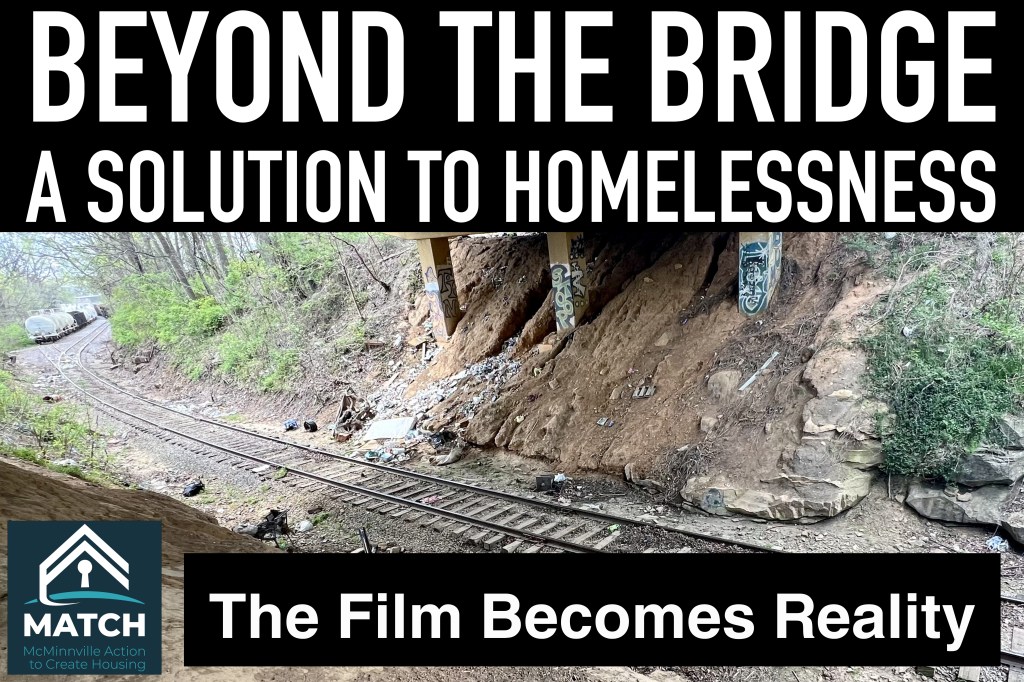
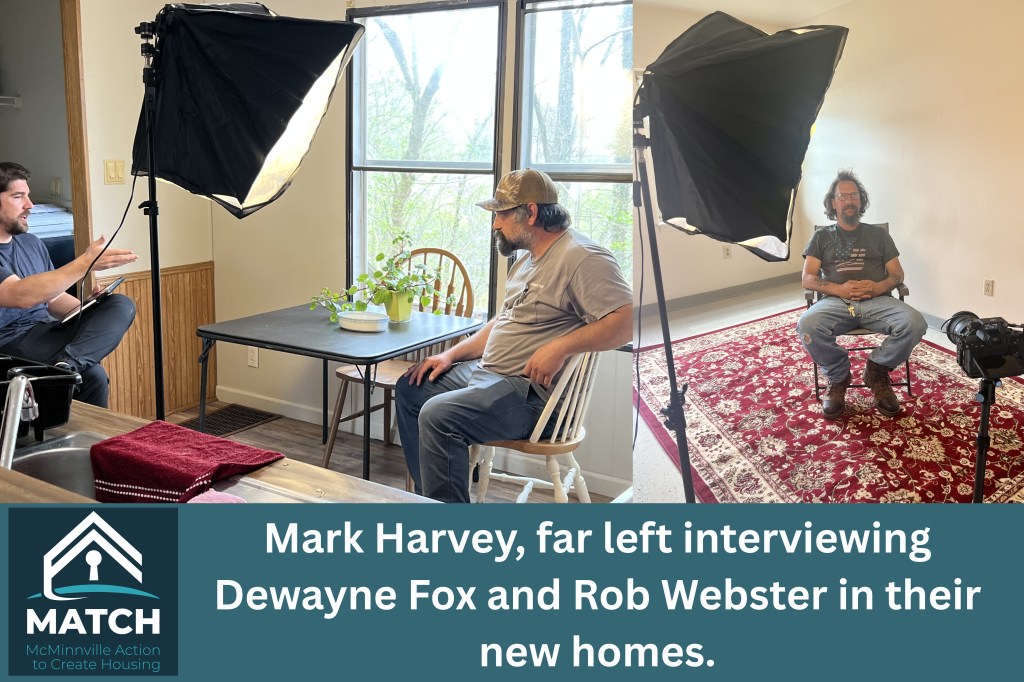
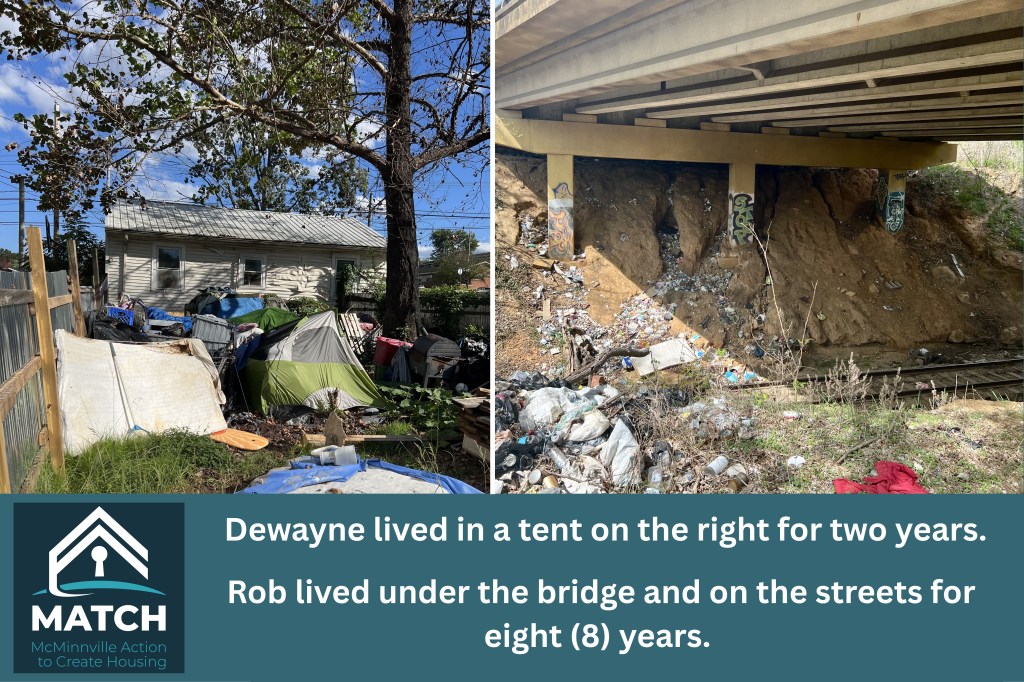
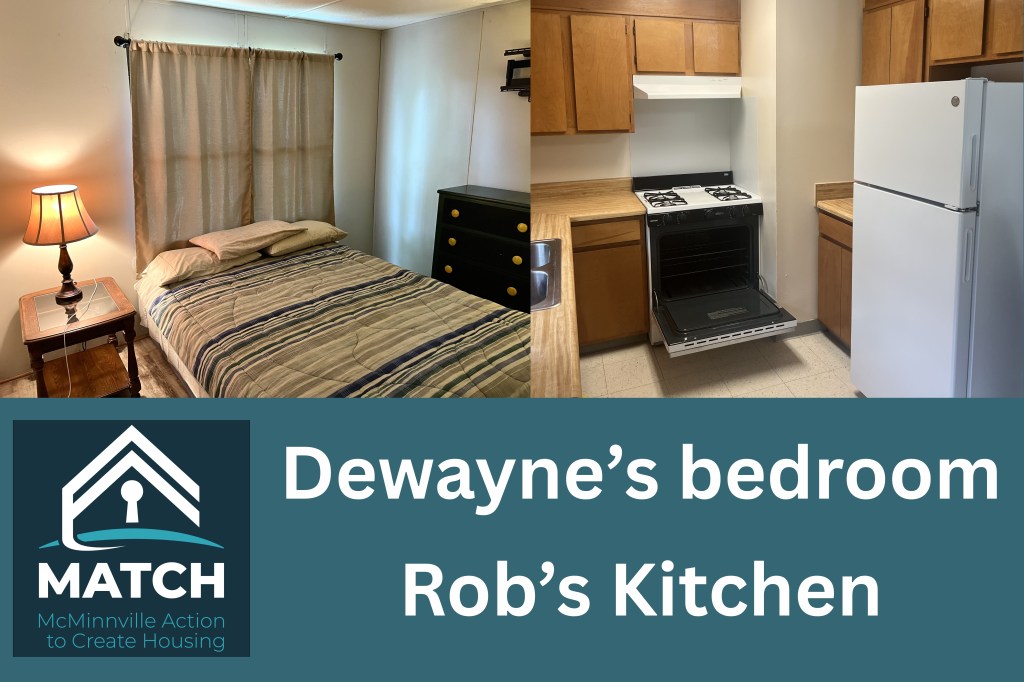


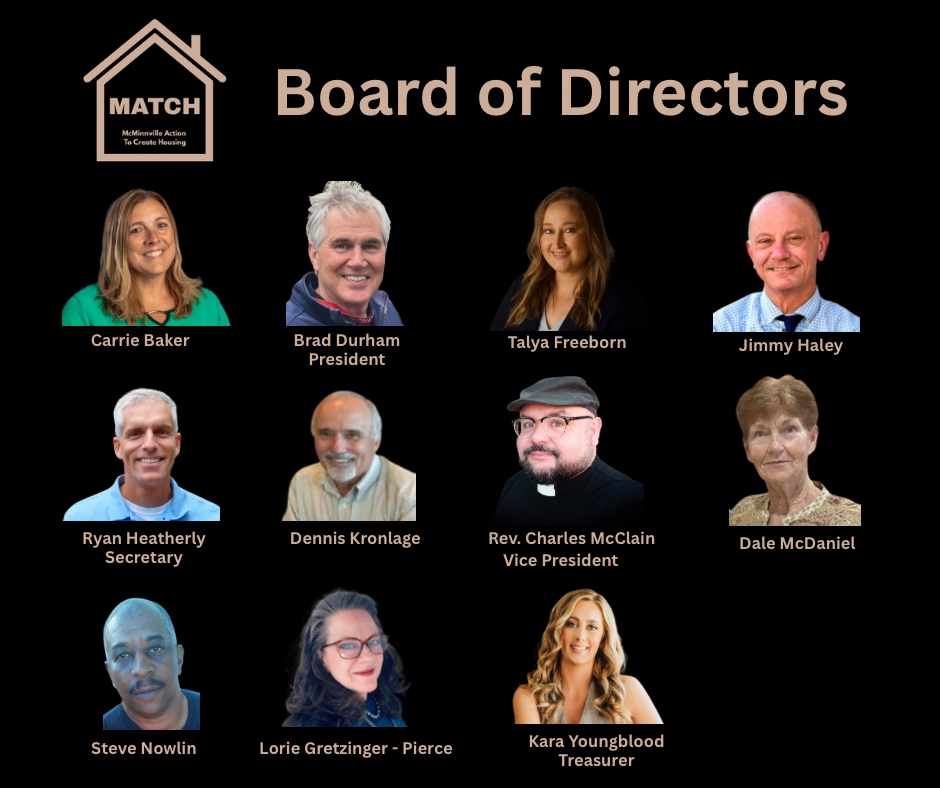

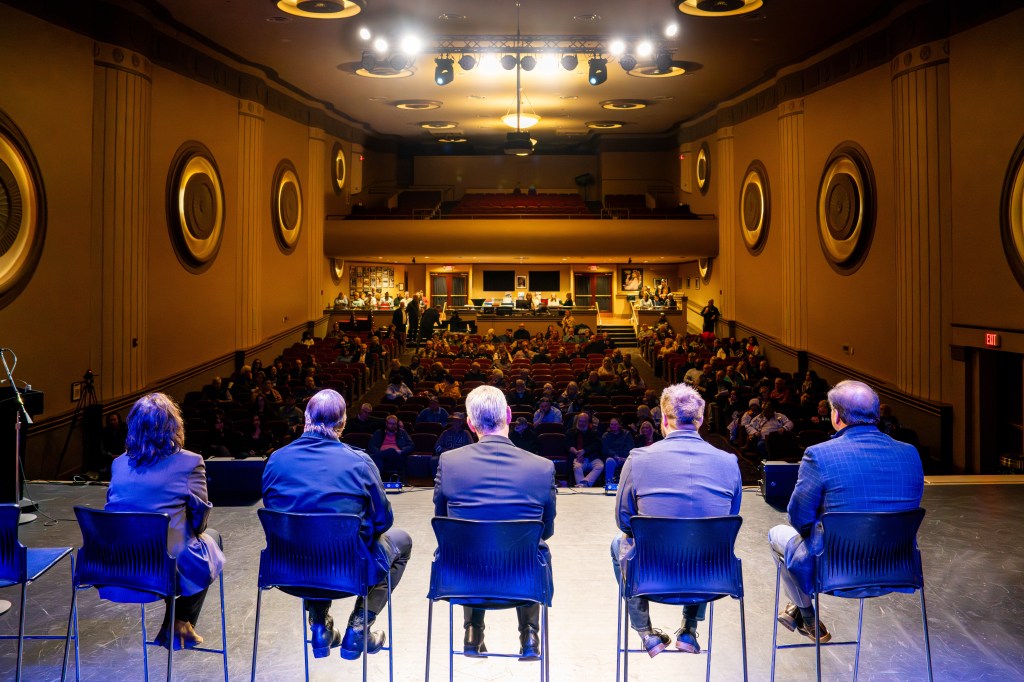
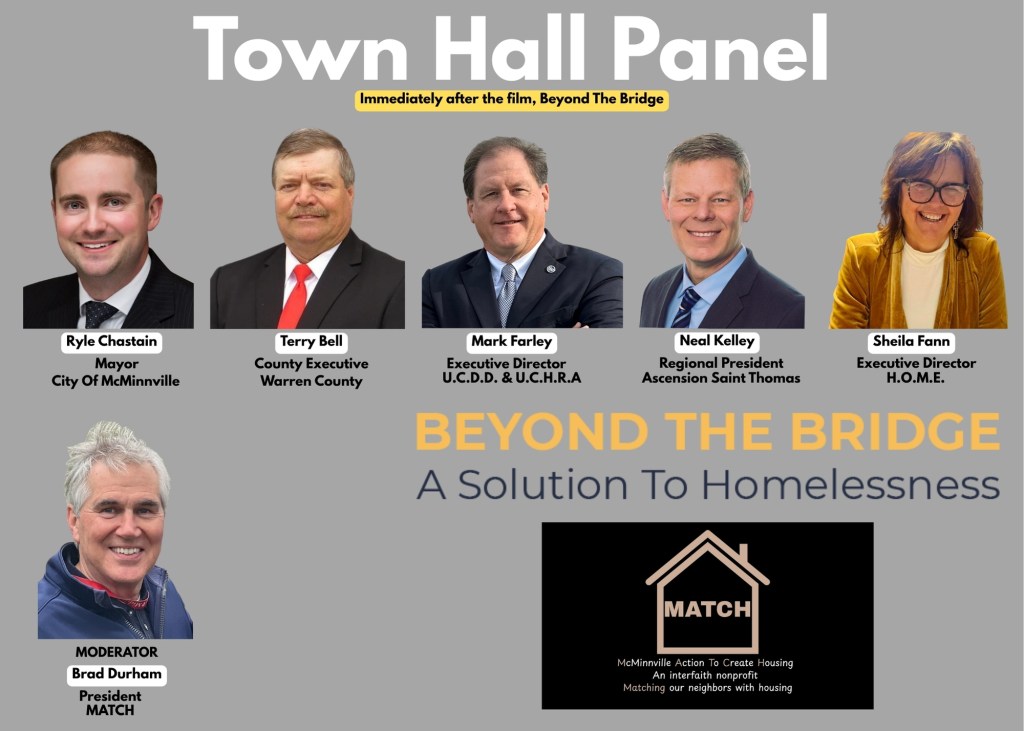
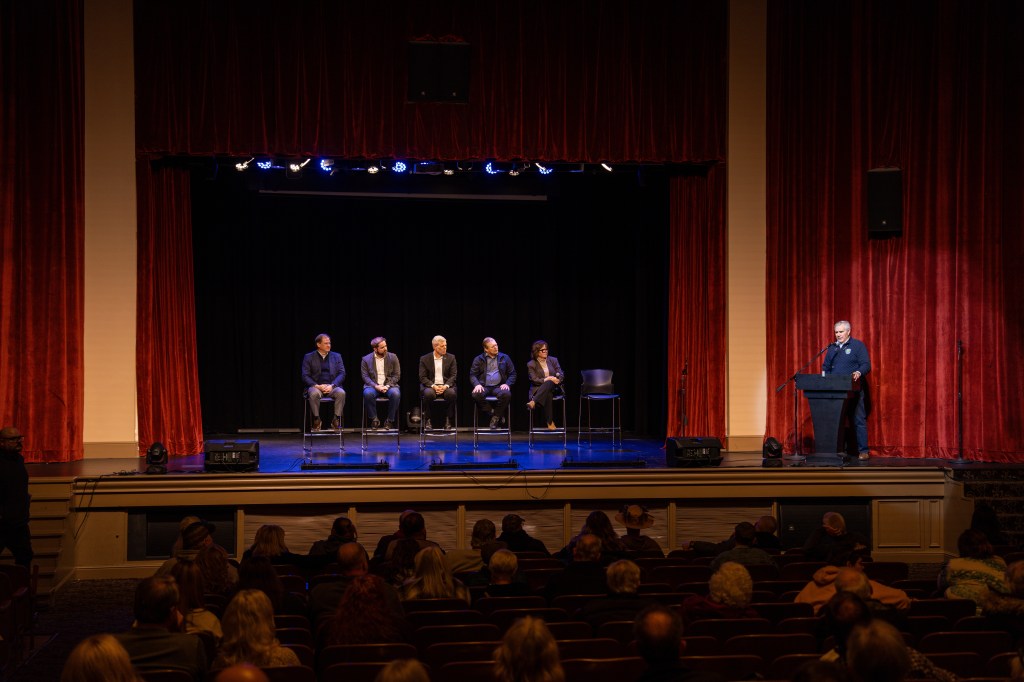
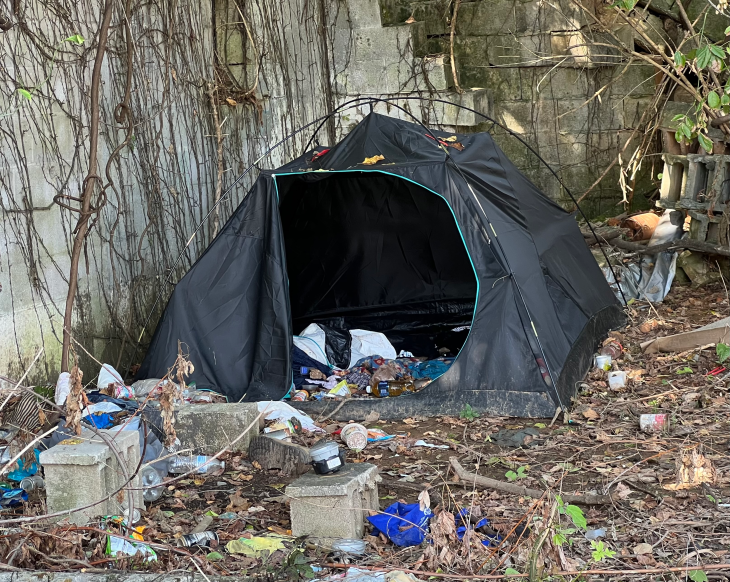
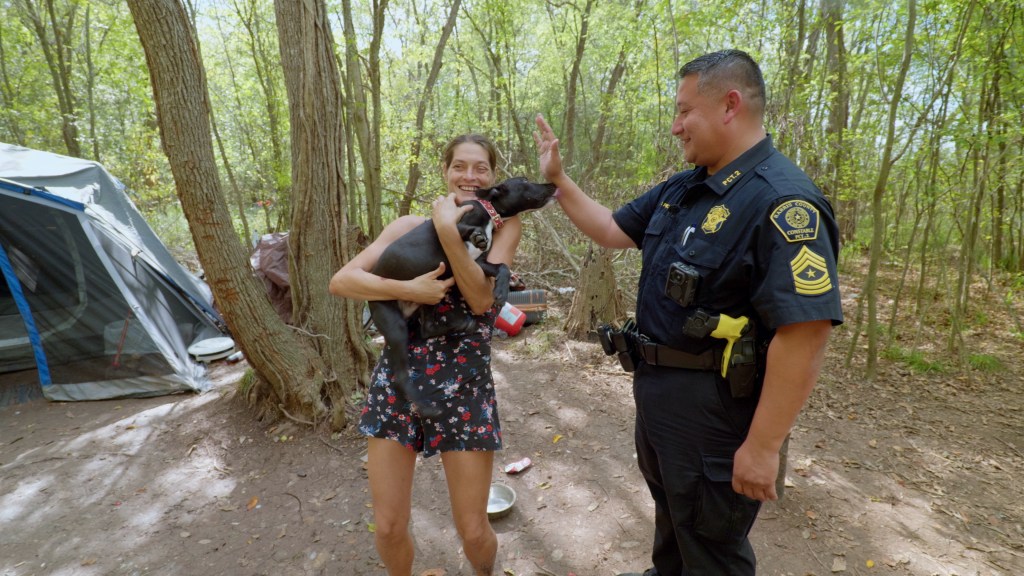

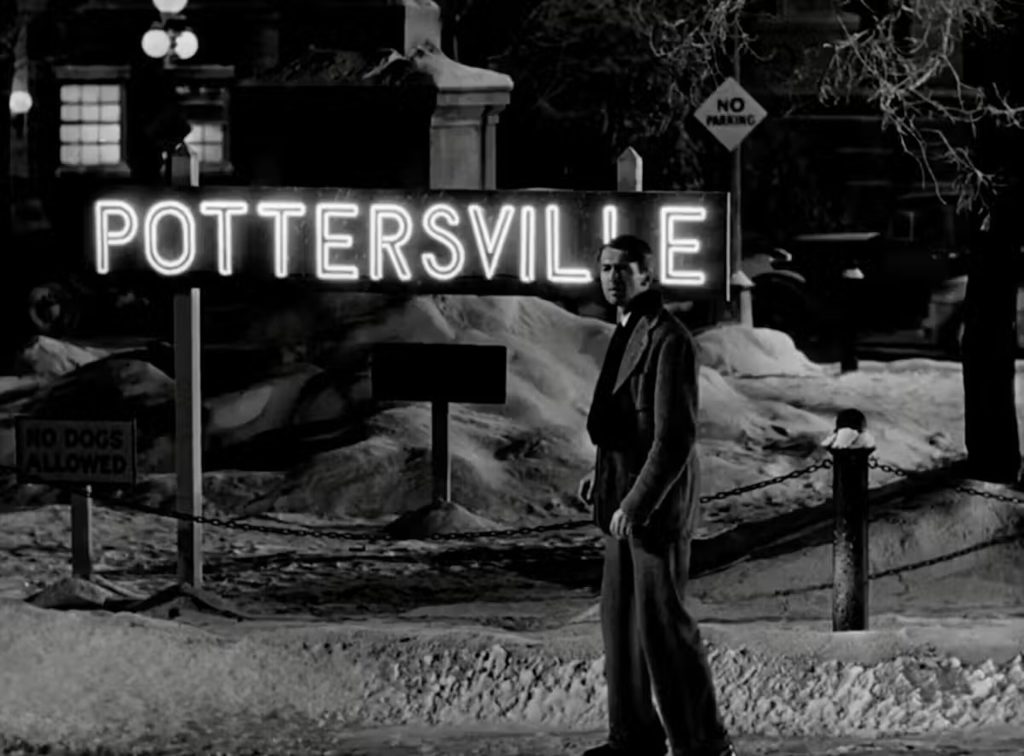
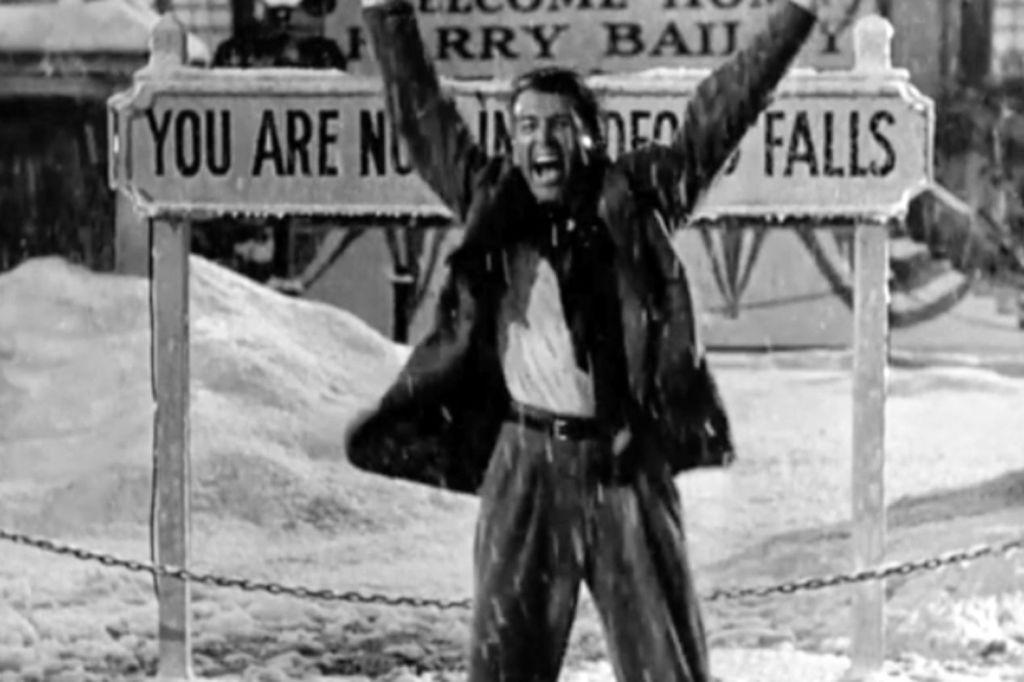


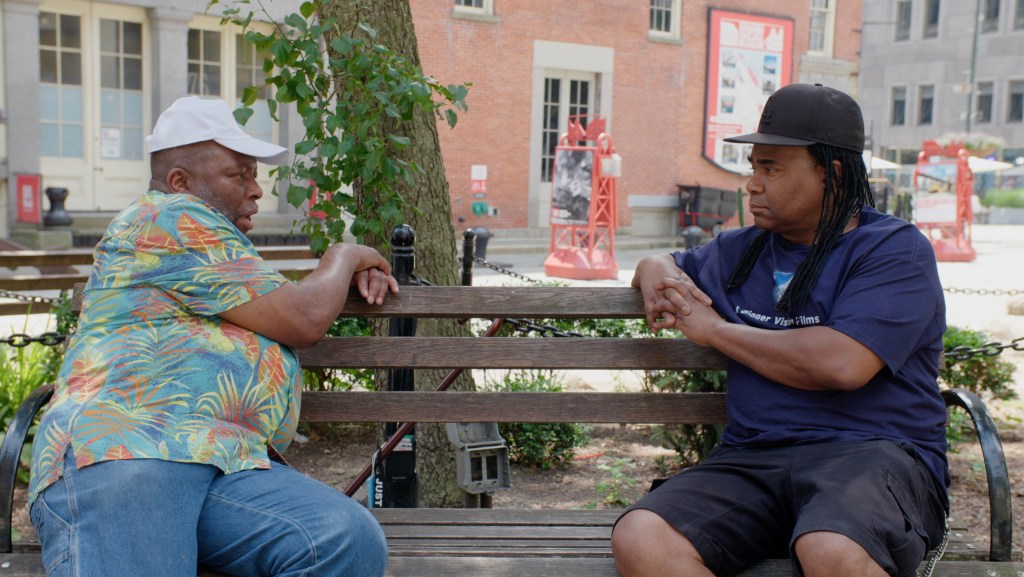

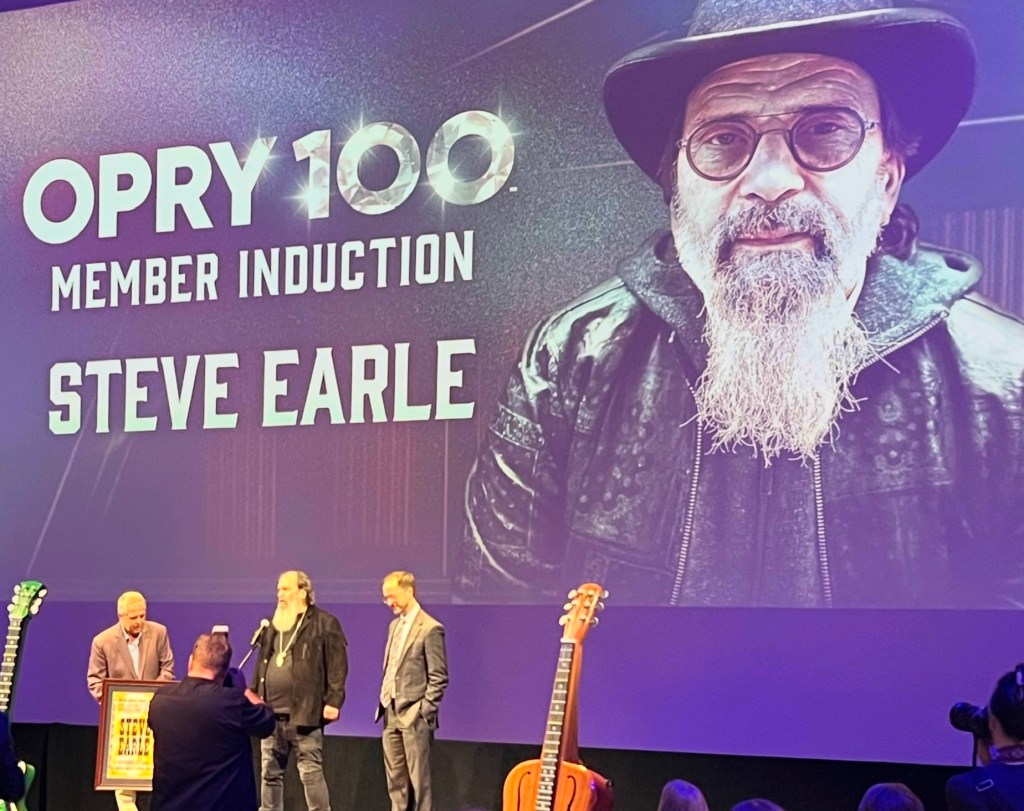
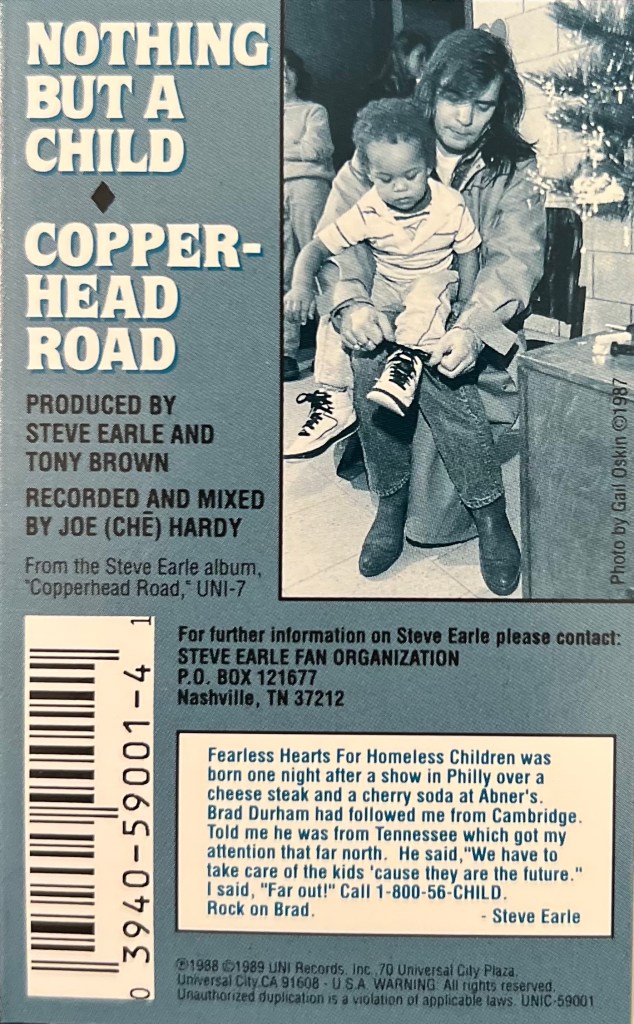
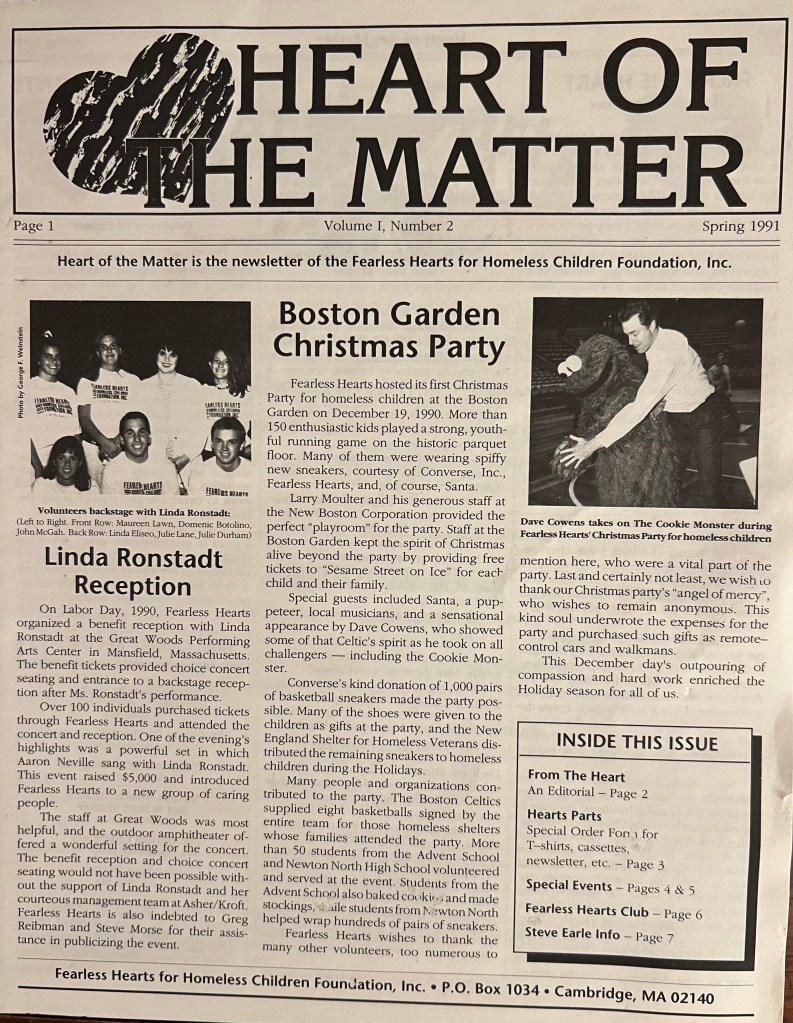
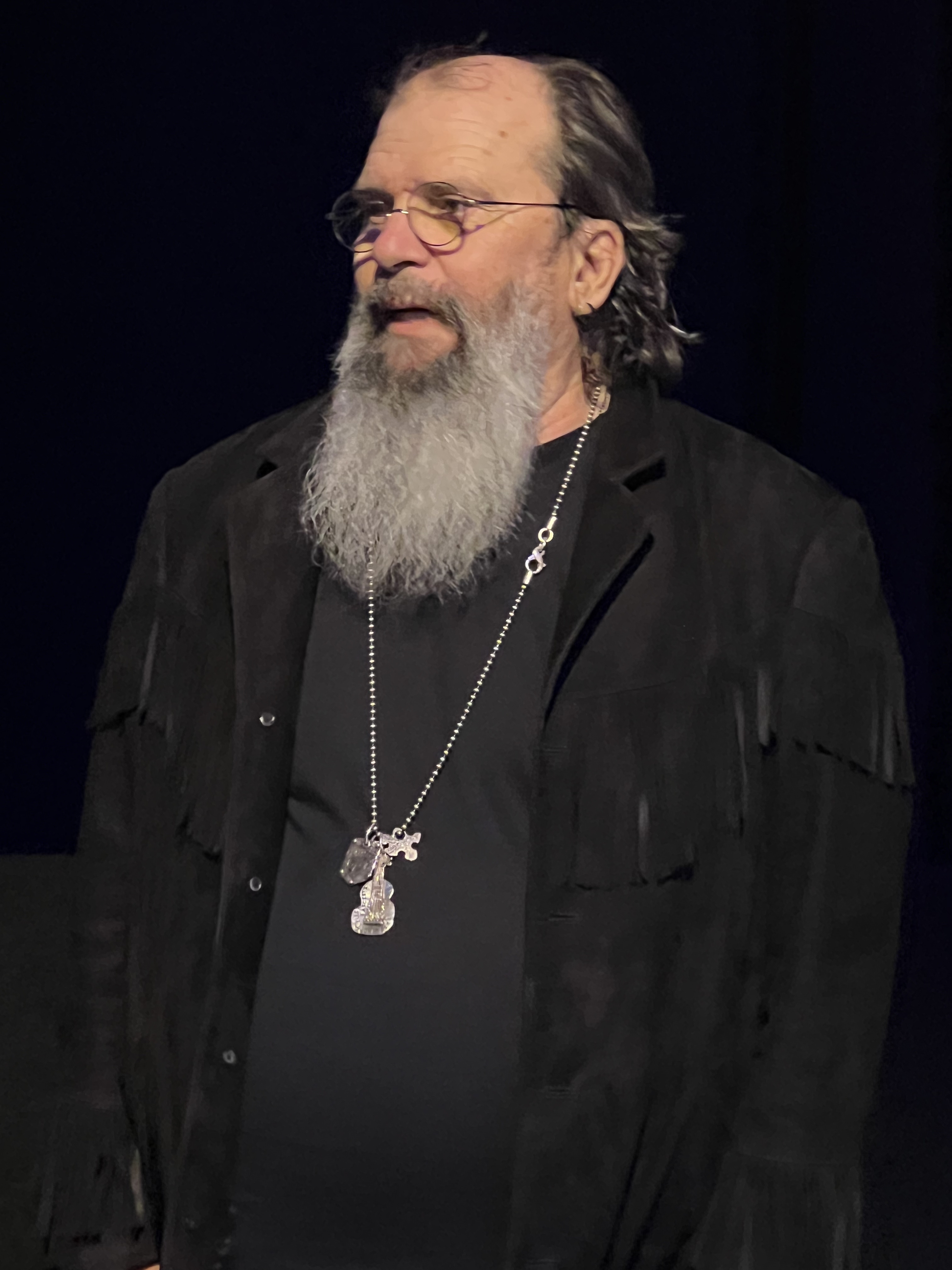
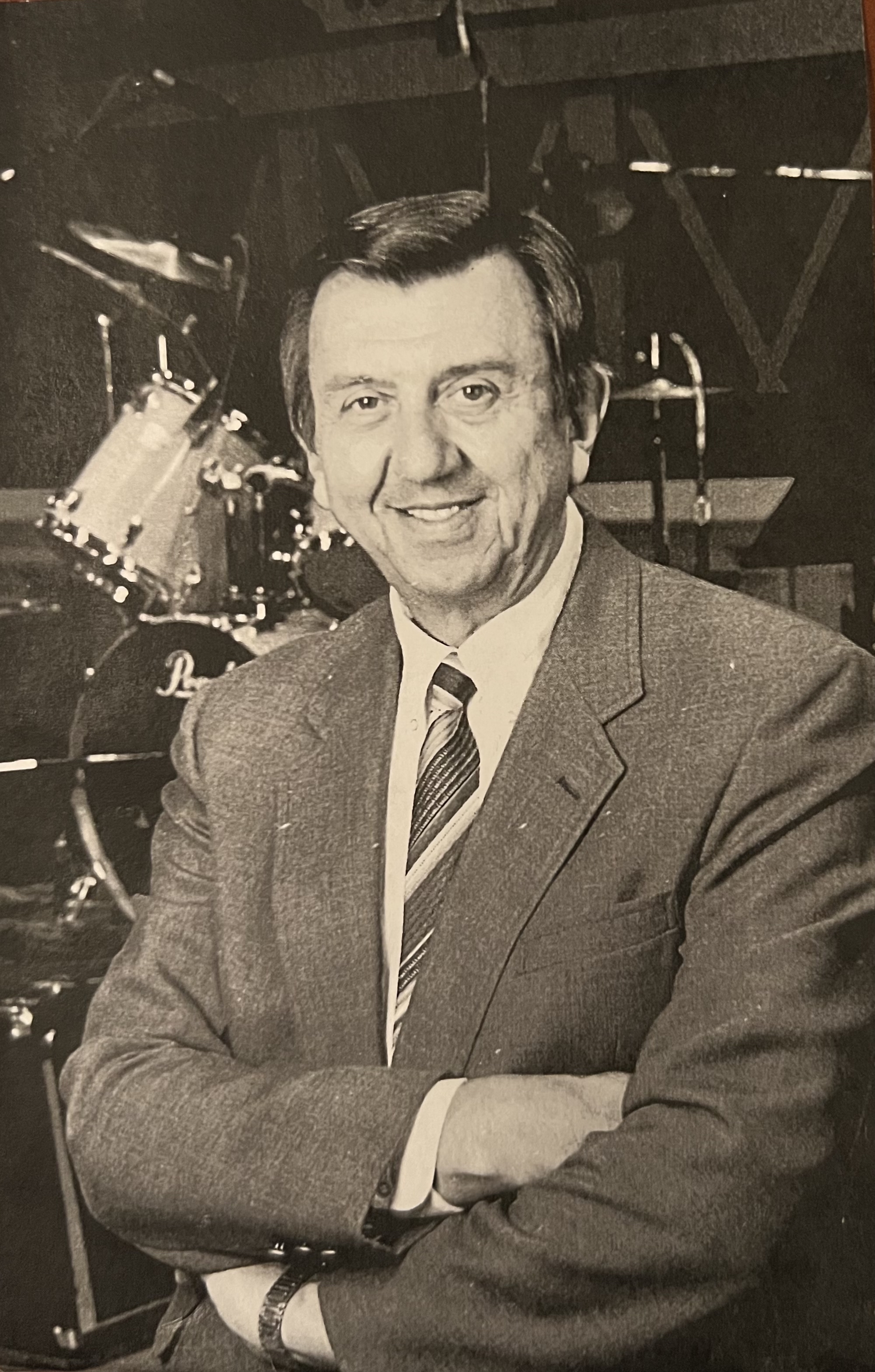
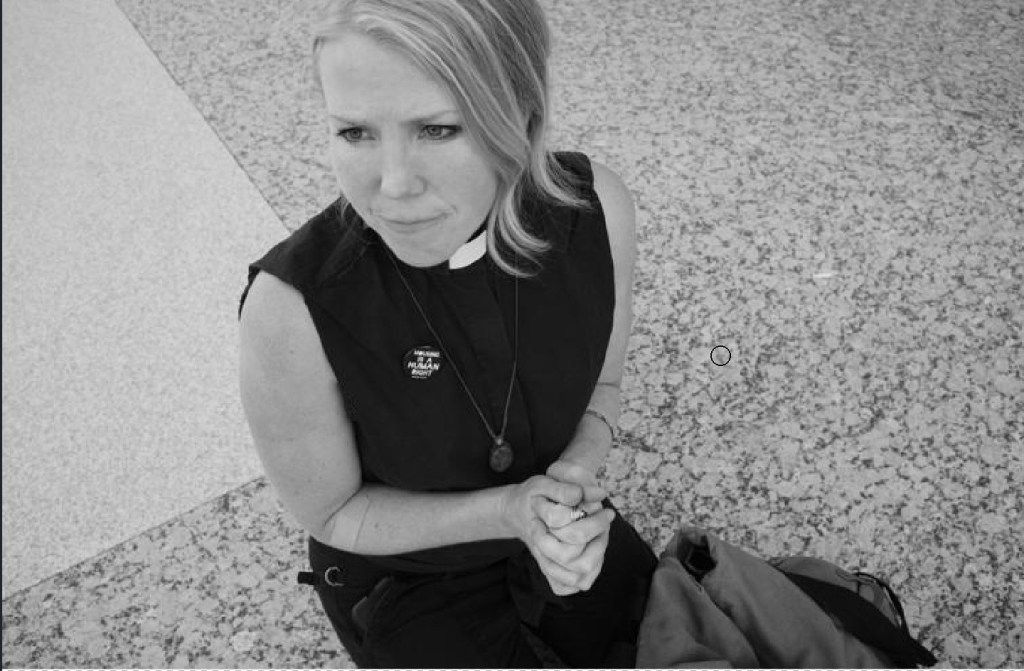
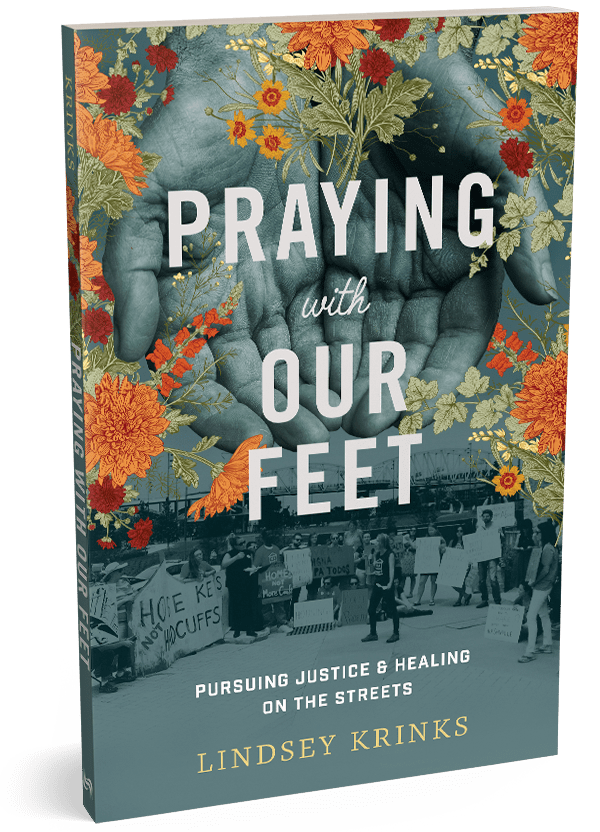
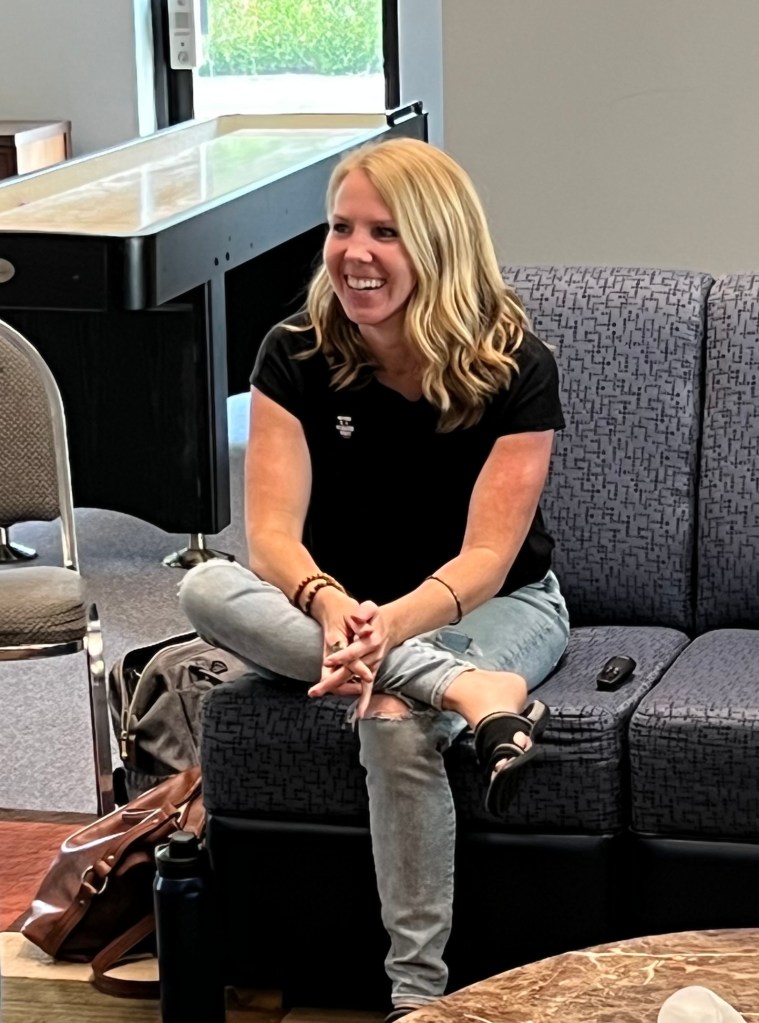

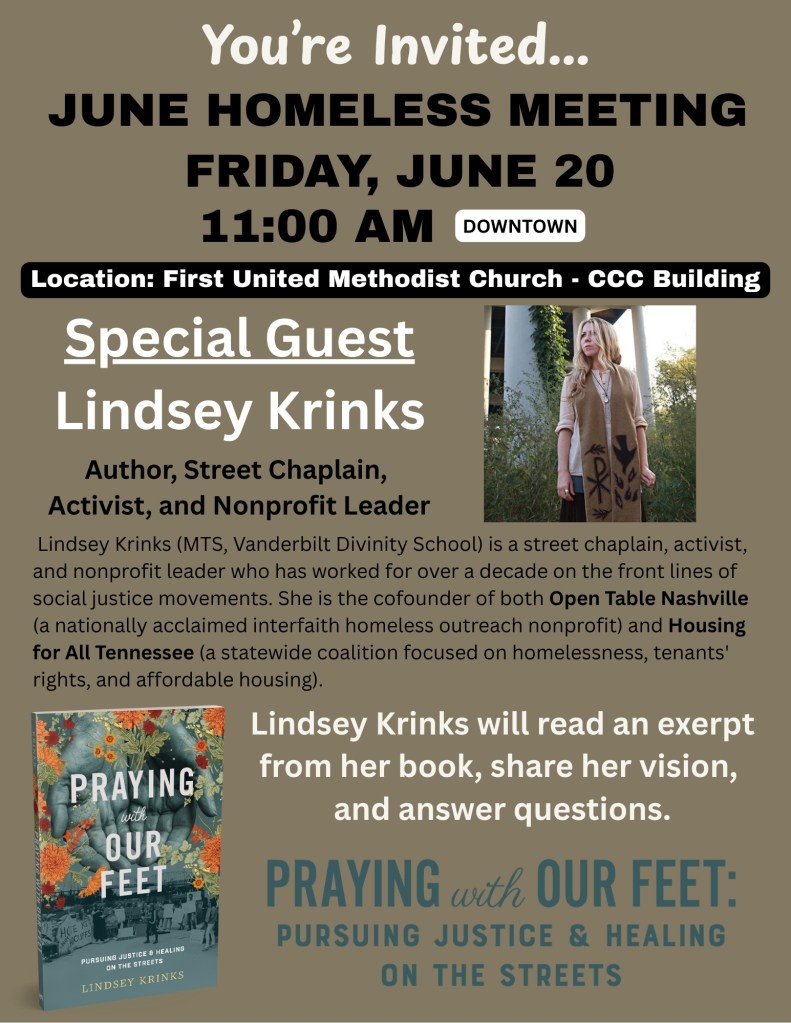
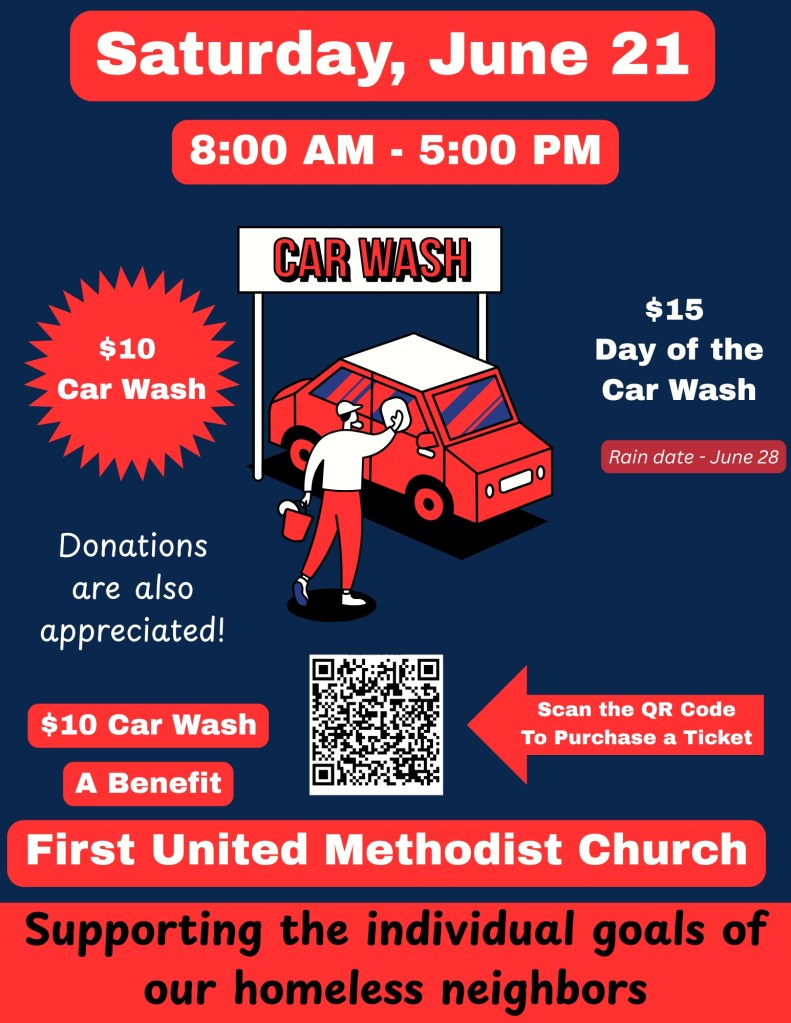
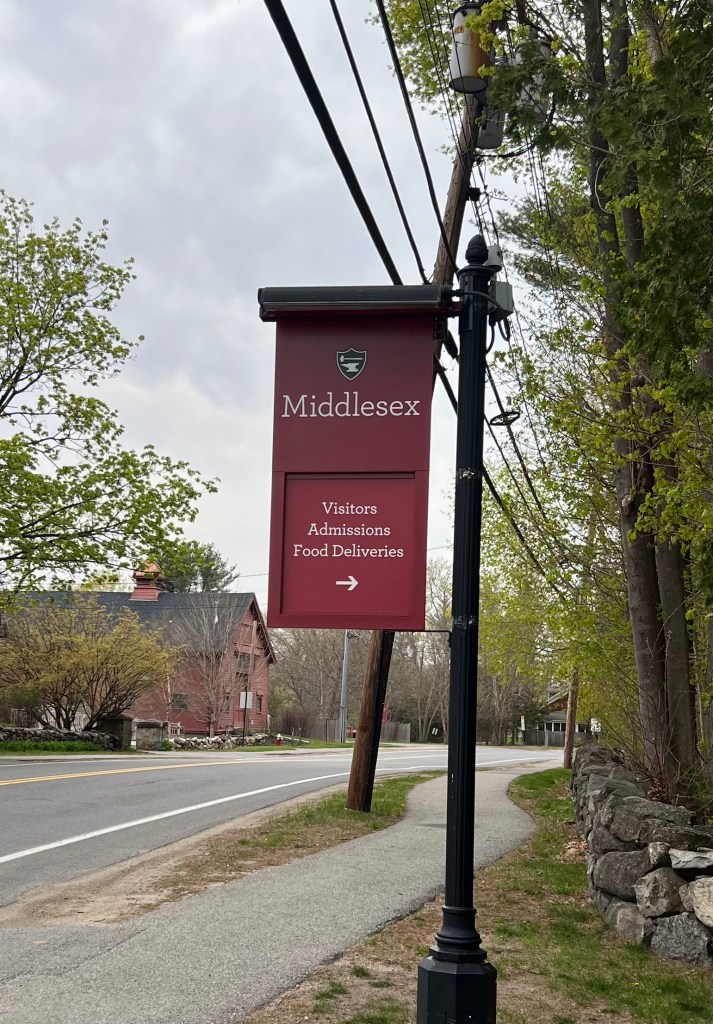



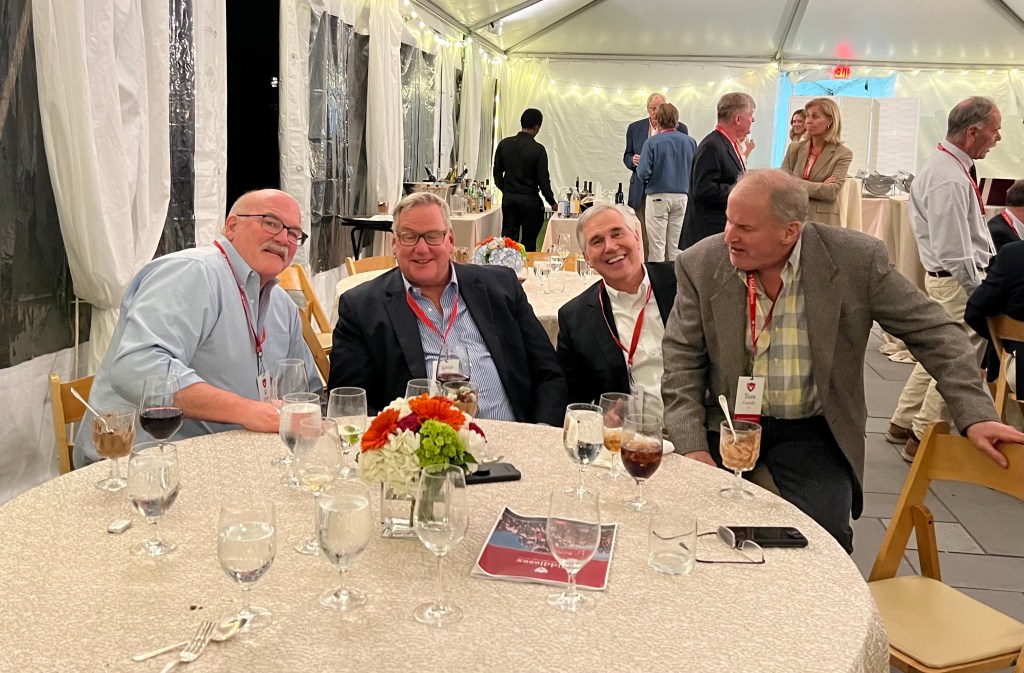
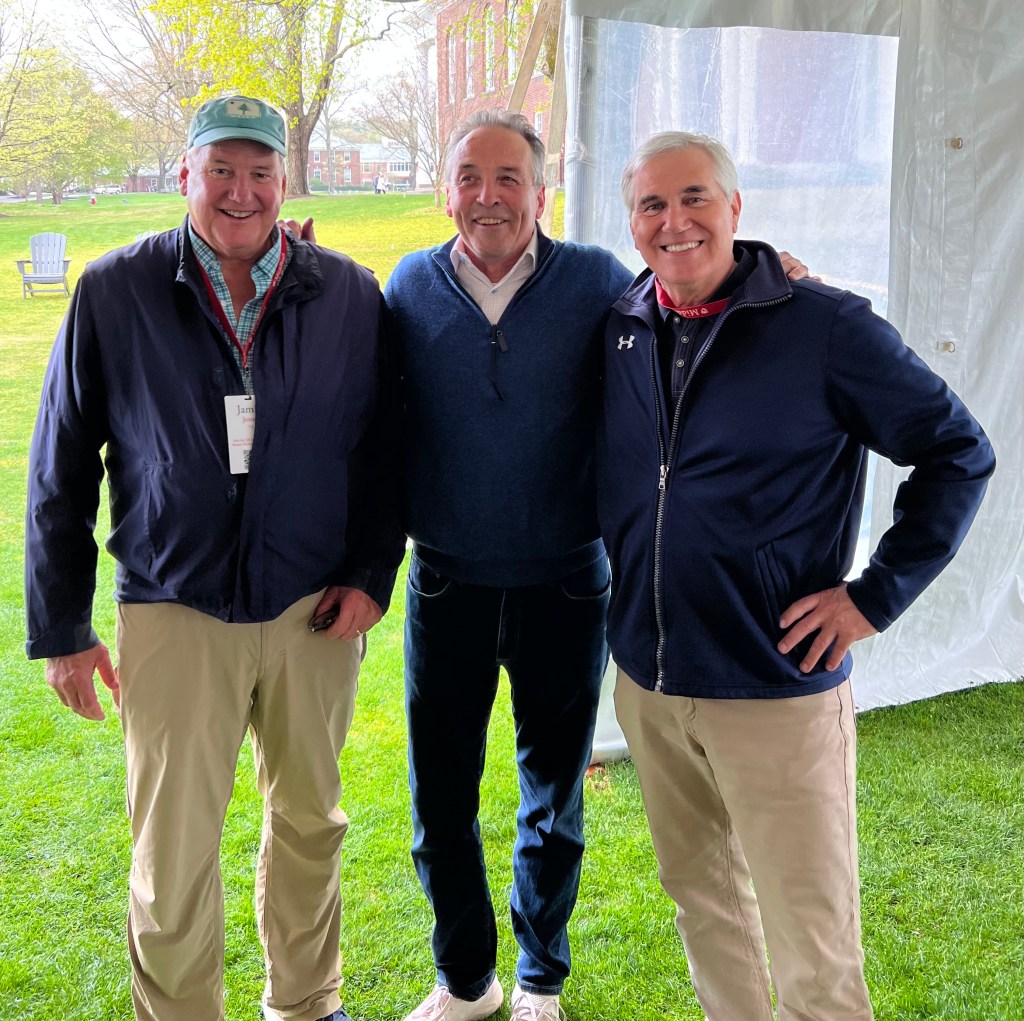
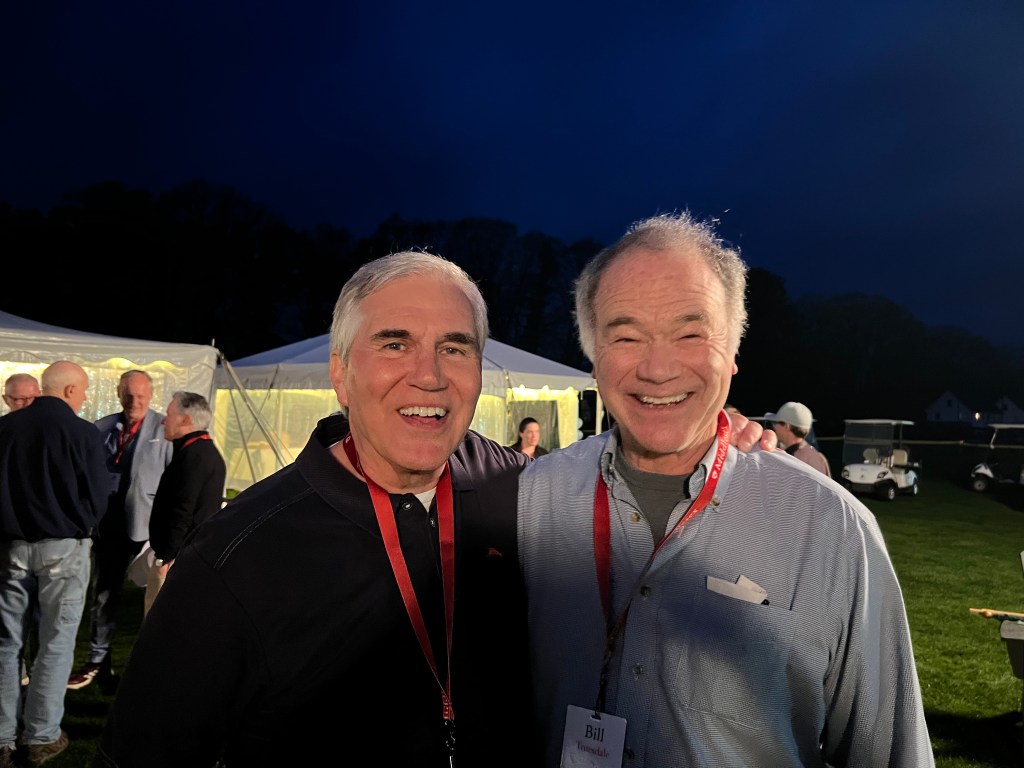
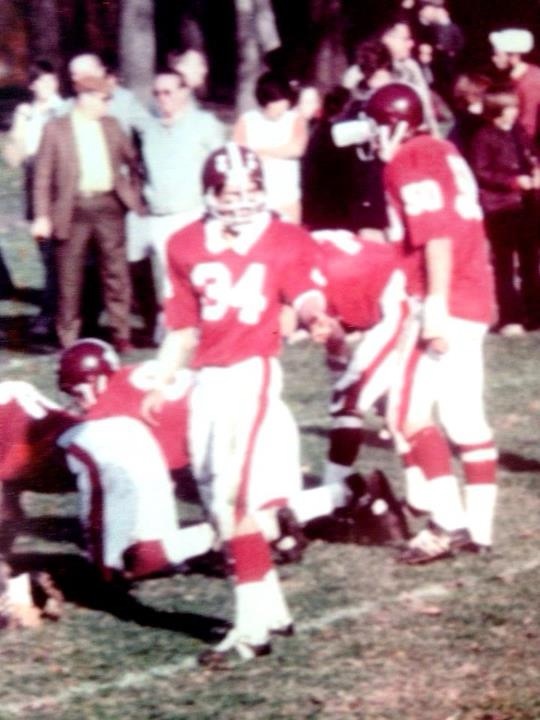

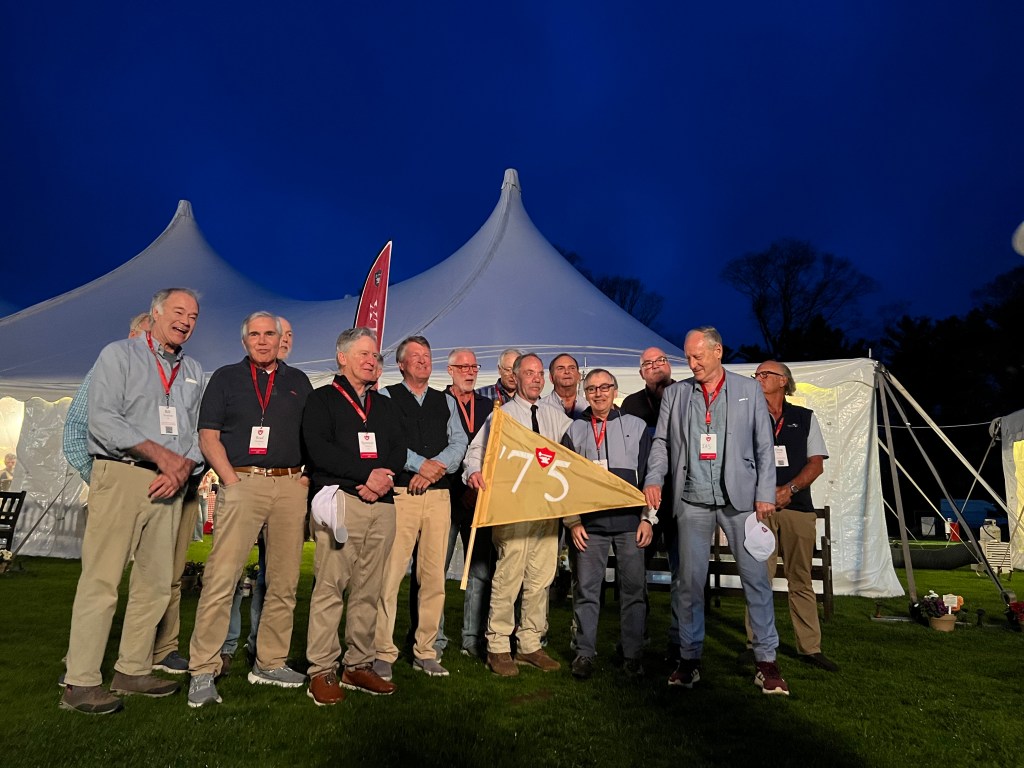
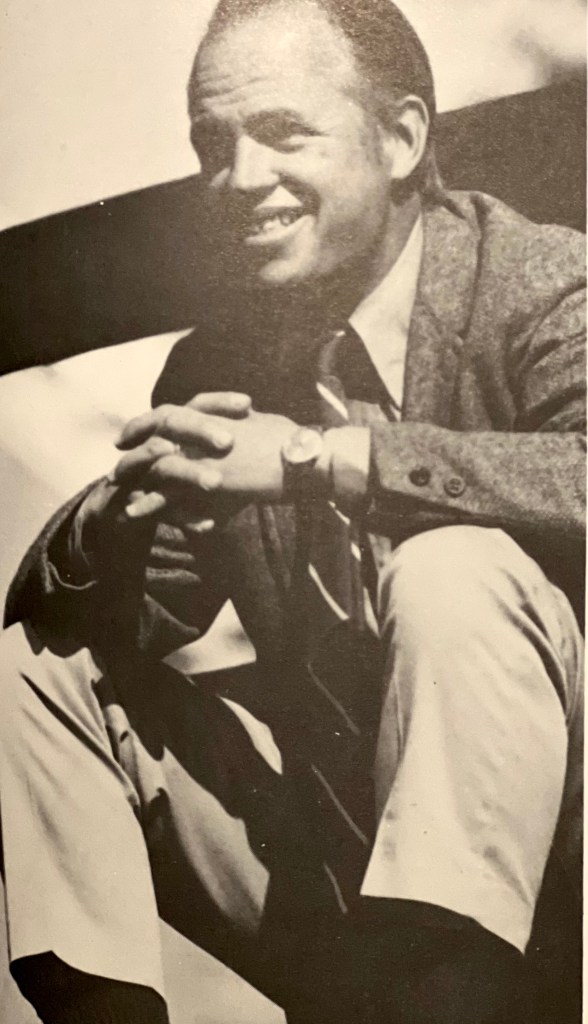
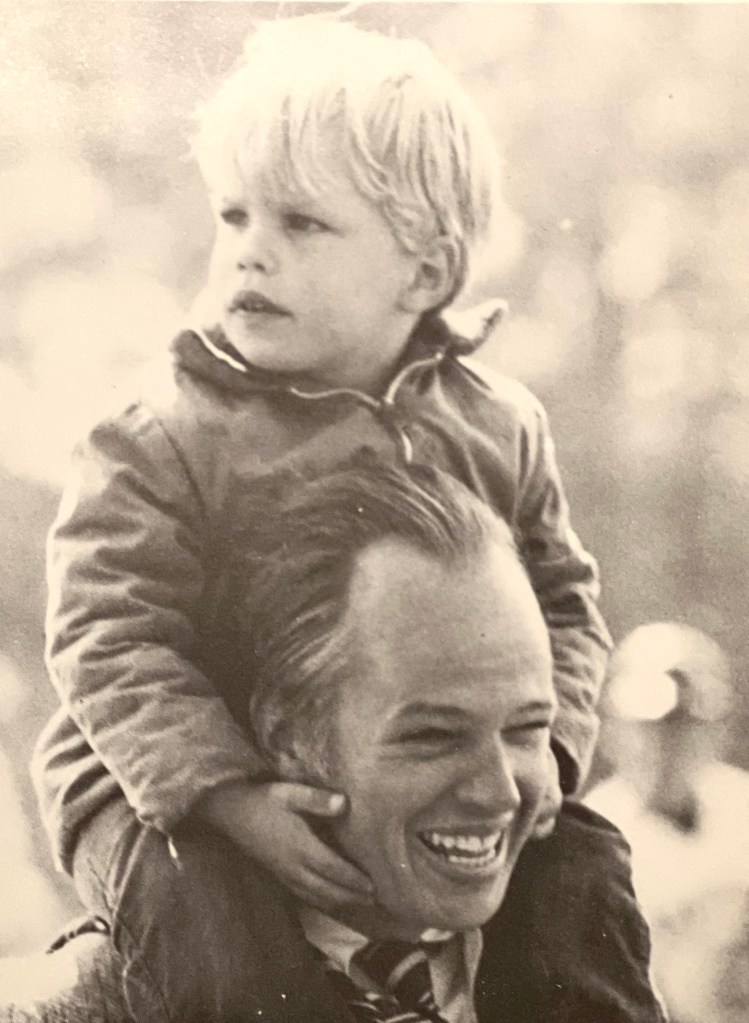


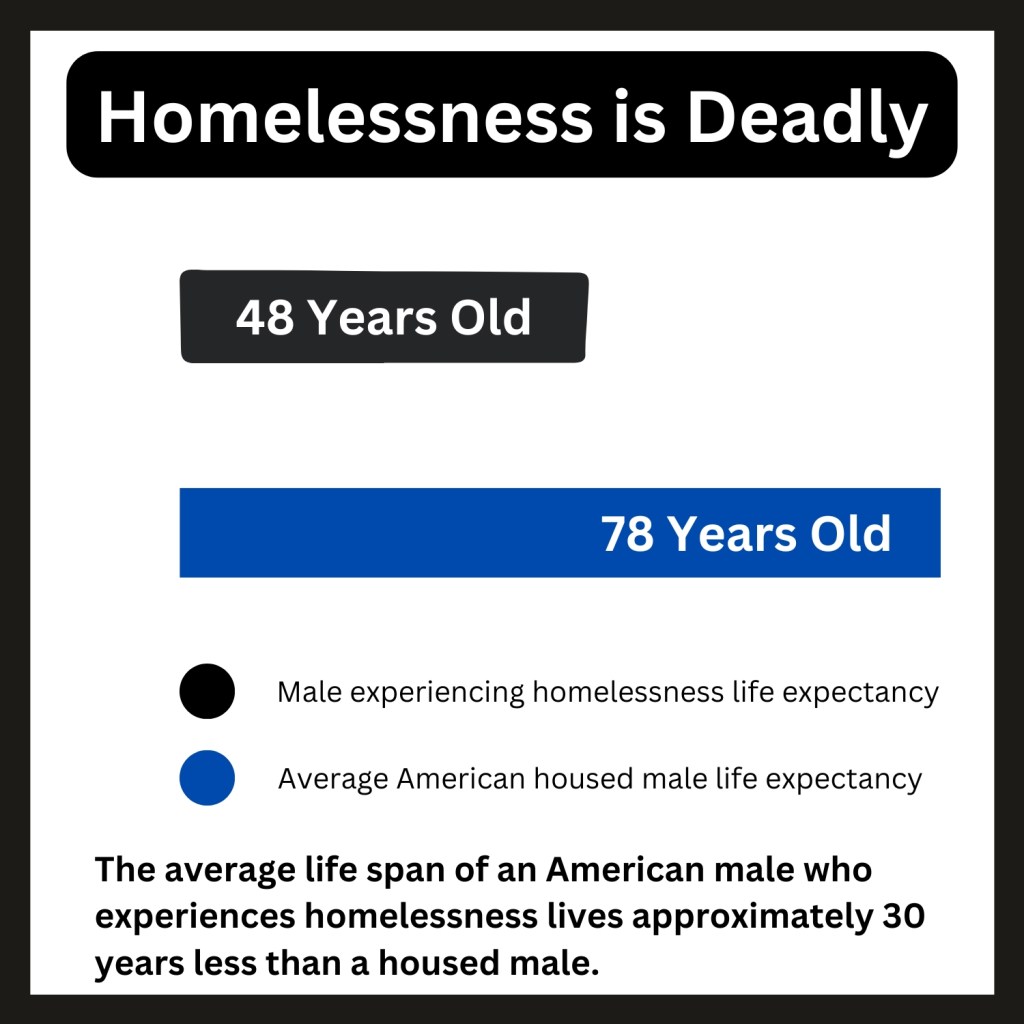


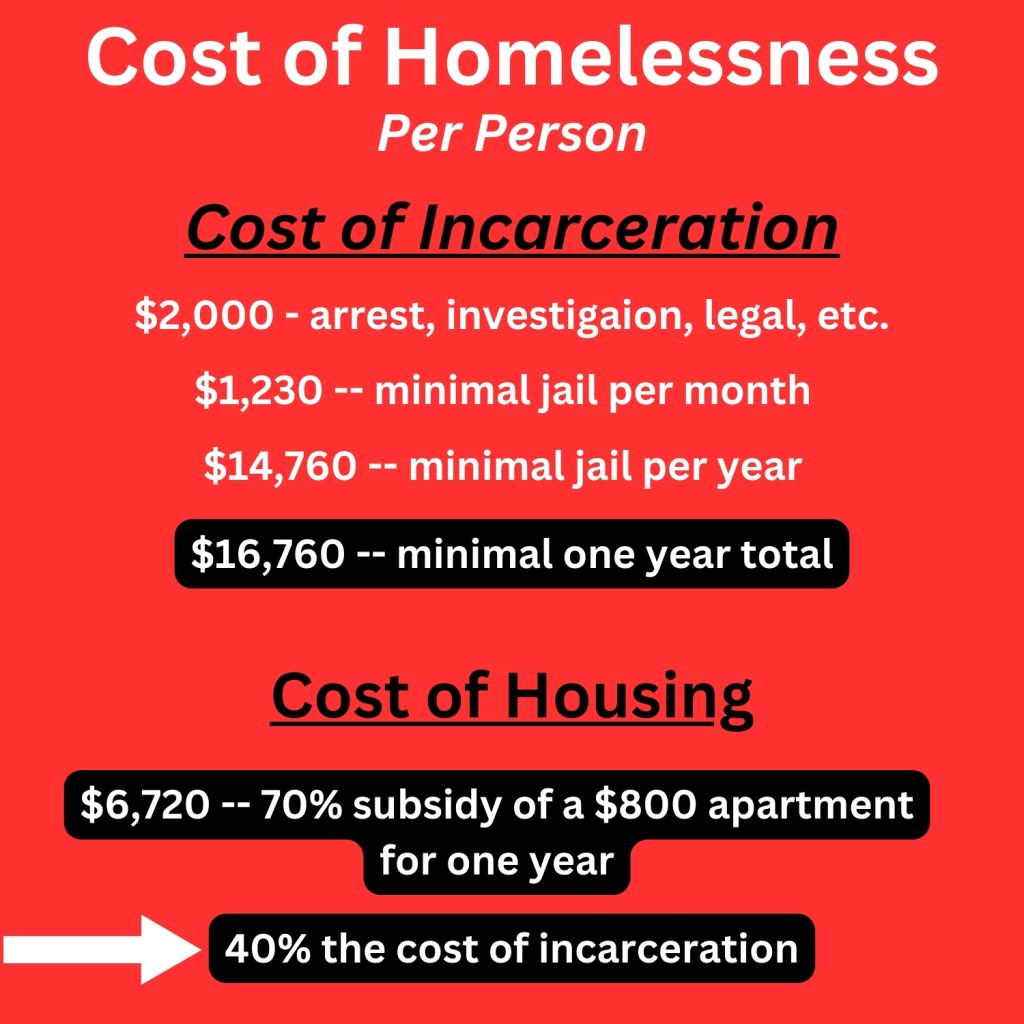
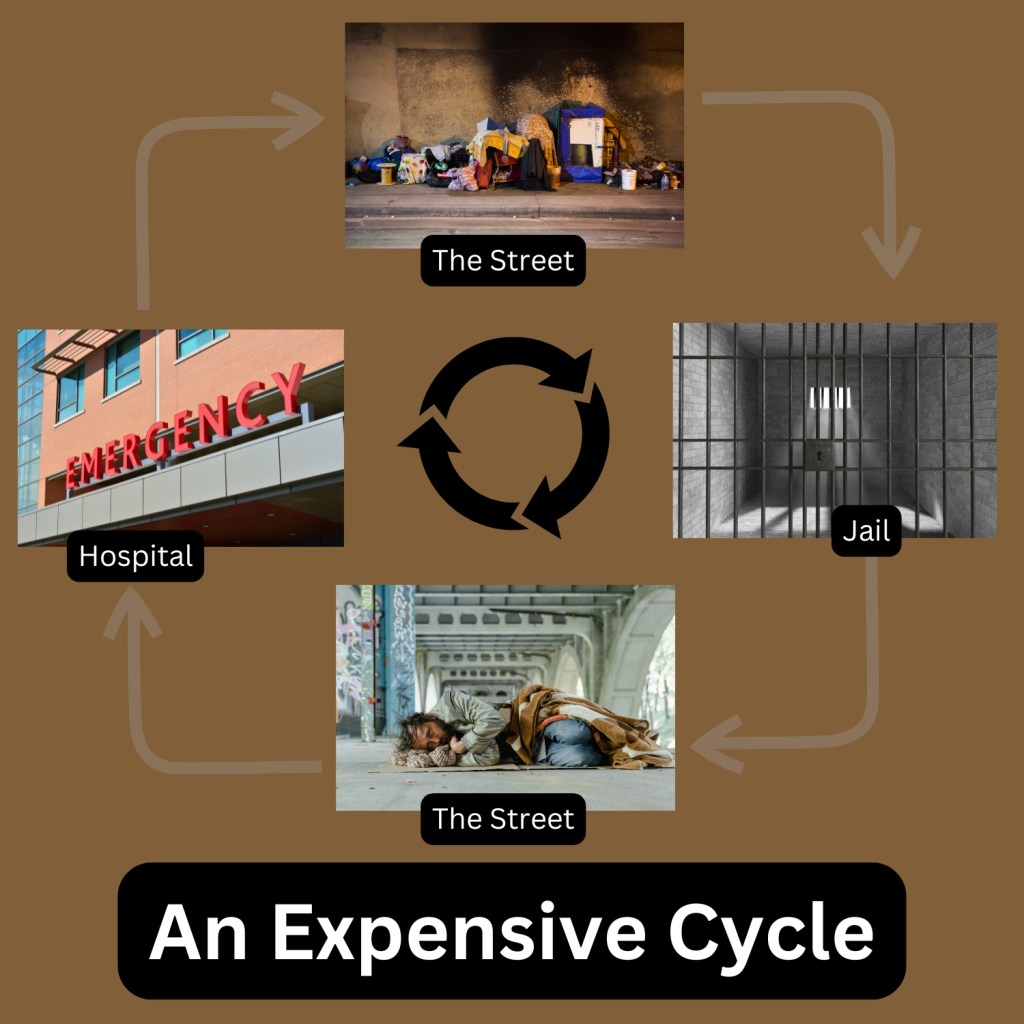


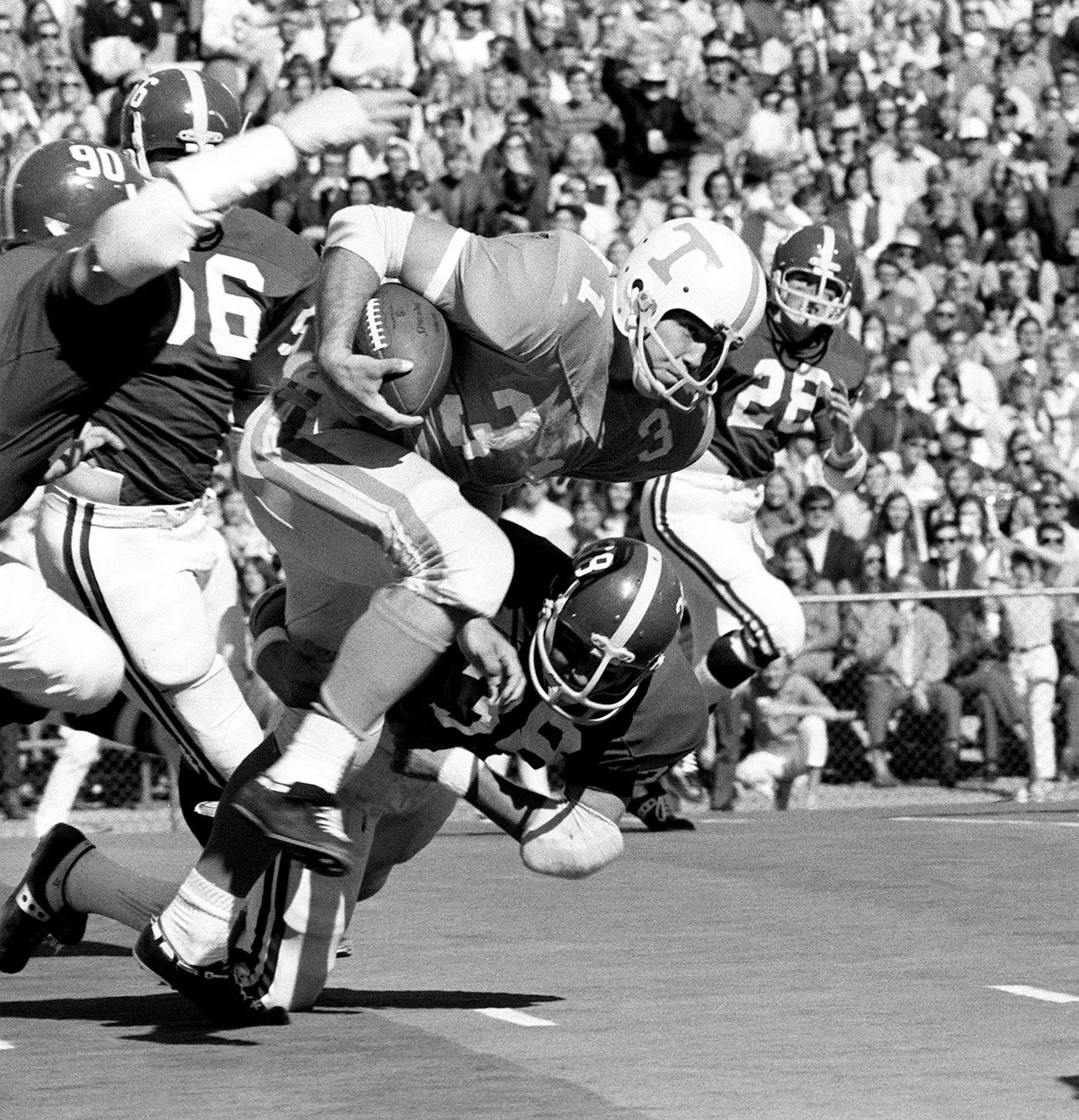
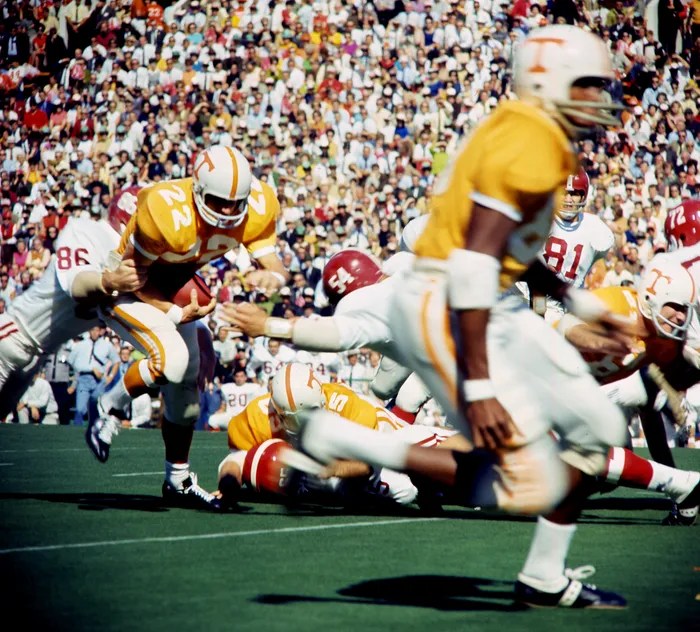
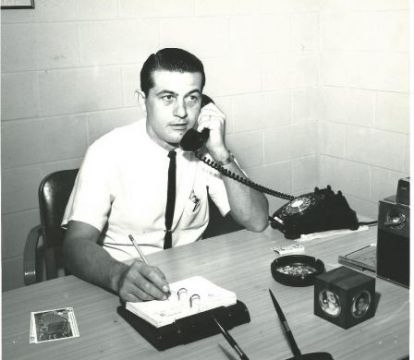
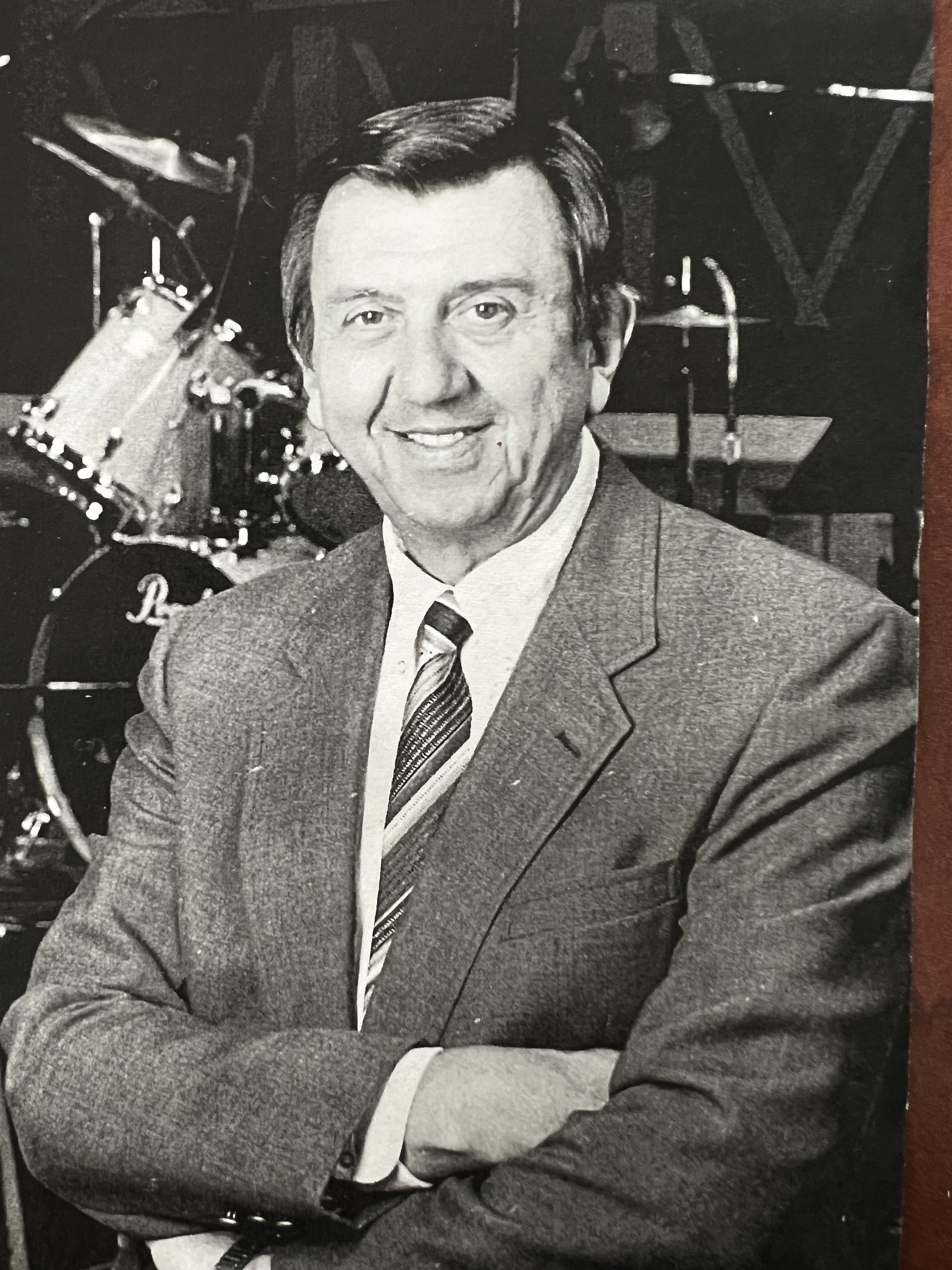


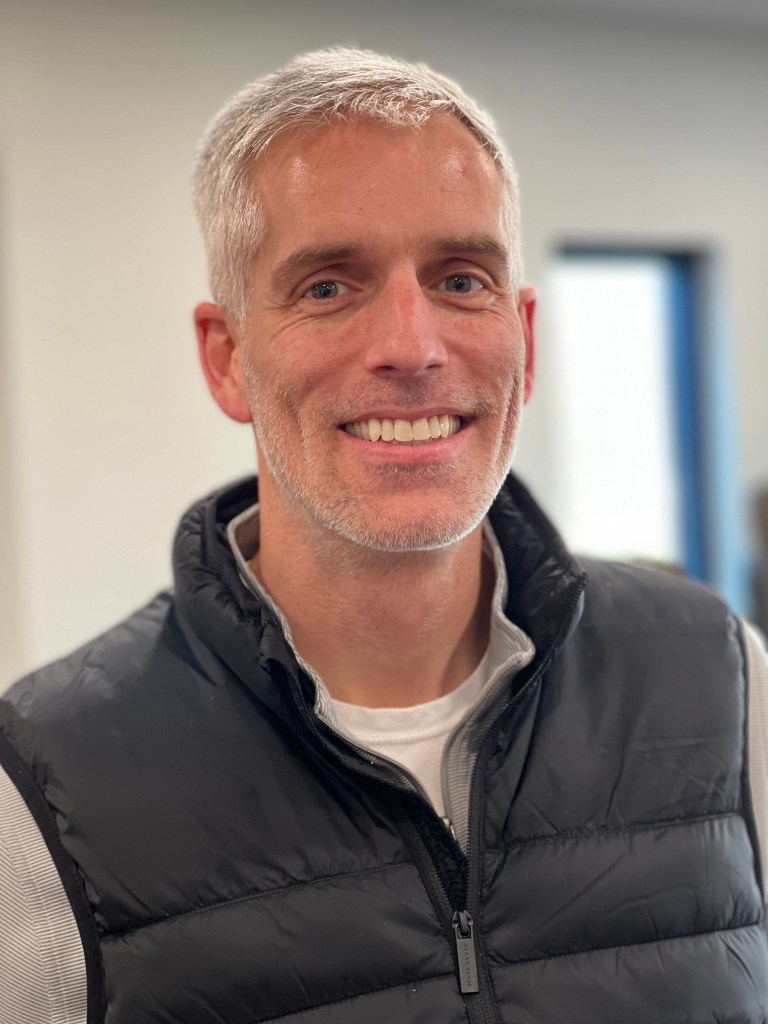
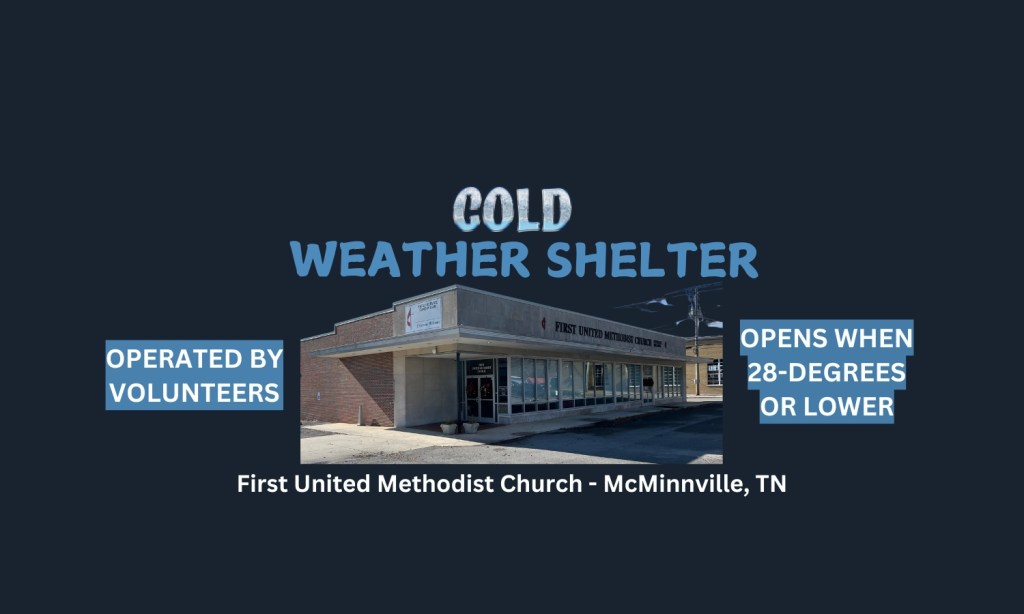
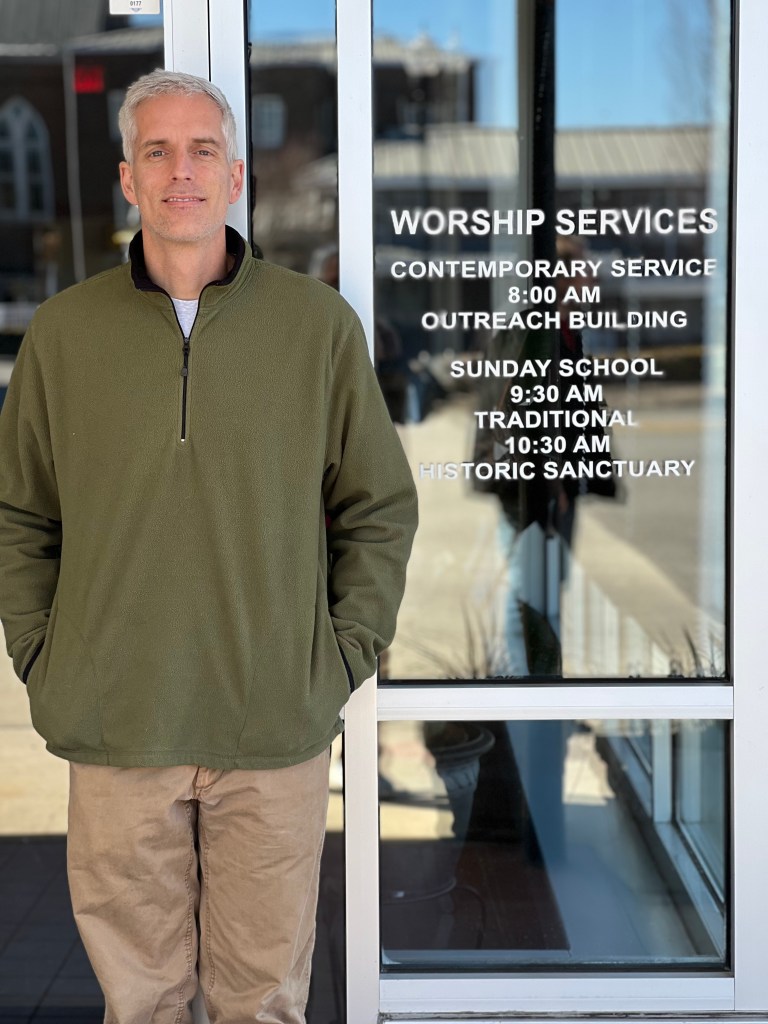









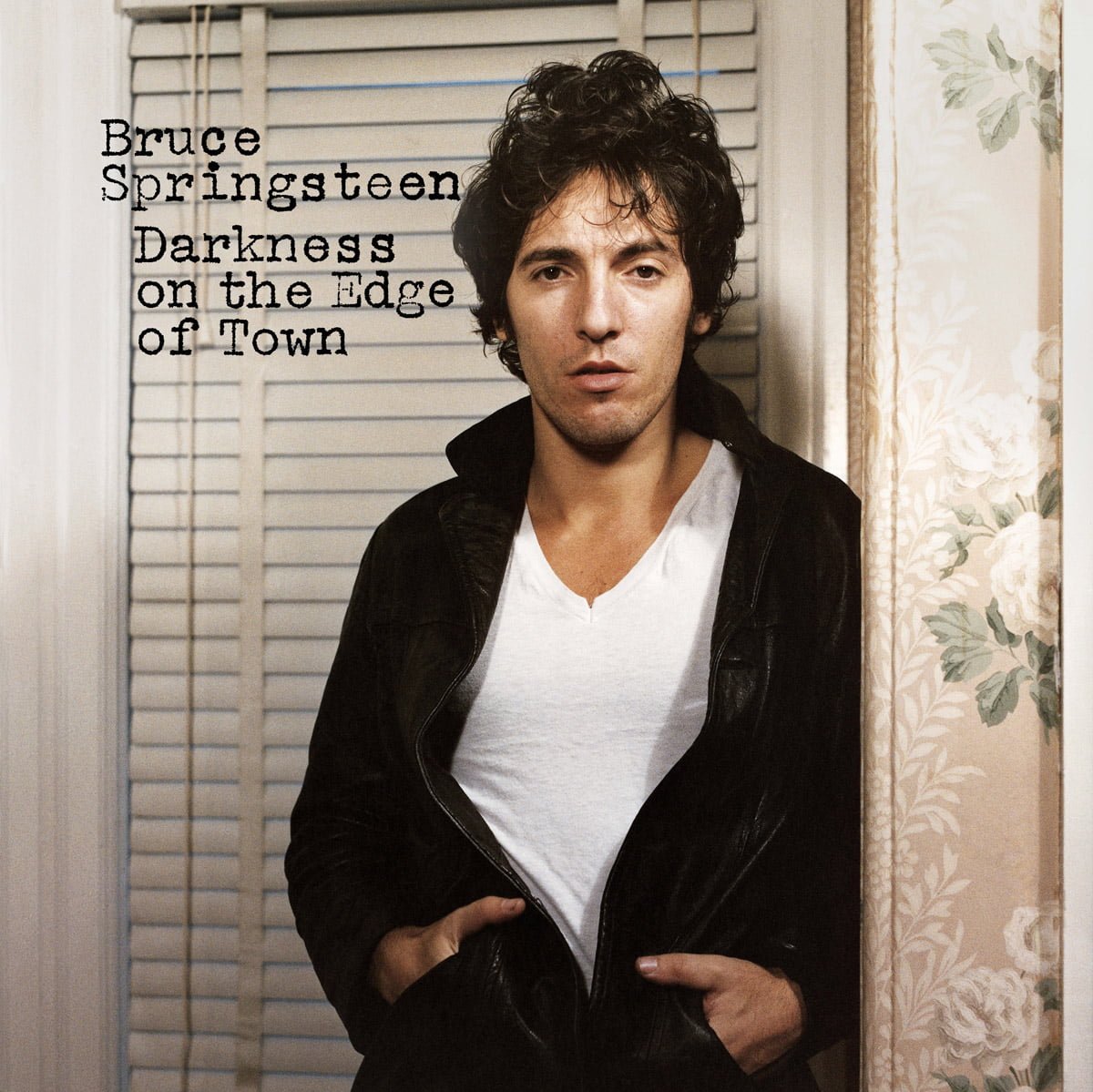
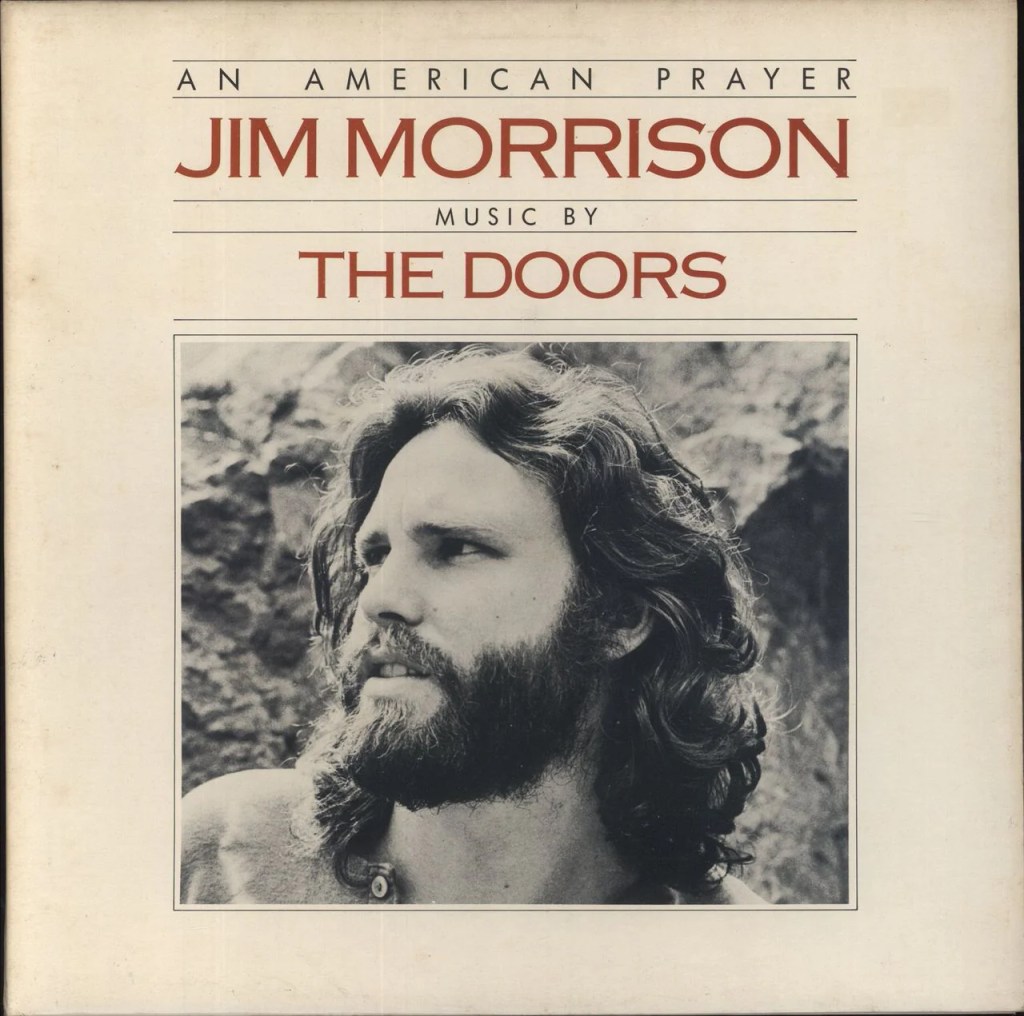

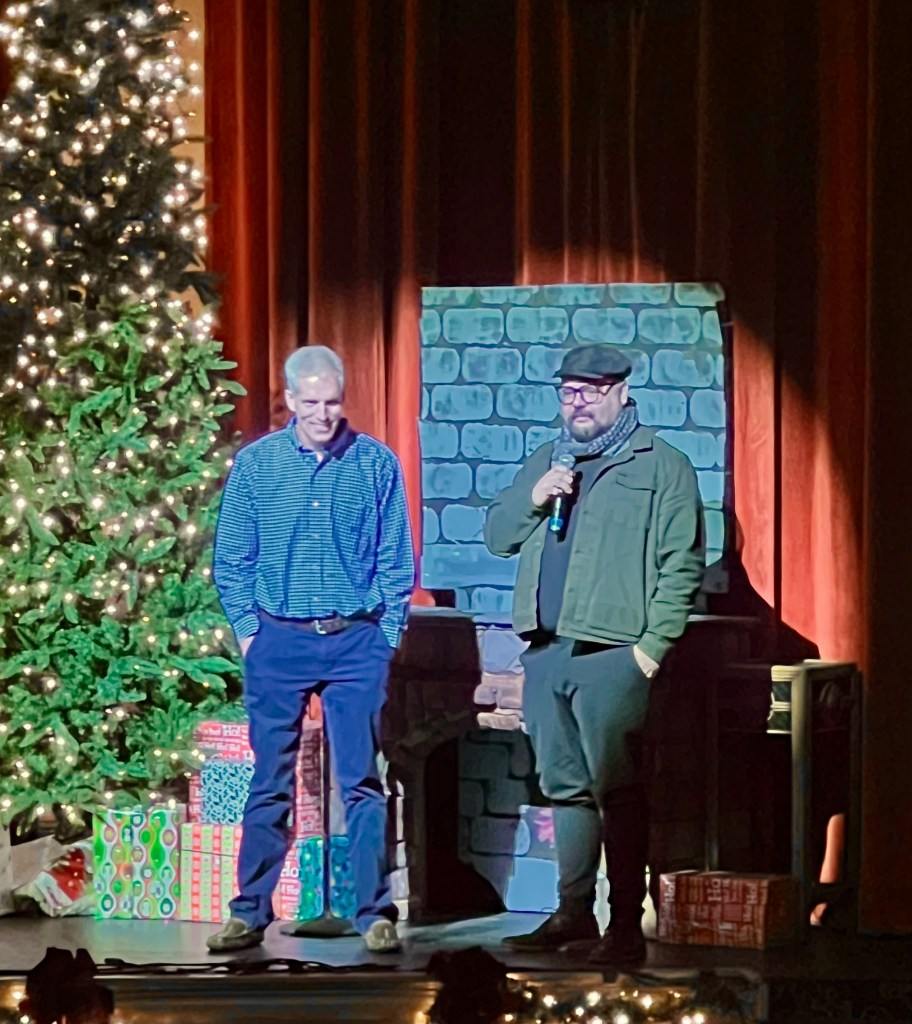





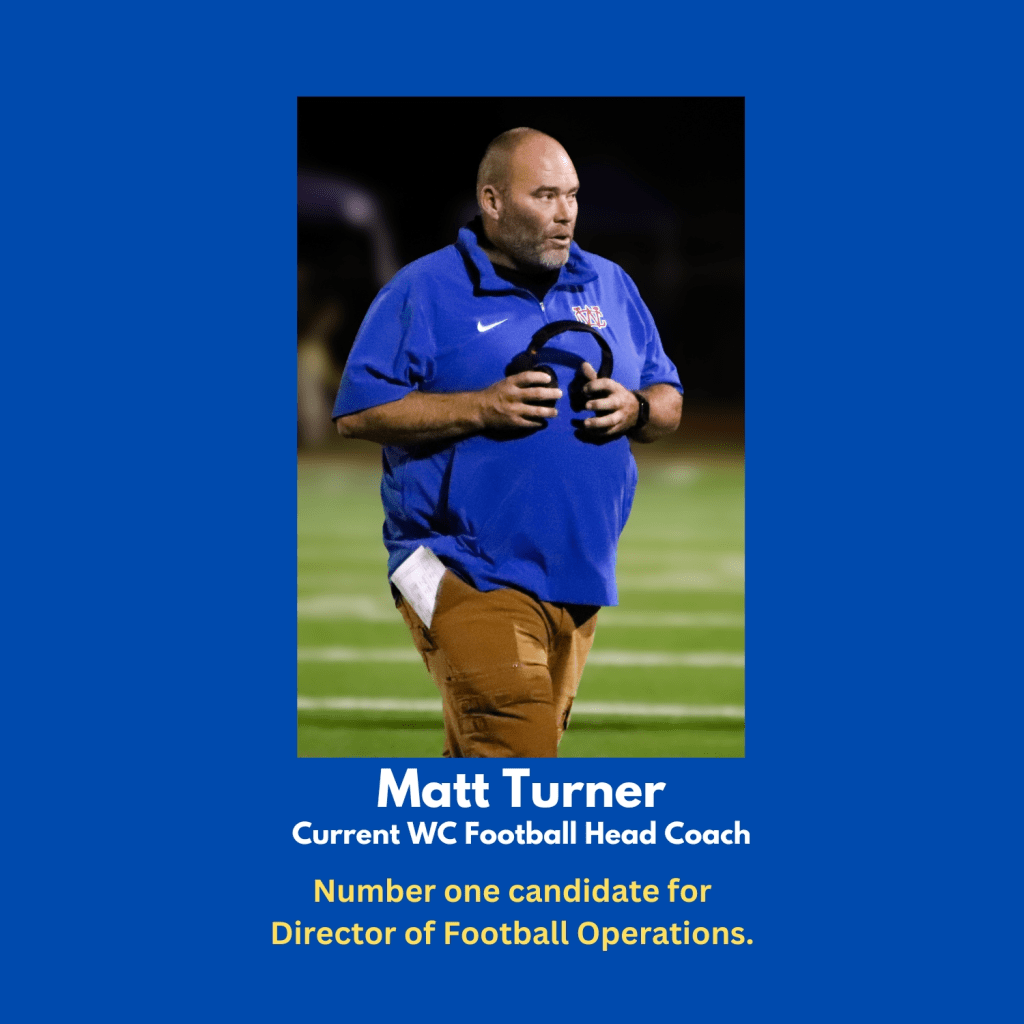
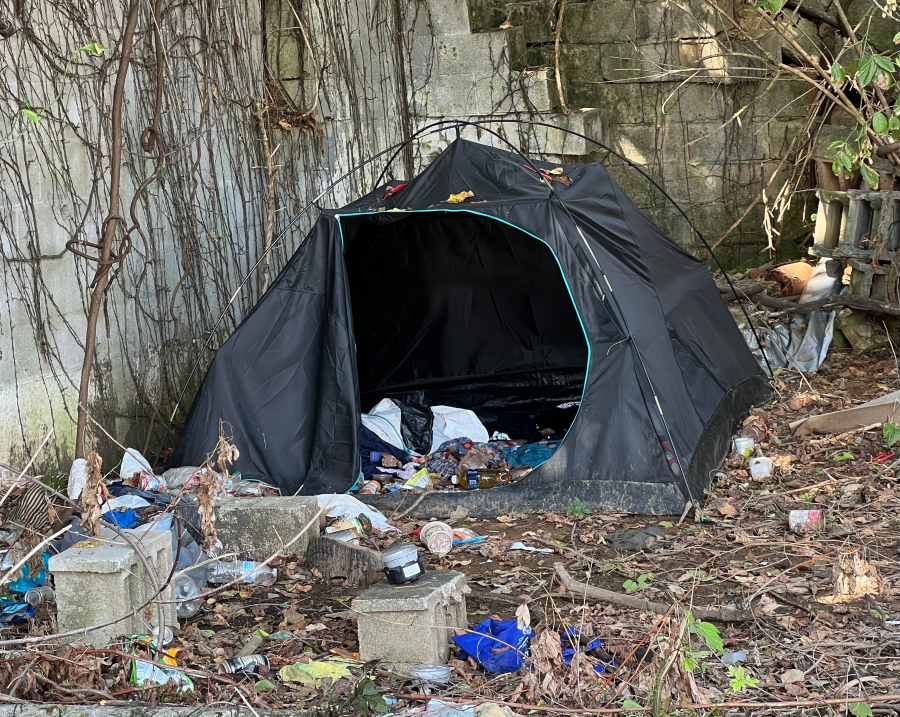





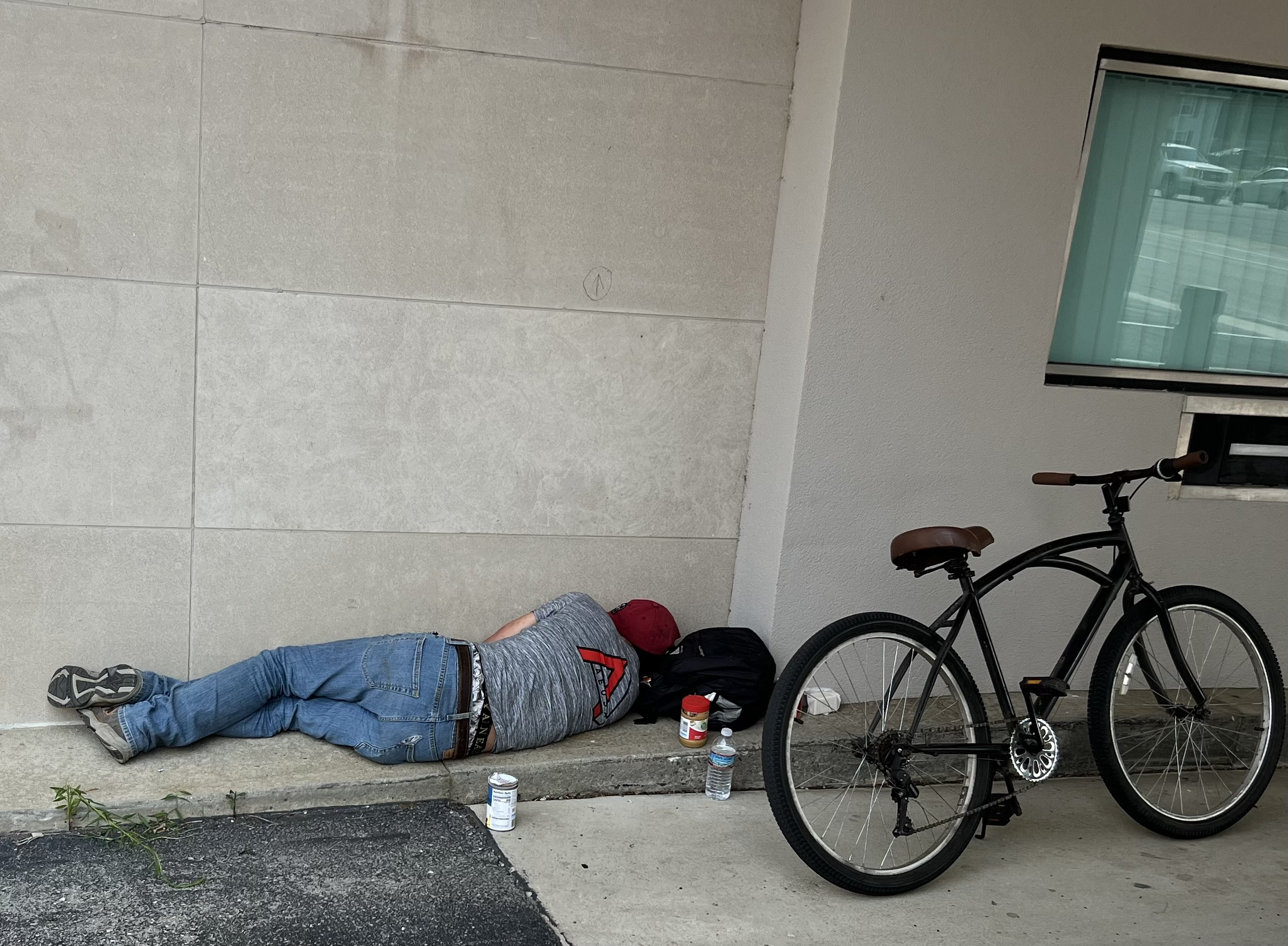
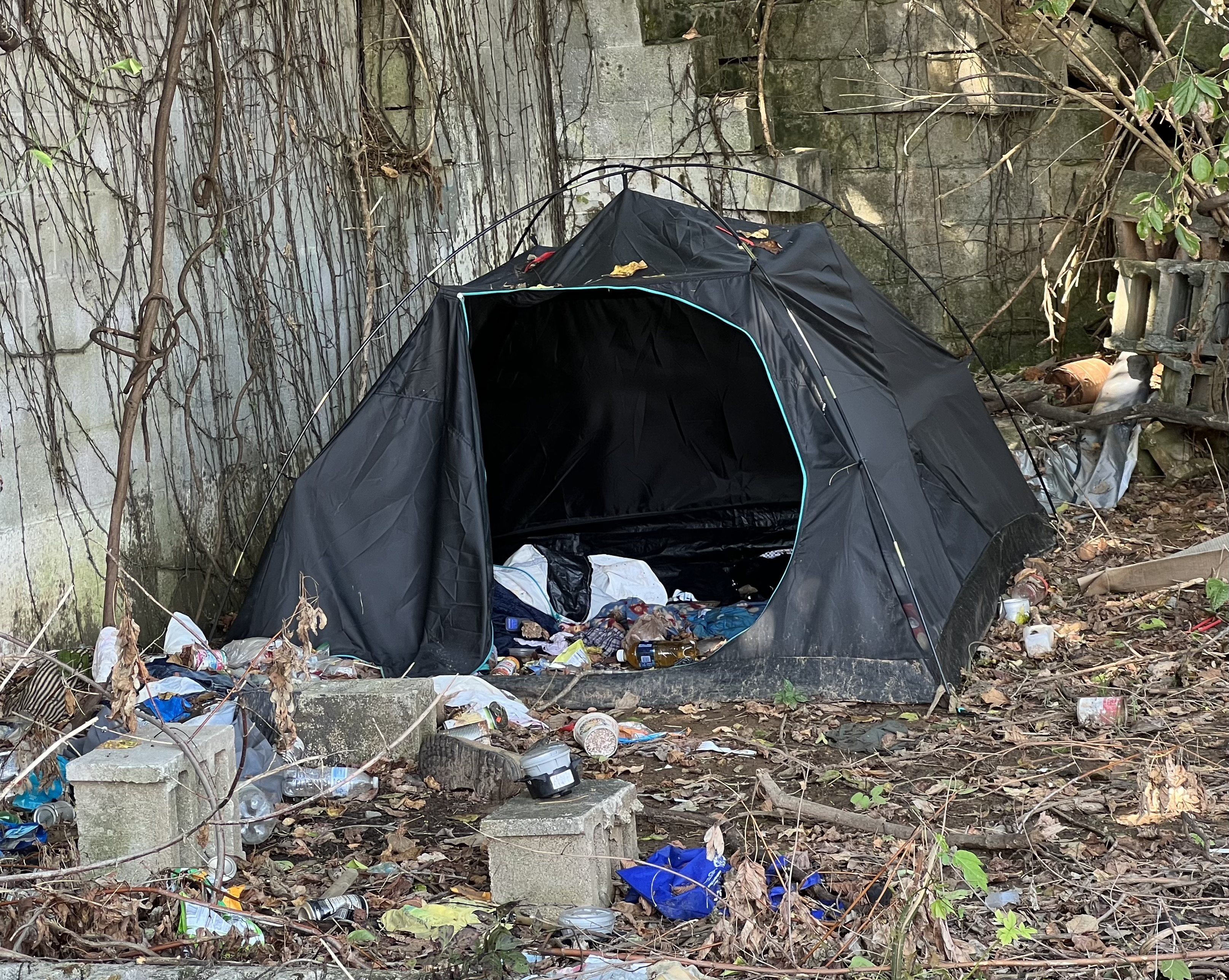





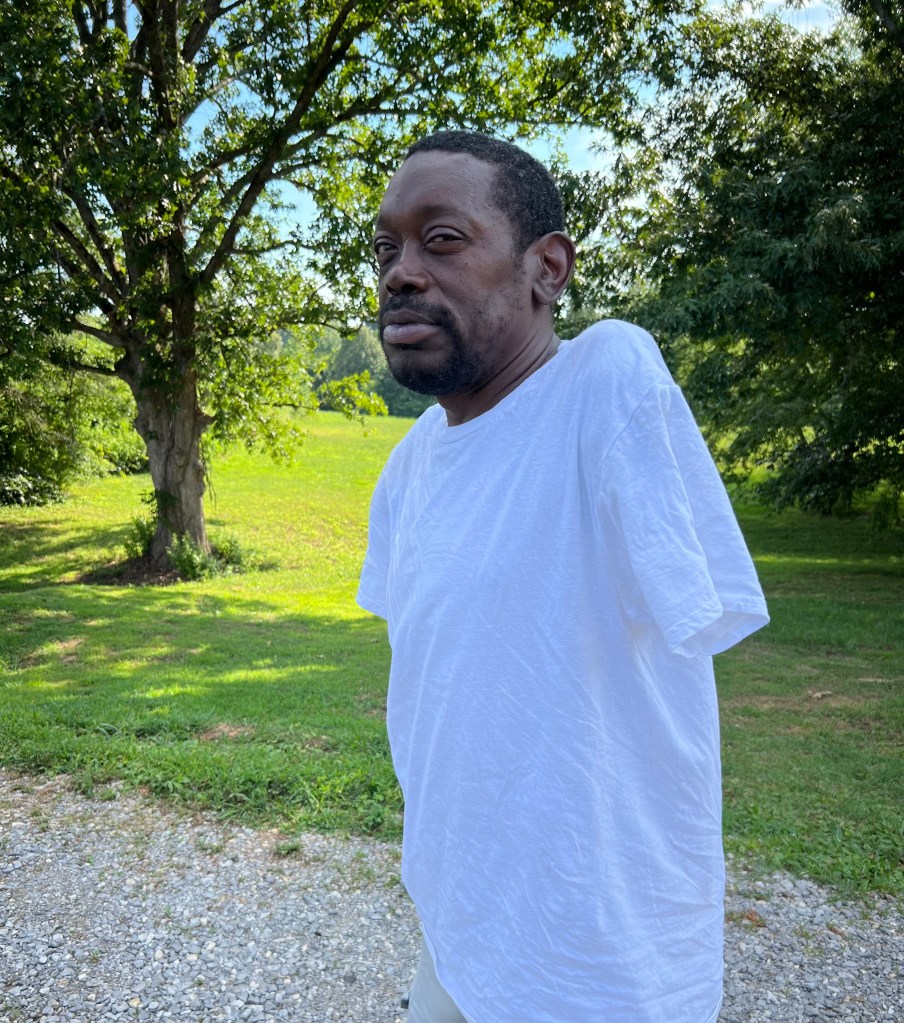
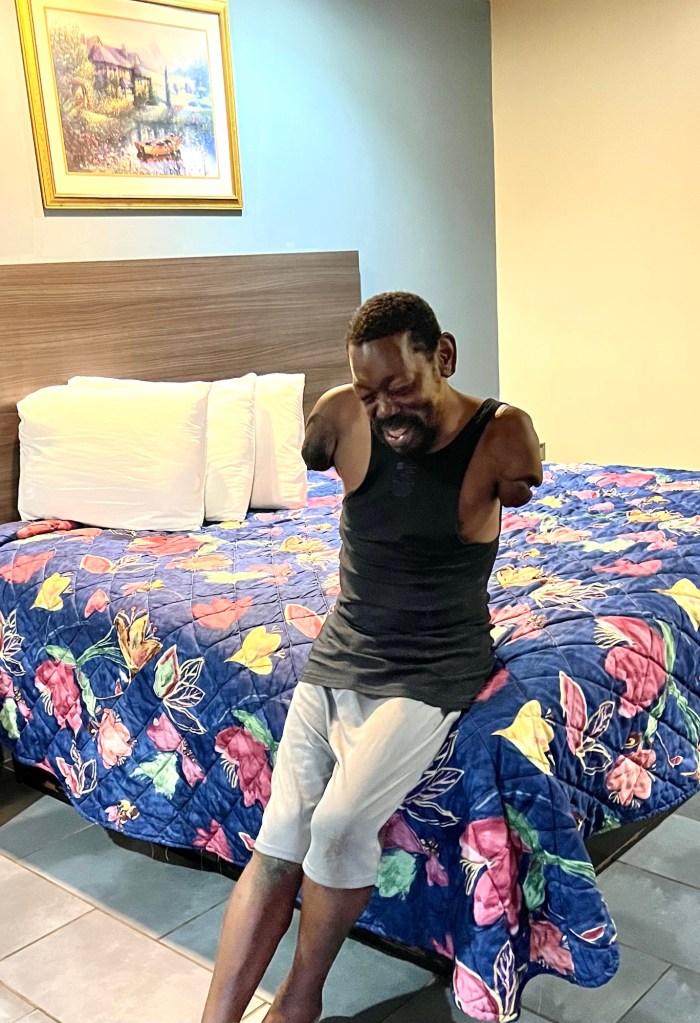

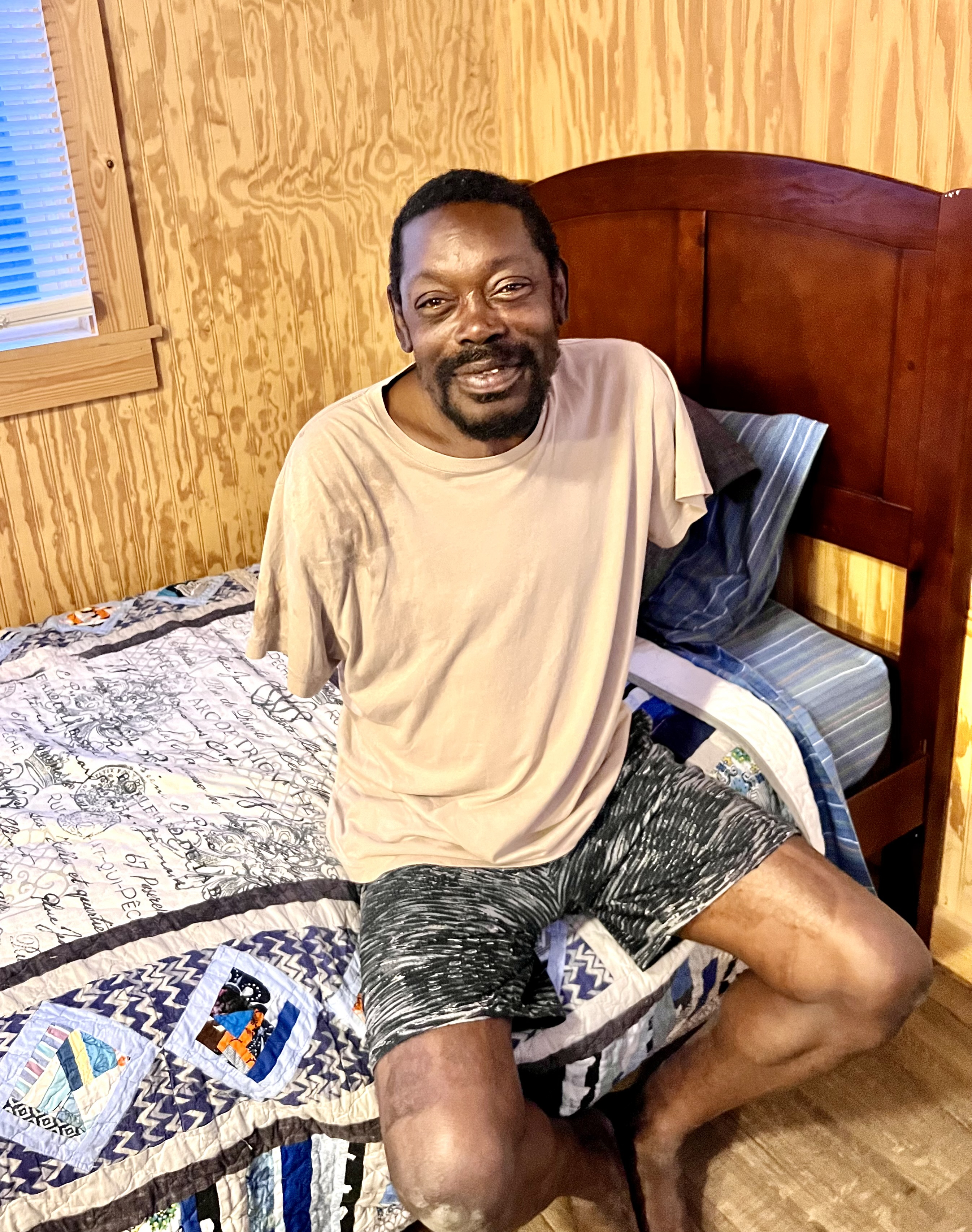
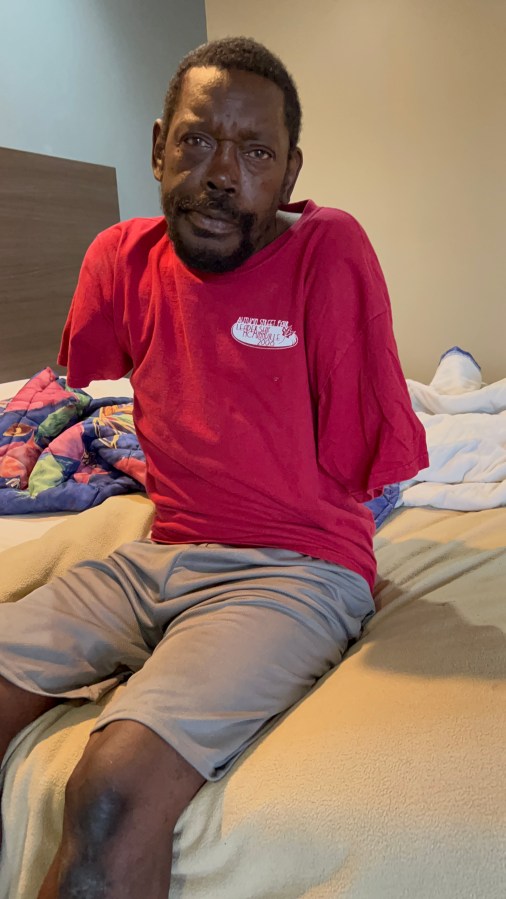
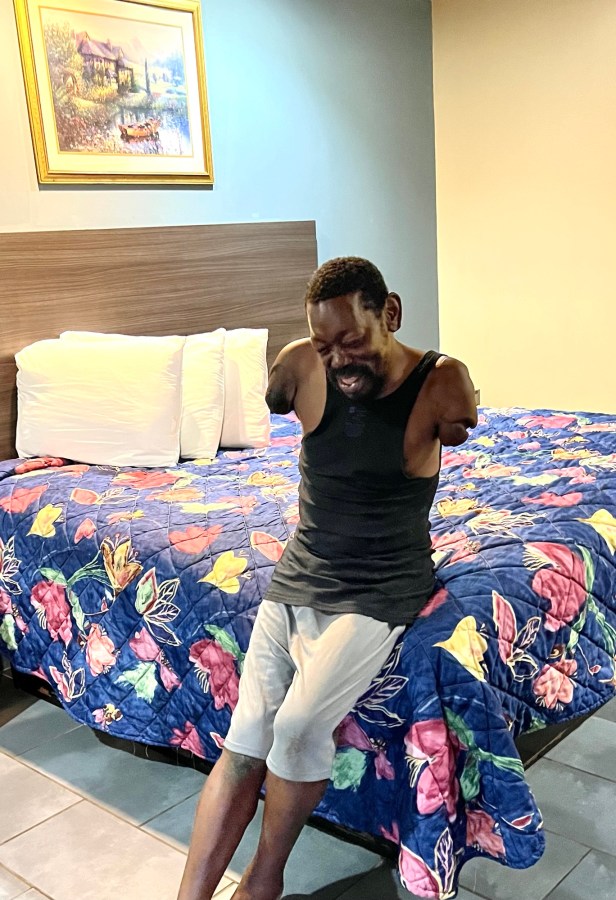
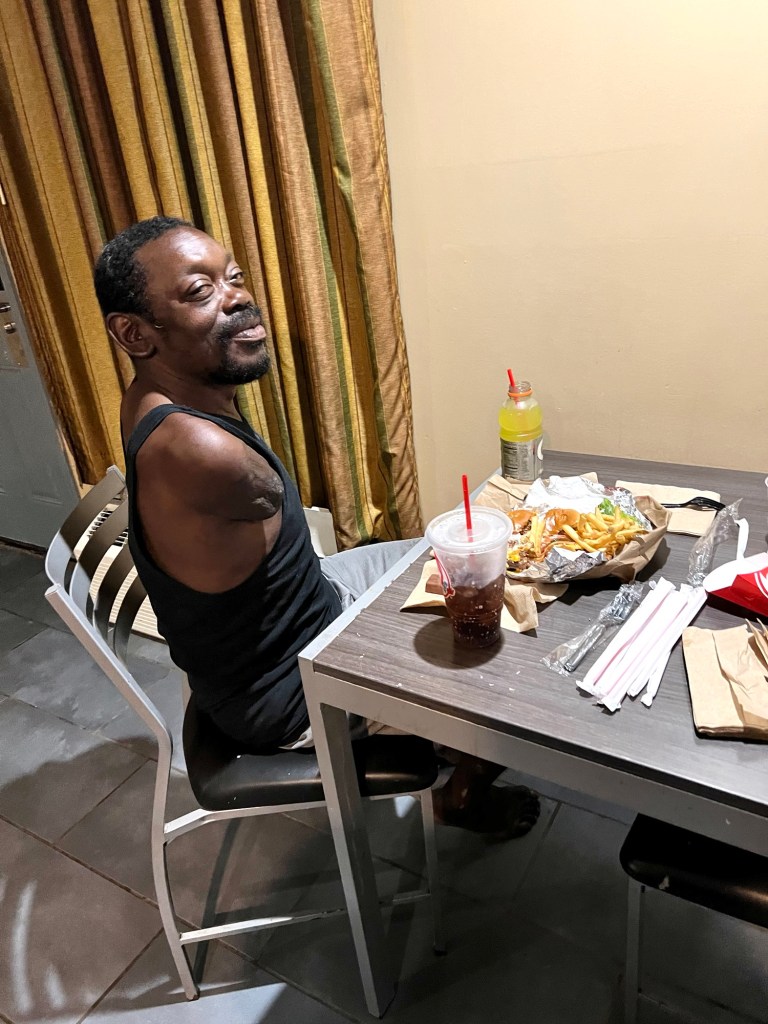


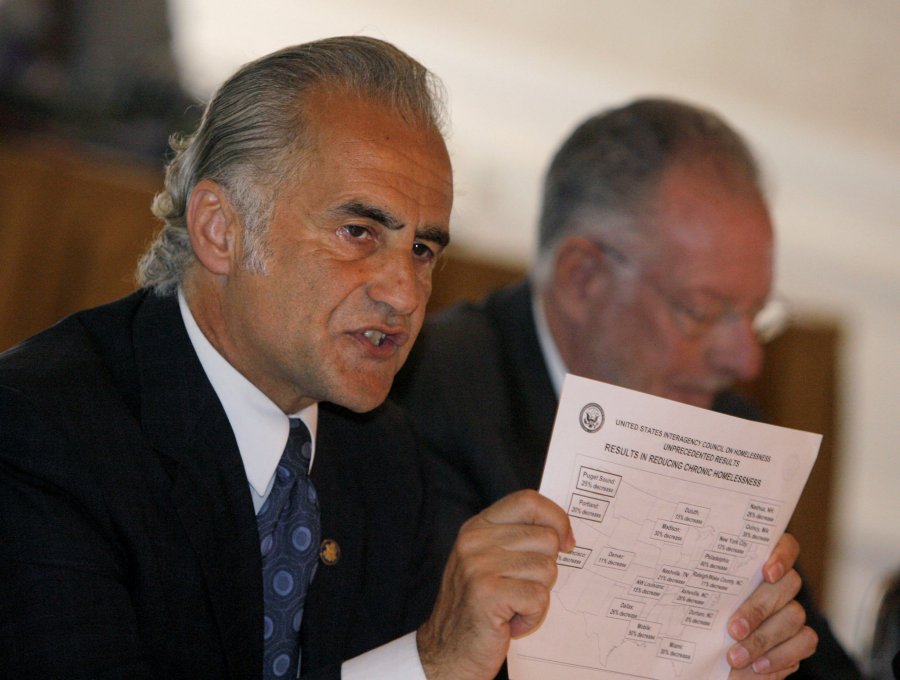
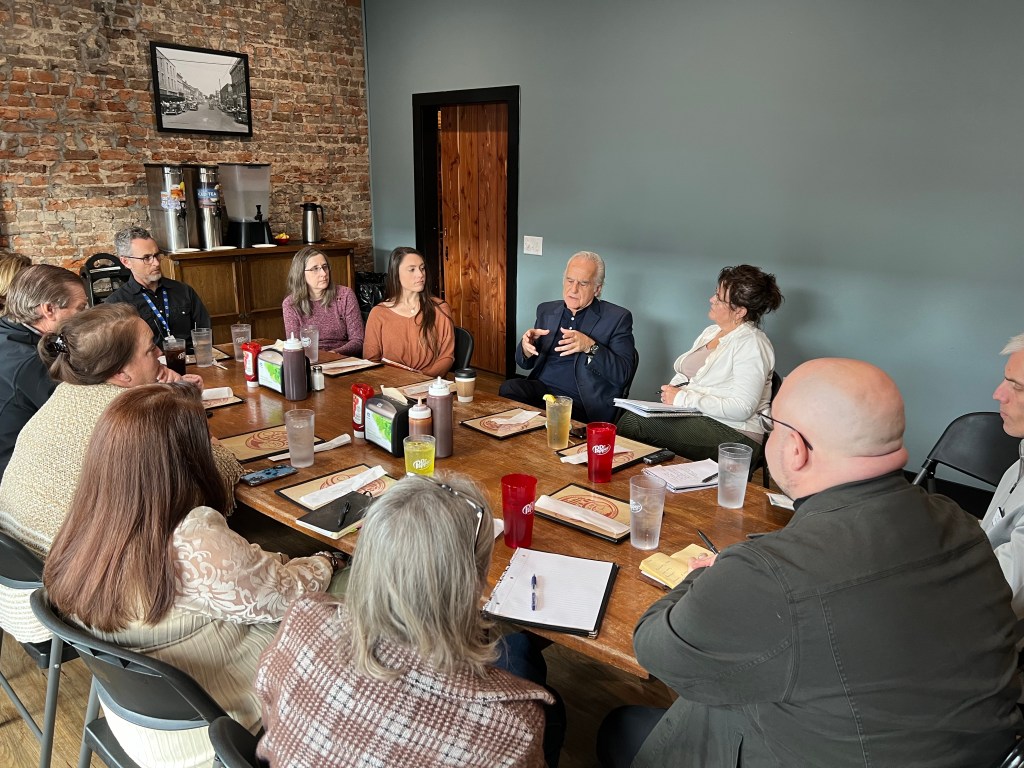
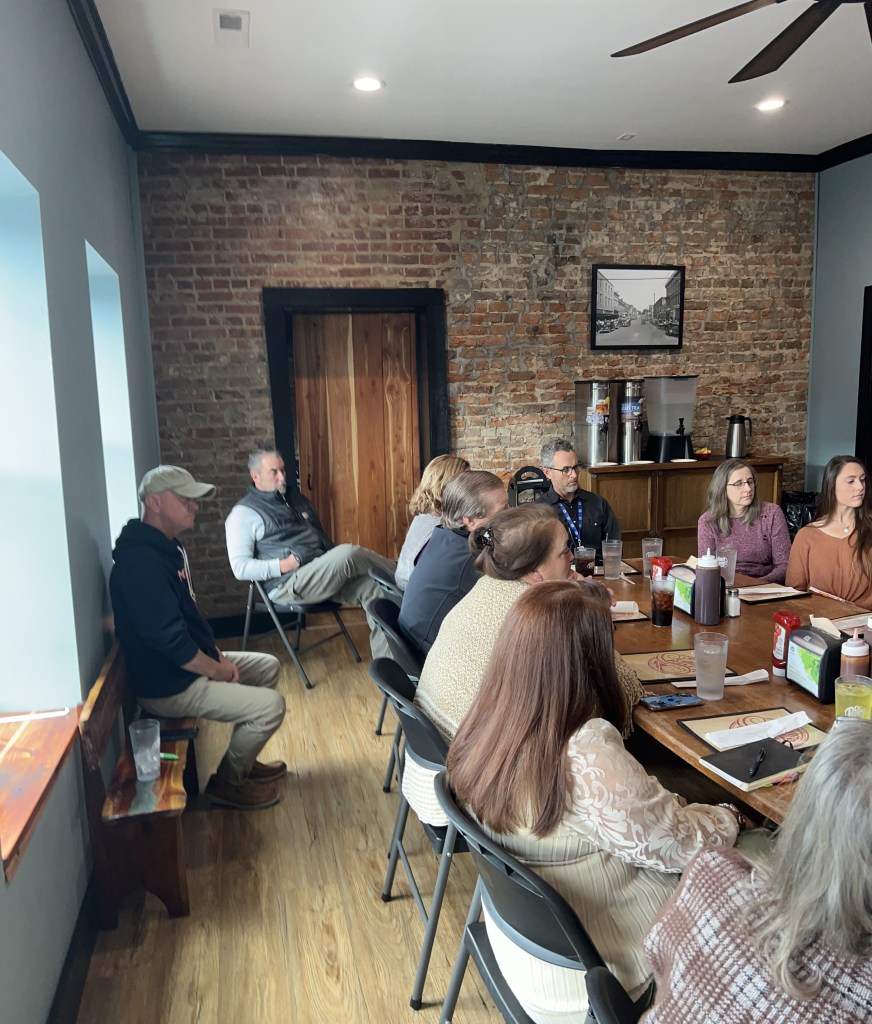


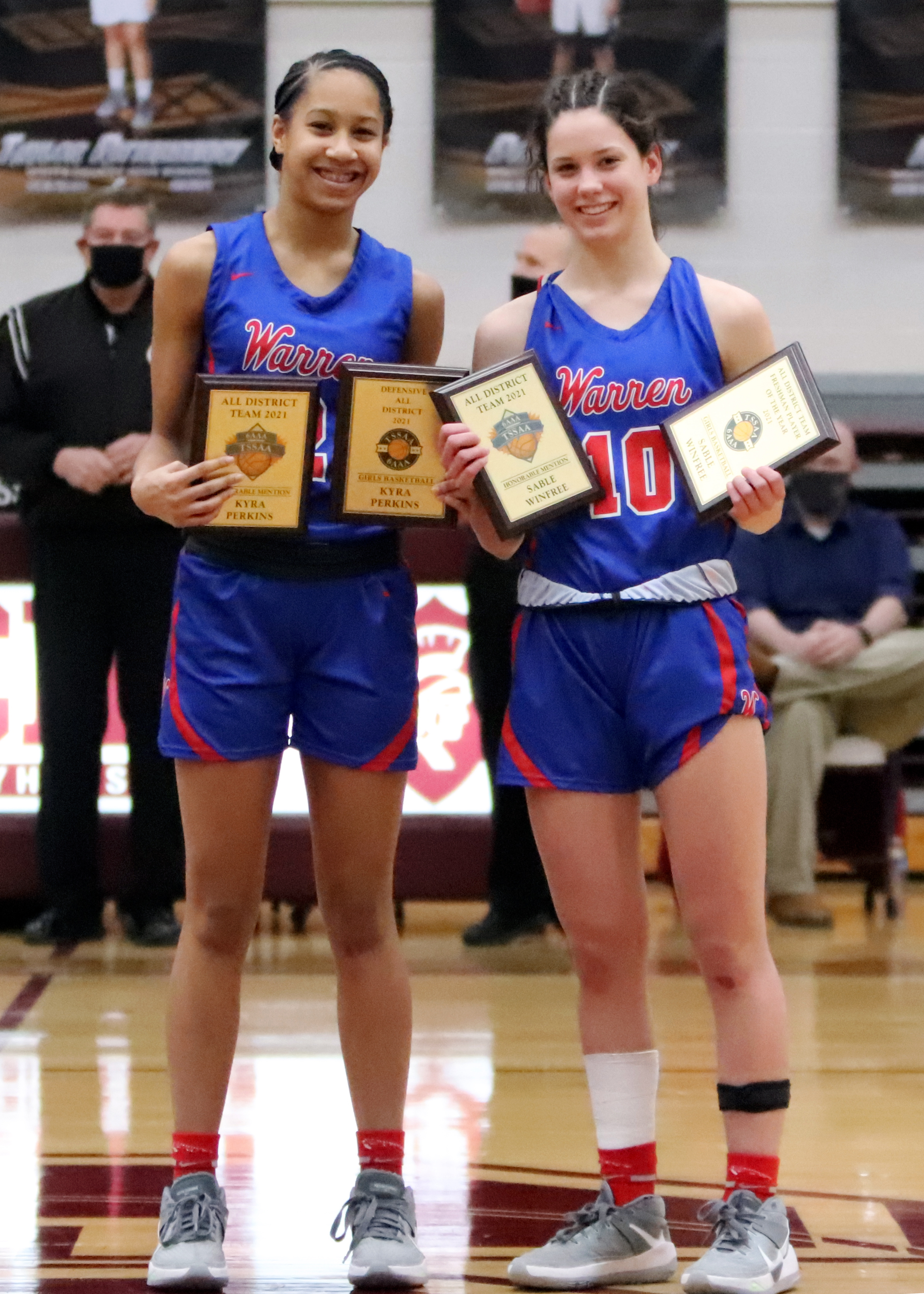



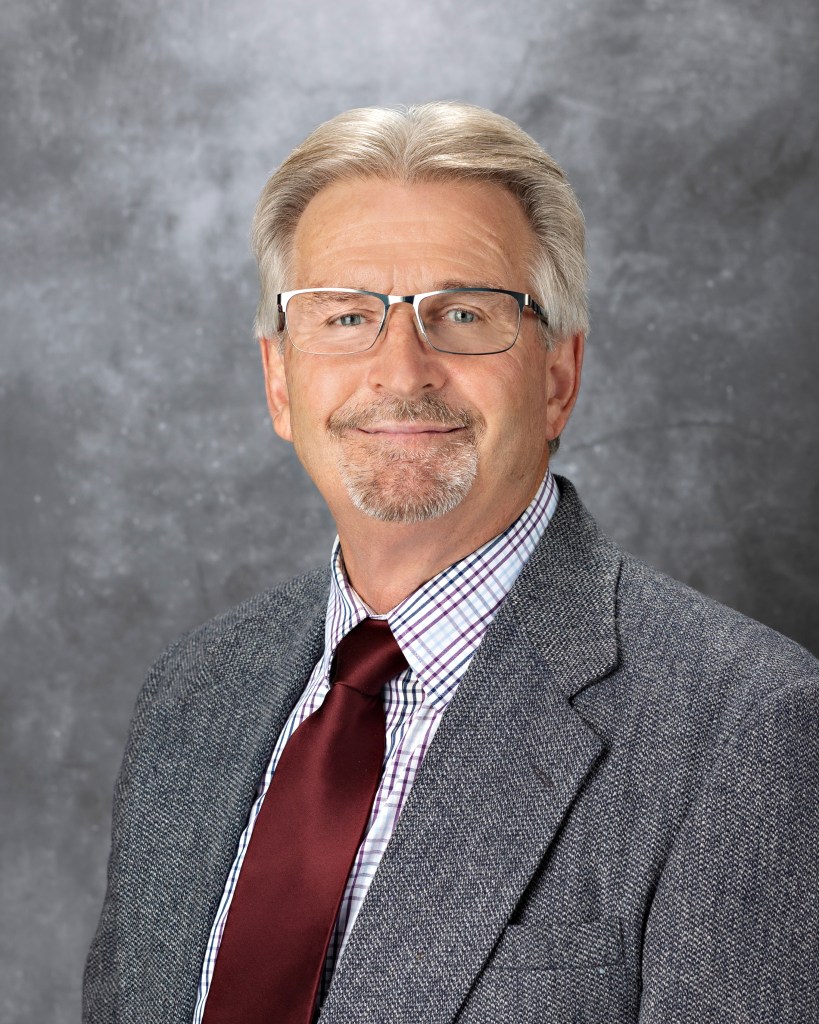
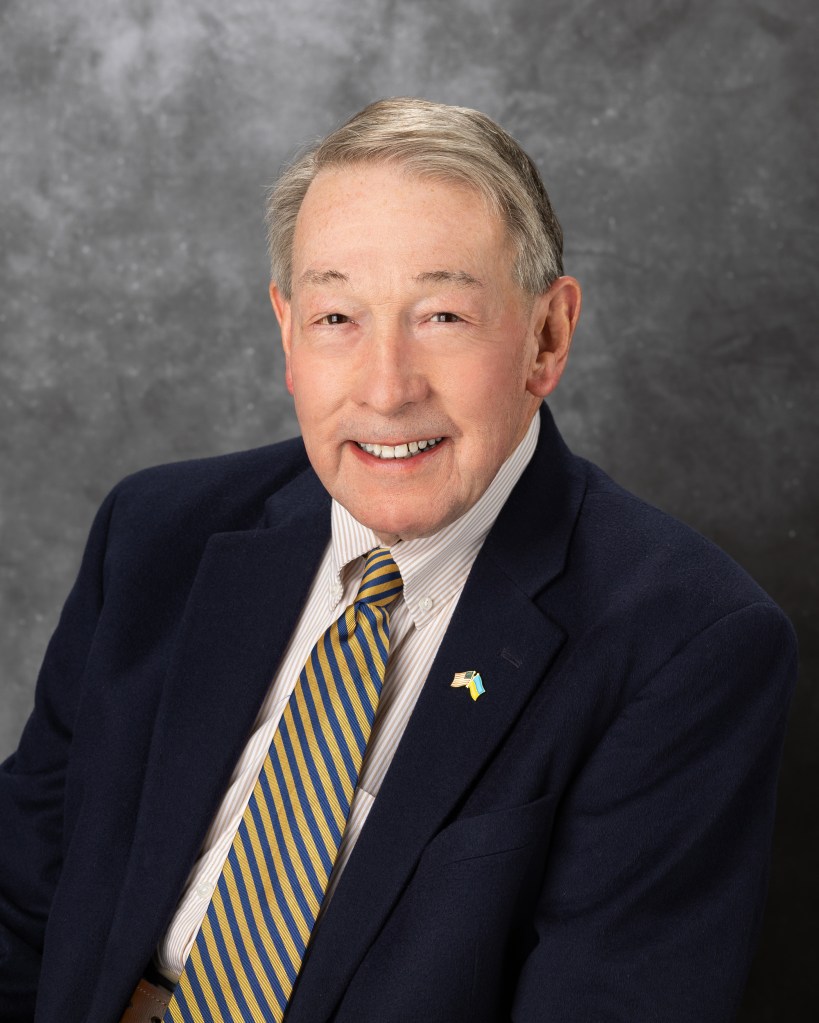


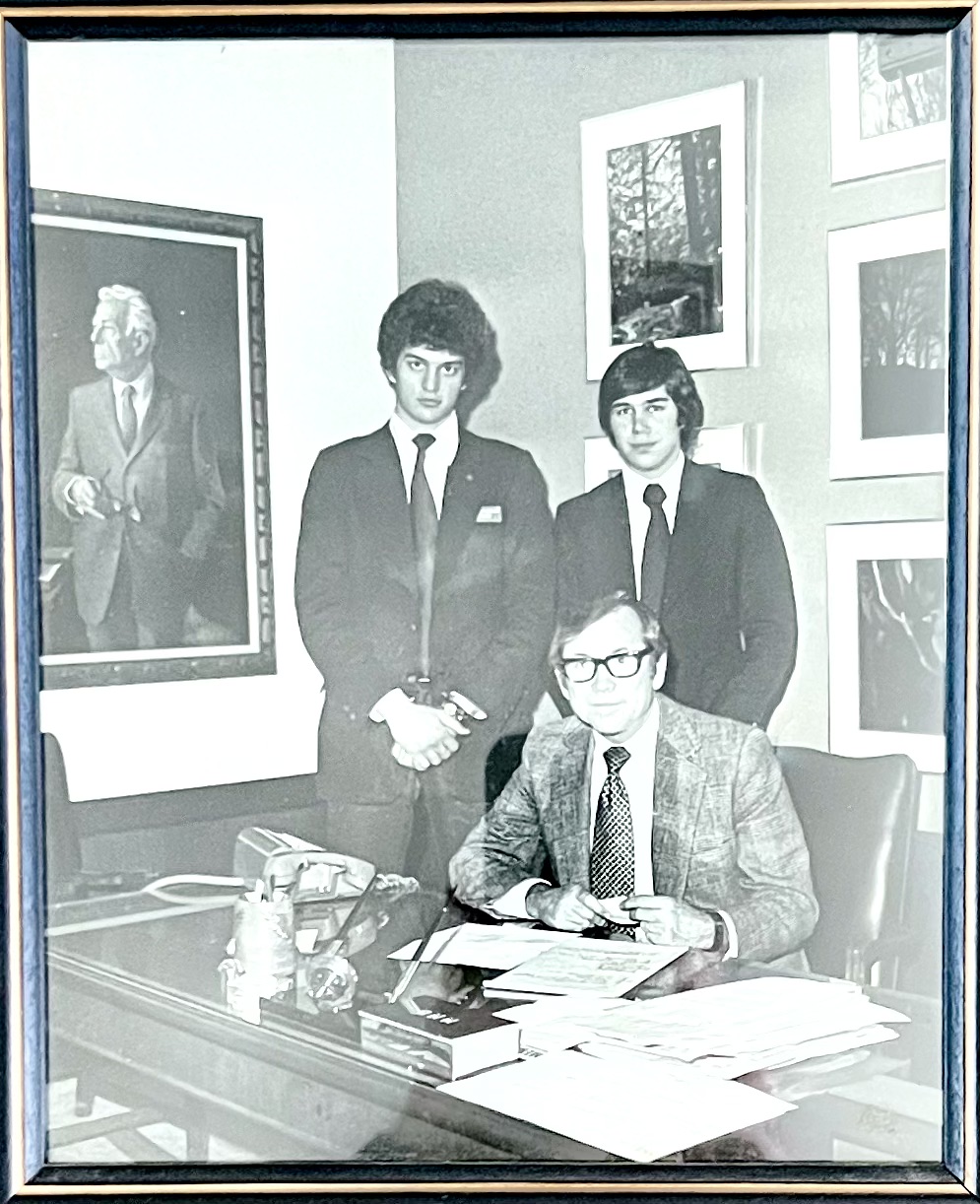






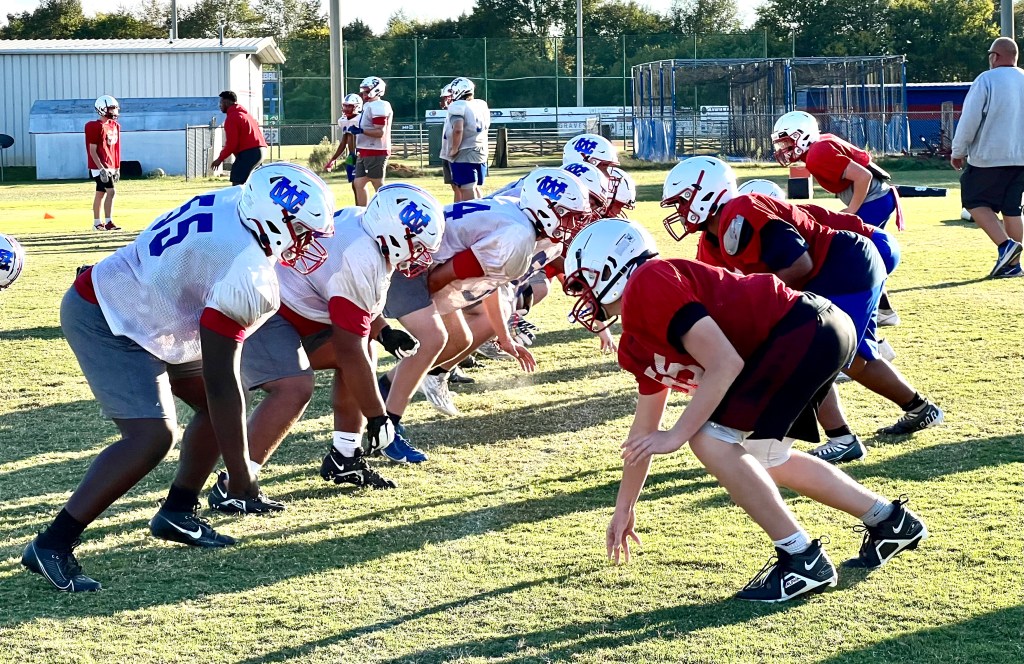
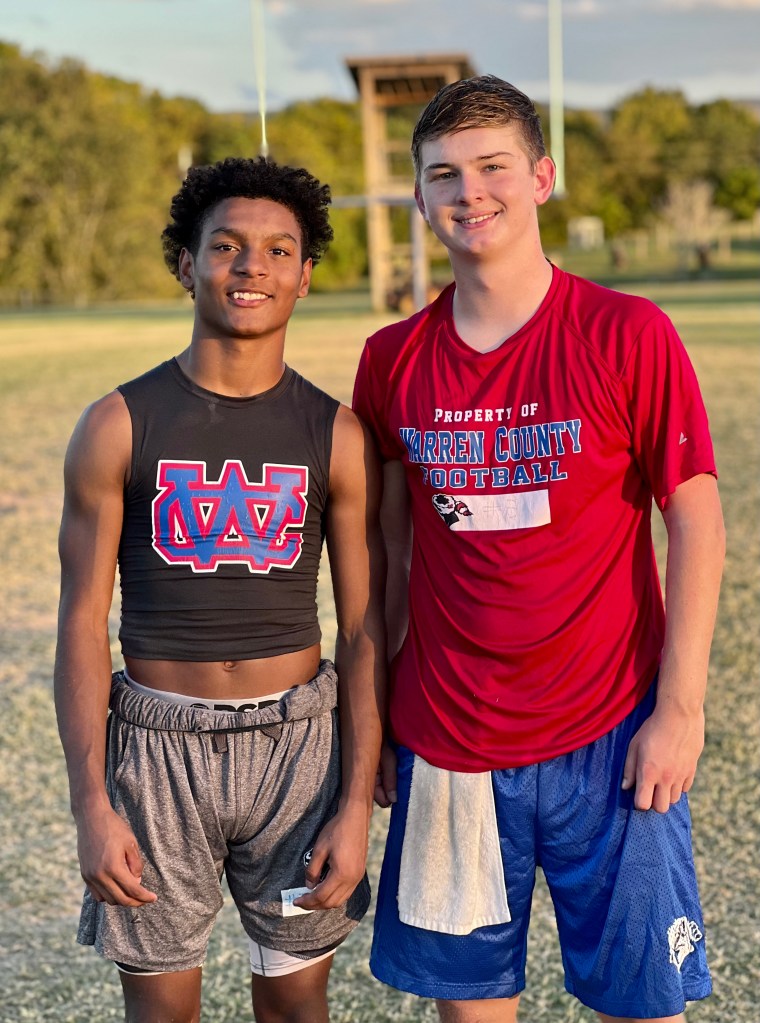
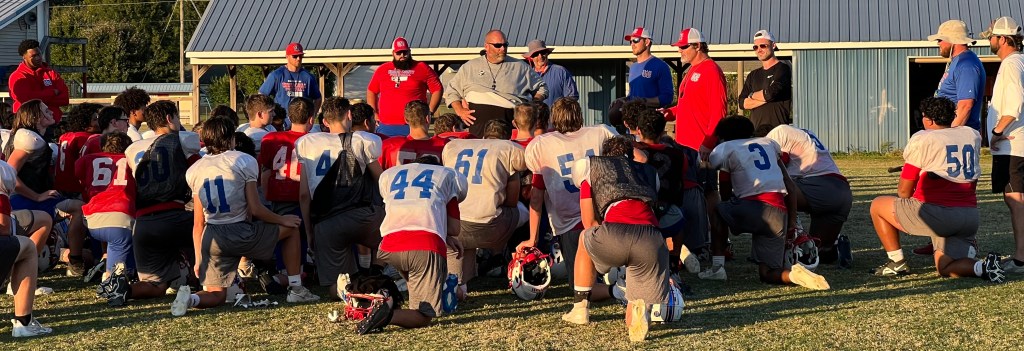
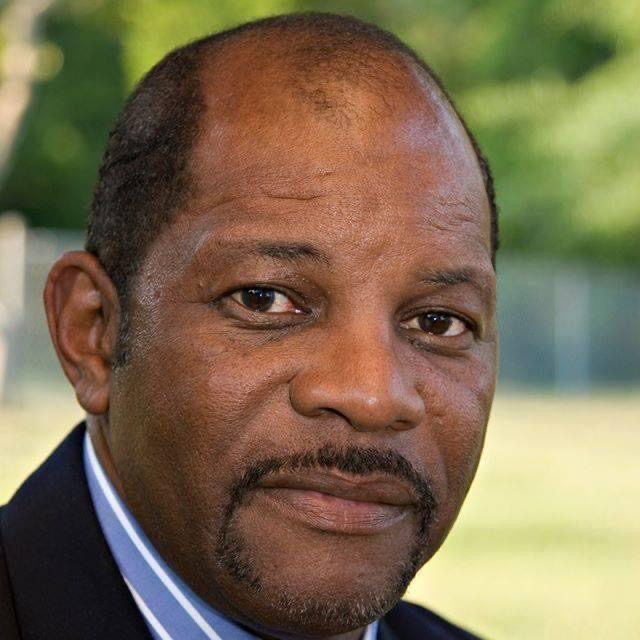
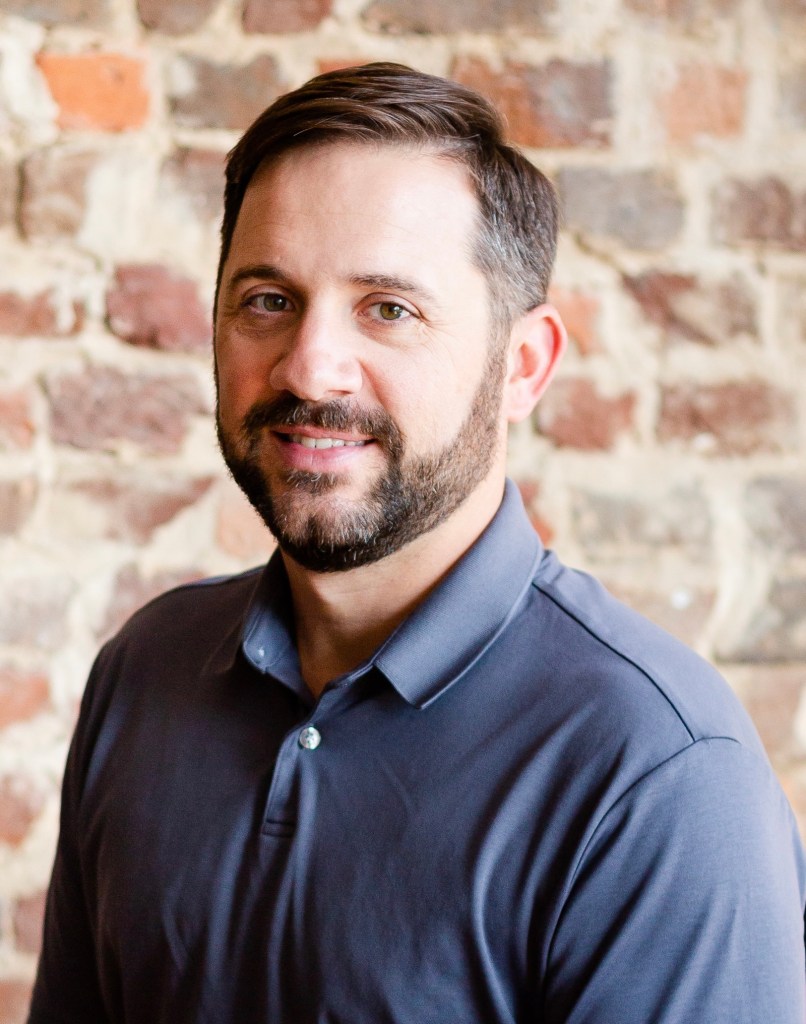

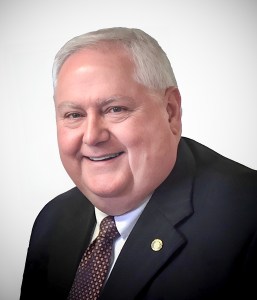













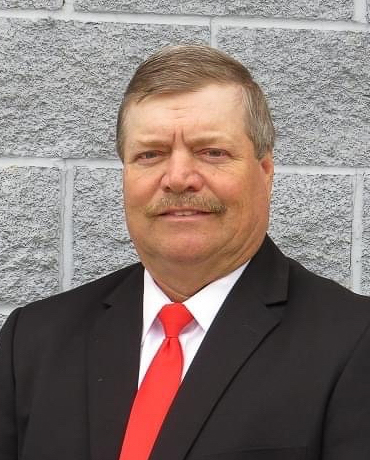

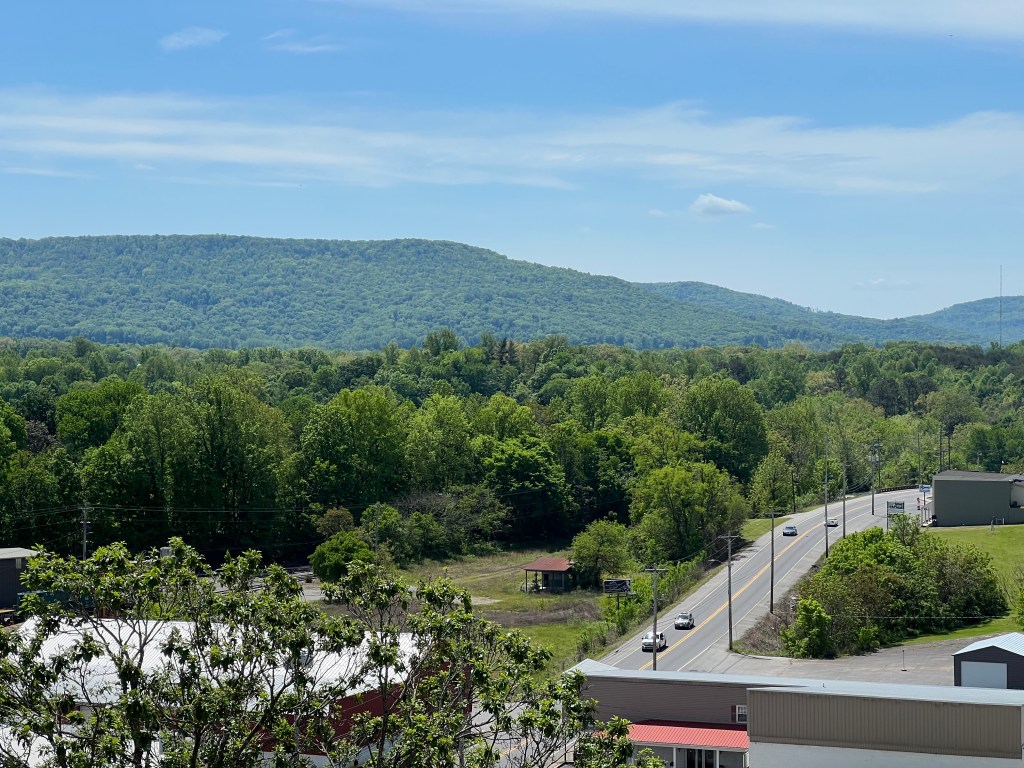
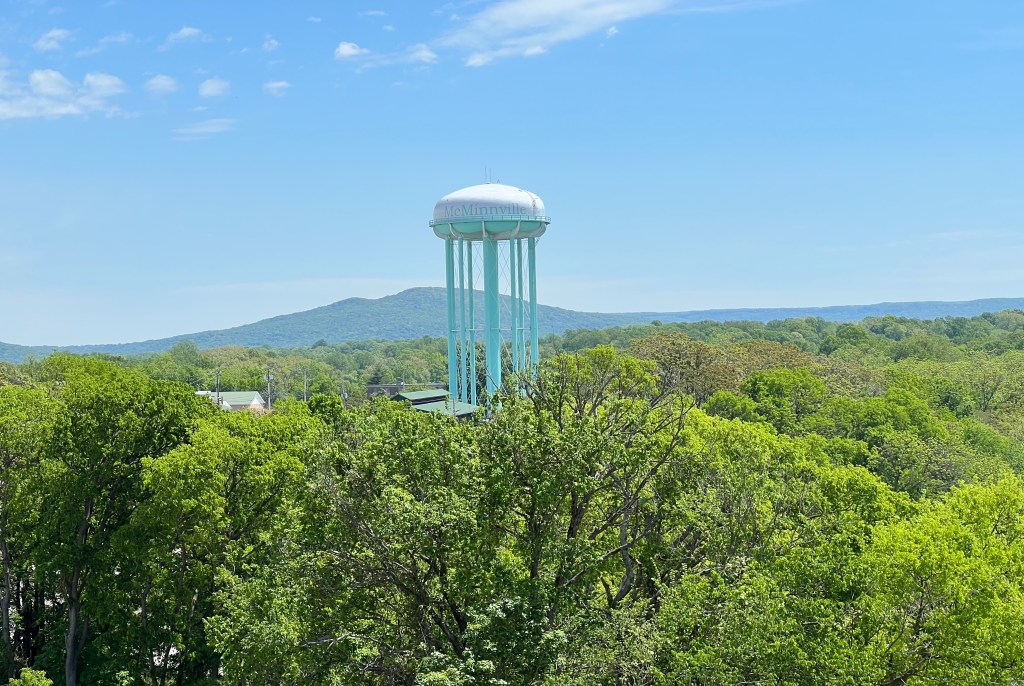

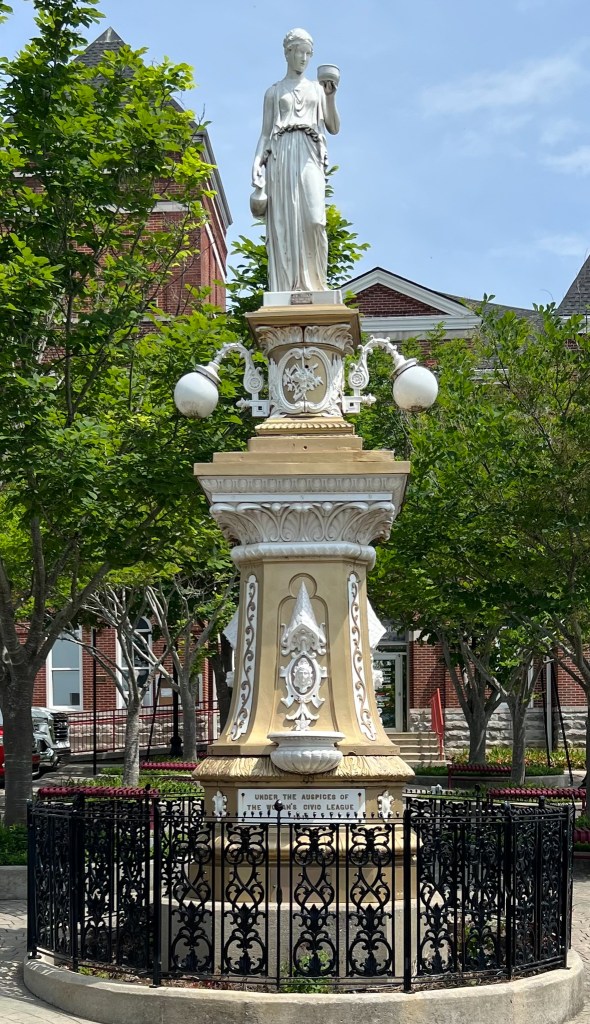


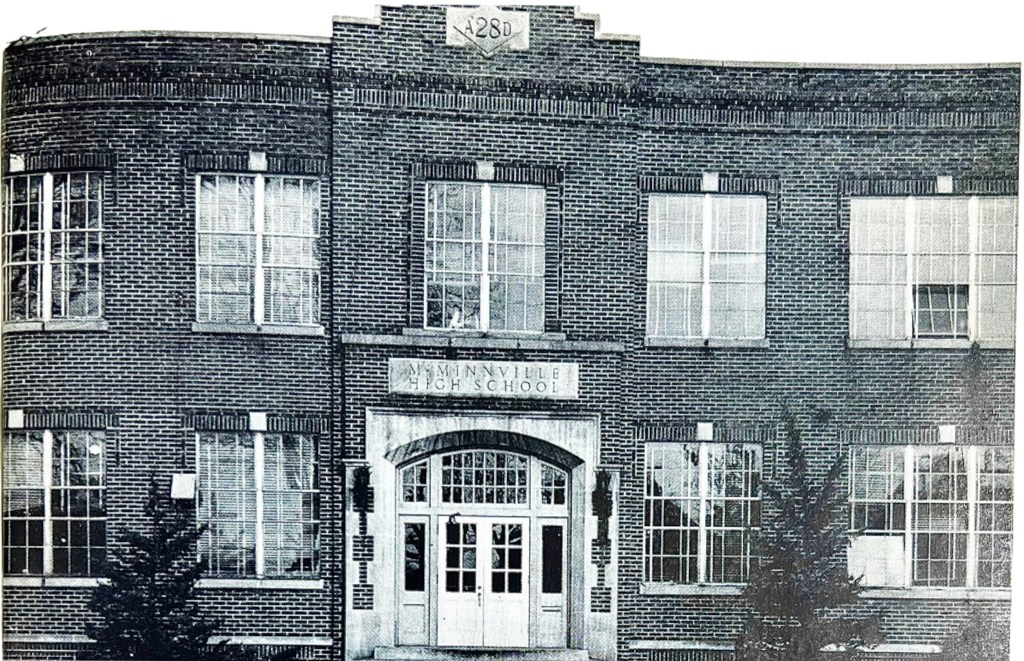
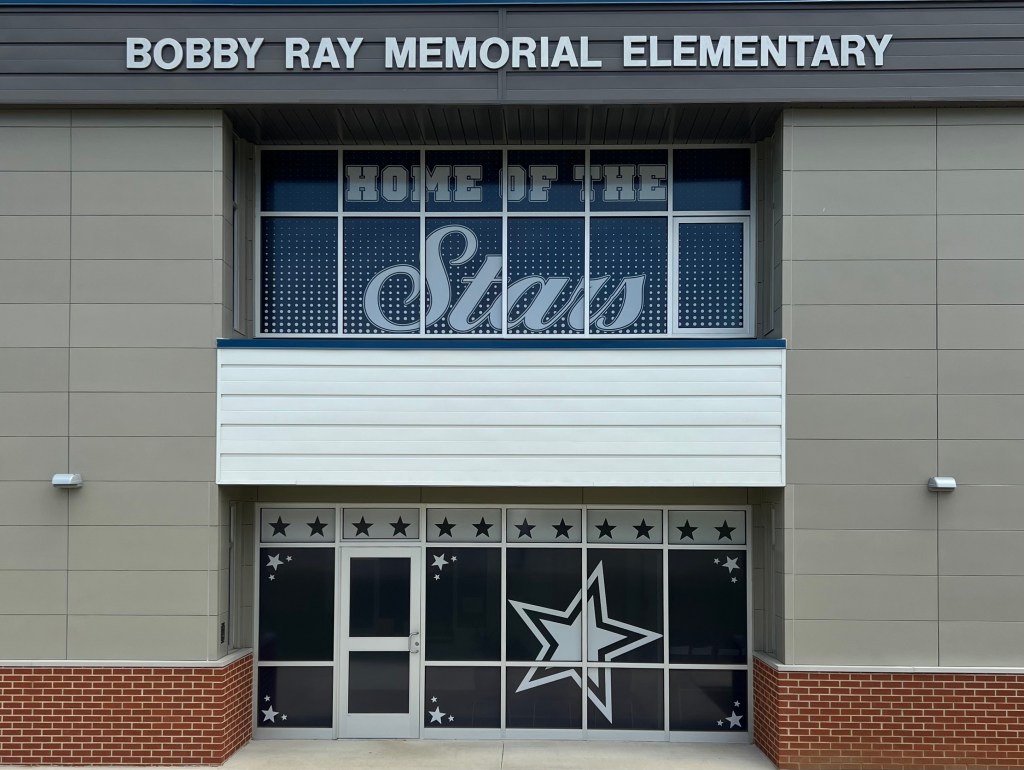
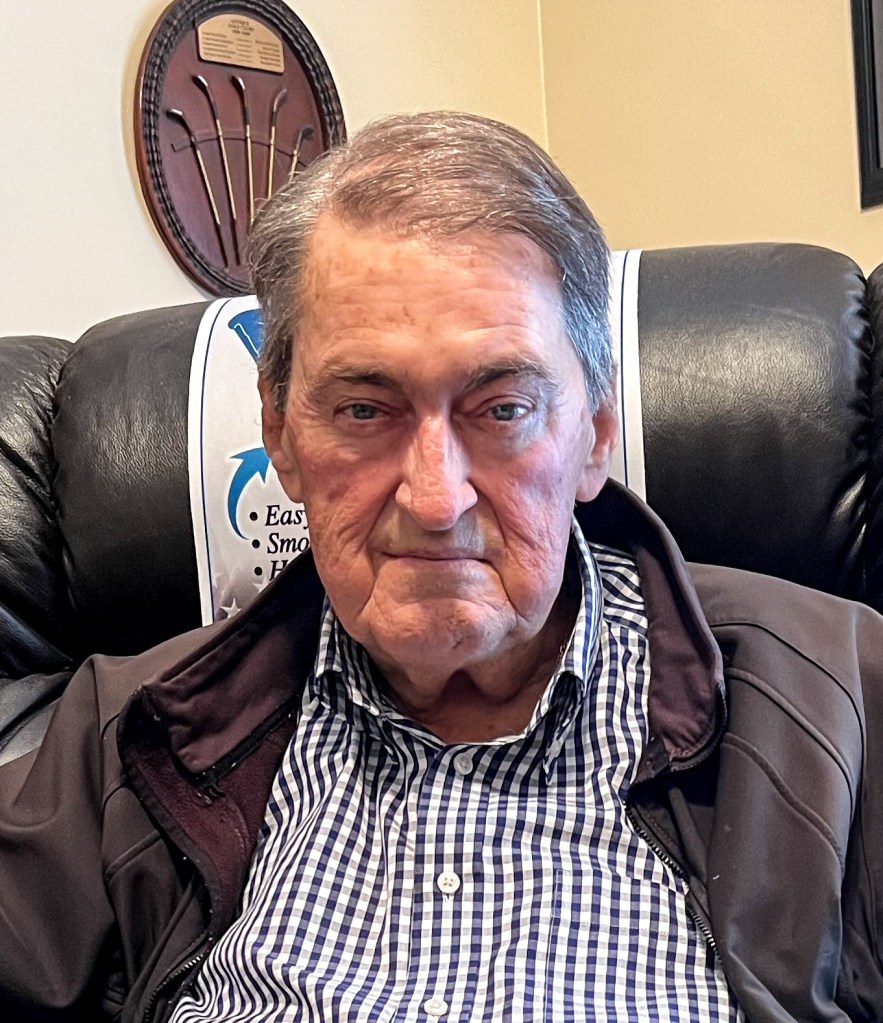

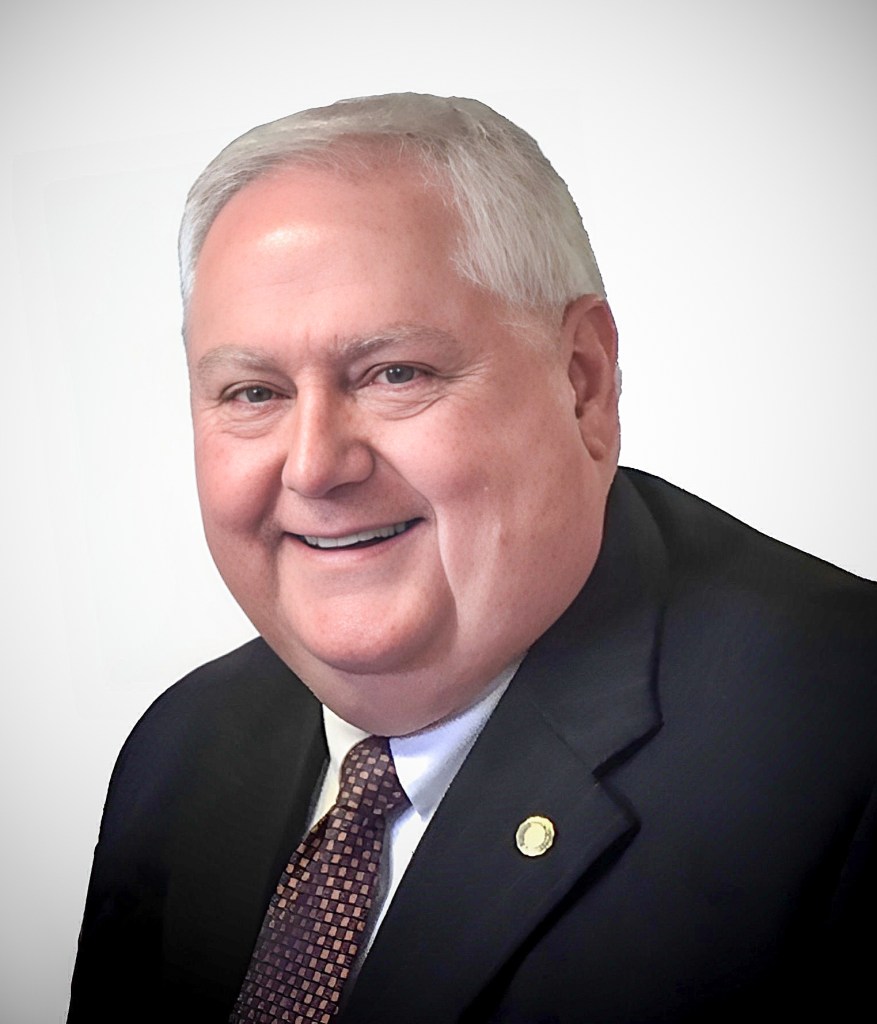
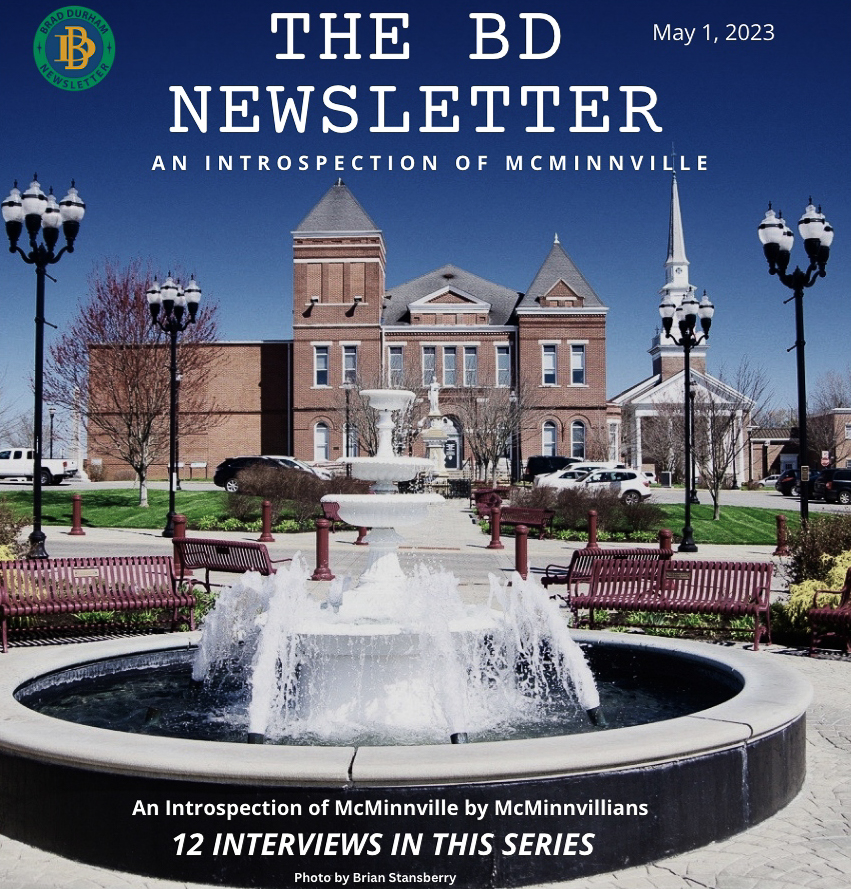
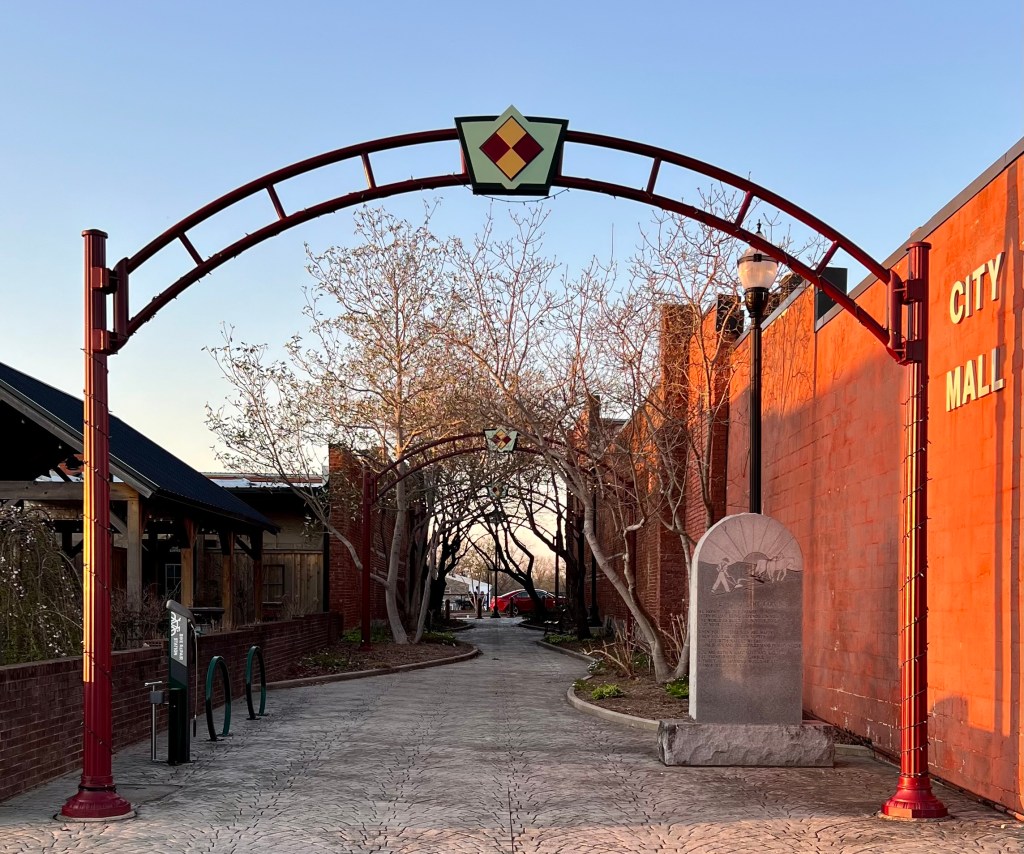



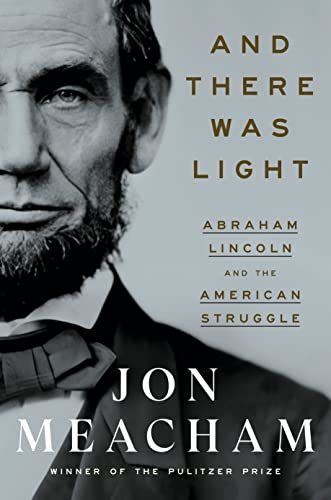
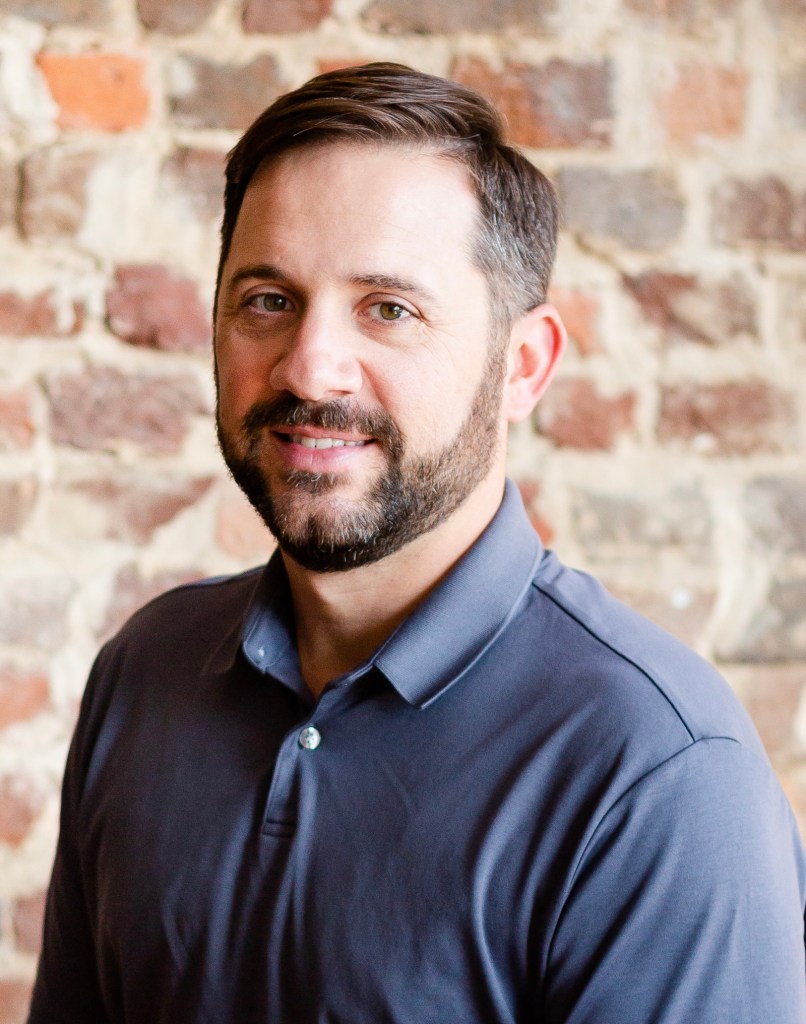

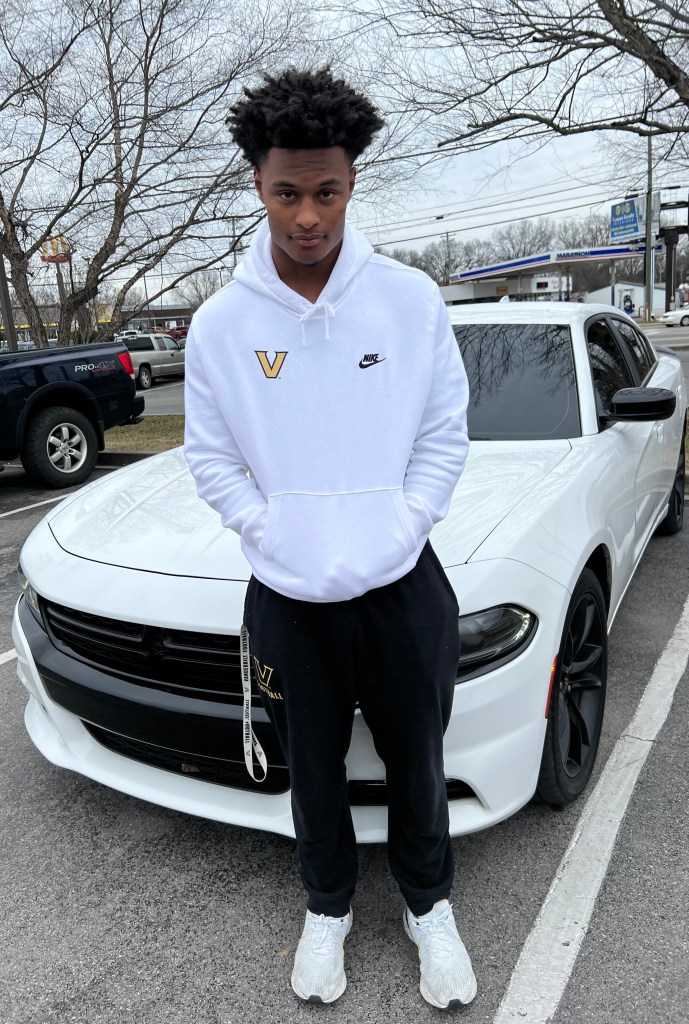


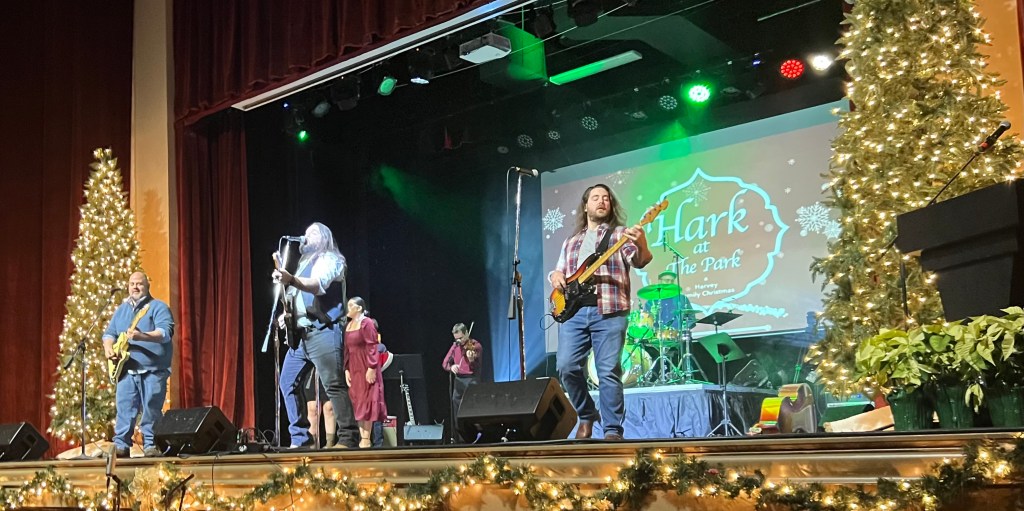
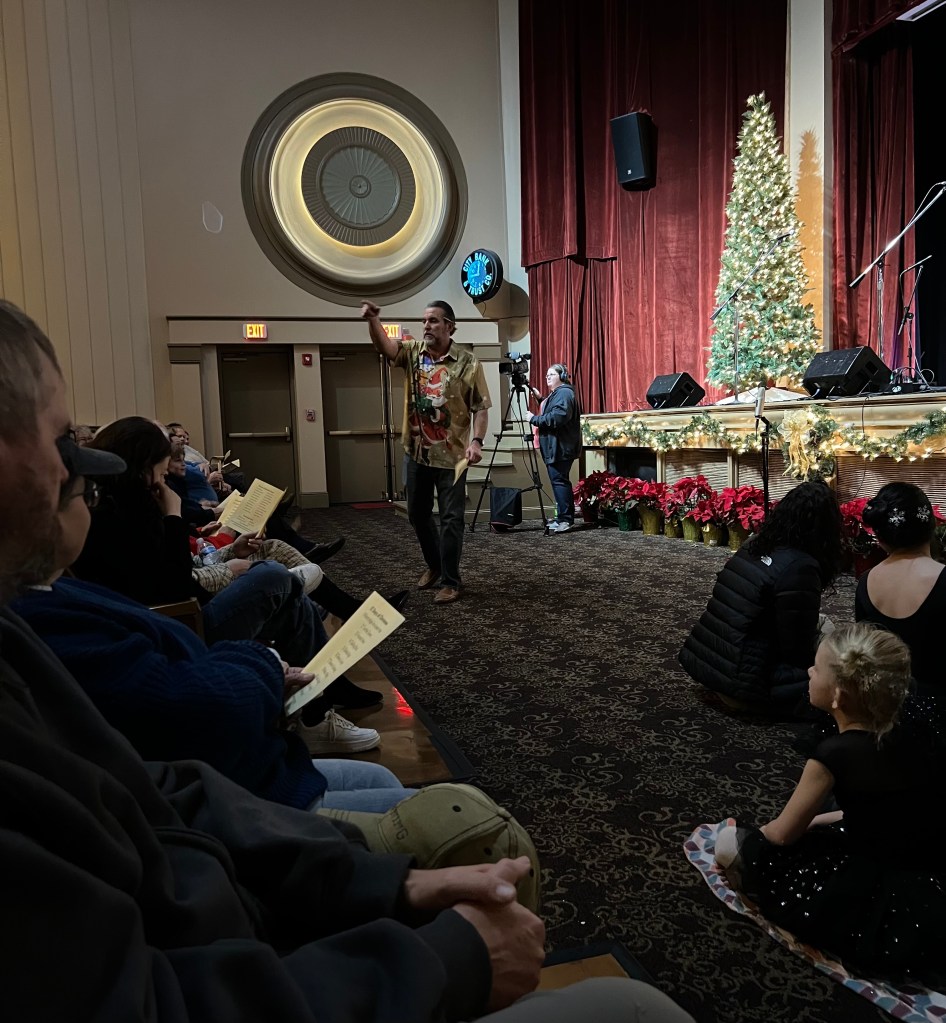
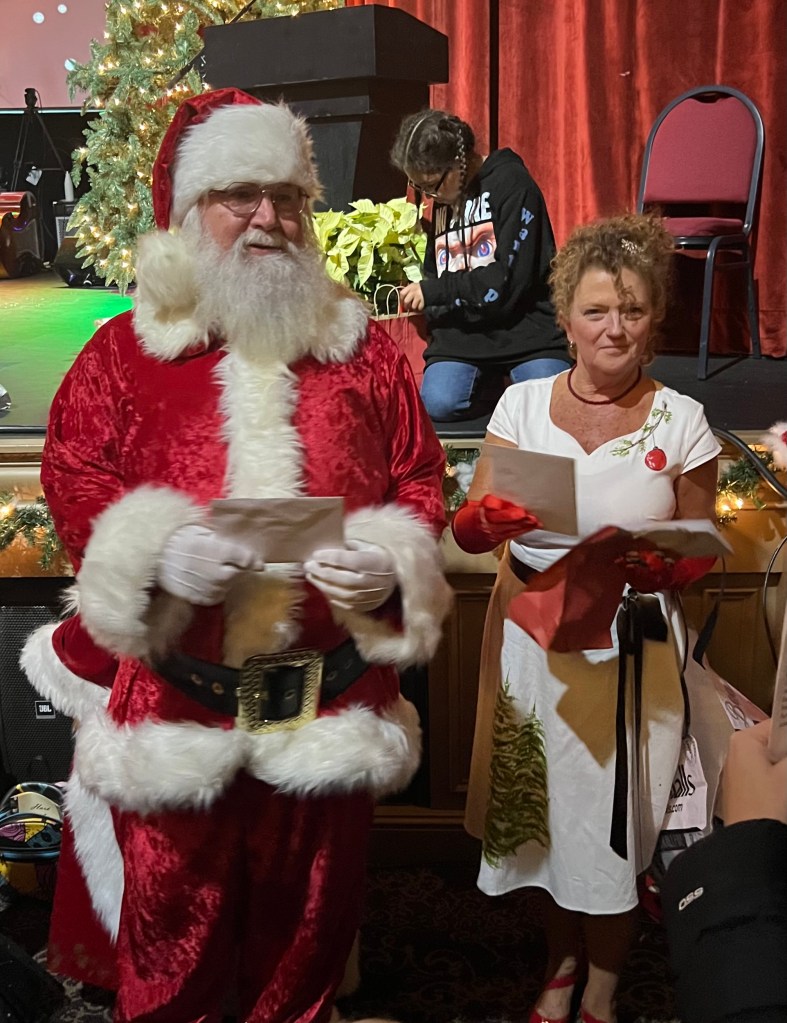


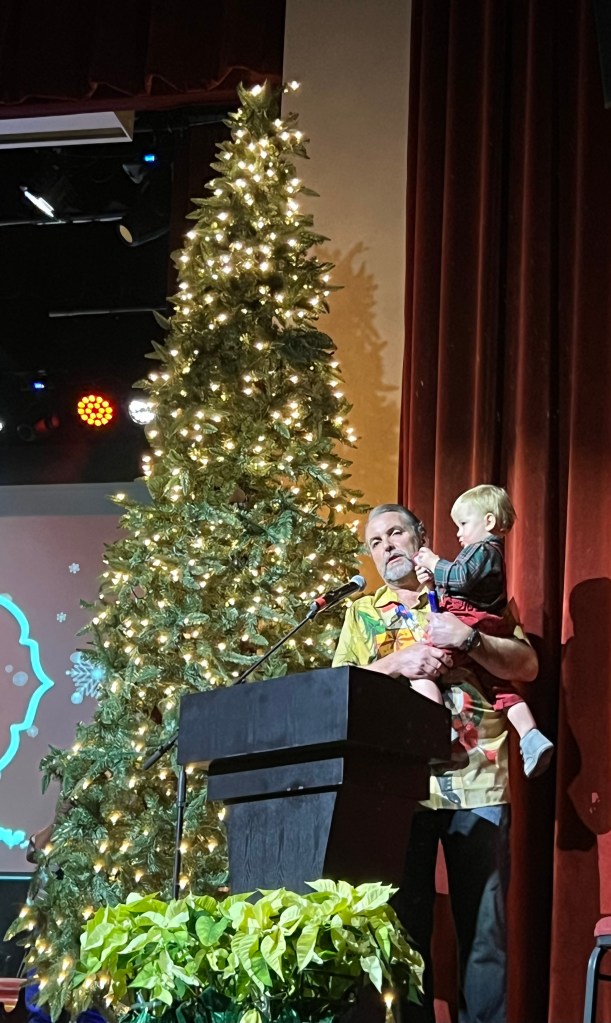




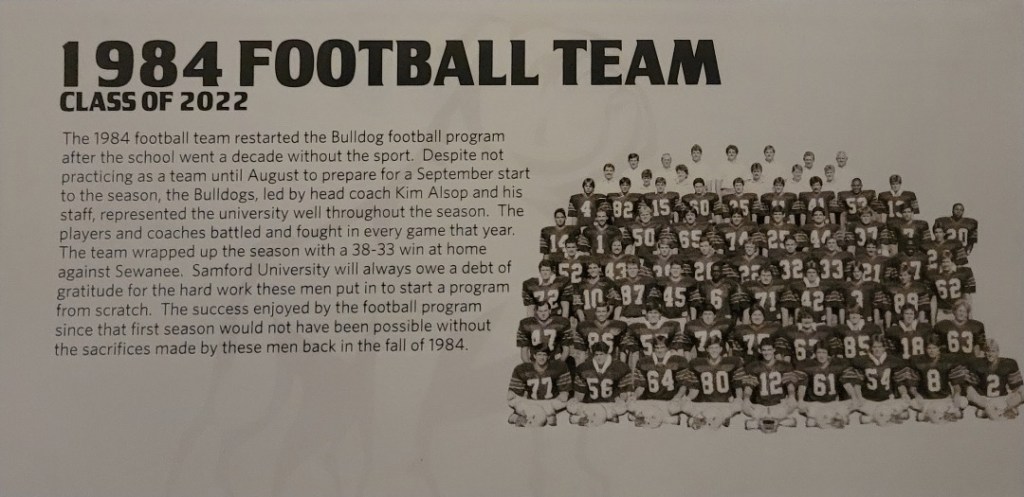






 BD Newsletter
You must be logged in to post a comment.